In this article
What you’ll learn
- Consistency is the key to preventing pet hair and odors from overwhelming your home.
- Using enzymatic and probiotic cleaners is more effective than traditional harsh chemicals.
- High-efficiency HEPA filters and modern AI vacuums are essential tools for 2025-2026.
For many of us, our dogs aren’t just pets; they are members of the family who share our sofas, our laps, and often our beds. However, living with a canine companion brings a unique set of hygiene challenges. From the "pet hair epidemic" to the dreaded "wet dog" smell, maintaining a pristine environment can feel like a full-time job. Plenty of us let our dogs sleep in our beds without ever really thinking about the biological matter—skin cells, saliva, and outdoor pollutants—that our furry friends track inside.
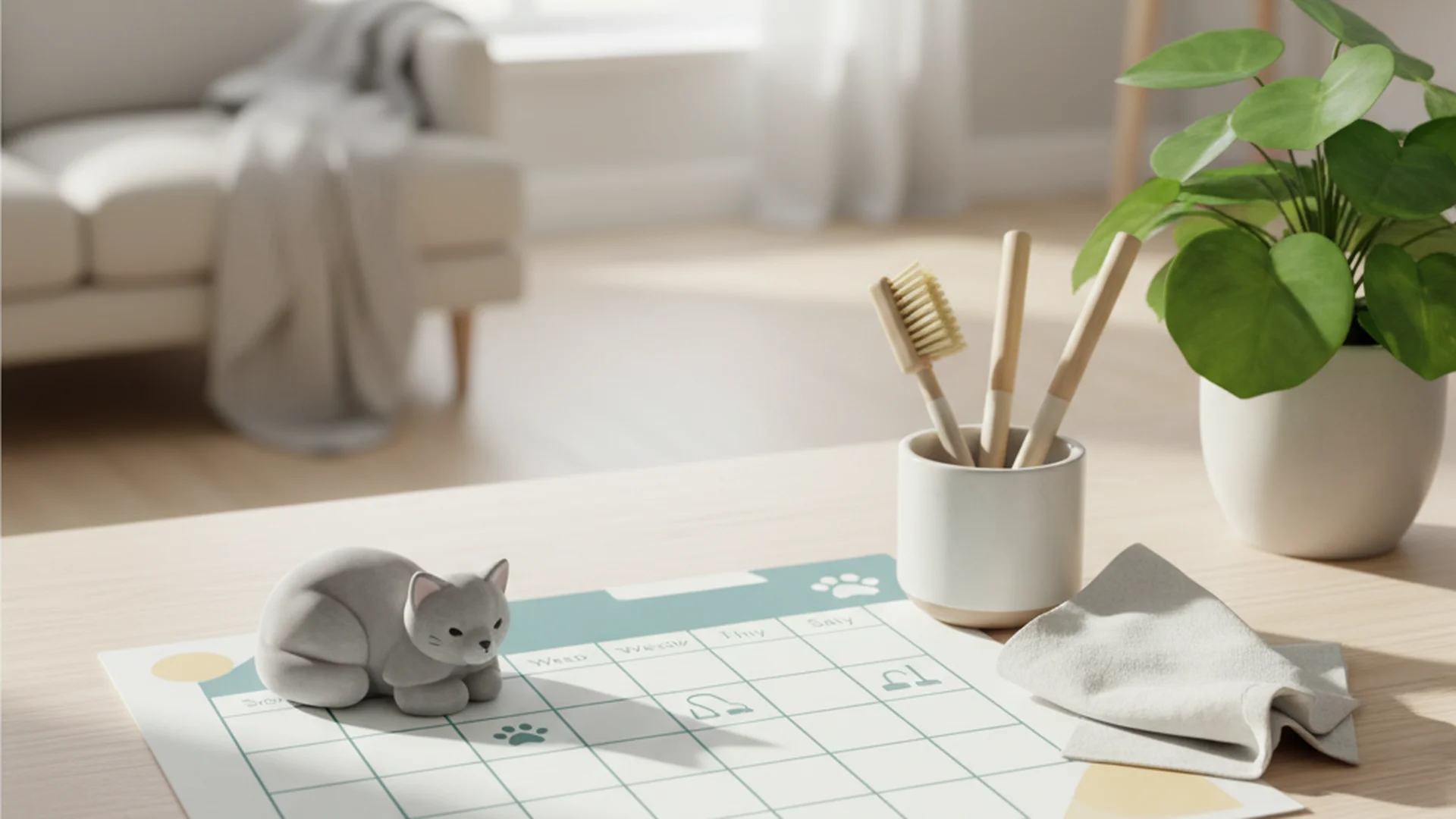
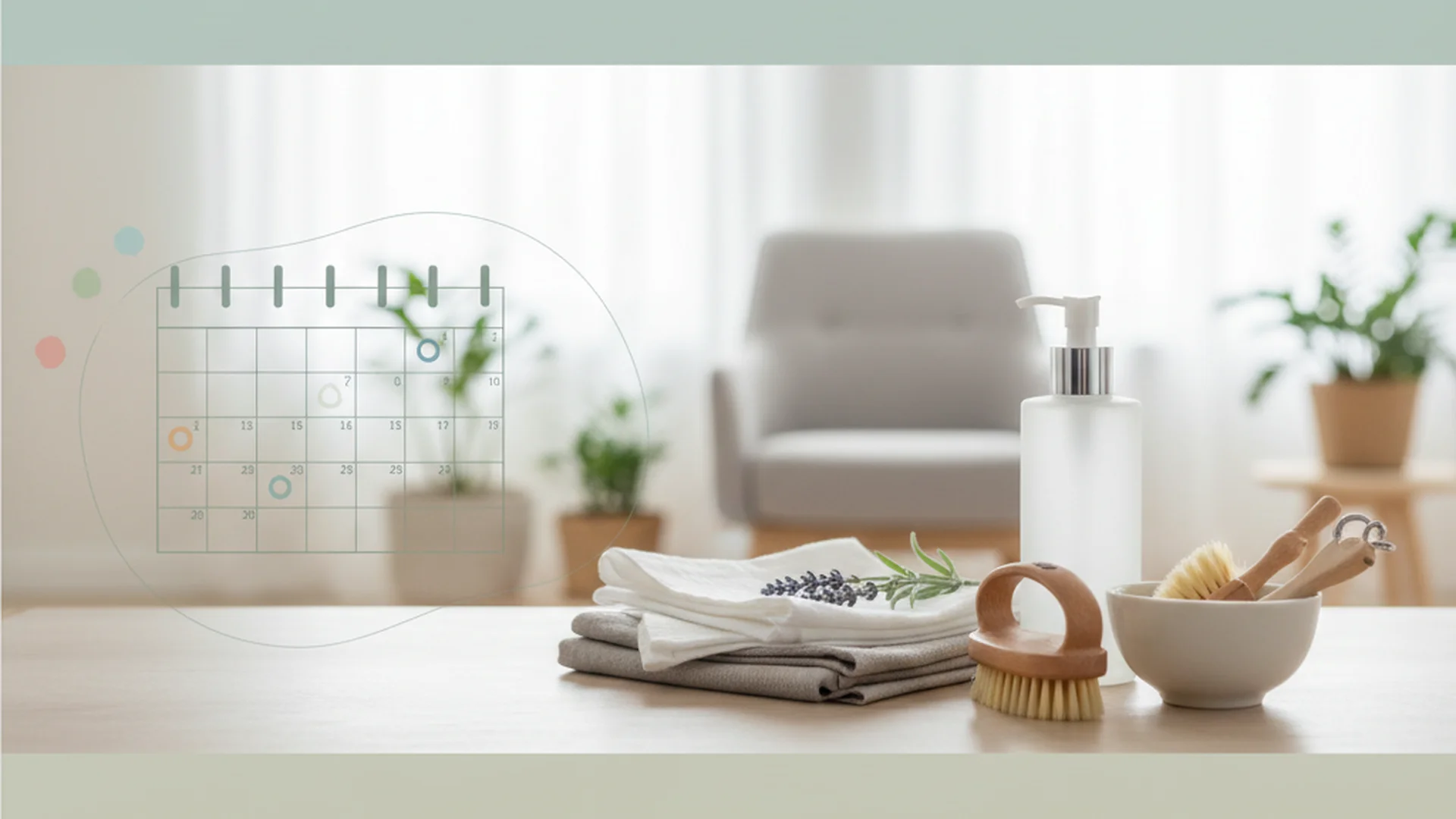
Developing a consistent cleaning schedule for dog owners is the only way to manage this biological load without suffering from cleaning burnout. By breaking tasks down into manageable daily, weekly, and monthly chunks, you can ensure your home remains a sanctuary for both you and your pet.
The Daily 10: A Routine to Stop the Mess Before It Starts
The secret to a clean home isn't a grueling weekend deep-clean; it’s a proactive "Tactical Sweep" performed daily. When you stay on top of the small messes, you prevent them from becoming embedded in your carpets and upholstery.
Paw Management and Entryway Control
The best way cleaning schedule dog owners can succeed is by stopping dirt at the door. Every time your dog enters the house, their paws act like sponges for bacteria and allergens.
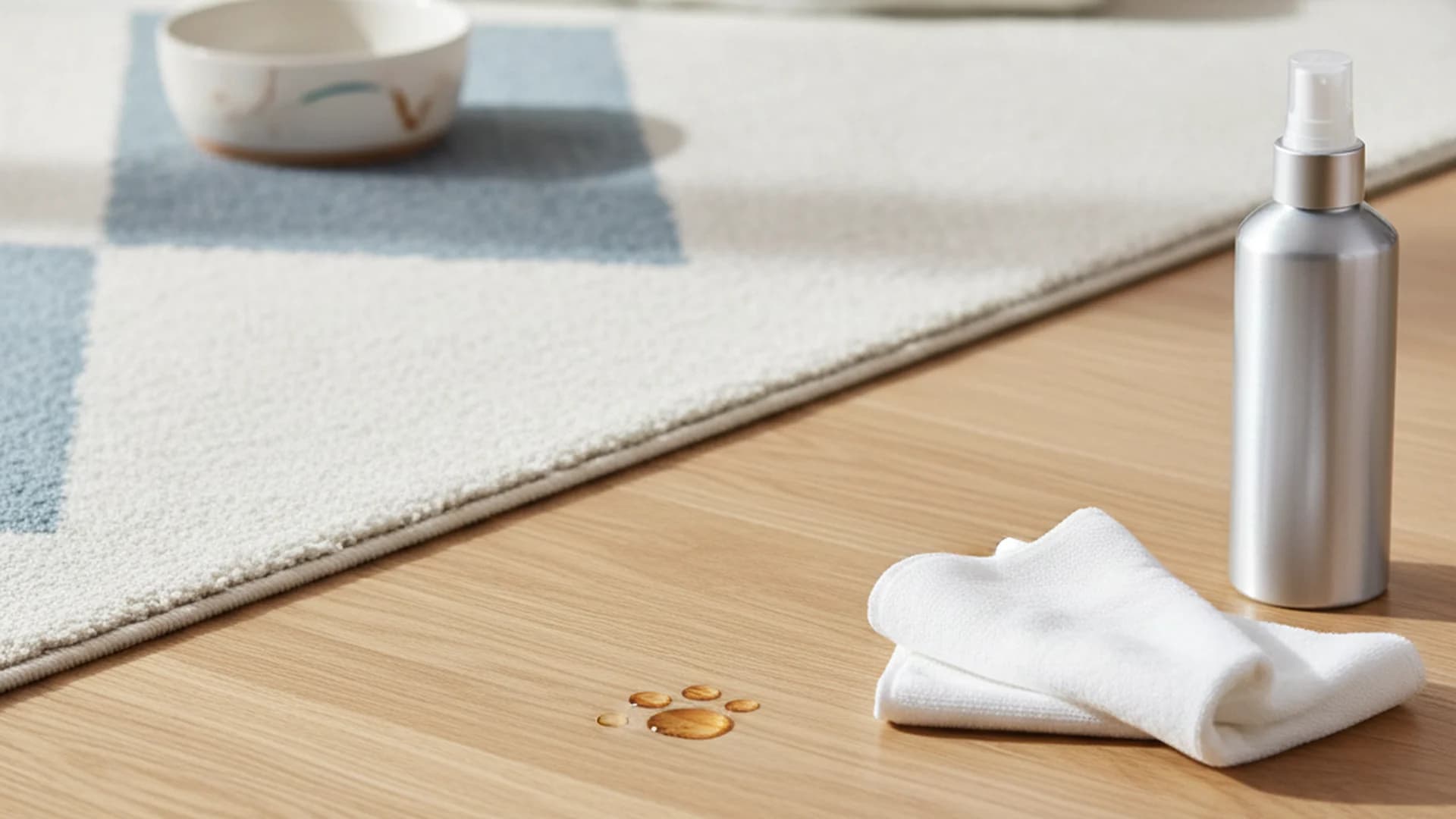
- The Paw Station: Keep a dedicated "paw station" at your primary entrance. This should include pet-safe wipes or a "mud buster" suction cup.
- Absorbent Mats: Use double-layered walk-off mats—one outside and one inside—to trap moisture and grit before it reaches your hardwood or carpet.
The Tactical Sweep
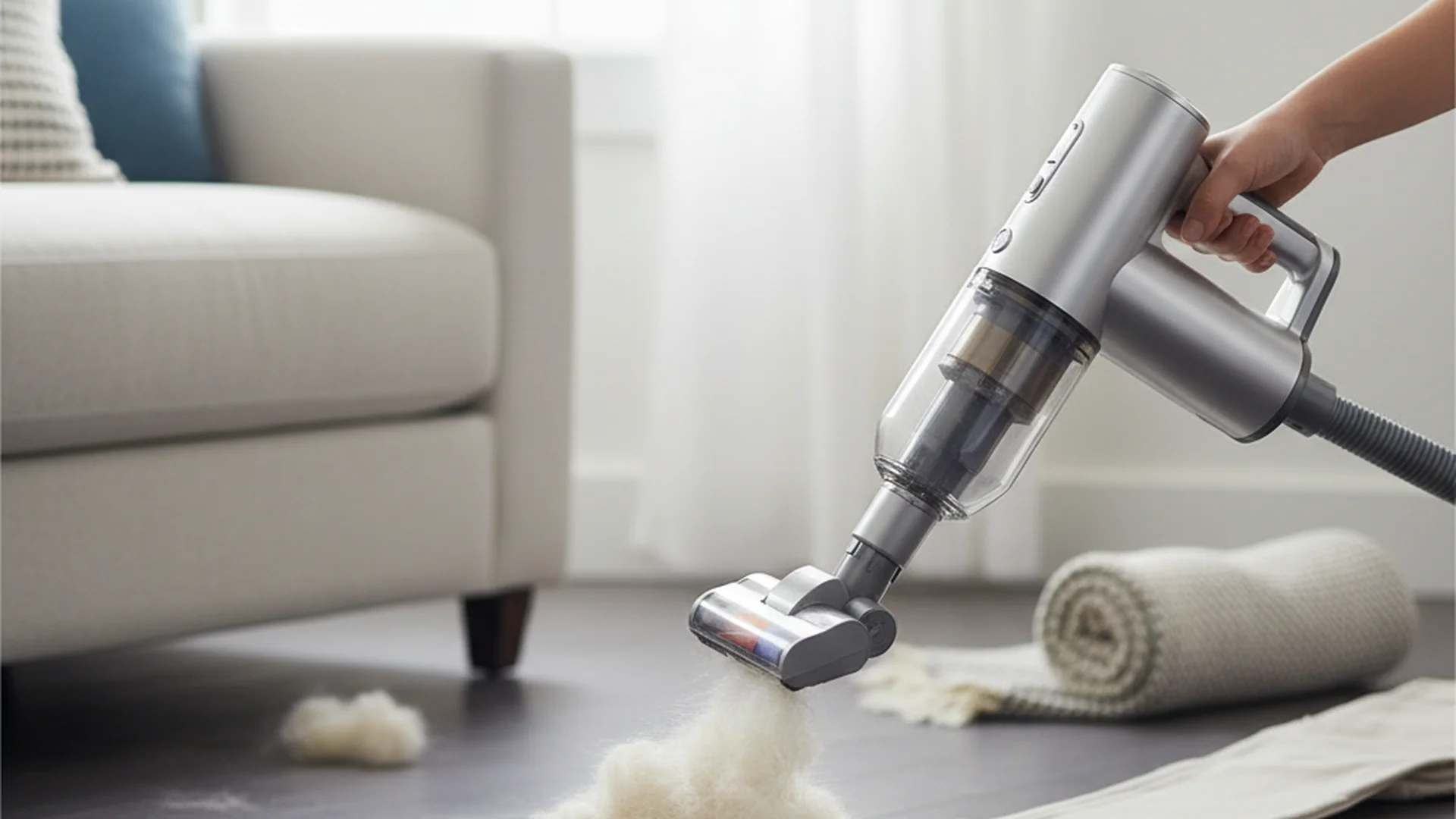
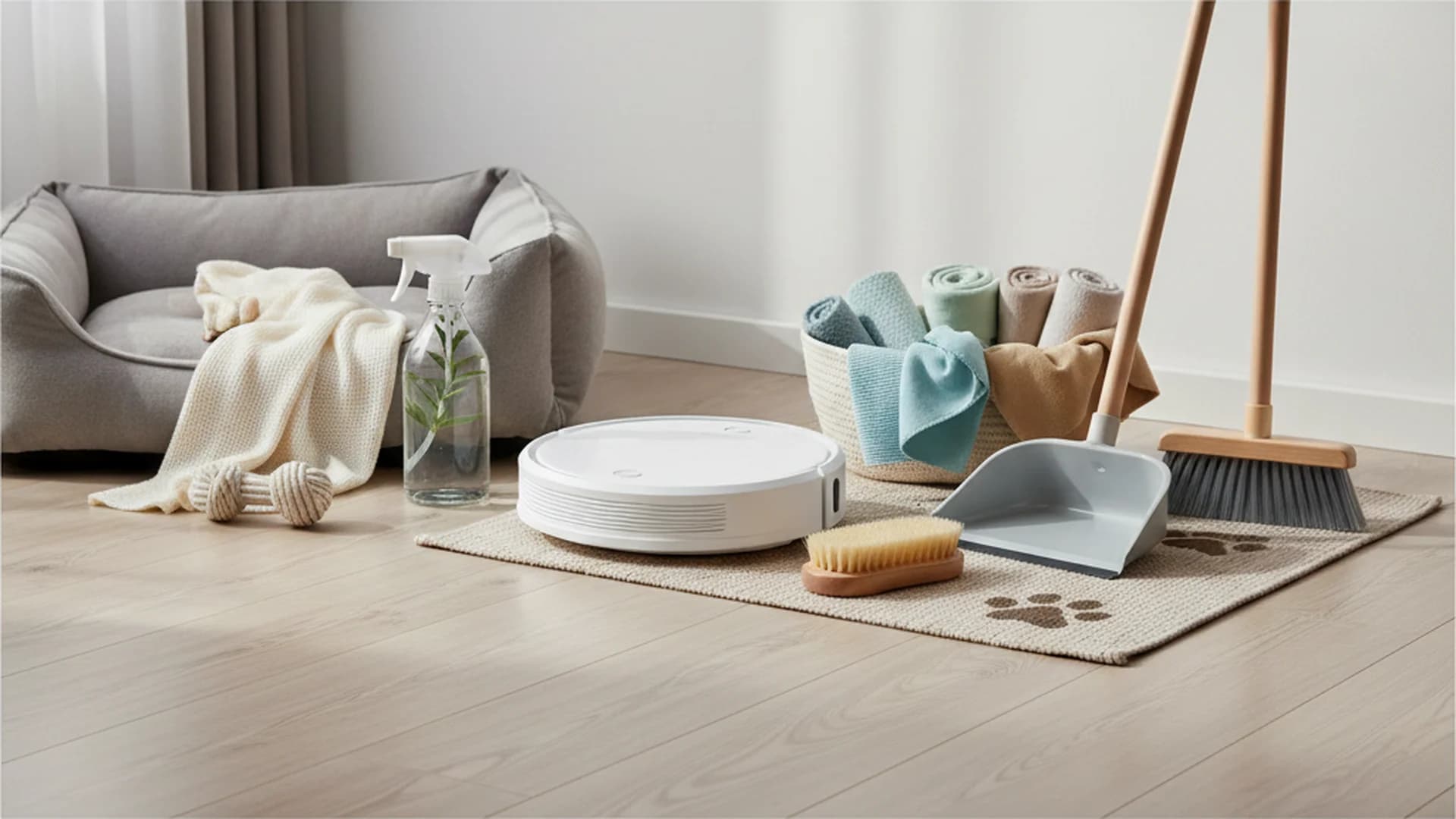
Dog hair doesn't just sit on the surface; it clumps and migrates into corners and under furniture. Spend 10 minutes each evening with a cordless vacuum or a rubber broom. Rubber brooms are particularly effective because they use static electricity to pull hair out of carpet fibers that traditional vacuums might miss.
Dish Sanitization
Many owners simply refill water bowls, but this leads to the formation of Biofilm—a slimy, pink or clear layer of bacteria that can cause health issues for your dog. Wash food and water bowls daily with hot, soapy water or run them through a dishwasher cycle.
Tip: Use a stainless steel or ceramic bowl instead of plastic. Plastic bowls often develop microscopic scratches that harbor bacteria and are harder to sanitize.
The Master Weekly Schedule: Deep Hygiene
While daily tasks handle the visible mess, your weekly routine should focus on the "invisible" allergens like dander and microorganisms.
Bedding Laundry and Soft Surfaces
Pet dander is a major indoor air pollutant, and it can stay suspended in the air for long periods.
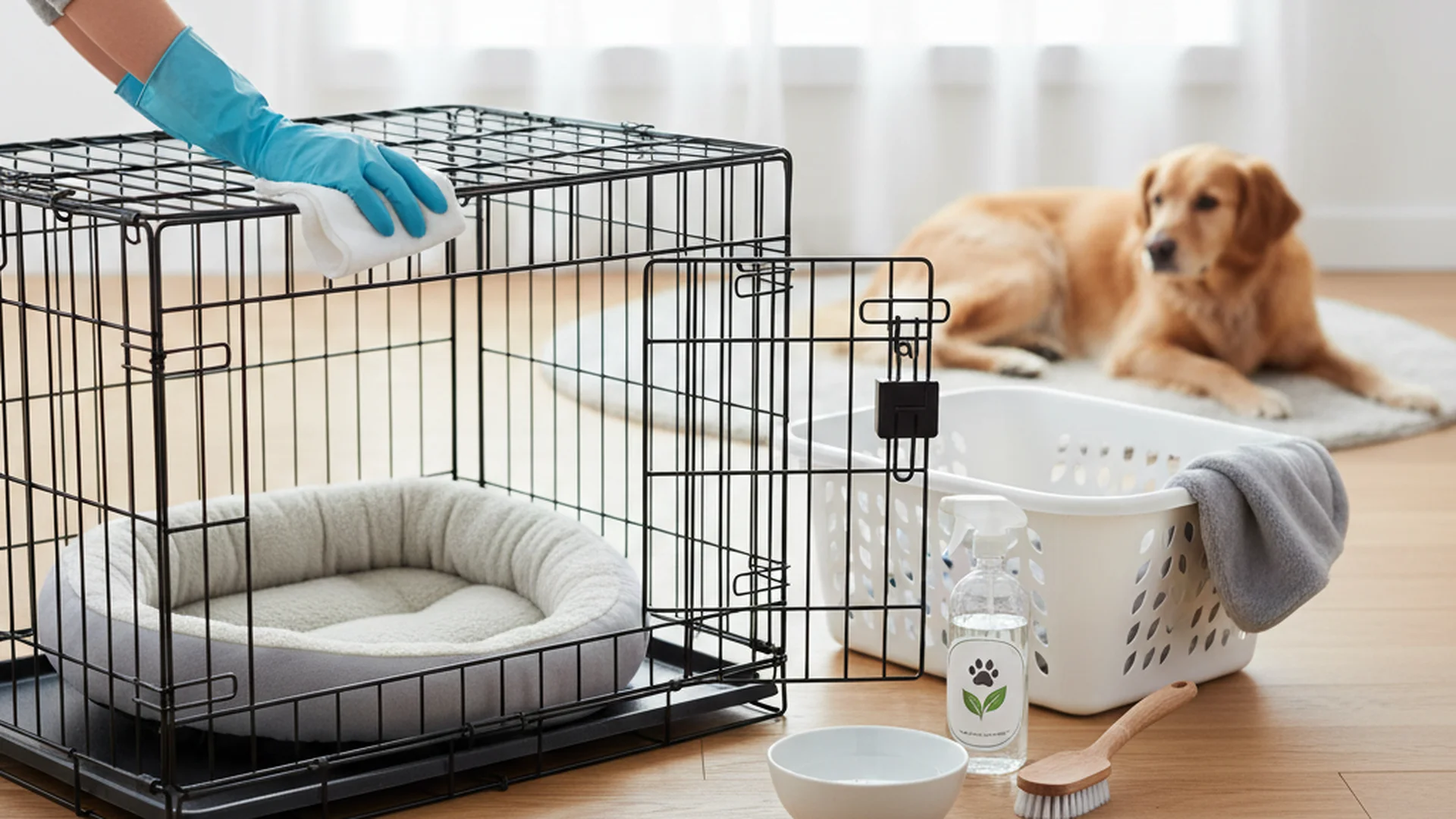
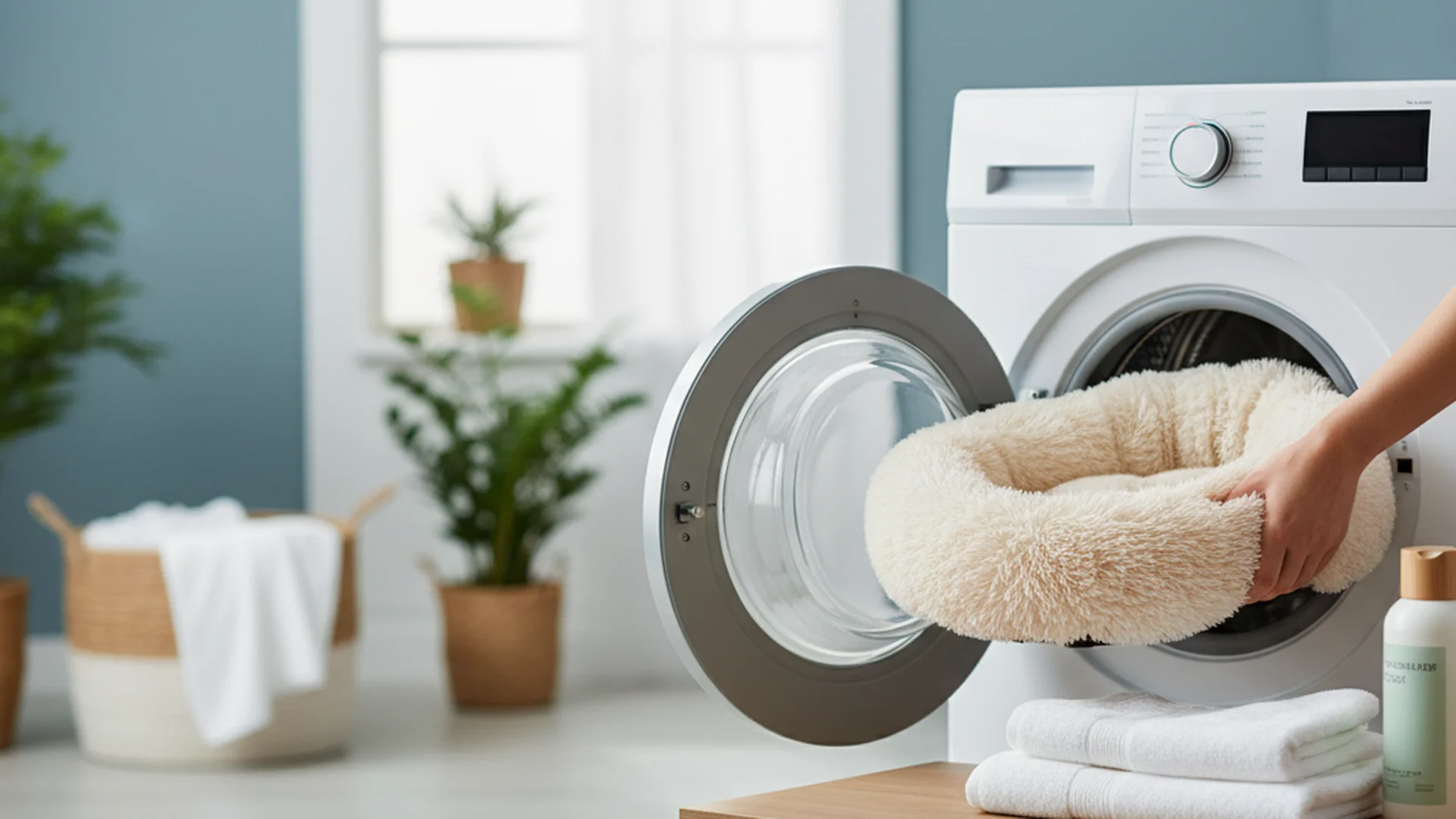
- Wash Pet Beds: Strip the covers off pet beds and wash them in hot water (at least 140°F/60°C). This temperature is critical to killing dust mites and breaking down the oils that cause the "doggie smell."
- Upholstery Vacuuming: Use a vacuum with a HEPA filter and an upholstery tool. Pay special attention to the "seams" of your sofa where dander and hair accumulate.
Toy Sanitization
Dogs explore the world with their mouths, meaning their toys are frequently covered in saliva and bacteria.
- Hard Toys: Most high-quality plastic or rubber toys can be placed on the top rack of the dishwasher.
- Soft Toys: Place plush toys inside a mesh laundry bag and wash them on a gentle cycle with a pet-safe, fragrance-free detergent.
| Task | Estimated Time | Tool Needed |
|---|---|---|
| Bedding Laundry | 60-90 min | Washing Machine (Hot) |
| Soft Surface Vacuuming | 20 min | HEPA Vacuum + Upholstery Tool |
| Toy Sanitization | 10 min (Active) | Dishwasher / Laundry Bag |
| Full Floor Mop | 30 min | Microfiber Mop + Probiotic Cleaner |
Warning: Avoid using scented "laundry boosters" on pet bedding. A dog’s sense of smell is significantly more sensitive than a human's, and strong fragrances can cause respiratory irritation or skin allergies.
Monthly Maintenance and Long-Term Prevention
To keep your home's air quality high and odors low, you must look beyond the floor level.
HVAC and Air Purification
If you own a dog, your HVAC system is working overtime to filter out hair and dander. Standard fiberglass filters are insufficient. Upgrade to MERV 11 or 13 filters, which are dense enough to capture microscopic pet allergens. Change these every 30 to 60 days depending on the shedding level of your breed.
Deep Carpet and Rug Cleaning
Even with regular vacuuming, organic matter eventually sinks into the carpet padding. Once a month, use an enzymatic shampooer. Enzymatic cleaners contain specific proteins that "eat" the bacteria causing odors, rather than just masking them with perfume.
Collar and Leash Wash
This is one of the most overlooked items in a cleaning schedule dog owners tips list. Collars and leashes sit against the dog's skin and absorb oils and moisture, often becoming the primary source of a mysterious "stinky room" smell. Soak them in warm water with a bit of dog shampoo or mild detergent once a month.
Note: If your dog has been swimming or caught in the rain, the "wet dog" smell is caused by microorganisms (yeast and bacteria) releasing volatile organic compounds. Drying your dog thoroughly with a high-velocity dryer can prevent this smell from transferring to your furniture.
Recent Trends: The Future of Pet Cleaning (2025–2026)
As we move through 2025 and into 2026, technology is making it easier to maintain a clean home.
- AI-Enhanced Robot Vacuums: The latest generation of robot vacuums now features sophisticated AI that can identify "high-shedding zones" and automatically increase suction or perform double passes in those areas. More importantly, advanced obstacle avoidance technology now reliably prevents the dreaded "poop-pocalypse" by detecting pet waste.
- Probiotic Cleaning: A major shift is happening away from harsh disinfectants toward probiotic cleaners. These products leave behind "good bacteria" that continue to clean and consume organic waste for up to three days after application.
- The "Clean-Core" Aesthetic: Modern interior design is embracing "pet-scaping." This includes performance fabrics like Crypton, which are virtually impenetrable by liquids and odors, and the installation of "dog showers" in mudrooms to stop the mess before it crosses the threshold.
Real-World Examples: Applying the Schedule
Example 1: The "High-Shedder" Apartment
Sarah lives in a 2-bedroom apartment with a Siberian Husky. Because she lives in a smaller space, hair accumulates quickly. Her schedule focuses on a twice-daily tactical sweep with a lightweight cordless vacuum and the use of a high-quality air purifier with a carbon filter to neutralize the "husky musk" in a confined area.
Example 2: The Multi-Dog Household in the Suburbs
The Miller family has three Labradors and a large backyard. Their biggest challenge is mud. Their schedule prioritizes the "Paw Station" at the back door and a weekly "Toy Sanitization" day to manage the high volume of saliva and outdoor bacteria brought in by three active dogs.
Example 3: The Allergy-Sensitive Home
Mark loves his Golden Retriever but suffers from mild dander allergies. His cleaning schedule for dog owners is centered on daily brushing of the dog (outdoors) to remove loose fur before it enters the house, and a strict rule of washing all bedding—including his own—weekly in 140°F water.
Success: By implementing these tiered strategies, Sarah, the Millers, and Mark have all cut down their deep-cleaning time while noticeably improving their indoor air quality.
Common Mistakes to Avoid
- Using Bleach or Ammonia: Ammonia is a component of dog urine. If you clean an accident with an ammonia-based product, the dog may perceive it as a "marking" spot and return to soil it again. Bleach is too harsh for paw pads and can cause chemical burns.
- Vacuuming Bedding Directly: If a bed is covered in hair, vacuuming often just grinds the hair deeper into the weave. Tip: Use a rubber squeegee or a damp rubber glove to "rake" the hair into clumps first, then vacuum the piles.
- Ignoring the "Non-Shedding" Myth: Poodles and Doodles may not leave hair on the sofa, but their curly coats are magnets for pollen, dust, and outdoor allergens. They require just as much cleaning maintenance as shedding breeds to keep the home healthy.
- Washing Pet Items with Human Clothes: Cross-contamination is a real concern. Always wash pet items in a separate load and consider running an empty "clean cycle" on your machine afterward to clear out any lingering hair.
Frequently Asked Questions
How often should I wash my dog's bed?
How do I get the "dog smell" out of my couch?
What is the best way to handle shedding?
Is it safe to use floor cleaners around dogs?
How do I stop my dog from tracking mud into the house?
Conclusion
Managing a home with dogs doesn't have to be a constant battle against filth. By adopting a structured cleaning schedule for dog owners, you shift from reactive "panic cleaning" to a proactive maintenance routine. Remember, the goal isn't perfection—it's a healthy, comfortable environment where you can enjoy the company of your best friend without the stress of the mess. Start with the "Daily 10" today, and you'll see a noticeable difference in your home's freshness by the end of the week.
Success: Consistent, small actions are more effective than occasional deep cleans for managing pet-related allergens and odors.
Cleaning that keeps score
Every task earns points, every streak multiplies them, and Premium adds a household leaderboard plus a monthly Dustagorgon to beat.
- Free forever
- 30 badges to earn
- Up to 6 in a household
No card needed. Set up your rooms in a couple of minutes.