In this article
What you’ll learn
- Crate hygiene is a pillar of 'One Health' for both pets and owners.
- Enzymatic cleaners are essential for removing uric acid crystals.
- Avoid mixing vinegar and hydrogen peroxide or using ammonia-based products.
In 2025, pet ownership has evolved beyond mere companionship into a comprehensive lifestyle focused on "One Health"—the understanding that the well-being of our pets is inextricably linked to our own. One of the most overlooked aspects of this health ecosystem is the sanctuary where your pet spends a significant portion of their time: their crate. Learning how to clean dog crate surfaces effectively is no longer just about removing the occasional "doggy smell"; it is a vital practice for preventing the spread of multi-drug resistant bacteria and ensuring a safe home environment.
Whether you are dealing with a new puppy’s accidents or maintaining a sanctuary for an adult dog, the best way clean dog crate units involves a combination of the right chemistry and a disciplined schedule. This guide will walk you through the science of pet hygiene and provide actionable clean dog crate tips to keep your home pristine.
The Science of a Clean Dog Crate
Before we dive into the scrubbing process, it is important to understand why professional-grade cleaning is necessary. Recent data from 2024 and 2025 suggests that pet environments are far more biologically active than previously thought.
A 2024 study published in PMC identified that methicillin-resistant Staphylococci and Acinetobacter (MDR bacteria) were present on 80–92% of surfaces in dog facilities. Furthermore, the rise of raw food diets has introduced new risks; North American public health agencies in early 2025 linked several Salmonella outbreaks to raw pet food handling. Since nearly 20% of raw food samples can test positive for Salmonella, any residue left in a crate can become a long-term reservoir for illness.
The Hygiene Gap
Despite these risks, a significant hygiene gap exists in modern households. While experts recommend washing pet bedding every one to two weeks, most owners wash it far less often than that—sometimes only a few times a year. This neglect turns the dog crate into one of the top 10 dirtiest items in the average home, often harboring dander, fecal matter, and dangerous pathogens.
Preparation: The Right Tools for the Job
To achieve a professional-level clean, you need more than just a bucket of soapy water. The "Green Cleaning" standard of 2025 emphasizes plant-based, biodegradable solutions that are safe for both the planet and your pet's sensitive respiratory system.
Essential Supplies
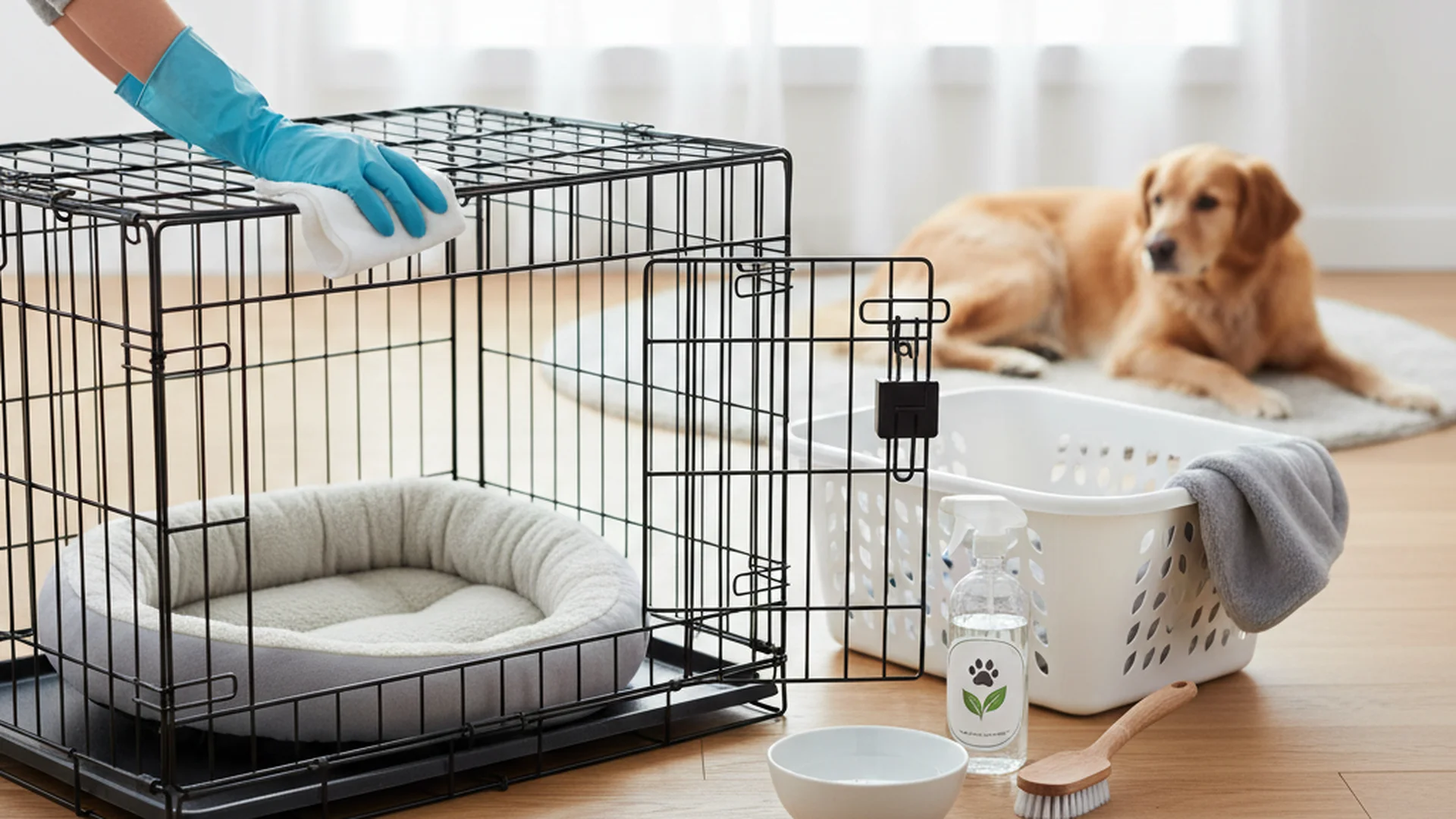
- Enzymatic Cleaner: This is non-negotiable for urine or organic waste.
- Mild Dish Soap: (e.g., Dawn) for the initial physical cleaning.
- Pet-Safe Disinfectant: Look for citric acid or accelerated hydrogen peroxide-based formulas.
- Soft-Bristle Brush: For textured plastic surfaces.
- Microfiber Cloths: For streak-free drying on metal.
- Vacuum with HEPA Filter: To capture dander and hair during the "teardown."
Tip: Always choose "pet-safe" certified scents or stick to fragrance-free options. Many essential oils, such as tea tree or peppermint, are toxic to dogs if inhaled in concentrated spaces.
Step-by-Step: The Professional "Teardown" Method
The best way clean dog crate systems is to treat the process like an industrial maintenance cycle. Do not try to clean the crate while it is fully assembled; you will miss the corners where bacteria thrive.
Step 1: The Full Disassembly
For plastic crates, unscrew the wingnuts and separate the top and bottom halves. For metal wire crates, slide out the bottom tray and fold the crate down if possible. This allows you to access the "joint" areas where the wire meets the frame—a prime spot for hair and skin cell accumulation.
Step 2: The Pre-Rinse
Take the components outside or to a large walk-in shower. Use a high-pressure hose to dislodge loose fur, dried mud, and debris. This prevents you from simply moving dirt around once you apply the soap.
Step 3: The Two-Step Clean
First, apply your mild soap and scrub all surfaces vigorously. This step is about removing the "biofilm"—the layer of organic matter that protects bacteria from disinfectants. Rinse thoroughly. Second, apply your pet-safe disinfectant.
Warning: Never mix vinegar and hydrogen peroxide in the same bottle. This creates peracetic acid, a corrosive substance that can cause severe respiratory distress for your dog.
Step 4: The Deep Scrub (Material Specifics)
- Metal/Wire: Focus on the intersections of the wires. Use a microfiber cloth to dry immediately to prevent rust.
- Plastic: Use your soft-bristle brush to get into the "grain" of the plastic.
- Furniture-Style: Use specialized wood-safe, pet-friendly polishes. Avoid saturating the wood, as warping can create gaps where mold might grow.
Step 5: Drying and Reassembly
Ensure every component is bone-dry before reassembling. Trapped moisture is the leading cause of "mystery" mold growth under the crate tray.
Success: A fully dried and disinfected crate significantly reduces the risk of skin infections and helps maintain your home's overall air quality.
Real-World Examples of Crate Maintenance
Case Study 1: The Raw Food Spill
In 2025, "Sarah," a Golden Retriever owner, noticed a lingering smell despite regular wiping. Because she fed her dog a raw diet, salmonella residue had seeped into the microscopic scratches in the plastic base. By switching to an enzymatic cleaner followed by a 10-minute "dwell time" with a citric-acid disinfectant, she successfully eliminated the pathogen reservoir and the odor.
Case Study 2: The "Mystery Odor" Hunt
A common issue is a smell that persists even after the bedding is washed. Often, this is caused by liquid waste seeping under the removable tray. One owner discovered a colony of black mold growing on the floor beneath the crate because they only cleaned the top of the tray. This highlights the importance of the weekly "Teardown" method.
Case Study 3: The Probiotic Transition
A professional kennel in Oregon transitioned to probiotic surface cleaners in 2026. These cleaners leave behind beneficial bacteria that continue to "eat" organic waste and odors for days after the initial cleaning. This resulted in a 40% reduction in ammonia-like smells within the facility.
2025-2026 Trends in Pet Hygiene
The pet industry is currently experiencing a technological revolution. If you are looking for the most advanced way to clean dog crate environments, consider these emerging trends:
- Smart Home Integration: New "Smart Crates" now feature humidity sensors. Because mold thrives in humidity above 60%, these sensors alert owners when levels are too high or when a cleaning cycle is due based on the dog's usage patterns.
- Probiotic Cleaners: As mentioned in Case Study 3, probiotic cleaners are becoming the gold standard for long-term odor control, as they naturally crowd out pathogens.
- Sustainable Materials: We are seeing a rise in crates made from recycled ocean plastics and FSC-certified woods. These require pH-neutral cleaning agents to maintain their structural integrity over time.
Note: If you use a smart crate, always consult the manufacturer’s manual before using liquid cleaners near the electronic sensors.
Common Mistakes to Avoid
Even with the best intentions, many owners make mistakes that can compromise their dog's health or damage the crate.
- Using Ammonia: This is the most common error. Ammonia smells remarkably like urine to a dog. Using it can actually trigger a dog to "mark" their crate because they believe another animal has already done so.
- Neglecting the Exterior: Dust and dander settle on the top and outside bars of the crate. If left uncleaned, these particles circulate through your home's HVAC system.
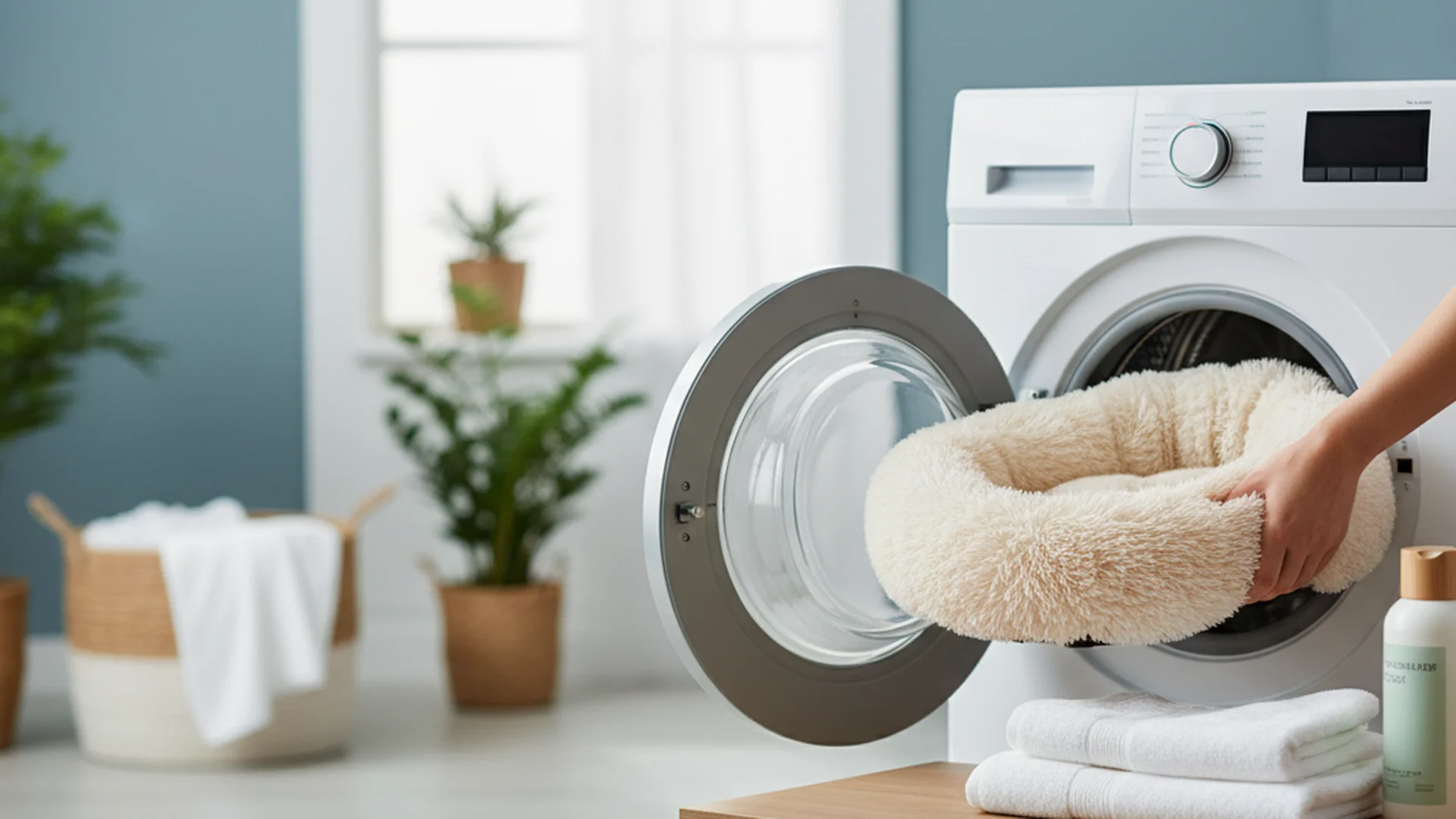
- Ignoring the Bedding: A clean dog crate is useless if you put dirty bedding back inside. Wash bedding in hot water (at least 140°F) to kill dust mites and bacteria.
- Skipping the Dwell Time: Most disinfectants require 5–10 minutes of "wet" contact time to actually kill viruses like Parvovirus or bacteria like Salmonella. Don't spray and immediately wipe.
Frequently Asked Questions
How often should I clean the dog crate?
Can I use bleach to clean a dog crate?
What is the best way to remove stubborn urine odors?
Why does my metal crate have a "rusty" smell?
Are "Green" cleaners strong enough to kill bacteria?
Conclusion: A Healthier Home Starts with the Crate
Maintaining a clean dog crate is a fundamental responsibility for any pet owner in 2025. By moving beyond "surface cleaning" and embracing the two-step disinfection process, you protect your pet from MDR bacteria and ensure your home remains a healthy environment for everyone. Remember, the best way clean dog crate materials is through consistency, the right enzymatic tools, and a commitment to the "One Health" philosophy.
Start your new cleaning routine this weekend. Your dog—and your home’s air quality—will thank you.
Cleaning that keeps score
Every task earns points, every streak multiplies them, and Premium adds a household leaderboard plus a monthly Dustagorgon to beat.
- Free forever
- 30 badges to earn
- Up to 6 in a household
No card needed. Set up your rooms in a couple of minutes.