In this article
What you’ll learn
- Always use pH-neutral cleaners to avoid etching marble chips.
- Daily dust mopping is the best way to prevent abrasive scratching.
- Modern epoxy terrazzo requires different care than traditional cement-based floors.
Terrazzo floors are undergoing a massive revival in 2025. Whether you have inherited a vintage mid-century masterpiece or just installed a modern epoxy surface, knowing how to clean terrazzo is vital for preserving its legendary luster. These floors are more than just a surface; they are a sophisticated composite, typically consisting of approximately 70% marble chips or other aggregates like quartz, glass, and granite, embedded in a cement or epoxy binder.
Because of this unique "mosaic" composition, terrazzo requires a specialized touch. You cannot simply grab the first bottle of cleaner you see under the sink. Treating these floors correctly ensures they live up to their reputation for longevity—often lasting 75 to 100 years. In this guide, we will explore the most efficient, expert-backed methods to keep your terrazzo sparkling, incorporating the latest 2025 trends and cleaning technologies.
Understanding Your Terrazzo: Epoxy vs. Cement
Before you begin cleaning, it is helpful to know what kind of terrazzo you are walking on. In 2025, epoxy-based terrazzo accounts for over 60% of all new installations. It is non-porous, chemically resistant, and thinner than its predecessor. Traditional cement-based terrazzo, common in older homes, is more porous and susceptible to moisture and staining.
Regardless of the binder, the aggregates—usually marble—are the stars of the show. Since marble is a soft, calcified stone, it reacts poorly to acids. This "softness" is why your choice of cleaning agent is the most critical decision you will make for your floor's health.
Note: Modern bio-based epoxy resins are becoming a standard in 2026 "Green Building" initiatives. These surfaces are incredibly durable but still require pH-neutral care to maintain their clarity.
The "Less is More" Cleaning Philosophy
Experts from the National Terrazzo and Mosaic Association (NTMA) advocate for a "less is more" approach. Terrazzo does not need harsh chemicals; it needs consistency and the right tools.
Daily Maintenance: The Battle Against Grit
The greatest enemy of a polished terrazzo floor is simple sand and grit. These tiny particles act like sandpaper under your shoes, slowly grinding away the finish.
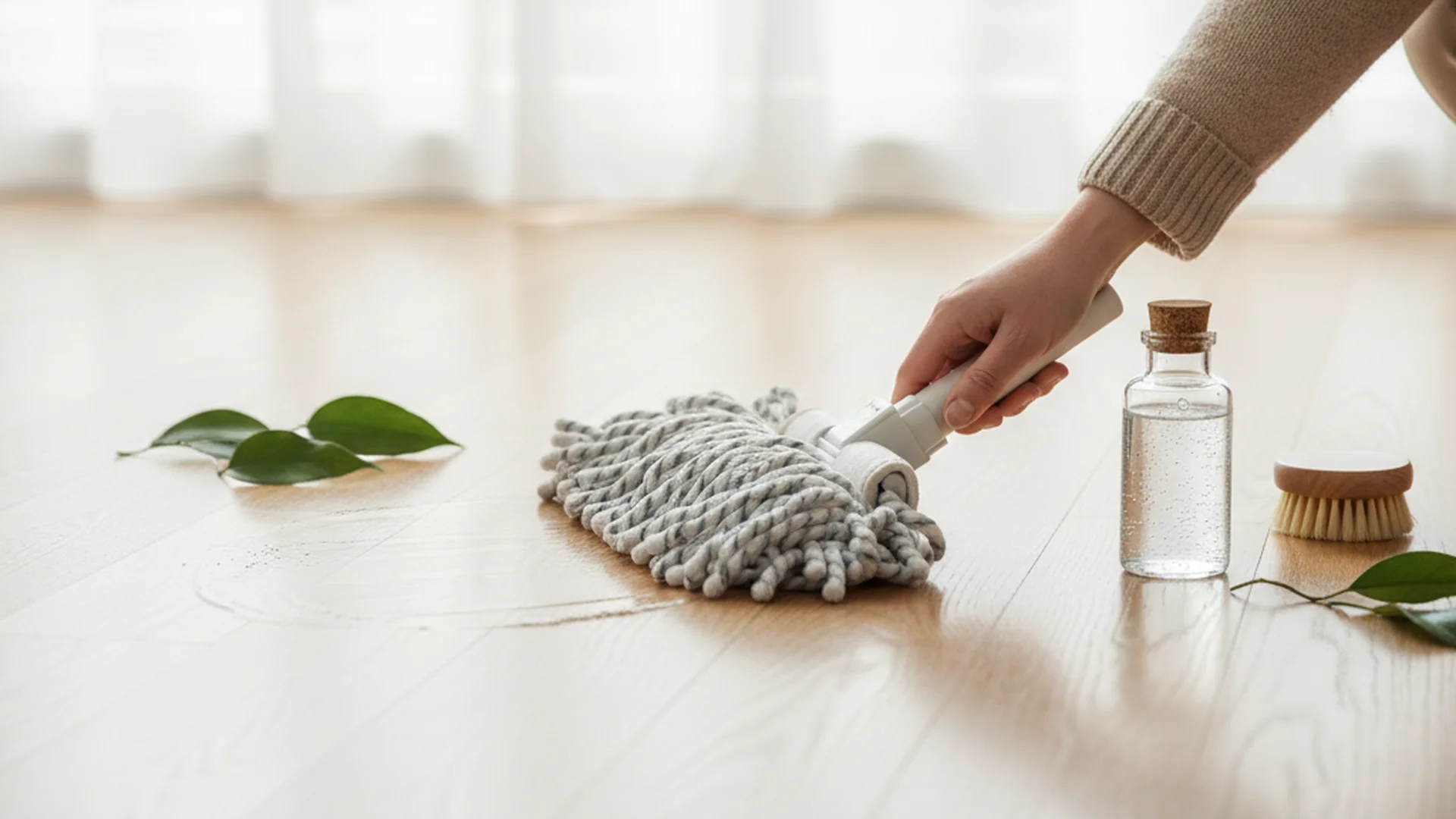
- Use a Microfiber Dust Mop: Skip the broom, which can just flick dust around. A microfiber mop traps the grit effectively.
- Focus on Entryways: Use walk-off mats at every entrance to catch debris before it hits the floor.
- Robot Mop Integration: In 2025, many homeowners are using robot vacuum-mop hybrids for daily maintenance. This is one of the best clean floor cleaning tips for busy households, as it ensures grit is removed daily without manual effort.
Tip: If using a robot mop, ensure the cleaning solution used in the reservoir is specifically labeled as pH-neutral and safe for natural stone.
Weekly Mopping: The Deep Clean Process
When it’s time for a deeper wash, the best way to clean clean floors like terrazzo involves a methodical, multi-step process.
- Step 1: Dilute Your Cleaner. Use a dedicated pH-neutral cleaner (like Dr. Bronner’s Pure-Castile Soap or a professional-grade stone soap). Follow the manufacturer's instructions—more soap does not mean a cleaner floor; it just means more residue.
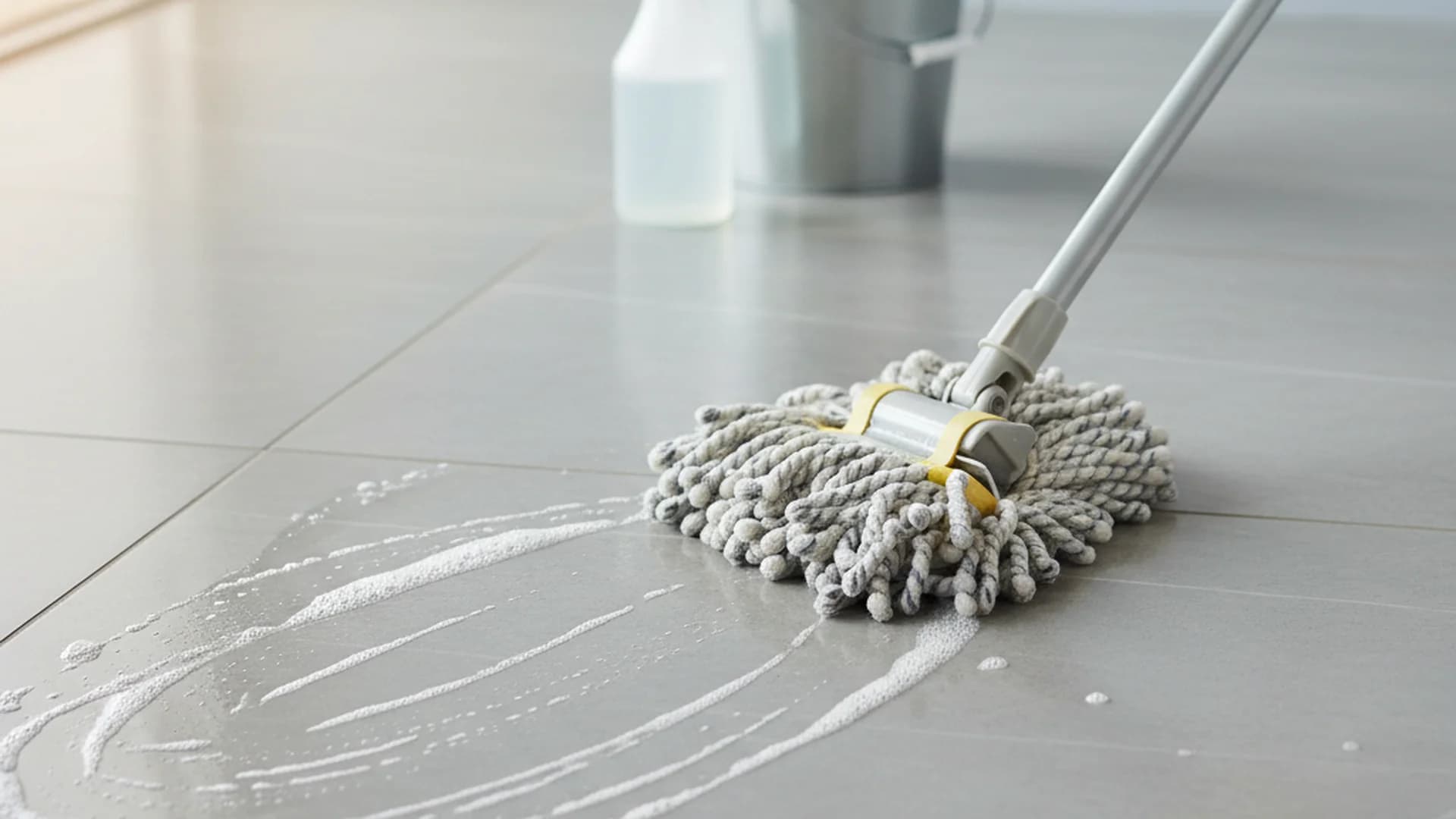
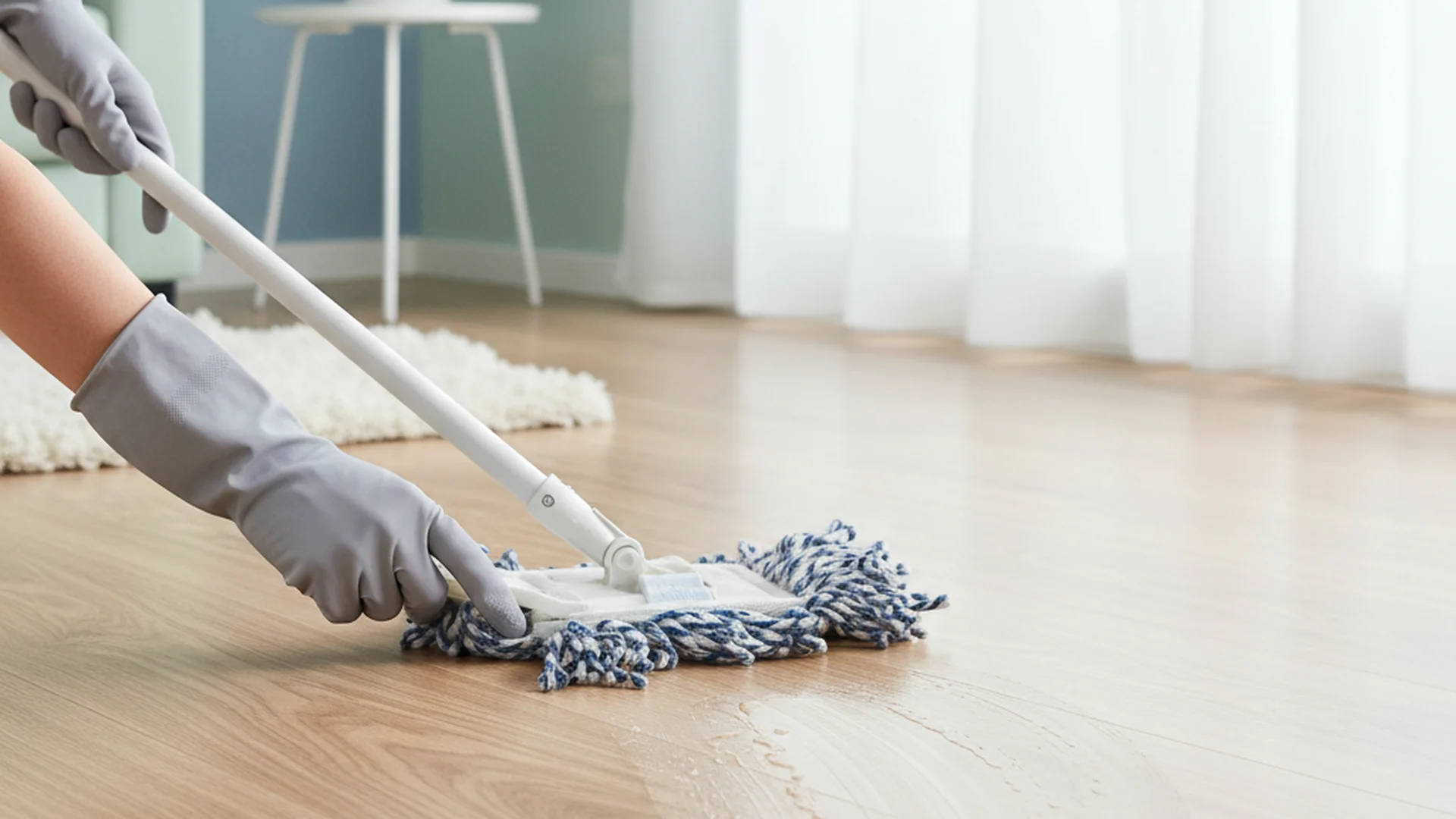
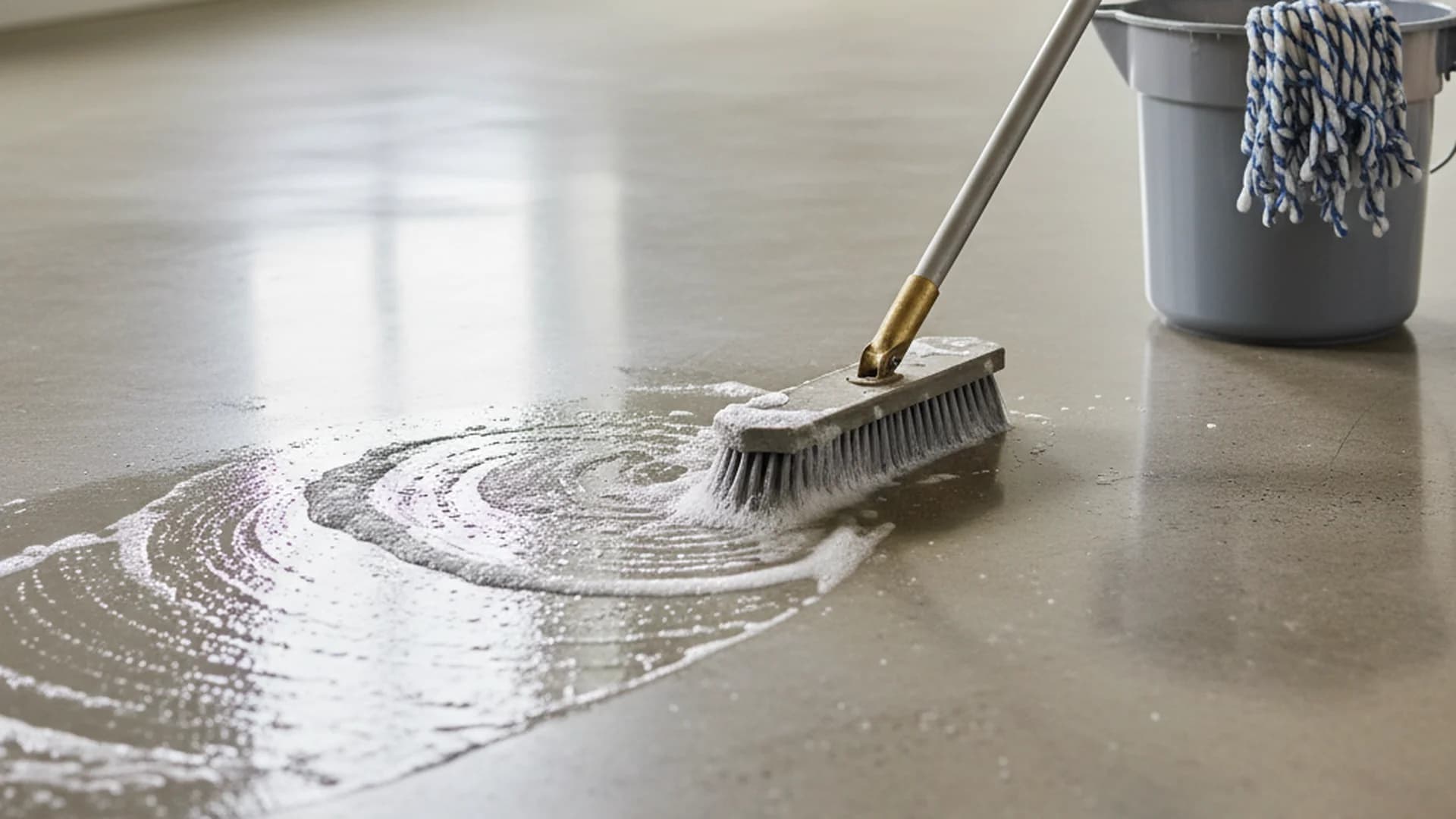
- Step 2: The "Dwell" Time. Apply the solution with a damp (not soaking) mop. Let the solution sit on the surface for 3 to 5 minutes. This allows the cleaner to emulsify the dirt and oils.
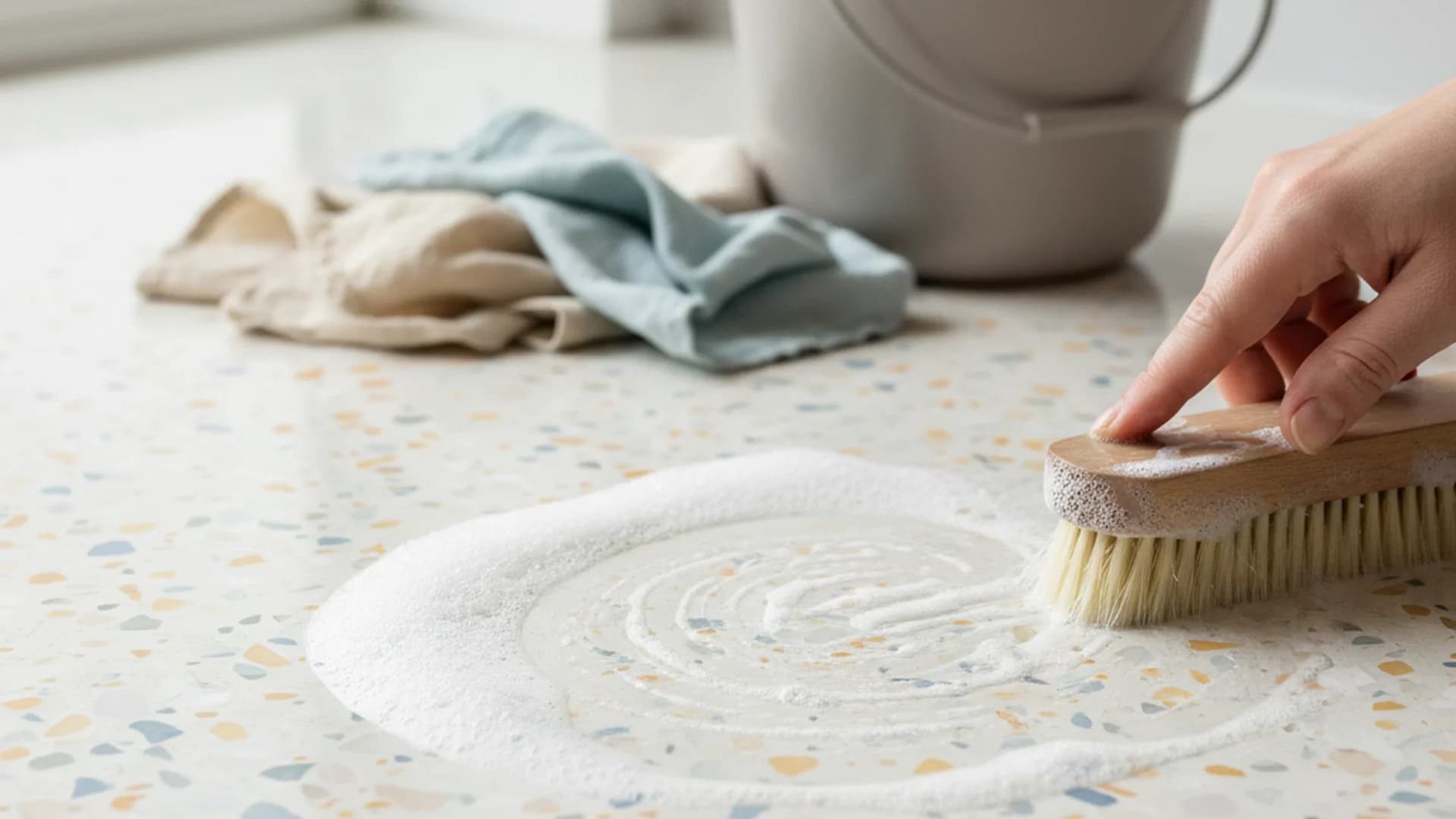
- Step 3: Agitate. Gently scrub high-traffic areas with a soft-bristled brush or the mop head.
- Step 4: The Critical Rinse. This is the step most people skip. Rinse the floor with fresh, clean water. Residual soap film is a magnet for dust and will eventually make your floors look cloudy.
Warning: Never let a cleaning solution dry on the floor. If it dries, it can leave a stubborn film that requires professional buffing to remove.
Common Mistakes to Avoid
Even well-intentioned homeowners can accidentally damage their terrazzo by treating it like granite or ceramic tile.
- The "Granite" Mistake: People often assume terrazzo is as hard as granite. It isn’t. Most terrazzo is marble-based, which is much more porous and prone to "etching" (chemical burns).
- Vinegar and Citrus: Never use vinegar, lemon juice, or any acidic cleaner. These will eat into the marble chips and the cement binder, leaving dull spots.
- Abrasive Scrubbing: Avoid steel wool or stiff scouring pads. These will strip the protective sealer and scratch the polished aggregates.
- Over-Wetting: On older cement-based floors, excessive water can cause "efflorescence," where white salty residues rise to the surface.
| Cleaning Tool/Agent | Safe for Terrazzo? | Why? |
|---|---|---|
| pH-Neutral Soap | Yes | Maintains finish and won't etch marble. |
| Vinegar/Lemon | No | Acidic; will cause permanent etching. |
| Microfiber Mops | Yes | Best for trapping grit without scratching. |
| Steam Mops | No (Generally) | Heat can damage sealers and cement bonds. |
| Bleach/Ammonia | No | Too harsh; can discolor the binder. |
Real-World Cleaning Examples
Example 1: The Kitchen Coffee Spill
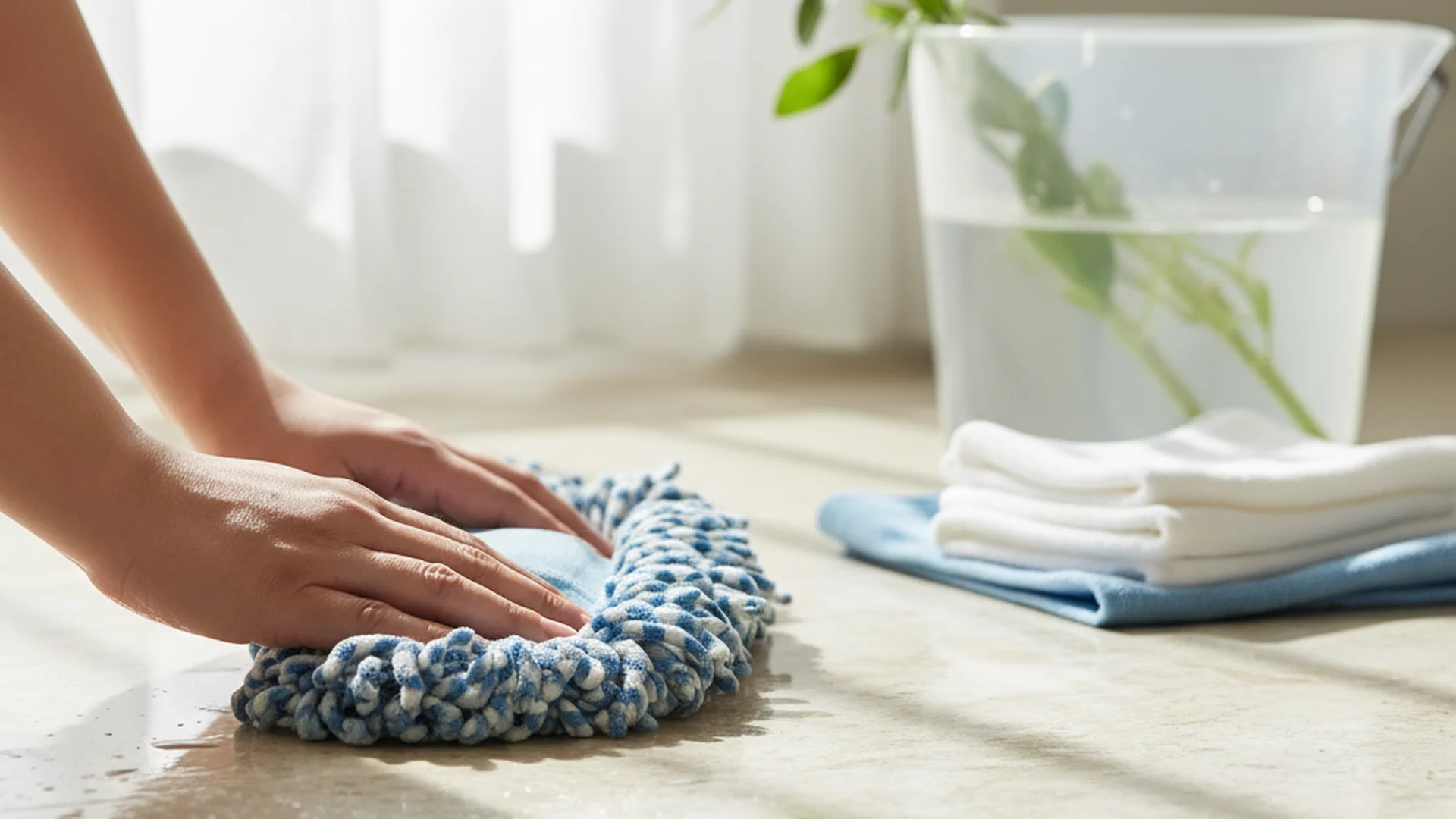
Imagine you spill a full cup of black coffee on your white-chip terrazzo. Even if the floor is sealed, coffee is acidic. In this scenario, you should blot (not wipe) the spill immediately with a paper towel. Follow up with a damp microfiber cloth and a drop of pH-neutral soap. Because modern sealers are "stain-resistant" rather than "stain-proof," speed is your best friend.
Example 2: The High-Traffic Muddy Entryway
During a rainy spring day, your entryway may become covered in mud and grit. The best approach here is to let the mud dry slightly, vacuum up the large particles using a hard-floor setting (no beater bar!), and then perform a "double-rinse" mop. Mop once with your cleaning solution, and then a second time with just water to ensure no outdoor pollutants are left behind.
Example 3: Refreshing a 1960s Cement Floor
If you've just uncovered an old cement-based terrazzo floor under carpet, it will likely be dull. In this case, "cleaning" isn't enough. You will need a professional regrind and a new application of a high-quality sealer. Once restored, maintenance shifts to the "Less is More" daily dusting routine to keep that vintage shine.
Recent Trends in Terrazzo Maintenance (2025–2026)
The world of flooring aesthetics is shifting. In 2025, we are seeing a significant move away from high-gloss, mirror-like finishes toward honed (matte) finishes. This is great news for homeowners because matte finishes hide dust, minor scratches, and footprints much better than high-gloss surfaces.
Additionally, as designers move toward warm earth tones like terracotta and honey-colored aggregates for 2026, the demand for "non-yellowing" sealers has skyrocketed. Always check that your maintenance products are UV-stable and won't turn your beautiful warm-toned floor into a muddy yellow mess over time.
Success: By sticking to a pH-neutral routine and utilizing modern robot mops for daily grit removal, you can keep your terrazzo looking brand new for decades without the need for expensive professional restoration.
Frequently Asked Questions
Can I use vinegar to clean my terrazzo?
How often should I seal my terrazzo floors?
Can I use a steam mop on terrazzo?
Is terrazzo slippery when wet?
Conclusion
Mastering how to clean terrazzo is a matter of choosing the right tools over brute force. By avoiding acids, embracing the microfiber mop, and ensuring a clean-water rinse, you protect the massive lifecycle value of your flooring. Whether you are leaning into the matte trends of 2025 or maintaining a classic high-gloss shine, your terrazzo will remain a stunning centerpiece of your home for generations to come.
Cleaning that keeps score
Every task earns points, every streak multiplies them, and Premium adds a household leaderboard plus a monthly Dustagorgon to beat.
- Free forever
- 30 badges to earn
- Up to 6 in a household
No card needed. Set up your rooms in a couple of minutes.