In this article
What you’ll learn
- The kitchen sink is often the most contaminated area in the home, requiring weekly deep cleans.
- Natural methods using baking soda and vinegar are safer and more effective than harsh chemicals.
- Modern 2025-2026 trends favor steam cleaning and probiotic-based drain maintenance.
For many homeowners, the kitchen is the heart of the home, but the sink is the engine room that keeps everything running. However, learning how to clean kitchen sink surfaces properly is about more than just maintaining a sparkling finish; it is a critical necessity for household hygiene. From raw chicken juices to coffee grounds, the sink endures a constant barrage of organic waste, making it a hotspot for bacterial growth. In fact, a neglected sink can end up more contaminated than your bathroom.
Why Your Sink Needs More Attention
Most people assume that because water and soap pass through the sink constantly, it is "self-cleaning." This is a dangerous misconception. The kitchen sink is frequently the "germiest" place in the entire home, and the bacterial load in the basin and drain can easily outstrip that of the toilet seat.
As we move through 2025, the focus on home hygiene has shifted toward sustainability. Shoppers increasingly want cleaning products that are gentler on the planet. This shift has led to a massive resurgence in learning how to clean kitchen sink naturally, moving away from corrosive chemicals that damage our plumbing and the environment.
Tip: Always clear out dishes and food scraps immediately after meals to prevent the "biofilm" buildup that traps bacteria.
How to Clean Kitchen Sink Naturally: The Step-by-Step Method
If you want to know how to clean kitchen sink without chemicals, the secret lies in two pantry staples: baking soda and white vinegar. This combination provides a mechanical and chemical reaction that lifts stains and kills mild bacteria without damaging the finish of your sink.
Step 1: The Initial Rinse and Prep
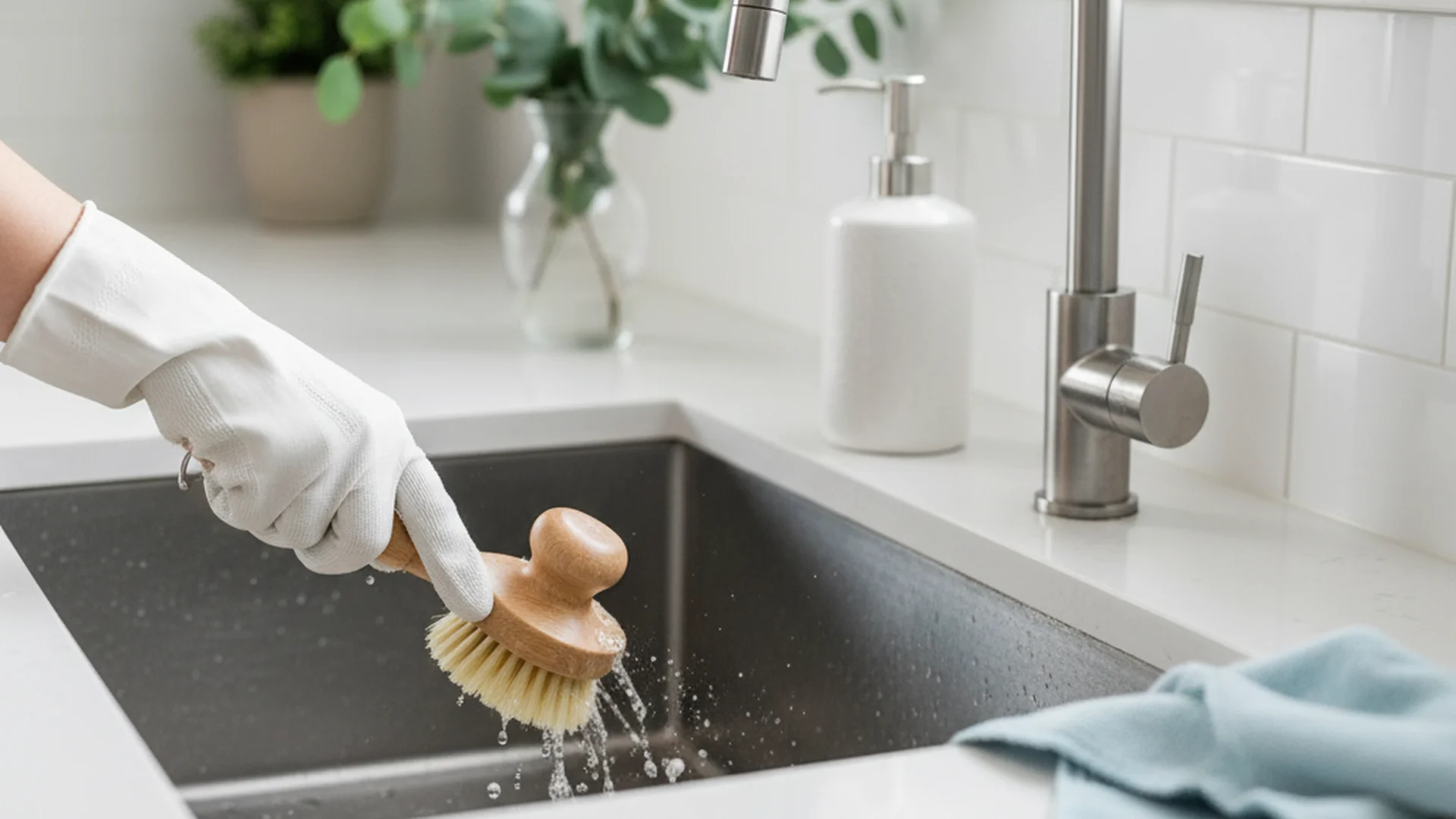
Before you begin scrubbing, clear the basin entirely. Remove the drain strainer and any drying racks. Rinse the entire surface with warm water to loosen any dried-on food particles.
Step 2: The Baking Soda Scrub
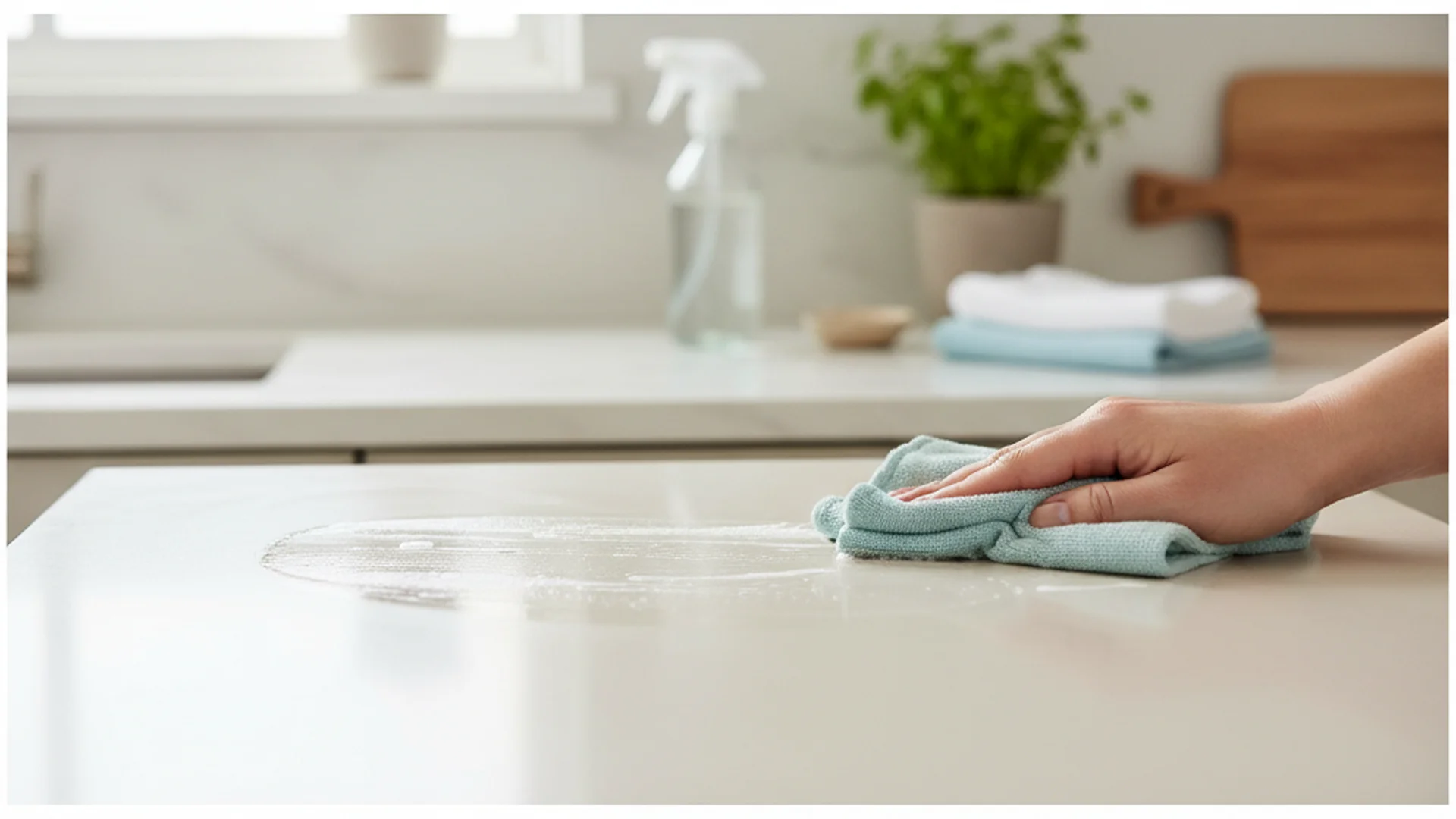
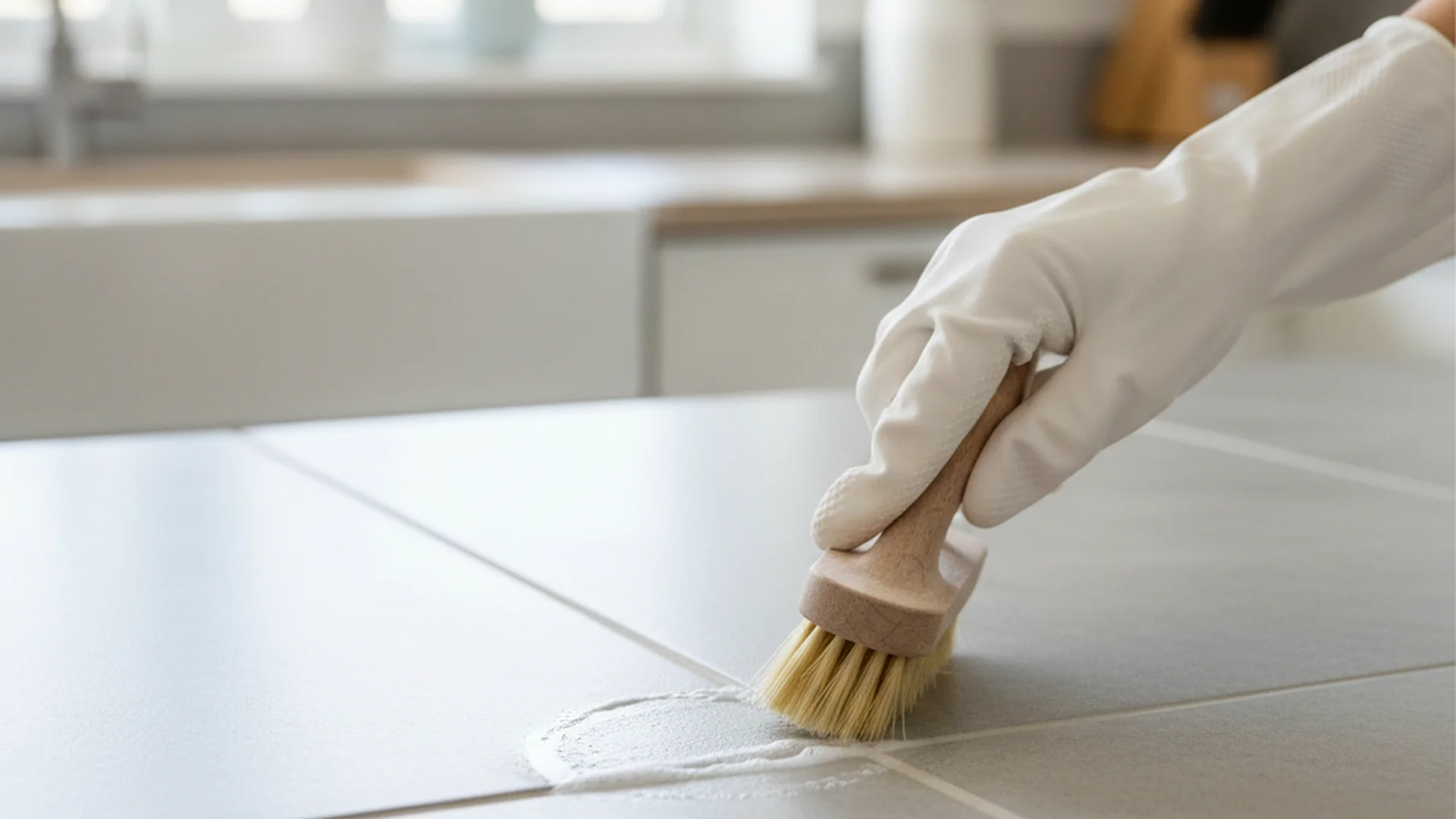
Sprinkle a generous layer of baking soda over the damp surface. Baking soda is a mild abrasive, meaning it is tough enough to lift stuck-on grease but gentle enough not to scratch stainless steel or ceramic. Use a soft microfiber cloth or a sponge to scrub in circular motions.
Step 3: The Vinegar Reaction
Once the sink is coated in baking soda, spray white vinegar directly onto the powder. You will see a fizzing action. This is the carbon dioxide gas being released, which helps physically lift grime out of microscopic scratches in the sink’s surface. Let this sit for 5 to 10 minutes.
Step 4: The Final Rinse and Dry
Rinse the sink with hot water. This is the most crucial step for a professional finish: Dry the sink completely with a soft towel.
Success: Drying your sink after cleaning prevents mineral deposits (water spots) from forming, which is the secret to that "showroom" shine.
Material-Specific Care Guide
Not all sinks are created equal. Using the wrong method on a premium material can lead to permanent damage. High-quality sinks are designed to last 15–30 years, but improper cleaning can cut that short dramatically.
| Sink Material | Recommended Cleaner | What to Avoid |
|---|---|---|
| Stainless Steel | Baking Soda & Olive Oil | Bleach & Steel Wool |
| Quartz/Composite | pH-Neutral Dish Soap | Vinegar & Acidic Cleaners |
| Ceramic/Fireclay | Magic Eraser & Lemon | Heavy Impact & Abrasives |
| Copper | Salt & Lemon (or just soap) | Harsh Scouring Pads |
Special Care for Quartz and Composite
If you have a modern quartz or granite composite sink, you must be careful with acidic cleaners. While vinegar is great for stainless steel, the resin binders in composite sinks can eventually dull if exposed to high acidity over several years. Stick to mild dish soap and warm water for daily maintenance.
Warning: Never use bleach on stainless steel. Most manufacturers advise against it because the chloride in bleach can cause "pitting" and permanent corrosion.
Advanced Cleaning Trends for 2025–2026
The cleaning industry is undergoing a high-tech transformation. If you are looking to upgrade your maintenance routine, consider these emerging trends that focus on efficiency and "smart" hygiene.
The Steam Cleaning Revolution
Handheld steam cleaners have become a top-tier tool for 2026. High-heat steam (reaching over 212°F) kills 99.9% of bacteria and viruses without a single drop of detergent. It is especially effective for cleaning the "gunge" out of the rim where the sink meets the countertop.
Probiotic and Enzyme Cleaners
We are seeing a move toward "Microbiome-Friendly" cleaning. Instead of "killing everything," probiotic cleaners introduce "good bacteria" that stay in your drain and "eat" organic matter (like grease and hair) over time. This prevents clogs and odors at the source.
Hydrophobic Nano-Coatings
Premium sinks in 2025 now often come with factory-applied nano-coatings. These coatings repel water and food particles, much like a non-stick pan. If your sink is older, you can apply an aftermarket hydrophobic spray that makes cleaning as simple as a five-second rinse.
UV-C Sterilization
New "Smart Sinks" feature integrated UV-C light compartments near the faucet or under the rim. These lights automatically cycle on to disinfect the drain area, which is notoriously difficult to reach with a brush.
Real-World Examples of Sink Maintenance
Example 1: The "Coffee Stain" Rescue
A homeowner with a white ceramic sink noticed deep brown rings from morning coffee. Instead of using bleach, they applied a paste of baking soda and lemon juice. After sitting for 15 minutes, the stains lifted effortlessly, and the lemon left a natural, fresh scent.
Example 2: The "Old Sink" Revival
During a kitchen renovation, an old 1980s stainless steel sink appeared dull and scratched. The owner used the "Natural Deep Clean" method followed by a "buffing" stage using two drops of olive oil on a microfiber cloth. The oil filled in micro-scratches and restored the original luster.
Example 3: The "Smelly Drain" Fix
A family noticed a persistent "rotten egg" smell. Instead of using a chemical drain opener, they poured half a cup of baking soda followed by a cup of hot vinegar down the drain, then flushed it with "very hot" tap water. The odor was neutralized instantly without damaging their PVC pipes.
Note: For PVC pipes, avoid "boiling" water (212°F) as it can soften the glue in the joints. Use "very hot" tap water instead.
Common Mistakes to Avoid
Even well-intentioned cleaning can go wrong. Avoid these common pitfalls to keep your kitchen hygienic and your plumbing intact.
- Pouring Grease Down the Drain: This is the leading cause of "fatbergs" in home plumbing. Even if you flush it with hot water, the grease will eventually cool and congeal deep in your pipes. Always dispose of grease in a separate jar.
- Neglecting the "Hidden" Spots: Most people clean the basin but forget the faucet aerator, the underside of the rim, and the garbage disposal splash guard. These are the primary breeding grounds for mold.
- Using Abrasive Tools: Steel wool creates microscopic scratches. While the sink looks clean, those scratches become "apartments" for bacteria, making the sink harder to sanitize in the future.
- The "Bleach" Myth: Bleach is a powerful disinfectant, but it is not a cleaner. It doesn't remove grease or grime; it just "whitens" it. Furthermore, it can strip the protective chromium oxide layer off stainless steel, leading to rust.
Frequently Asked Questions
How often should I clean my sink?
Can I use bleach on my stainless steel sink?
Is it safe to put boiling water down the drain?
How do I get rid of sink odors?
What is the best way to prevent water spots?
Conclusion
Understanding how to clean kitchen sink surfaces is a fundamental skill for any homeowner. By choosing natural methods over harsh chemicals, you not only protect the longevity of your fixtures but also contribute to a healthier, more sustainable home environment. Whether you are using the tried-and-true baking soda method or investing in 2026 technology like UV-C sterilization, consistency is the key to a germ-free kitchen.
Keep your sink dry, avoid the "grease trap" trap, and remember that a clean sink is the first step toward a healthy meal.
Success: By following these natural steps, you can extend your sink's lifespan by up to 15 years while keeping your family safe from foodborne bacteria.
Cleaning that keeps score
Every task earns points, every streak multiplies them, and Premium adds a household leaderboard plus a monthly Dustagorgon to beat.
- Free forever
- 30 badges to earn
- Up to 6 in a household
No card needed. Set up your rooms in a couple of minutes.