In this article
What you’ll learn
- Use a flat-weave microfiber cloth rather than paper towels or newspaper.
- Avoid spraying the mirror directly to prevent edge corrosion (desilvering).
- Master the "S-pattern" and "two-cloth" techniques for a perfect finish.
There is nothing more frustrating than spending twenty minutes scrubbing a bathroom vanity only to see a spiderweb of streaks the moment the sun hits the glass. Whether you are dealing with toothpaste splatters, hairspray residue, or the persistent fog of a morning shower, learning how to clean mirrors effectively is a fundamental home maintenance skill. In 2025, as our homes become more integrated with technology and high-end design, the methods we use to maintain these reflective surfaces have evolved beyond the simple "blue spray and a paper towel" approach.
Understanding the Mirror Cleaning Renaissance
Approximately 39% of consumers now prefer DIY cleaning solutions over commercial chemical sprays. This shift isn't just about saving money; it’s about effectiveness.
Many commercial glass cleaners contain soaps and scents that leave a microscopic film on the glass—this is the primary culprit behind those stubborn streaks.
The Essential Toolkit: Why the Pros Skip the Windex
If you want the best way how to clean mirrors, you need to start with the right materials. The professional standard has shifted away from traditional paper products.
The Problem with Paper and Newsprint
While your grandmother might have sworn by using old newspapers, modern newspaper production has transitioned to soy-based inks. These inks can actually liquefy when they hit cleaning solutions, leaving gray smudges and residue on your glass. Paper towels are equally problematic; they are abrasive on a microscopic level and shed "micro-lint" that sticks to the glass through static electricity.
The DIY "Power Mix" Recipe
Professionals recommend a fast-drying, residue-free solution you can make at home. This mix is designed to cut through grease while evaporating quickly enough to prevent streaks:
- 1 cup distilled water: Using distilled water is vital because tap water contains minerals (like calcium and magnesium) that leave spots.
- 1 cup rubbing alcohol (70% isopropyl): This is the secret to how to clean mirrors quickly. It accelerates evaporation.
- 1 tablespoon white vinegar: The acidity cuts through the alkaline residue left by soap and hard water.
Note: Only "flat-weave" microfiber cloths, often specifically labeled as "glass cleaning cloths," should be used. Plush or "fuzzy" microfibers are great for dusting furniture, but they will leave tiny fibers on your mirror.
Step-by-Step: The Best Way How to Clean Mirrors
Follow this professional sequence to achieve a "ghost-like" transparency on your glass.
Step 1: Pre-Clean the Dust
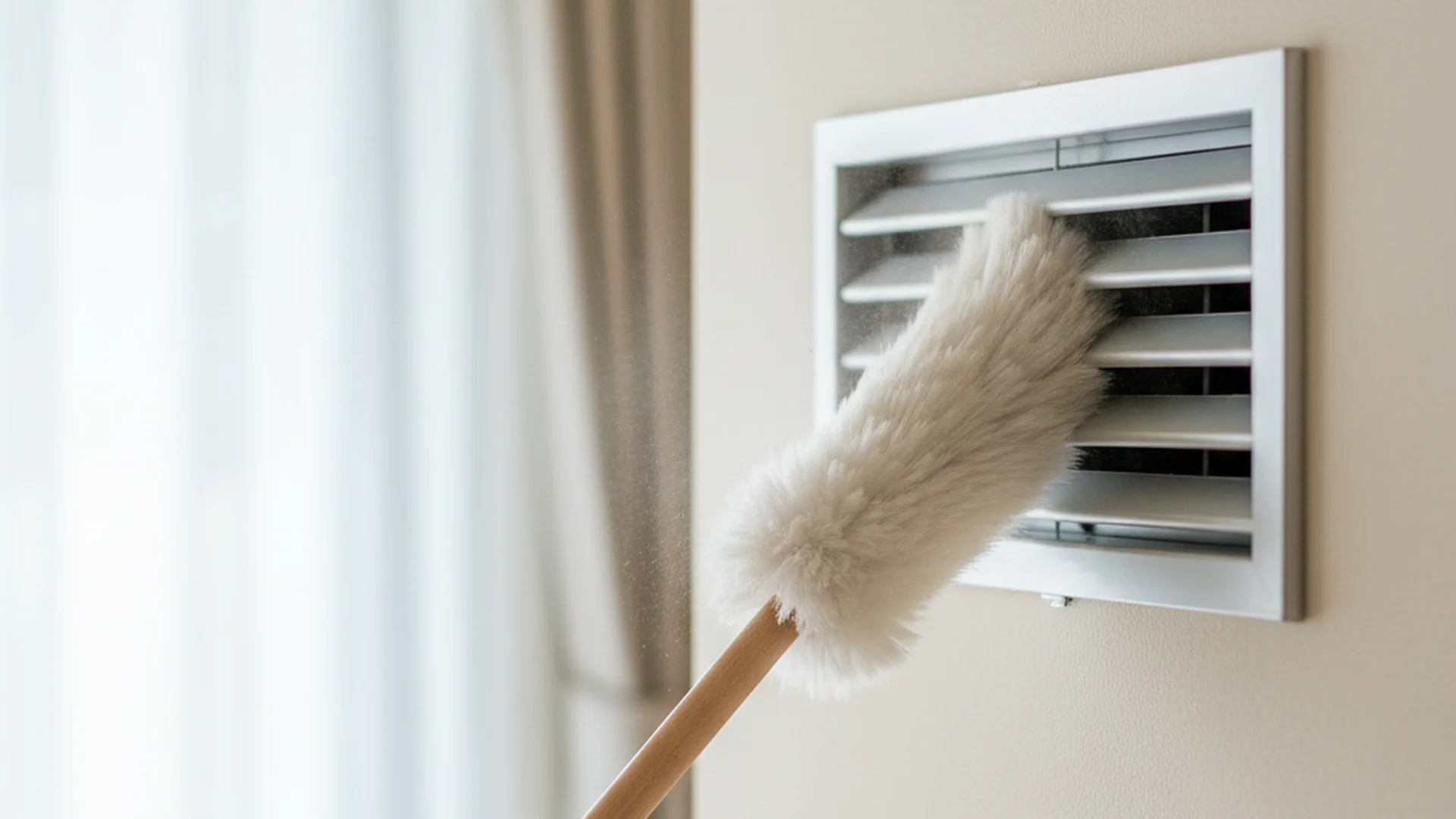
Never apply liquid to a dusty mirror. If you mix cleaning solution with a layer of dry dust, you create a "muddy" slurry that is much harder to remove. Use a dry duster or a clean, dry microfiber cloth to wipe the entire surface first.
Step 2: Spot-Treat the Tough Grime
Before cleaning the whole surface, look for specific "problem areas" like dried toothpaste, makeup spots, or hairspray.
Tip: Dip a cotton pad in pure rubbing alcohol and rub it directly onto stubborn spots. This breaks down the sticky polymers in hairspray that standard cleaners can't touch.
Step 3: Spray the Cloth, Not the Glass
This is perhaps the most important rule in modern mirror maintenance.
Warning: Never spray cleaning solution directly onto the mirror. Liquid can run down the glass and pool behind the bottom frame. Over time, this causes "desilvering"—those permanent black spots that appear around the edges of the mirror when the silver backing corrodes.
Step 4: The S-Pattern Technique
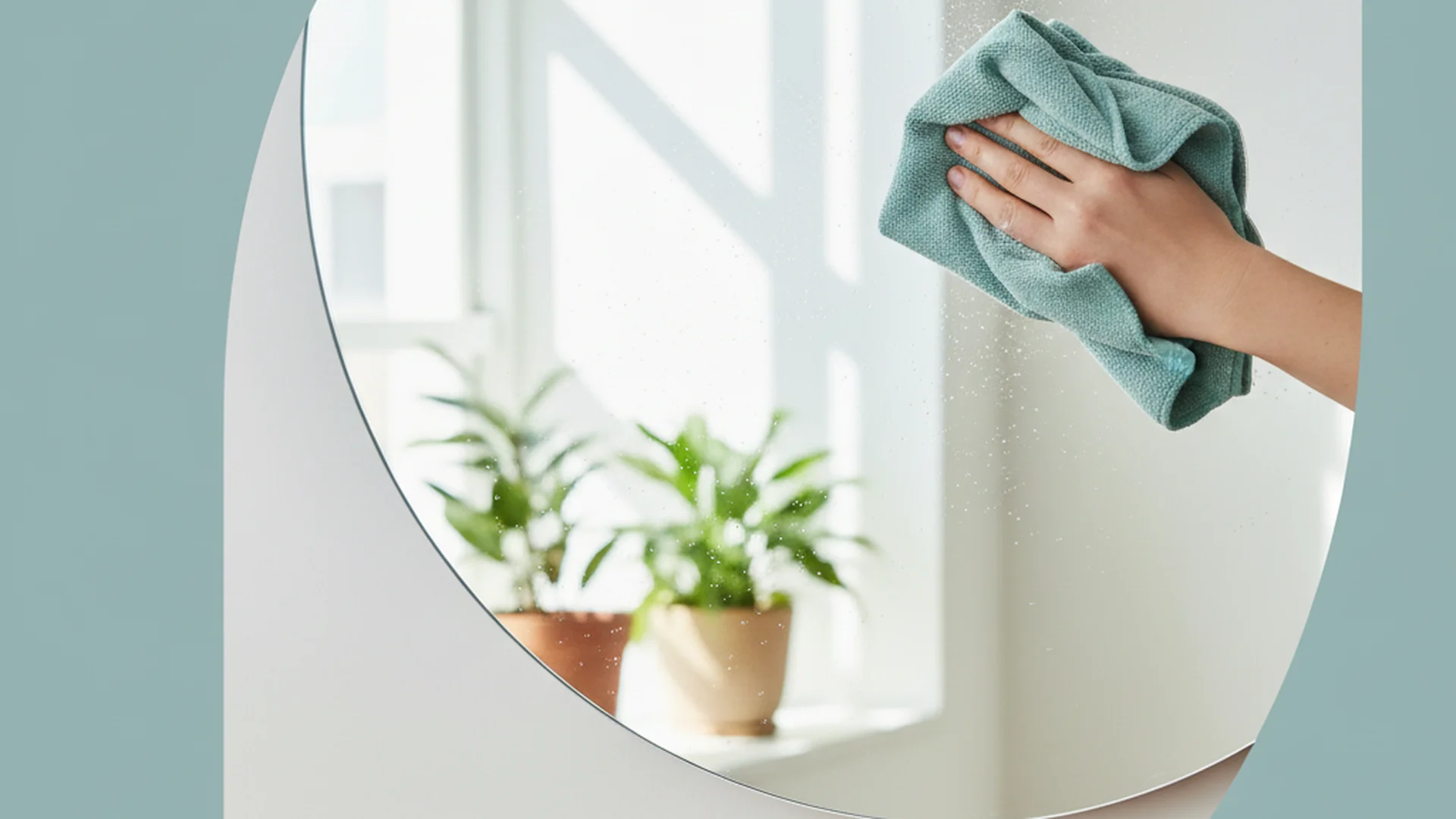
Instead of wiping in circles, which simply redeposits dirt you just picked up, use the "S-pattern." Start at the top left corner and wipe across to the right, then swoop down and back to the left in one continuous motion. This ensures you are always moving the grime toward the bottom of the mirror.
Step 5: The Two-Cloth Buff
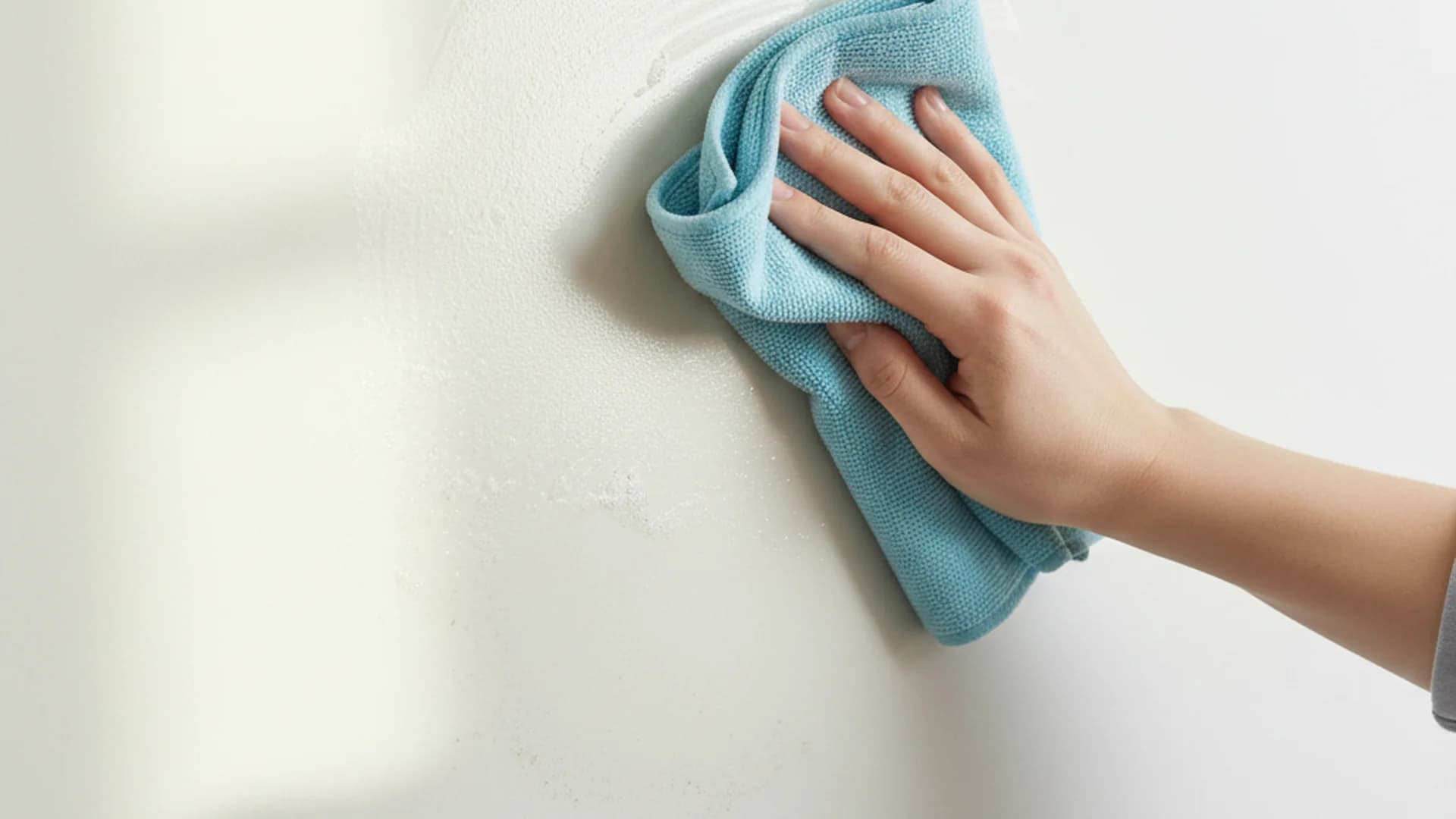
Once you have finished your S-pattern with the damp cloth, immediately follow up with a second, completely dry flat-weave microfiber cloth. Buff the surface in small, rapid circles to polish the glass. This removes any lingering moisture before it has a chance to air-dry into a streak.
Real-World Examples: Handling Different Mirror Types
Example 1: The Steam-Prone Bathroom Mirror
In a small, humid bathroom, mirrors often develop a cloudy film from soap aerosols. To combat this, use the 50/50 water-and-vinegar mix with a single drop of dish soap. The soap acts as a surfactant, creating a barrier that prevents steam from clinging to the glass for several days.
Example 2: The Large Gym or Hallway Mirror
When dealing with massive surface areas, efficiency is key. To clean these mirrors quickly, use two hands. Hold the damp cloth in your dominant hand and the dry buffing cloth in the other. Follow your damp stroke immediately with the dry one to prevent the solution from drying mid-way through the job.
Example 3: The 2026 Smart Mirror or LED Vanity
Modern mirrors with integrated LEDs or touchscreens require extreme caution. Many of these utilize acrylic diffusers or sensitive electronic components. For these, skip the vinegar entirely and use only distilled water on a microfiber cloth. The vinegar can sometimes react with the plastics or coatings used on smart glass.
Common Mistakes to Avoid
- Cleaning in Direct Sunlight: The heat from the sun causes your solution to evaporate too quickly. This leaves "phantom streaks" that are nearly impossible to buff out until the glass cools down.
- Over-Using Dish Soap: While a single drop helps cut grease, adding too much creates suds. Once those suds dry, they leave a hazy, milky film.
- Neglecting the Edges: In 2026, "organic" and wavy-shaped mirrors are a major design trend. These irregular curves are magnets for dust. Ensure you use the edge of your cloth to get deep into the crevices where the glass meets the frame.
Frequently Asked Questions
How do I prevent bathroom mirrors from fogging up?
Why is my mirror developing black spots around the edges?
Can I use newspaper to clean mirrors?
How do I remove hard water stains?
Conclusion
Mastering how to clean mirrors is less about the brand of cleaner you buy and more about the technique you employ. By moving away from abrasive paper towels and switching to a "two-cloth" microfiber system with a distilled water and alcohol solution, you can achieve professional results in minutes. As we move into 2026, taking care of our reflective surfaces—especially our high-tech smart mirrors—requires a delicate touch and an eye for detail.
Success: By following the S-pattern and using distilled water, you will eliminate 99% of common streaking issues, leaving your mirrors virtually invisible.
Cleaning that keeps score
Every task earns points, every streak multiplies them, and Premium adds a household leaderboard plus a monthly Dustagorgon to beat.
- Free forever
- 30 badges to earn
- Up to 6 in a household
No card needed. Set up your rooms in a couple of minutes.