In this article
What you’ll learn
- Grease buildup is a major fire hazard and reduces suction efficiency by 30%.
- The "Hot Soak" method with baking soda is the gold standard for filters.
- New 2026 probiotic cleaners provide 72 hours of residual grease-eating action.
Did you know that cooking fires are the leading cause of home fires, accounting for 44% of all residential incidents? Even more shocking is that oil, fat, and grease are the initial fuel sources in over half of these fires. If you haven't looked at your ventilation system lately, learning how to clean range hood components is more than just a cosmetic chore—it is a critical safety measure for your home. Beyond fire safety, a neglected hood can lose over 30% of its suction efficiency, leaving your kitchen smelling like last night’s fish and allowing harmful PM2.5 particulates to linger in your air.
Why Range Hood Maintenance Matters in 2025
As we move into 2026, the focus on indoor air quality has never been higher. Modern homes are built to be airtight, meaning your range hood is the primary defense against airborne grease and combustion byproducts. When the mesh filters become saturated, the motor has to work significantly harder, often increasing noise levels to over 70 dB—equivalent to a vacuum cleaner running right above your stove.
By maintaining a regular cleaning schedule, you not only extend the life of your appliance but also significantly reduce the risk of a flash fire. Residential kitchen fires cause nearly $1.5 billion in property damages annually; a simple 20-minute soak can prevent your home from becoming a statistic.
The "Hot Soak" Method: The Gold Standard for Filters
The heart of your range hood is the filter. Whether it is a baffle filter or a mesh screen, this is where the heaviest grease accumulates. Experts agree that the "Hot Soak" is the most effective way to tackle this without exhausting yourself with scrubbing.
Step 1: Preparation and Extraction
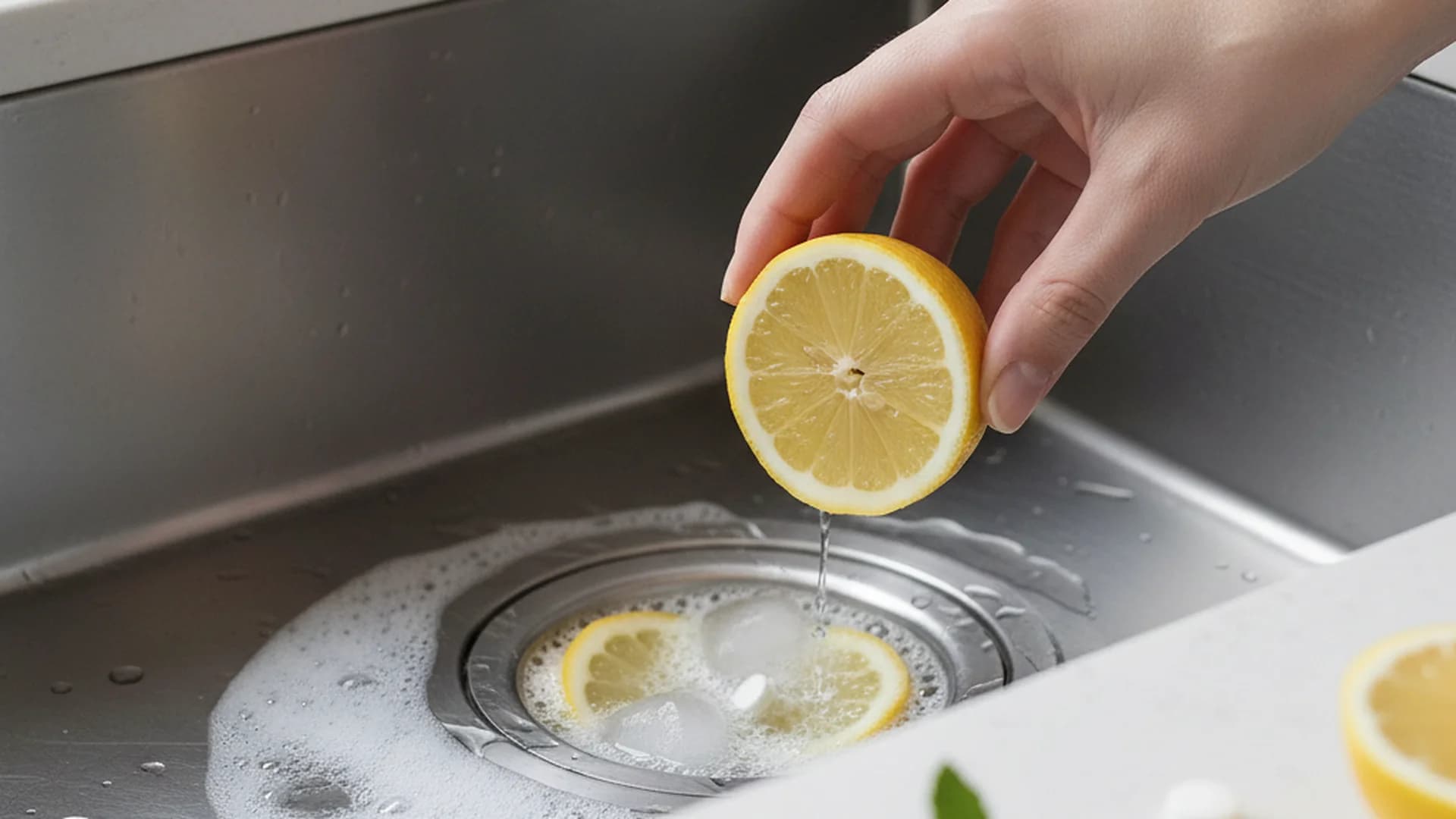
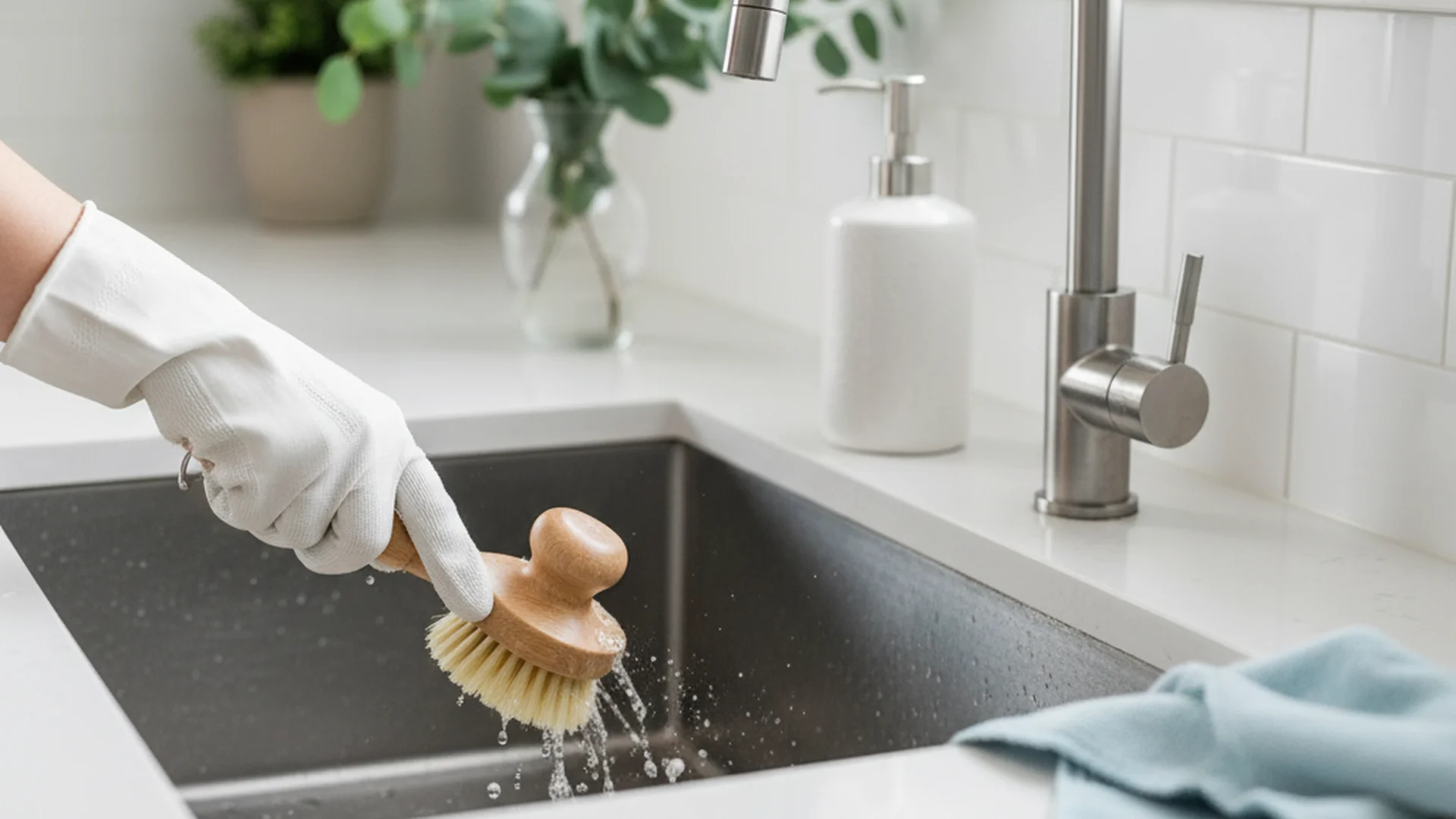
Pop the filters out of the hood. Most have a small metal tab or a sliding mechanism. Fill your sink or a heatproof plastic bin with boiling water.
Warning: Never use boiling water in a porcelain or fireclay sink without first placing a protective mat down, as the extreme temperature change can cause "crazing" or small cracks in the finish.
Step 2: The Alkaline Mix
Add ¼ cup of baking soda and a generous squirt of a high-quality degreasing dish soap. The heat of the water combined with the alkalinity of the baking soda creates a chemical reaction that emulsifies the grease, turning it into a soapy residue that washes away easily.
Step 3: Dwell Time
Let the filters soak for at least 15 to 20 minutes. You will see the water turn a murky brown as the grease lifts. For extremely neglected filters, you may need to repeat this process twice.
Success: If the grease is still stubborn, use a soft nylon brush to gently agitate the mesh. The grease should slide right off without the need for harsh pressure.
How to Clean Range Hood Naturally and Without Chemicals
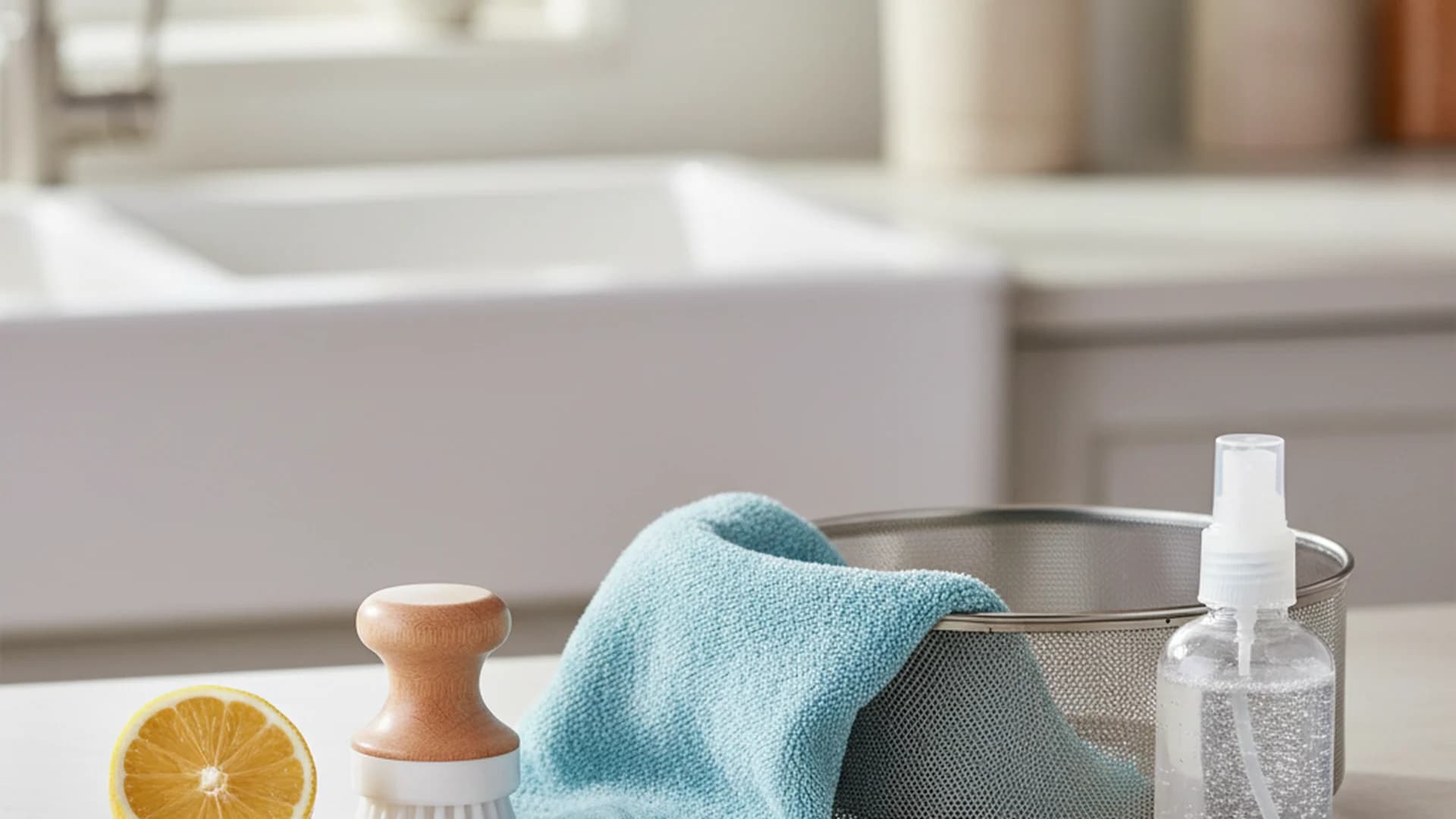
Many homeowners are moving away from harsh caustic cleaners in favor of green alternatives. If you want to know how to clean range hood naturally, you likely already have the ingredients in your pantry.
The Baking Soda Paste Method
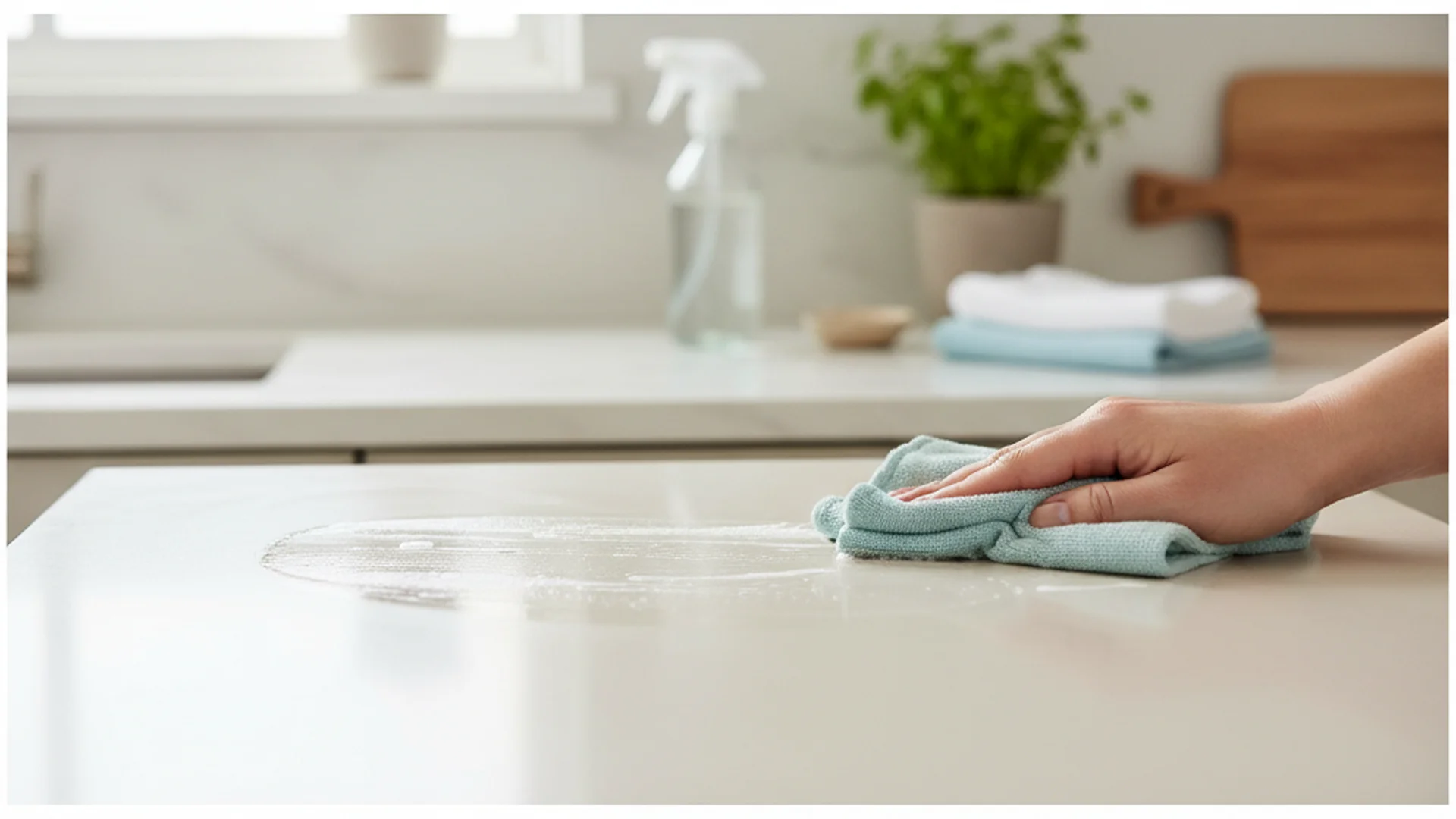
For the interior housing of the hood, where sprays might drip onto your stove, a paste is your best friend. Mix baking soda with a tiny amount of water until it reaches the consistency of toothpaste.
- Apply the paste to the greasy interior walls.
- Let it sit for 15 minutes.
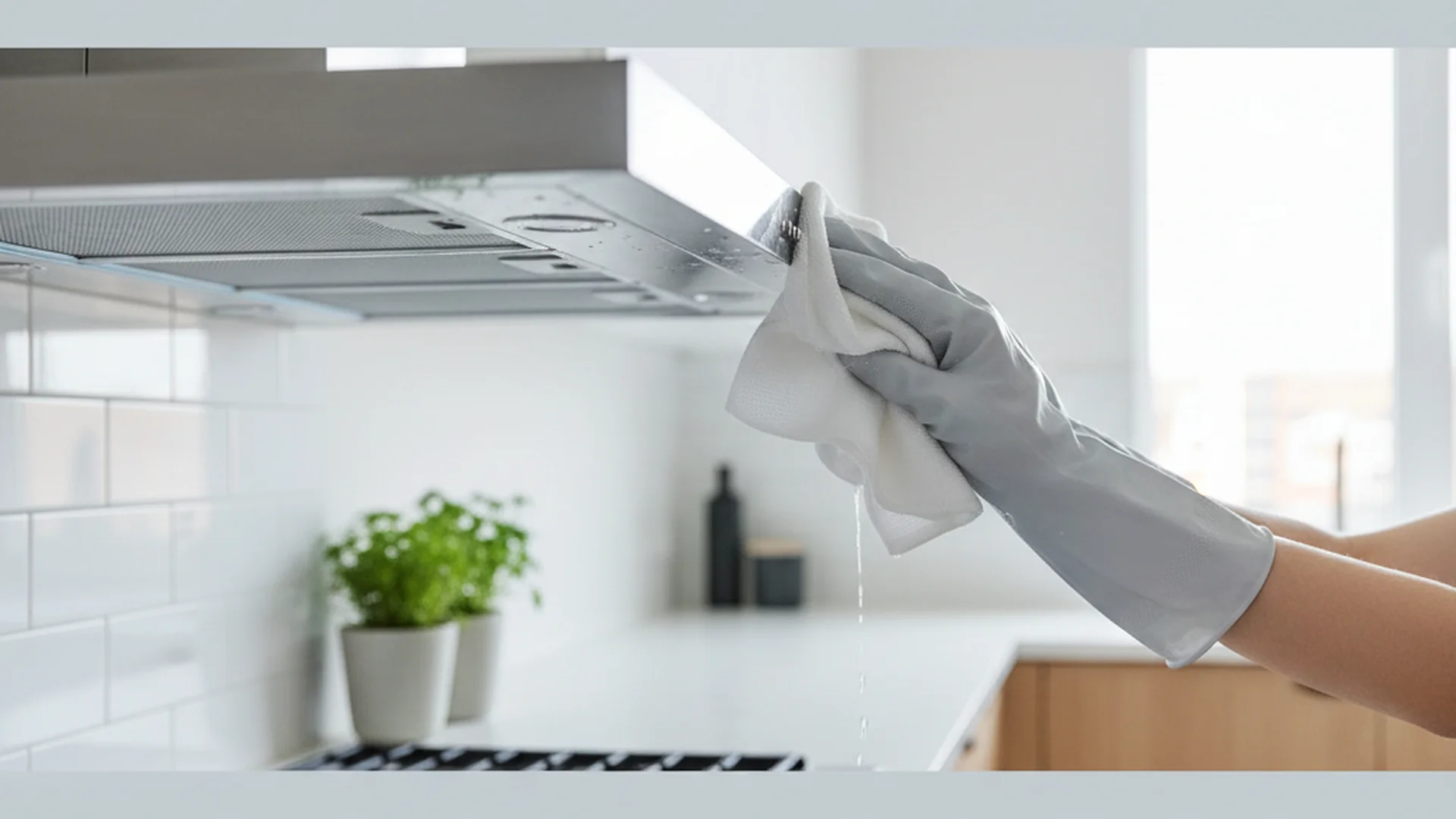
- Wipe away with a damp microfiber cloth.
The Power of Steam
If you are looking for how to clean range hood without chemicals entirely, a handheld steam cleaner is the ultimate 2026 tool. The pressurized high-heat steam melts grease in hard-to-reach corners and fan blades that a cloth simply cannot reach.
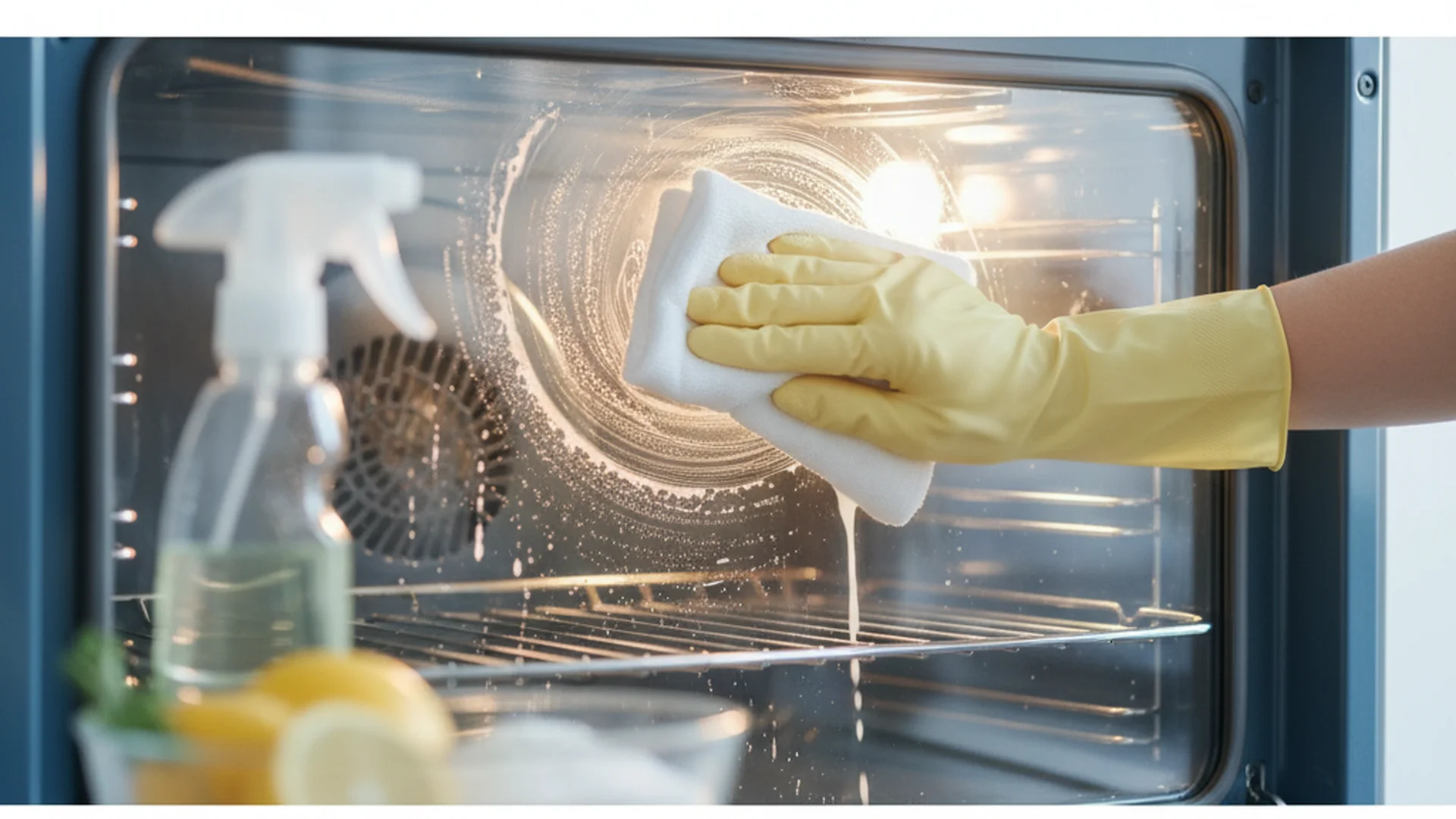
Tip: After steaming, follow up with a 50/50 water-and-white-vinegar solution to polish the surface. Vinegar is excellent for cutting through the final "fog" of grease and leaving a streak-free shine on stainless steel.
2025-2026 Trends: Probiotics and Smart Sensors
The world of home maintenance is evolving. In 2025, we have seen the rise of probiotic degreasers. Unlike traditional cleaners that stop working the moment you wipe them away, probiotic cleaners (like those from Lively or Clean Living International) contain beneficial bacteria. These microscopic cleaners continue to "eat" the grease layers for up to 72 hours after application.
Furthermore, 2026 range hood models are now being released with integrated IoT air-quality sensors. These sensors monitor the saturation point of your filters and the level of PM2.5 in your kitchen. Instead of guessing when to clean, your hood will send a push notification to your smartphone when efficiency drops below a certain threshold.
Cleaning the "Sticky" Exterior
We have all felt it: that tacky, dust-grabbing film on the outside of the hood. Surprisingly, the best way to remove old oil is with new oil.
- The Oil Lift: Put a few drops of olive oil or mineral oil on a microfiber cloth.
- Buffing: Rub the oily cloth over the sticky spots. The fresh oil breaks the chemical bonds of the old, hardened grease.
- The Polish: Wipe away the excess with a clean cloth and a splash of vinegar.
Note: Always wipe in the direction of the "grain" if you have a stainless steel hood to prevent micro-scratching.
Expert Maintenance Schedule
| Usage Level | Cooking Style | Filter Cleaning Frequency |
|---|---|---|
| Heavy | Daily frying, searing, wok cooking | Every 2 weeks |
| Standard | Boiling, light sautéing, baking | Every 1–2 months |
| Light | Microwave-heavy, occasional cooking | Every 3–4 months |
Common Mistakes to Avoid
- Wiping only the visible areas: Many homeowners clean the exterior but ignore the fan housing and the entrance to the duct. This is where hidden grease fires often start.
- Using abrasive pads: Never use steel wool or "green" scouring pads on stainless steel or aluminum. These leave permanent scratches that will eventually trap even more grease.
- Neglecting charcoal filters: If you have a ductless (recirculating) hood, you likely have charcoal filters. These cannot be washed. They must be replaced every 3–6 months, or they will simply blow grease back into your kitchen.
- Pouring grease down the drain: After your "Hot Soak," the water is a slurry of liquefied fat. Let the water cool, and use a paper towel to wipe the grease scum from the sink before letting it drain to avoid a massive plumbing bill.
Troubleshooting: Noise and Suction Issues
If your range hood is still noisy or underperforming after you’ve cleaned the filters, the problem might be the blower wheel (the fan blades). Over time, grease can settle unevenly on the blades, causing the motor to become imbalanced.
Example Scenario: A homeowner in Seattle reported a "clunking" sound in their 2024 model hood. Upon inspection, they found a thick "grease stalactite" hanging from one side of the fan blade. Once cleaned with a probiotic spray and a soft brush, the noise level dropped by 15 decibels.
Frequently Asked Questions
Can I put my filters in the dishwasher?
Why is my range hood still noisy after cleaning?
How do I know if I have a ductless hood?
Is vinegar enough to degrease a hood?
Conclusion
Cleaning your range hood is one of the most impactful maintenance tasks you can perform in your kitchen. Not only does it keep your air fresh and your motor running quietly, but it also provides a vital layer of protection against house fires. By adopting the "Hot Soak" method and perhaps experimenting with the latest probiotic cleaners, you can keep your kitchen a safe, high-performance environment.
Success: A clean range hood can increase air filtration efficiency by up to 30%, significantly improving the indoor air quality of your home.
Cleaning that keeps score
Every task earns points, every streak multiplies them, and Premium adds a household leaderboard plus a monthly Dustagorgon to beat.
- Free forever
- 30 badges to earn
- Up to 6 in a household
No card needed. Set up your rooms in a couple of minutes.