In this article
What you’ll learn
- Microwaves harbor a surprising range of bacteria and require regular sanitization.
- The steam method with vinegar or lemon is the safest way to clean without chemicals.
- Never use abrasive tools or spray liquids directly onto the control panel.
For many of us, the microwave is the hardest-working appliance in the kitchen. From reheating morning coffee to defrosting dinner, it’s a constant companion in our daily routines. However, despite its frequent use, it is often one of the most neglected areas when it comes to hygiene. Many homeowners assume that the high-frequency radio waves inside the unit kill all germs, but that simply isn't the case.
If you are wondering how to clean microwave units effectively, you’ve come to the right place. In this guide, we will explore why keeping this appliance clean is a matter of health, not just aesthetics, and how to clean microwave naturally using eco-friendly solutions that are safe for your family.
Why the "Microwave Microbiome" Exists
A common misconception is that the radiation inside a microwave creates a sterile environment. In reality, domestic microwaves play host to a wide variety of bacteria.
Some of these are "extremophiles"—bacteria that have specifically adapted to survive radiation and high heat. Common pathogens found include Klebsiella and Enterococcus, both of which are linked to food-borne illnesses. This means that if you aren't cleaning your microwave regularly, you aren't just looking at unsightly food splatters; you are potentially contaminating your next meal.
Note: Aim for a "Mini Steam Clean" once a week and a comprehensive deep clean once a month to manage these bacterial populations.
How to Clean Microwave Naturally: The Steam Method
If you want to know how to clean microwave without chemicals, the "Steam Method" is the gold standard. This technique uses the power of evaporation to loosen "fatty-acid matrices" (the scientific term for baked-on grease) without the need for scrubbing.
Step 1: Prepare Your Solution
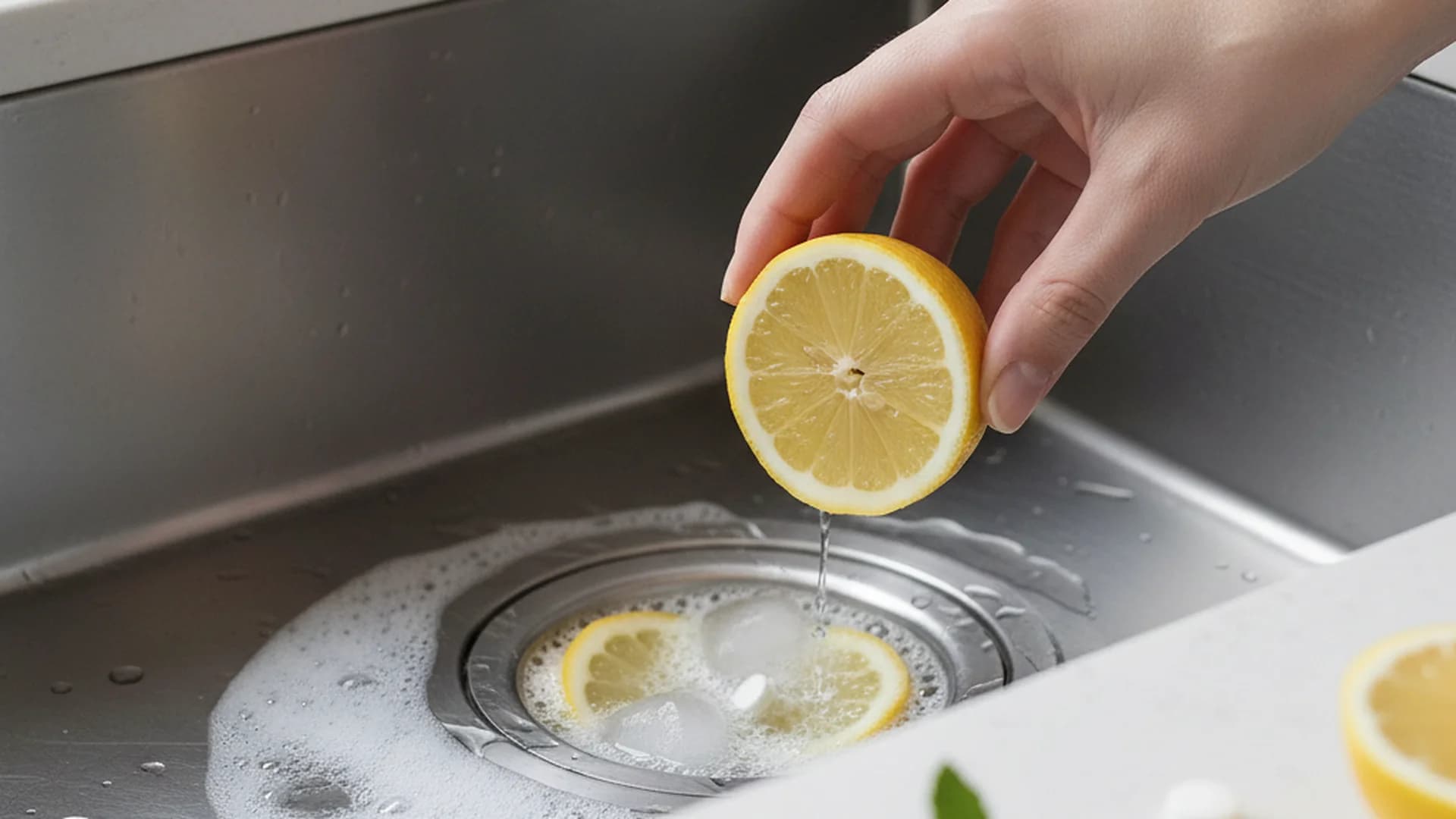
Choose your cleaning agent. White vinegar is the most effective degreaser because its acetic acid breaks down organic matter. If you prefer a better scent, lemon is an excellent alternative.
Step 2: The Heating Cycle
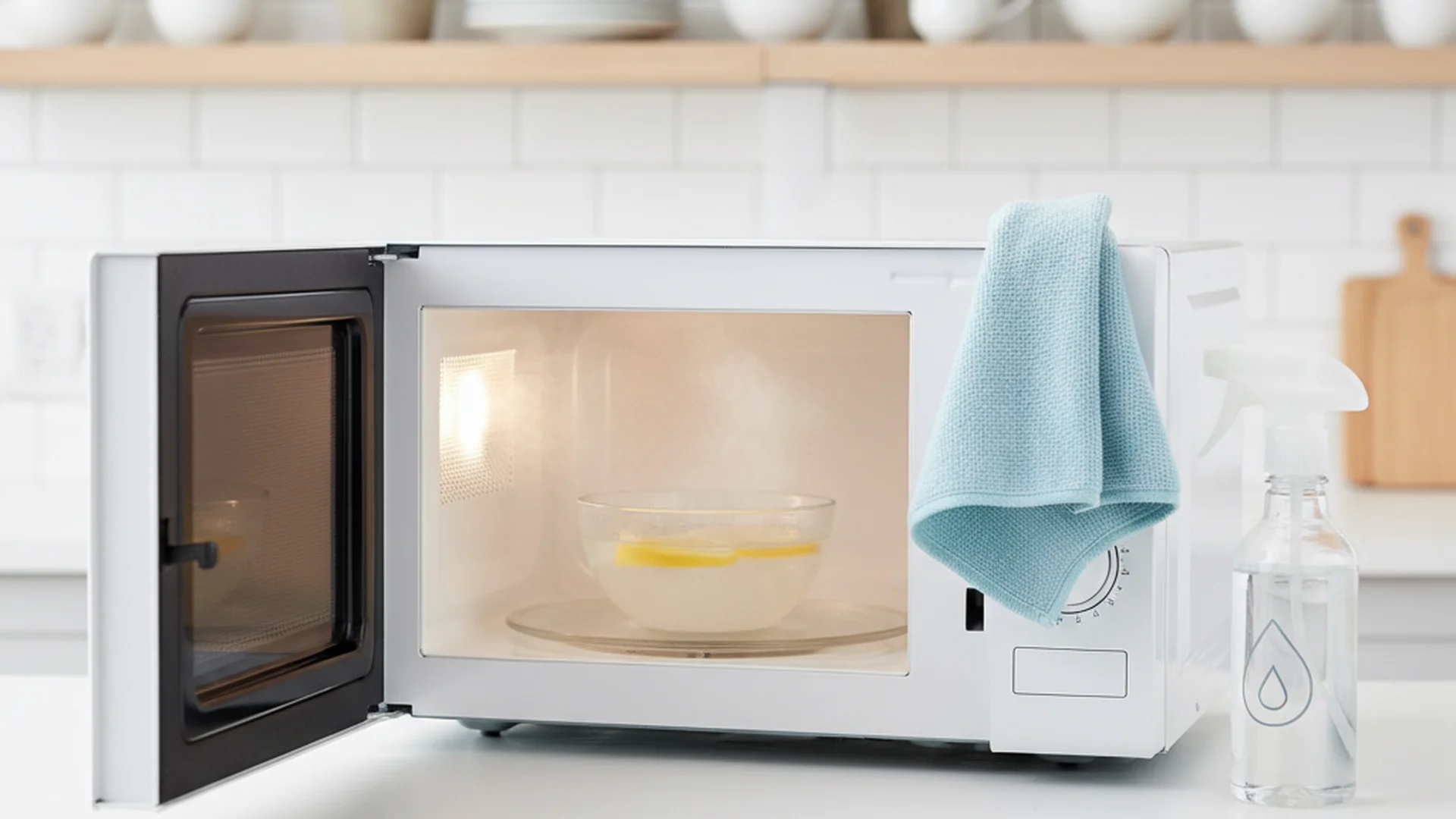
- Fill a microwave-safe glass bowl with 1 cup of water.
- Add 1 tablespoon of white vinegar or several thick slices of fresh lemon.
- The Toothpick Trick: Place a wooden toothpick or a wooden spoon in the bowl. This provides a "nucleation site," which prevents the water from superheating and potentially exploding when you move the bowl.
Step 3: Steam and Sit
Microwave the bowl on high for 3 to 5 minutes. You want the water to reach a rolling boil so that the window steams up completely.
Warning: Do not open the door immediately after the timer goes off. Let the unit sit for at least 5 minutes. This "dwell time" is crucial for the steam to penetrate caked-on debris.
Step 4: The Final Wipe
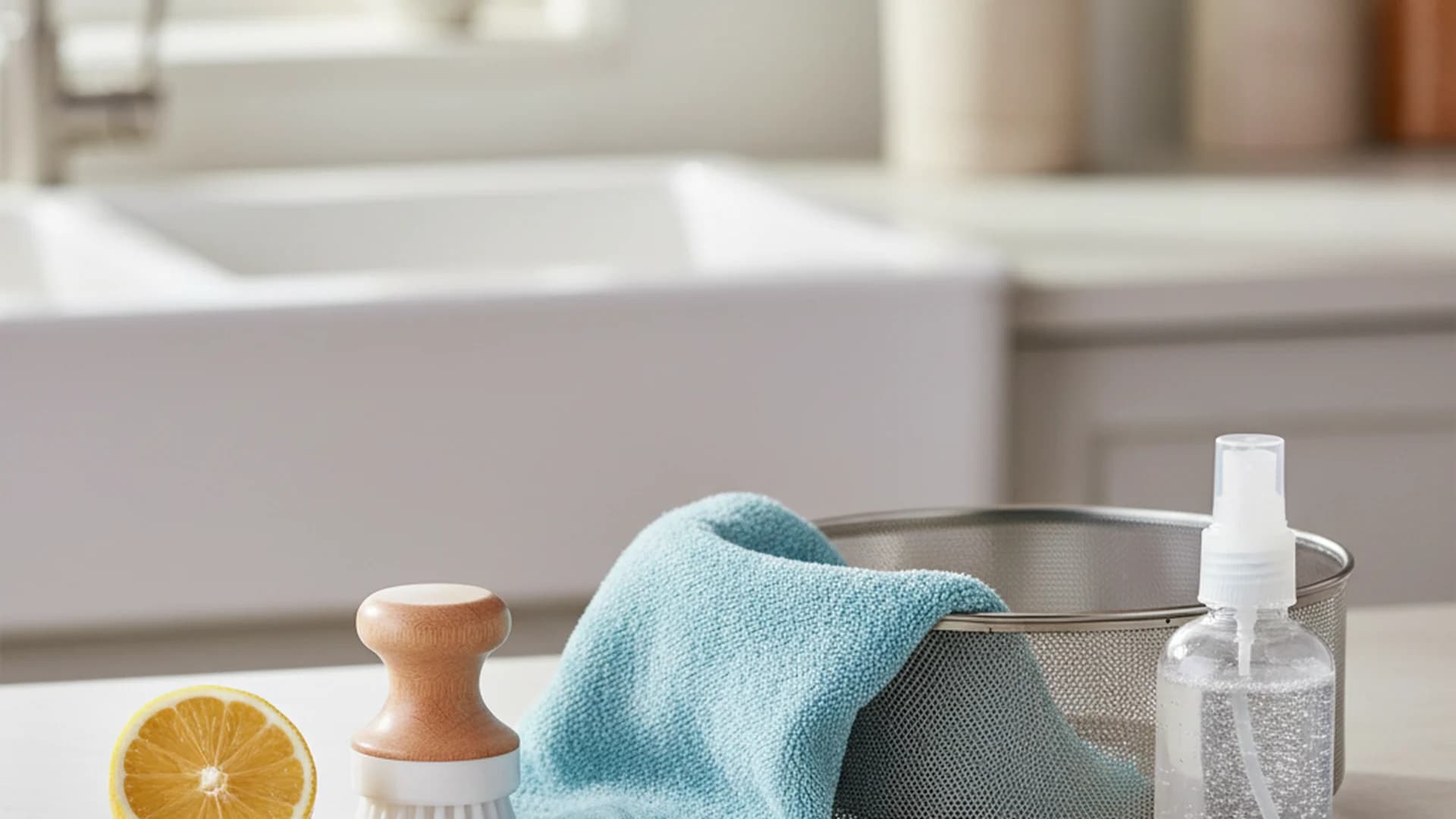
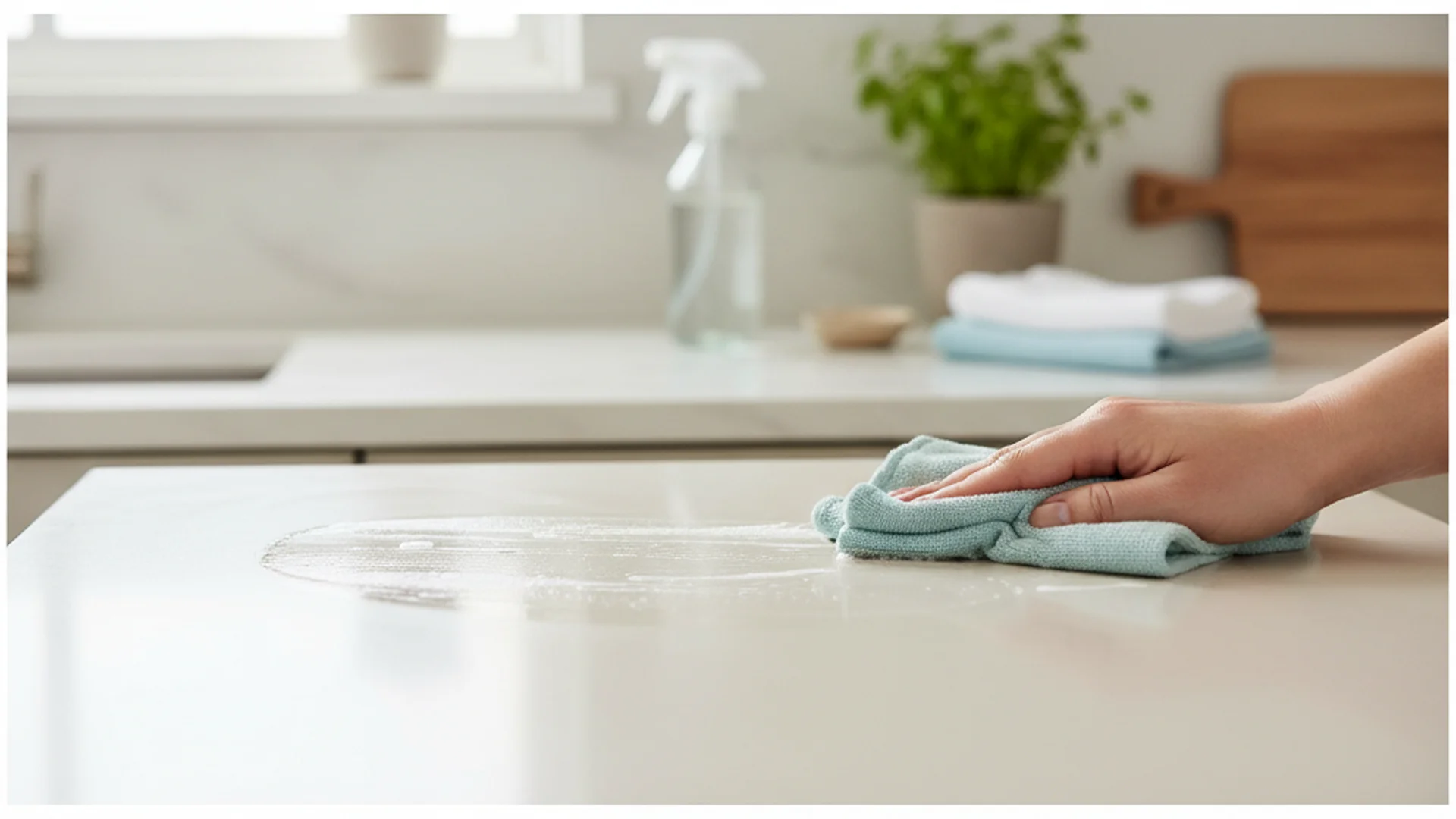
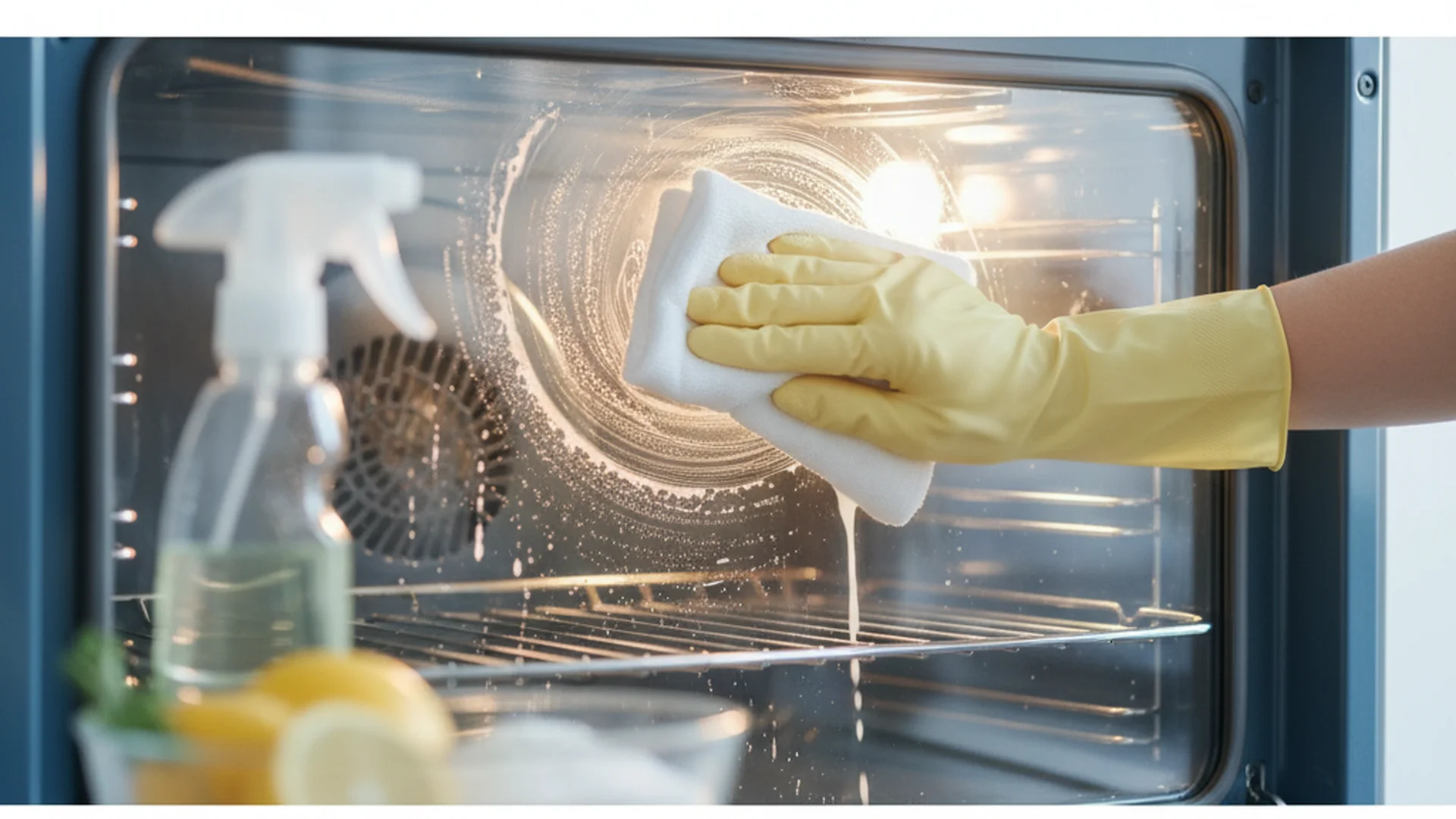
Carefully remove the bowl and the turntable. Use a microfiber cloth to wipe the interior. Microfiber is superior to paper towels because it traps bacteria within its fibers rather than just spreading them around.
Dealing with Stubborn, Burnt-On Stains
Sometimes, the steam method isn't enough for those "mystery spots" that have been heated and cooled dozens of times. In these cases, you need a gentle abrasive.
The Baking Soda Paste
Baking soda is a miracle worker for those wondering how to clean microwave naturally while dealing with tough stains.
- Mix 2 parts baking soda with 1 part water to create a thick paste.
- Apply the paste directly to the burnt-on food.
- Let it sit for 5 minutes.
- Wipe it away with a damp microfiber cloth.
Success: This method is particularly effective for "spaghetti sauce explosions" where the acidity of the sauce has bonded with the interior coating of the microwave.
Beyond the Interior: Vents, Filters, and Panels
Cleaning the inside is only half the battle. To keep your microwave running efficiently and prevent it from becoming a fire hazard, you must look at the exterior and mechanical components.
The Glass Turntable
Most glass turntables are dishwasher safe, but there is a major safety catch.
Warning: Always allow the glass turntable to cool completely before washing it in a sink or dishwasher. Placing a hot turntable in cool water can cause the tempered glass to shatter instantly.
Exhaust Vents and Grease Filters
In 2025, many smart microwaves feature sensors that alert you when filters are clogged. If yours doesn't, check the vents on the top or sides of the unit. Grease and dust accumulation can cause the magnetron to overheat, shortening the life of your appliance. Use a soft brush or a vacuum attachment to clear these vents monthly.
The Control Panel
The buttons and display are the most frequently touched parts of the microwave, making them a hotspot for bacteria.
Warning: Never spray cleaning liquid directly onto the control panel. Moisture can seep behind the buttons and short-circuit the electronics. Always spray your cloth first, then wipe the panel.
| Component | Cleaning Method | Frequency |
|---|---|---|
| Interior Cavity | Steam Method | Weekly |
| Glass Turntable | Hand wash or Dishwasher | Weekly |
| Exterior Handle | Disinfecting Wipe | Daily |
| Grease Filters | Warm soapy water | Monthly |
Common Mistakes to Avoid
Even the most well-intentioned cleaners can make mistakes that damage their appliances. Here are the top pitfalls to avoid:
- Using Bleach or Ammonia: Never use these inside a microwave. Not only can they damage the interior lining, but they can also release toxic fumes when the microwave is used later.
- Abrasive Scouring Pads: Steel wool or green scrubby sponges create "micro-scratches" in the plastic or enamel. These scratches become breeding grounds for the very bacteria you are trying to eliminate.
- Neglecting the Ceiling: When food splatters, it often hits the top of the microwave interior first. Because it’s out of sight, it’s often out of mind—until it starts to smell.
- Cleaning While Plugged In: For a deep clean involving moisture near vents or the control panel, unplug the unit to avoid any risk of electrical shock.
2025-2026 Trends in Microwave Maintenance
As we move further into 2025, technology is making it easier to keep our kitchens clean. Modern "Smart Microwaves" from brands like Samsung and LG now feature:
- Nanocoated Interiors: These surfaces are engineered to repel grease, making the "wipe down" process significantly faster.
- UV-C Sterilization: Some high-end models now include a "SolarClean+" cycle that uses ultraviolet light to kill 99.9% of bacteria without a drop of water.
- AI-Driven Maintenance: Sensors now track how many times the door has opened and how long the unit has run, sending a notification to your phone when it’s time for a deep clean.
Frequently Asked Questions
Is it safe to clean a microwave with vinegar?
How do I get rid of a persistent burnt smell?
Can I use a magic eraser inside the microwave?
Should I unplug my microwave before cleaning?
Conclusion
Maintaining a clean microwave is about more than just a sparkling kitchen; it’s about ensuring the health and safety of your household. By utilizing the power of steam and natural ingredients like lemon and vinegar, you can eliminate the "microwave microbiome" and keep your appliance running efficiently for years to come.
Remember, a quick five-minute steam clean once a week can save you hours of scrubbing later. Start your journey toward a cleaner kitchen today by trying the steam method during your next kitchen tidy-up.
Success: Regular cleaning prevents grease buildup, ensures even heating, and significantly extends the lifespan of your microwave.
Cleaning that keeps score
Every task earns points, every streak multiplies them, and Premium adds a household leaderboard plus a monthly Dustagorgon to beat.
- Free forever
- 30 badges to earn
- Up to 6 in a household
No card needed. Set up your rooms in a couple of minutes.