In this article
What you’ll learn
- Always clean in the direction of the metal grain to avoid scratches.
- Avoid bleach and ammonia, which can damage the protective chromium layer.
- Microfiber cloths are the only tool you should use for a streak-free finish.
Stainless steel is the undisputed king of the modern kitchen. Whether you are looking at a professional-grade range or a sleek French-door refrigerator, this material offers a timeless aesthetic that fits almost any decor. However, despite its name, "stainless" steel is not actually stain-proof—it is stain-less. Maintaining that showroom glow requires specific techniques. If you have ever struggled with stubborn fingerprints or unsightly streaks, learning how to clean stainless steel correctly will transform the look of your kitchen and extend the life of your appliances.
The Science of Stainless Steel
To understand how to clean stainless steel without chemicals or harsh abrasives, we first have to look at what makes this metal unique. Stainless steel is an alloy of iron, chromium, and often nickel. The "secret ingredient" is chromium. When chromium is exposed to oxygen, it reacts to form a microscopic, "passive" layer of chromium oxide on the surface.
This layer is what prevents rust and corrosion. However, household grime, oils from your hands, and harsh cleaning chemicals can penetrate or strip this layer. When the passive layer is compromised, the iron in the steel is exposed to the elements, which can lead to "pitting" or actual rust spots.
Note: Because stainless steel relies on oxygen to maintain its protective layer, "smothering" it with thick waxes or heavy oils for long periods can actually be counterproductive.
Before You Start: Find the Grain
Just like wood, stainless steel has a "grain." These are the faint directional lines you see on the surface of your dishwasher, fridge, or sink. Before you begin any cleaning process, identify whether your grain runs horizontally or vertically.
Cleaning with the grain ensures that you are lifting dirt out of the microscopic "valleys" of the metal. If you scrub across the grain, you are more likely to trap debris in those valleys and cause micro-scratches that dull the finish over time.
Tip: If you can’t see the grain easily, try wiping a small area with a dry microfiber cloth in both directions. One direction will feel smoother; that is the direction of the grain.
How to Clean Stainless Steel Naturally: The Three-Step Method
You don't need expensive, specialized sprays to get a professional finish. In fact, learning how to clean stainless steel naturally helps you avoid the buildup of synthetic waxes found in many commercial products.
Step 1: The Initial De-Greasing
The first step is removing the surface-level grime and oils.
- The Solution: Mix a 1:1 solution of warm water and mild dish soap (like Dawn) in a spray bottle.
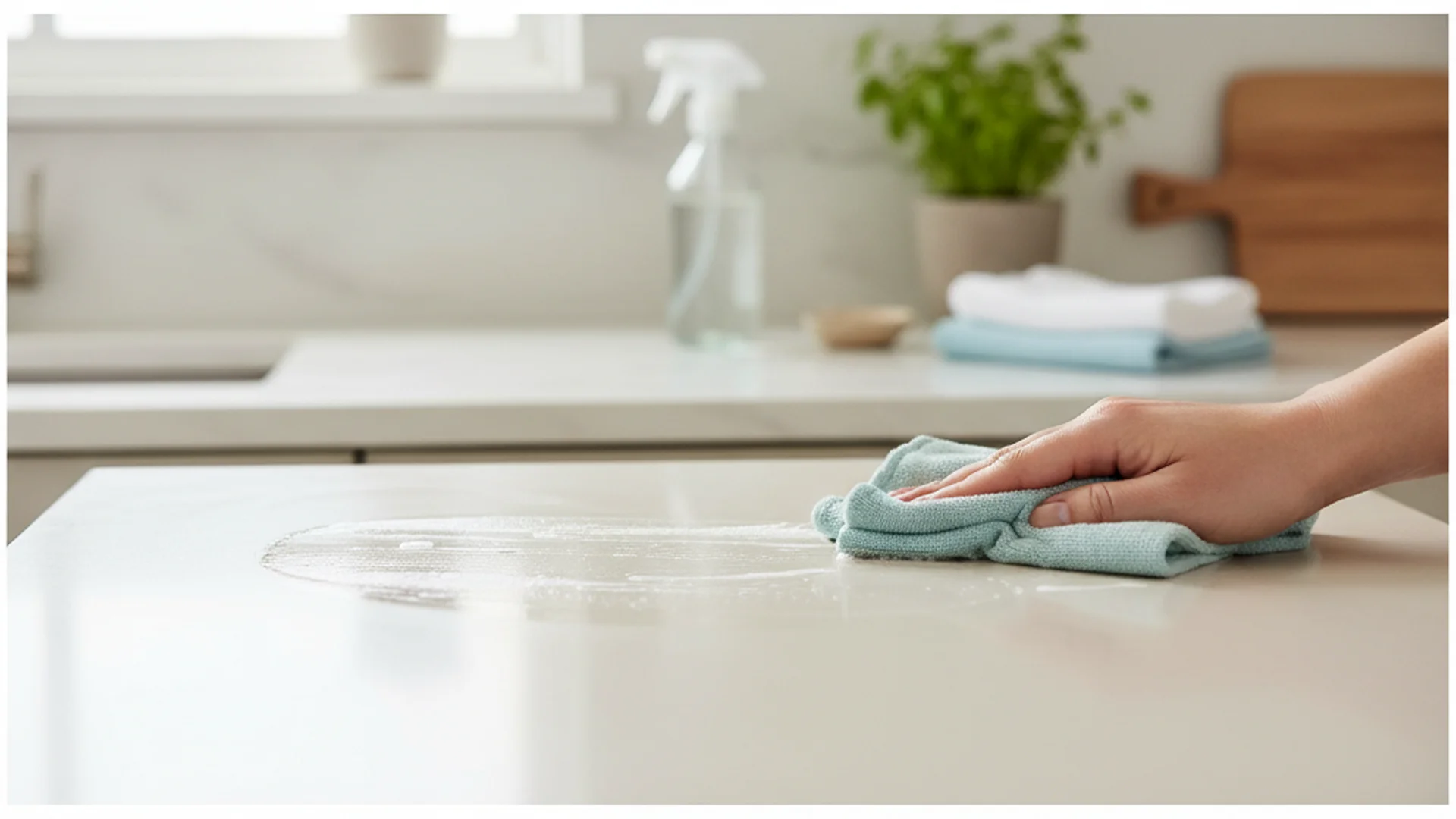
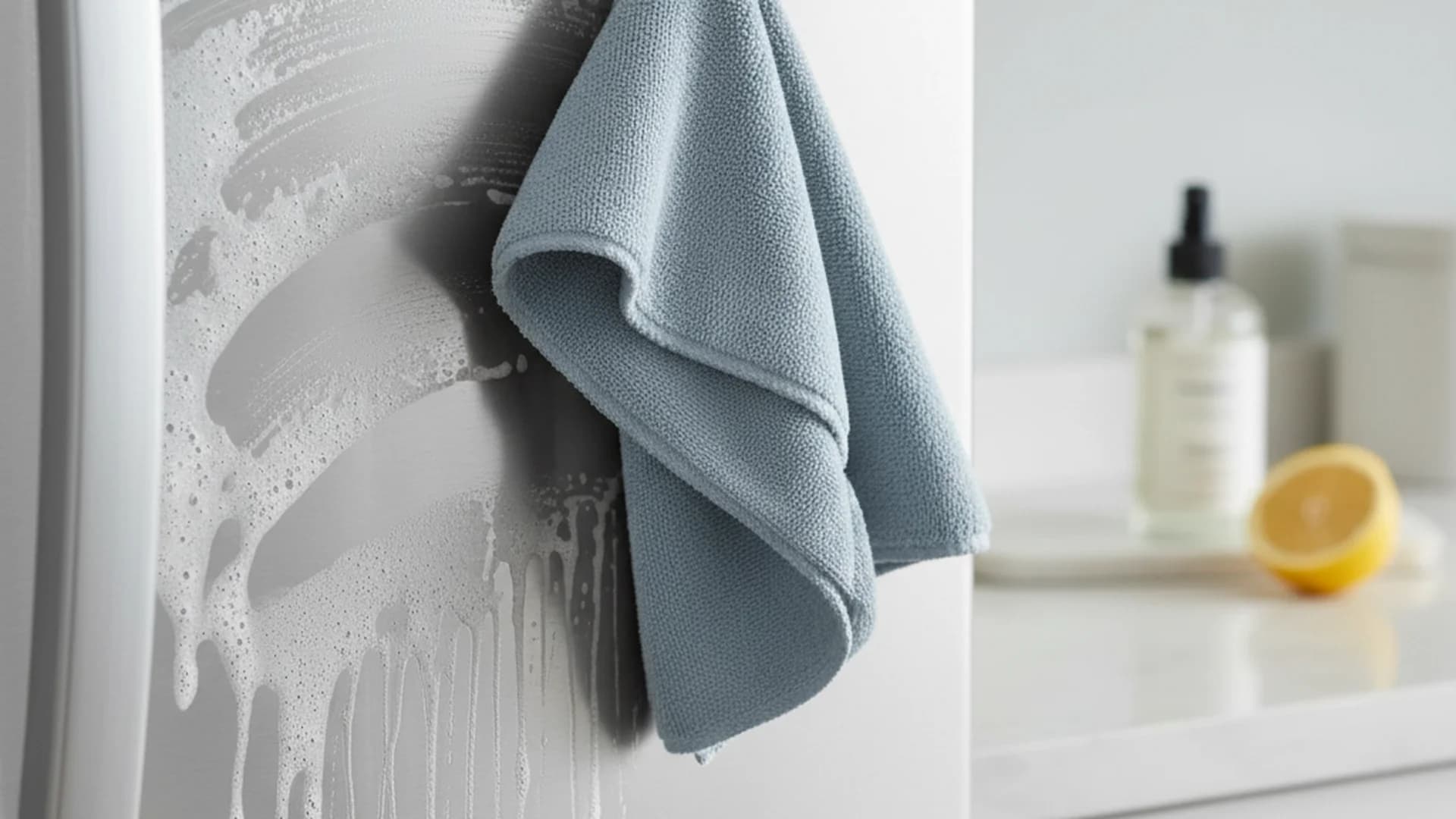
- The Action: Spray the solution onto a clean microfiber cloth—not directly onto the appliance—and wipe down the surface following the grain.
Step 2: The Vinegar Rinse
If you have hard water spots or lingering grease, vinegar is your best friend.
- The Solution: Mix 1 part white distilled vinegar with 1 part water.
- The Action: Wipe the area again. The mild acidity of the vinegar breaks down mineral deposits and cuts through any remaining soap film.
Step 3: The Buff and Polish
This is the most critical step for a streak-free finish.
- The Action: Take a fresh, completely dry microfiber cloth. Using firm, straight strokes, buff the surface in the direction of the grain until every hint of moisture is gone.
Success: Buffing the surface until it is bone-dry is the only way to guarantee a streak-free shine. Water left to air-dry will almost always leave spots behind.
Real-World Examples: Stainless Steel Success Stories
To see these techniques in action, let's look at three common household scenarios:
- The "Fingerprint-Prone" Refrigerator: A family with three children found their fridge covered in smudges daily. By switching to a weekly "Secret Sauce" buff with a tiny drop of mineral oil, they created a hydrophobic barrier that caused fingerprints to wipe off with just a dry cloth throughout the week.
- The Water-Spotted Dishwasher: After years of hard water buildup, a homeowner used a vinegar-soaked cloth held against the spots for 10 minutes. The mineral deposits dissolved, restoring the original shine without scrubbing.
- The Toaster Restoration: For small appliances that get "cooked-on" grease, a paste of baking soda and water applied for 15 minutes (and wiped with the grain) removed the yellowing without scratching the delicate finish.
Advanced Techniques and 2025 Trends
As we move into 2025 and 2026, the technology behind appliance maintenance is evolving. While the "how to clean stainless steel" fundamentals remain the same, new products are making the job easier.
Ceramic Coatings
Originally designed for high-end automotive paint, ceramic coatings (like Lifeproof) are becoming popular for home appliances. These liquid polymers bond with the metal surface to create a semi-permanent, ultra-smooth layer. A single application can make a refrigerator "fingerprint-proof" for up to 30 days.
Bio-Based Cleaners
Consumers are increasingly searching for how to clean stainless steel without chemicals that leave behind a toxic smell. Modern plant-based cleaners use coconut-derived surfactants and essential oils to achieve a high-gloss finish that is safe for homes with pets and children.
| Method | Best For | Cost | Effort |
|---|---|---|---|
| Dish Soap & Water | Daily maintenance | Very Low | Low |
| Vinegar & Water | Removing hard water spots | Low | Medium |
| Baking Soda Paste | Removing rust or burnt food | Low | High |
| Ceramic Coating | Long-term protection | High | Low (after application) |
Common Mistakes to Avoid
Even with the best intentions, it is easy to damage stainless steel if you use the wrong tools or chemicals.
Warning: Never use bleach or ammonia-based glass cleaners on stainless steel. These chemicals can cause permanent discoloration and "eat" the protective chromium layer.
- Using Circular Motions: This creates swirl marks that are highly visible under kitchen lighting. Always use long, straight strokes.
- Steel Wool or Scouring Pads: These will leave permanent, deep scratches. Stick exclusively to microfiber or soft sponges.
- Spraying Directly on the Surface: This often leads to "drip streaks" where the cleaner runs down the appliance and begins to dry before you can wipe it, leaving a permanent line in the finish. Always spray your cloth first.
Frequently Asked Questions
Can you use vinegar on stainless steel?
How do I remove rust from my stainless steel appliances?
Is glass cleaner safe for stainless steel?
Why does my stainless steel look "cloudy" after cleaning?
Conclusion
Mastering the art of how to clean stainless steel doesn't require a cabinet full of expensive chemicals. By understanding the direction of the grain and using simple, natural ingredients like vinegar and mild soap, you can keep your kitchen looking brand new. Remember, the key is the buffing stage—removing every drop of moisture is what separates a "clean" appliance from a "sparkling" one.
Success: By following this guide, you are not just cleaning your appliances; you are maintaining the "passive layer" that protects your investment for years to come.
Cleaning that keeps score
Every task earns points, every streak multiplies them, and Premium adds a household leaderboard plus a monthly Dustagorgon to beat.
- Free forever
- 30 badges to earn
- Up to 6 in a household
No card needed. Set up your rooms in a couple of minutes.