In this article
What you’ll learn
- Grout is highly porous and requires sealing every 6-12 months.
- Steam cleaning is the most effective chemical-free method in 2025.
- Avoid acidic cleaners like vinegar on natural stone tiles.
The kitchen is the undisputed heart of the home, but it is also the primary battleground for grease, food spills, and high-traffic wear. While your ceramic or porcelain tiles might look sparkling after a quick mop, the lines between them often tell a different story. If you have ever wondered how to clean grout effectively without spending hours on your hands and knees, you are not alone. As we move into 2025, homeowners are shifting away from harsh industrial chemicals in favor of smarter, safer, and more sustainable restoration methods.
Understanding the science of your floor is the first step toward a cleaner home. Grout is essentially a mixture of sand and cement, making it incredibly porous. Without the right approach, it acts like a microscopic sponge, absorbing bacteria and oils within seconds of contact. In this guide, we will explore the latest innovations in surface care, from probiotic sprays to the "gold standard" DIY pastes that actually work.
Why Kitchen Grout Gets So Dirty
Before grabbing a brush, it is essential to understand why kitchen grout is more difficult to maintain than bathroom grout. In the bathroom, your main enemies are soap scum and mildew. In the kitchen, you are dealing with organic fats, proteins, and tannins (from wine or coffee).
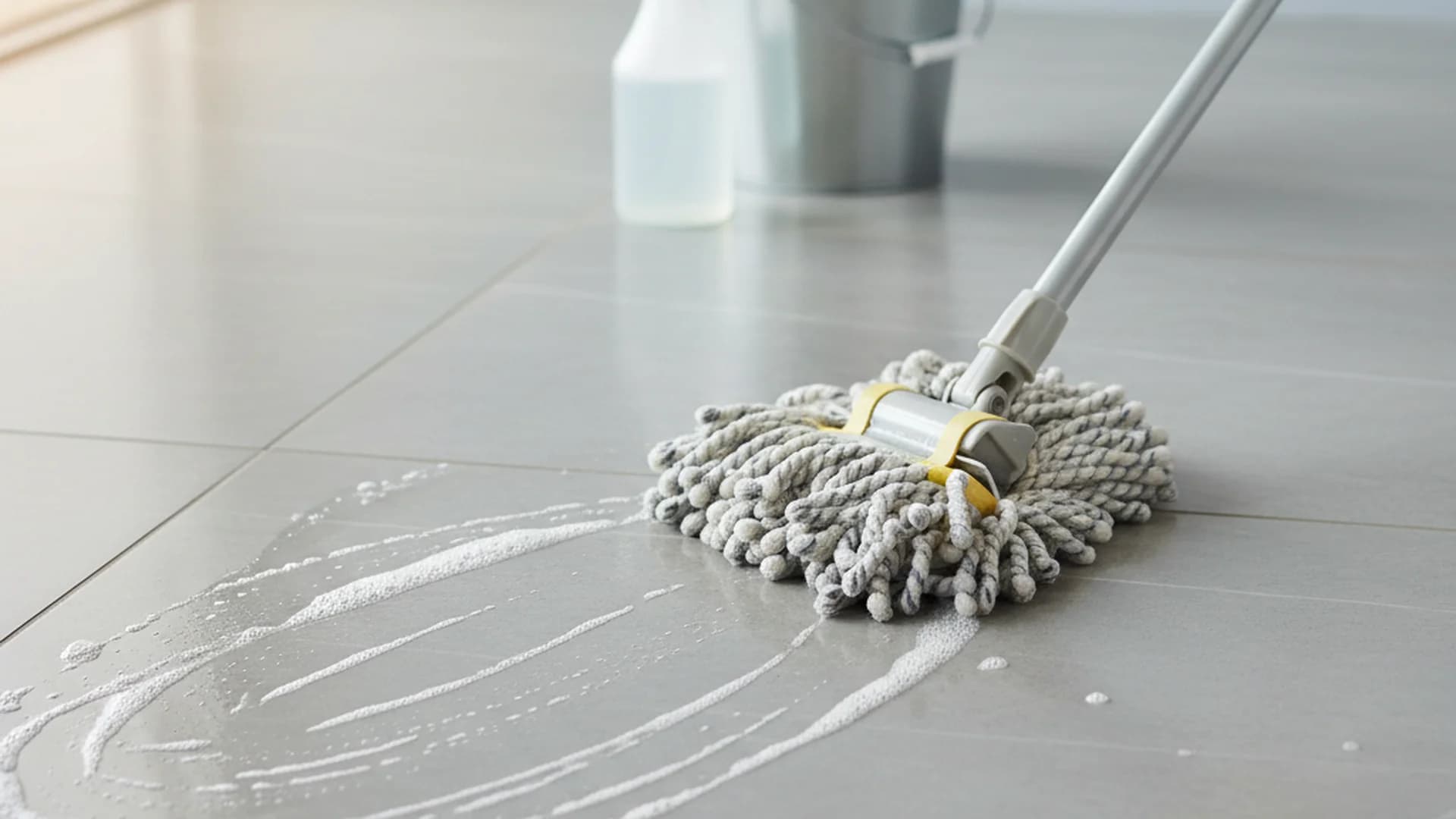
When you use a traditional mop and bucket, you are effectively pushing dirty water into the recessed grout lines. The water evaporates, leaving the dirt trapped deep within the pores. This is why grout often appears dark or "shadowy" even after a floor has been cleaned.
Note: Busy kitchens with high grease production—such as those used for daily frying or heavy family meal prep—should undergo a deep grout clean twice per year.
How to Clean Grout Naturally
For many homeowners, the goal is to find out how to clean grout naturally to avoid exposing pets and children to harsh fumes. Luckily, the most effective DIY solution is often found in the pantry.
The "Gold Standard" DIY Paste
The most reliable homemade solution remains the oxygen-based whitening paste. This mixture uses the chemical reaction of hydrogen peroxide to lift stains without the structural damage caused by chlorine bleach.
Ingredients:
- 3 parts baking soda (the abrasive agent)
- 1 part hydrogen peroxide (the whitening agent)
- 1 tablespoon of eco-friendly dish soap (the degreaser)
Step-by-Step Natural Application
- Dry Prep: Always begin by vacuuming or sweeping. If you apply a wet solution to a floor covered in loose grit, you will simply rub more dirt into the pores.
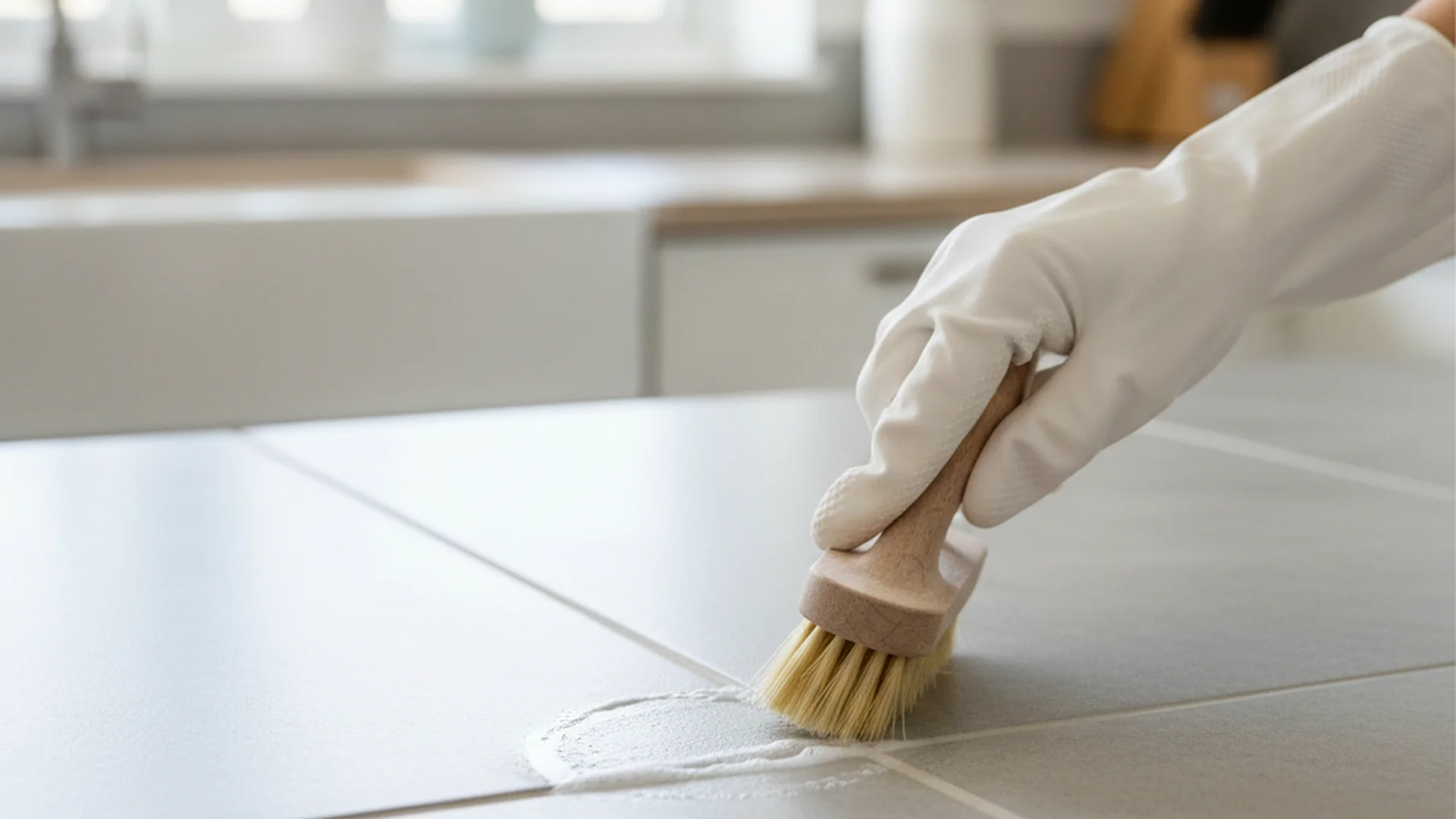
- Apply the Paste: Spread the mixture generously over your grout lines.
- The 15-Minute Rule: This is the most important step. You must allow "dwell time." This 15-minute window allows the oxygen in the peroxide to break down organic stains at a molecular level.
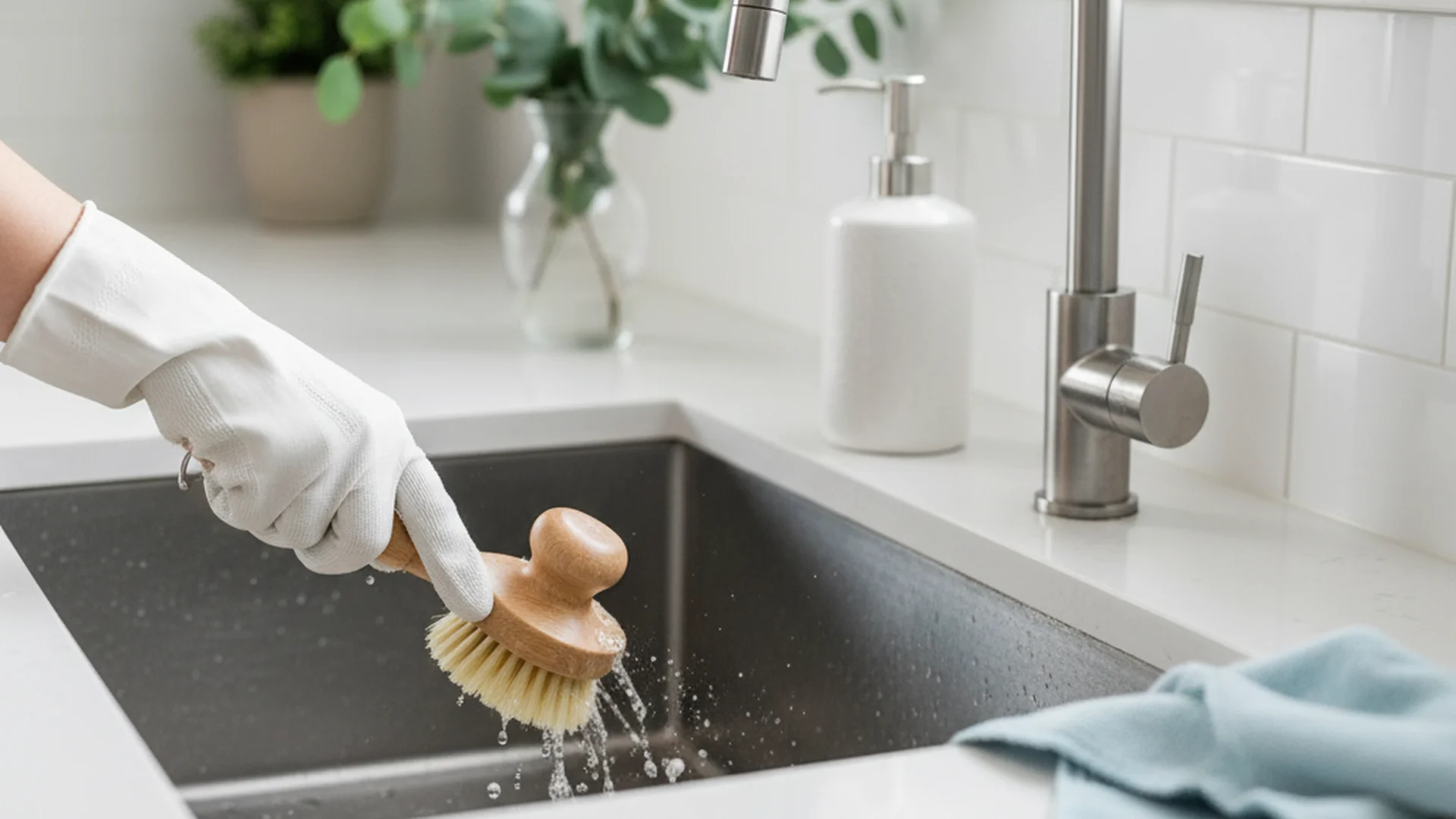
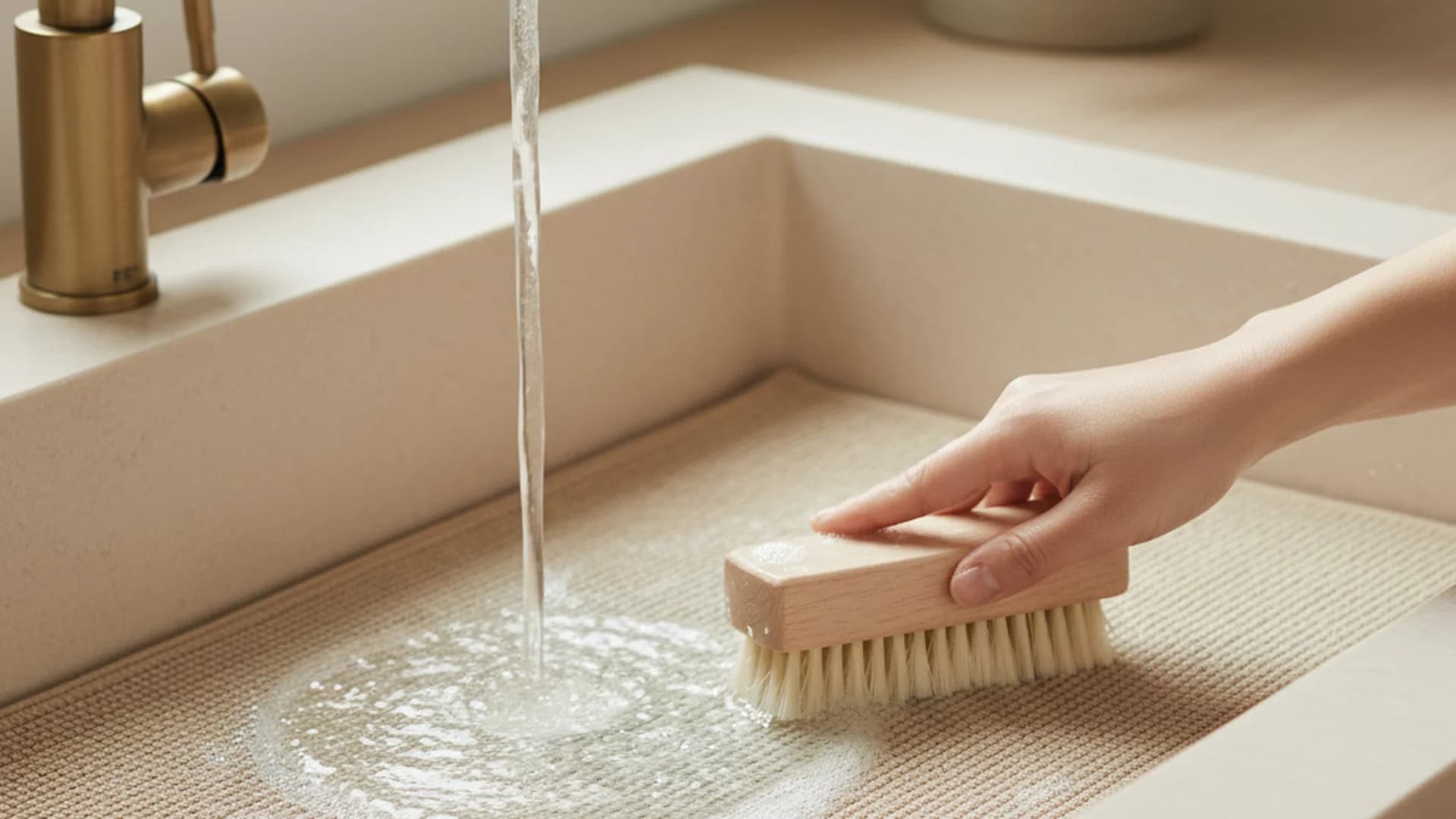
- Agitation: Use a soft-bristled nylon brush. Scrub in a circular motion to lift the debris out of the grout's texture.
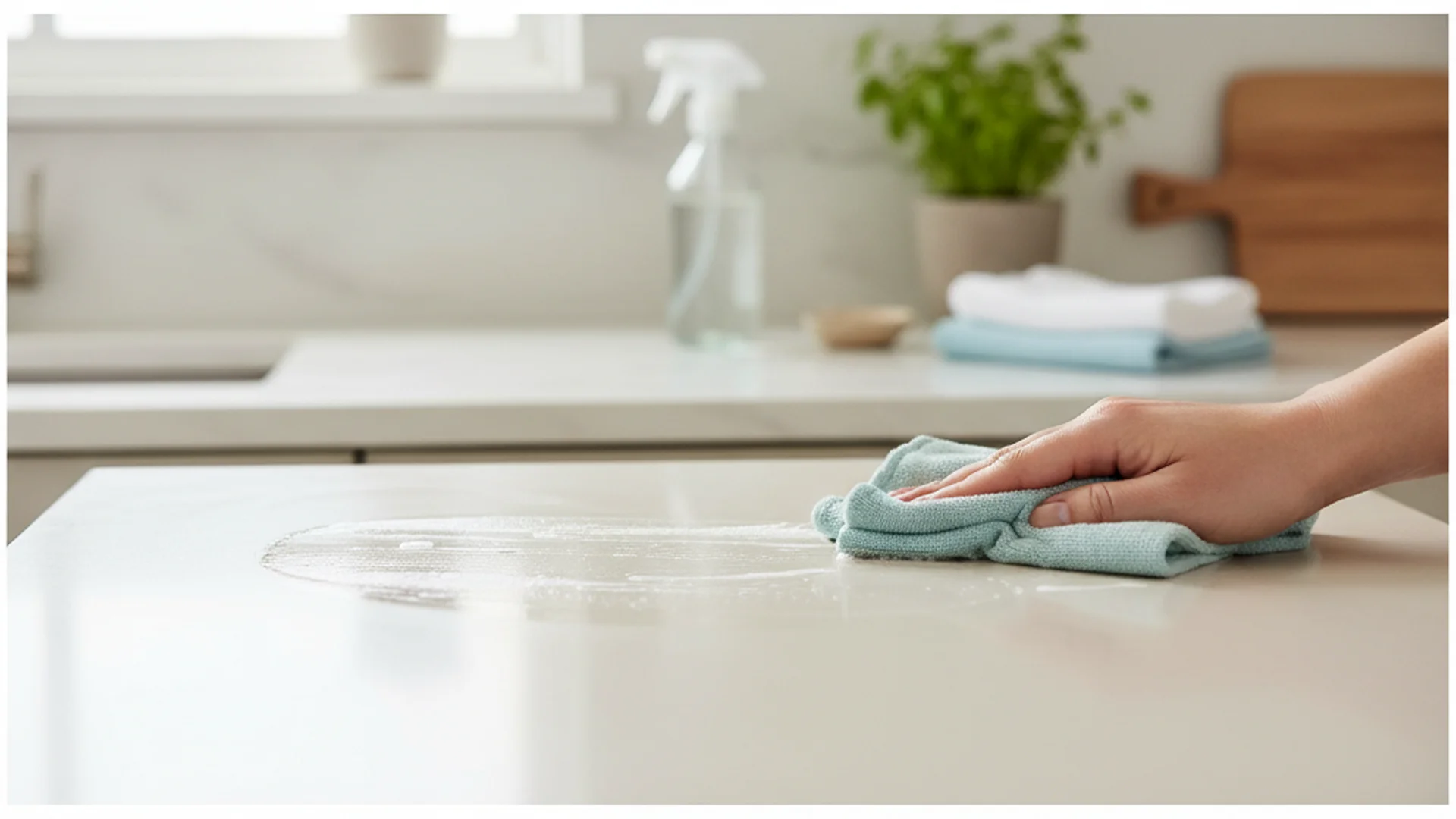
- Rinse and Dry: Wipe the area with a damp microfiber cloth.
Success: Using microfiber instead of standard cotton cloths can remove up to 99% of bacteria from the surface, significantly reducing the "re-soiling" effect.
How to Clean Grout Without Chemicals
If you want to skip the pastes and sprays entirely, the 2025 trend for how to clean grout without chemicals focuses heavily on heat and technology.
The Power of Steam
Steam cleaning has become the professional standard for chemical-free maintenance. High-end steam cleaners, like the Dupray Neat, heat water to over 200°F. This temperature is crucial because it melts hardened kitchen grease and kills 99.9% of bacteria and mold spores instantly.
Example: The Coffee Shop Restoration In high-traffic commercial kitchens, steam cleaning restores grout to very close to its original shade without the use of a single surfactant. For a home kitchen, a handheld steamer can clear out a year’s worth of backsplash grease in minutes.
Probiotic Cleaning Innovations
A major innovation for 2025-2026 is the rise of "living" cleaners. Brands like Unilever have pioneered probiotic sprays that contain beneficial bacteria. Once sprayed on the grout, these bacteria continue to "eat" the organic grease and food particles long after you have finished wiping. This creates a self-cleaning barrier that is perfectly safe for food-prep surfaces.
| Method | Chemical Use | Best For | Effectiveness |
|---|---|---|---|
| Steam Cleaning | Zero | Heavy Grease | Excellent |
| Baking Soda/Peroxide | Low | Stains/Whitening | Very High |
| Probiotic Sprays | Zero | Daily Maintenance | High (Long-term) |
| pH-Neutral Cleaners | Low | Daily Cleaning | Moderate |
Common Mistakes to Avoid
Even with the best intentions, it is easy to damage your kitchen surfaces by using the wrong tools or techniques.
- Using Bleach for Everything: While bleach makes things look white, it doesn't actually remove grease. Furthermore, it can weaken the cement structure of the grout, causing it to crumble over time.
- Vinegar on Natural Stone: This is a common pitfall for those trying to clean naturally. Vinegar is highly acidic. If you have marble, limestone, or travertine tiles, vinegar will "etch" or dull the surface of the stone permanently.
- The Wire Brush Myth: It is tempting to use a wire brush for tough stains. However, metal bristles can scratch tile glazes and create microscopic gouges in the grout, making it even easier for dirt to trap there in the future.
- Over-Wetting the Floor: Flooding your tiles with water pushes contaminants deeper. Always use the minimum amount of liquid necessary.
Warning: Never mix vinegar with hydrogen peroxide or bleach. These combinations can create toxic gases that are dangerous in enclosed kitchen spaces.
2025-2026 Trends: The Future of Kitchen Grout
We are seeing a massive shift in how grout is handled during kitchen renovations. Many homeowners are moving away from traditional cement grout entirely.
Polymer and Epoxy Grouts
New kitchen installations are increasingly using stain-resistant polymer and epoxy grouts. Unlike traditional mixtures, these are non-porous and almost entirely waterproof. If you are planning a renovation in 2026, opting for an epoxy finish means you may never need to "deep clean" your grout again—a simple wipe with a damp cloth is all that's required.
Next-Gen Molecular Sealants
If you have traditional grout, the technology for protecting it has also evolved. Old-school "top-coat" waxes are being replaced by silane-based sealants. These bond at a molecular level with the sand in the grout, providing up to 5 years of protection. They are specifically designed to repel acidic spills like lemon juice or red wine, which are common kitchen hazards.
Tip: To check if your sealer is still working, drop a few beads of water on the grout line. If the water beads up, you're protected. If it soaks in and darkens the grout, it's time to reseal.
Frequently Asked Questions
How do I clean grout without harsh chemicals?
Can I use vinegar on all types of tile grout?
What is the "Gold Standard" DIY grout whitener?
How often should grout be resealed?
Conclusion
Keeping your kitchen grout clean doesn't require industrial chemicals or professional intervention if you stay ahead of the grime. By utilizing the "dwell time" of natural pastes or investing in a steam cleaner, you can maintain a hygienic and beautiful kitchen floor for years to come. Remember, the key to long-lasting grout isn't just how you clean it, but how you protect it—so don't skip the sealer!
Success: A clean, well-sealed kitchen floor can increase the perceived value of your home and extend the life of your tile installation by decades.
Cleaning that keeps score
Every task earns points, every streak multiplies them, and Premium adds a household leaderboard plus a monthly Dustagorgon to beat.
- Free forever
- 30 badges to earn
- Up to 6 in a household
No card needed. Set up your rooms in a couple of minutes.