In this article
What you’ll learn
- Proper maintenance can extend your fryer's lifespan by up to 50%.
- Always use a vinegar rinse to neutralize alkaline soap residues.
- New 2025 bio-enzymatic cleaners offer a chemical-free way to dissolve carbon.
There is nothing quite like the "perfect crunch" of a gold-brown fry or a crispy chicken wing. However, the secret to that restaurant-quality texture isn't just the recipe; it is the state of the appliance. Learning how to clean deep fryer units properly is the most overlooked skill in both home and professional kitchens. If your oil is smoking too early or your food has a slightly bitter "off" taste, your fryer is likely overdue for a deep scrub.
Cleaning a deep fryer is about more than just aesthetics. It is a critical safety measure and a financial win. From reducing fire risks to slashing energy bills, the benefits of a pristine vat are measurable. Whether you are a home enthusiast or managing a busy commercial line, this guide will walk you through the latest 2025 techniques to keep your equipment in peak condition.
Why Regular Maintenance Matters
Neglecting your fryer does more than ruin dinner; it actively damages your equipment and compromises safety. A well-maintained fryer will generally last several years longer than a neglected one, effectively pushing back expensive replacement costs.
Furthermore, carbon buildup on heating elements acts as an insulator. This means your fryer has to work 10–15% harder to reach and maintain cooking temperatures, leading to higher electricity or gas bills. In a commercial setting, regular maintenance is even more vital, potentially saving an average of $1,200 in annual repair costs per unit.
Success: Clean vats prevent the rapid degradation of fresh oil, which can reduce your overall oil usage by up to 20%.
The Daily Routine: Quick Maintenance Tips
You don't need to do a full "boil-out" every day. However, a few small habits can prevent the "brown sludge" (polymerization) from becoming a permanent fixture on your stainless steel.
- Filter the Oil: In a commercial environment, filter the oil daily. For home use, filter it after every 3-4 uses. This removes food particles that would otherwise burn and stick to the walls.
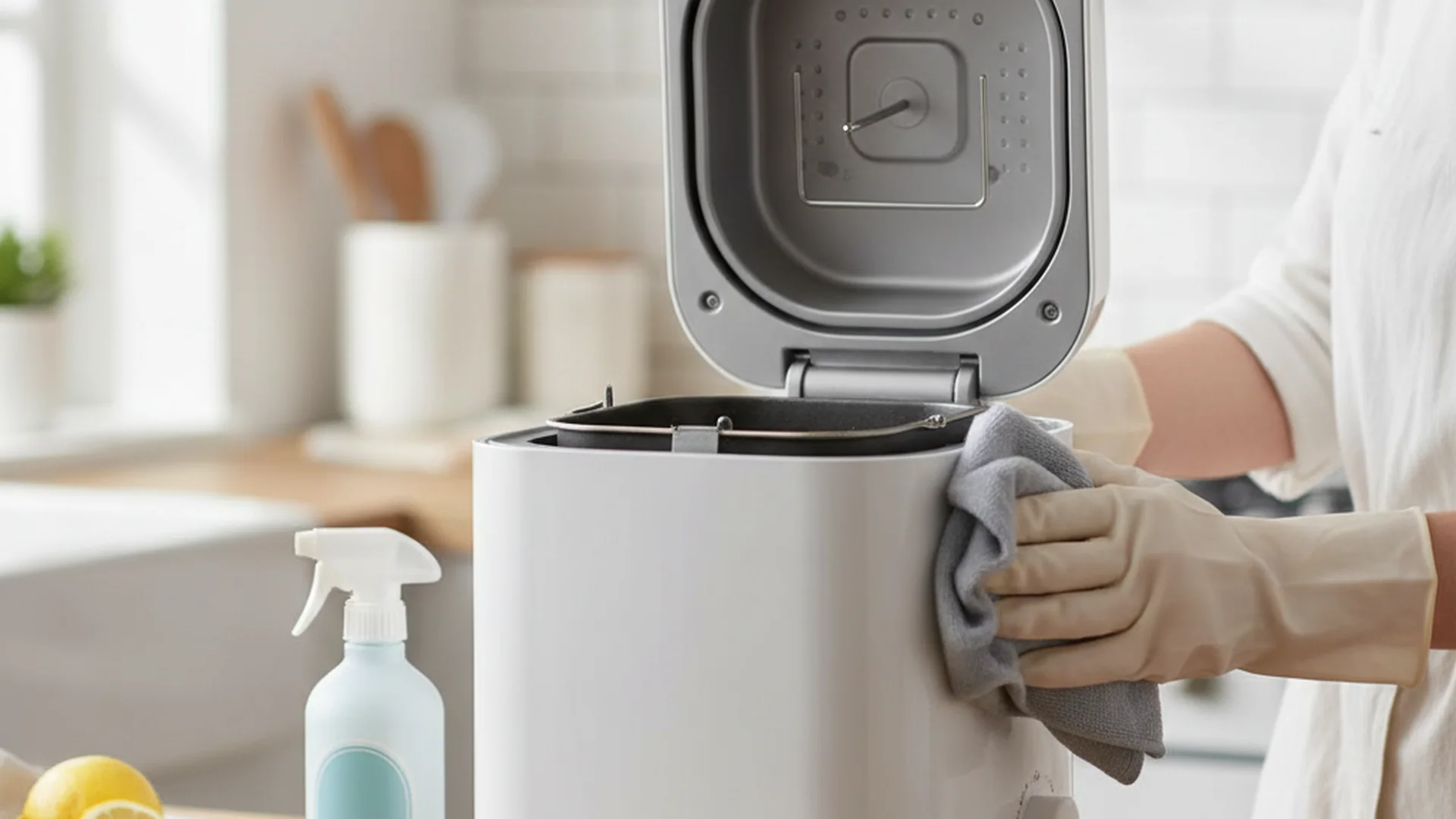
- The Cool-Down Wipe: Once the oil has cooled to a safe temperature, use a paper towel to wipe the rim and exterior.
- Cover It Up: Always keep the lid on when not in use to prevent dust and moisture from contaminating the oil.
Warning: Never attempt to clean or drain a fryer while the oil is at cooking temperature. Wait until it reaches 120°F–150°F to avoid severe burns.
The Deep Clean: The Step-by-Step Boil-Out Method
When the oil becomes dark, cloudy, or starts to foam, it is time for a deep clean. Professionals call this the "boil-out."
Step 1: Drain the Oil
Ensure the fryer is off. Drain the oil into a metal container.
Warning: Avoid draining into plastic buckets. Even "cool" oil can melt standard plastic pails, leading to a dangerous and messy spill.
Step 2: Scraping the Residue
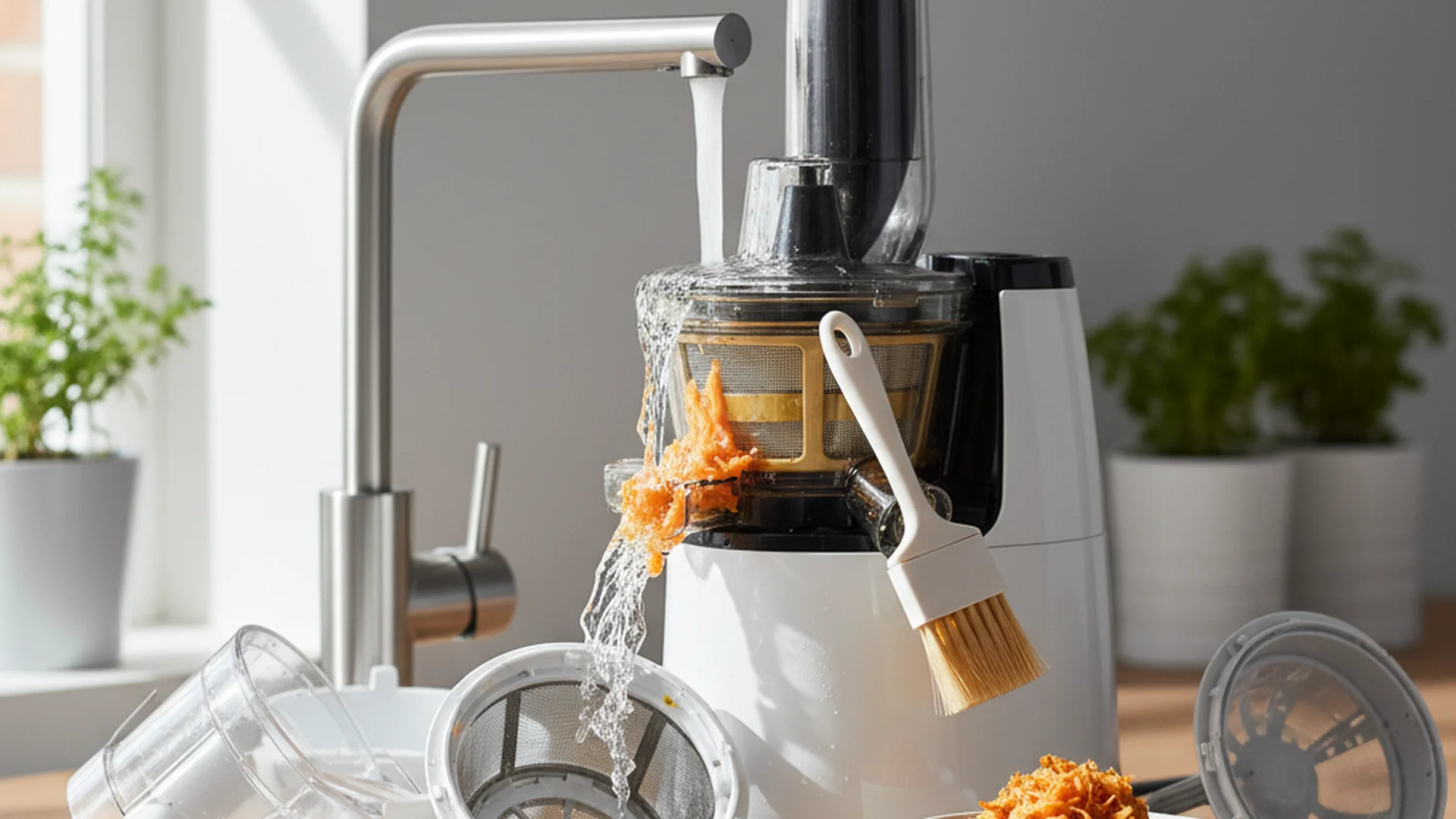
Use a plastic or silicone scraper to remove the thickest layers of grease and carbonized food from the sides.
Tip: Avoid metal scrapers. They can scratch the stainless steel, creating tiny grooves where bacteria and carbon can hide, eventually leading to corrosion.
Step 3: The Boil-Out
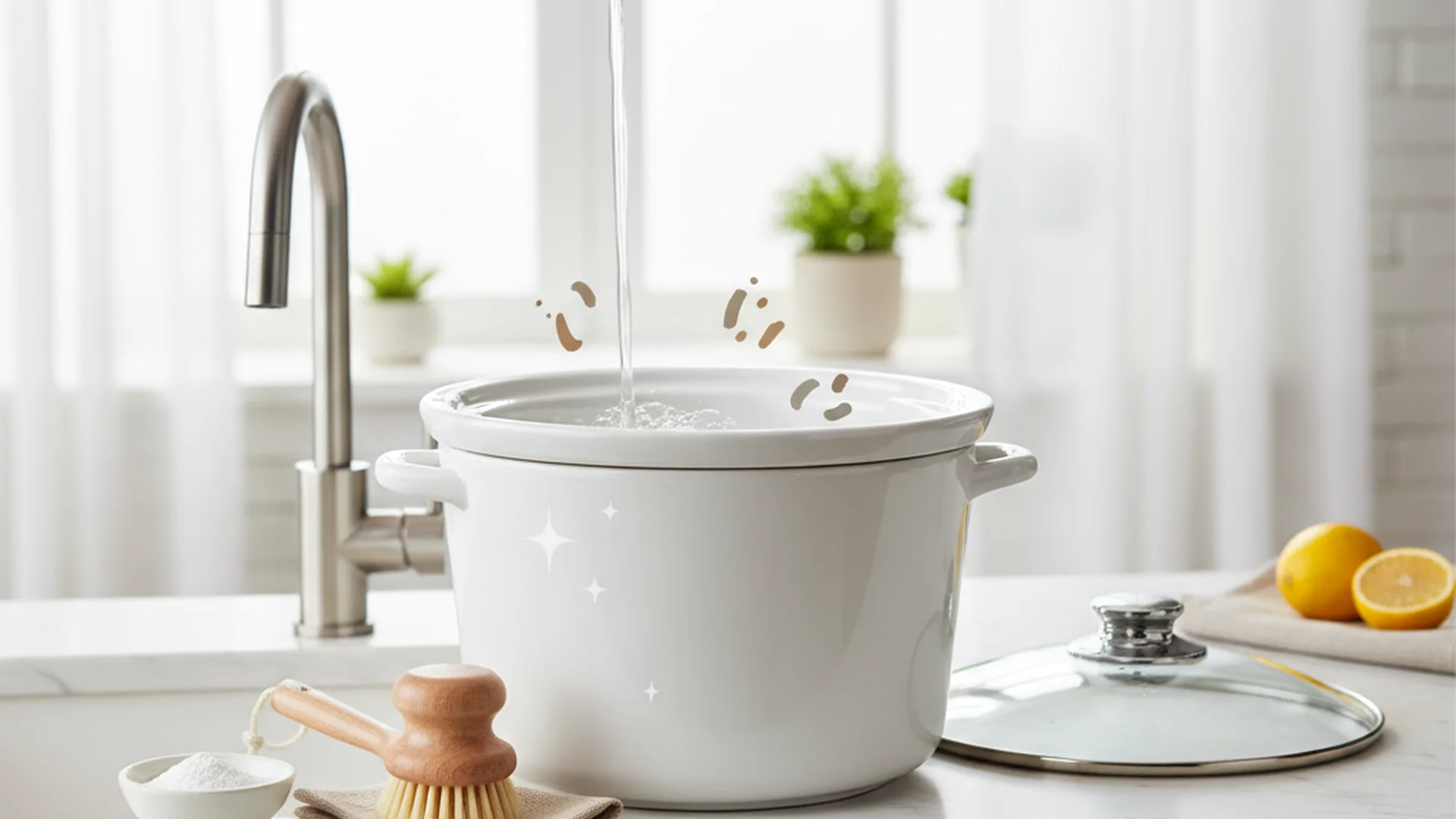
Fill the vat with water to the "max" line and add your cleaning agent. Bring the water to a simmer (not a violent boil) for about 20 minutes. This process loosens the sticky polymers that regular scrubbing can't touch.
Step 4: Scrub and Rinse
After simmering, turn off the heat and let the water cool slightly. Scrub the interior with a long-handled soft-bristle brush. Drain the soapy water and rinse thoroughly with clean water.
Step 5: The Neutralizing Rinse
This is a pro-level secret. Mix 1 part white vinegar with 10 parts water and perform a final rinse. This neutralizes any alkaline residue left by the detergent.
Note: Skipping the neutralizing rinse can leave a "soapy" taste in your first batch of new oil.
| Cleaning Frequency | Home User | Commercial Kitchen |
|---|---|---|
| Oil Filtering | Every 3-4 uses | Daily |
| Exterior Wipe | After every use | Every shift |
| Full Boil-Out | Every 3-6 months | Monthly |
How to Clean Deep Fryer Without Chemicals
Many people are moving away from harsh caustics. If you want to clean deep fryer without chemicals, you can achieve incredible results with pantry staples.
Using the Power of Vinegar and Baking Soda
To clean deep fryer vinegar and baking soda are your best friends.
- The Paste Method: For stubborn, blackened spots, create a thick paste of baking soda and a small amount of water. Apply it to the stains and let it sit for 30 minutes. The mildly abrasive nature of baking soda lifts the carbon without damaging the steel.
- The Vinegar Soak: After the baking soda scrub, spray the area with white vinegar. The fizzing action helps lift the remaining grease.
2025 Trend: Bio-Enzymatic Cleaners
A major shift in 2025 is the rise of enzyme-based cleaners. Brands like G-Clean use plant-based enzymes that "eat" grease molecules. This is the ultimate way to clean without chemicals, as these solutions are often biodegradable and pH-neutral, making them safe for both the user and the environment.
Real-World Examples
- The "Small Cafe" Scenario: A local donut shop noticed their oil was breaking down every three days. By implementing a daily filtering routine and a bi-weekly vinegar rinse, they extended their oil life to six days, saving $400 a month.
- The "Home Cook" Mistake: A homeowner used a metal scouring pad to clean their T-Fal fryer. Within two months, the vat began to show signs of pitting and rust. They switched to a silicone scraper and baking soda paste for their new unit, which has remained spotless for over a year.
- The "Dry Steam" Innovation: In 2026, many high-end commercial kitchens are adopting "dry steam" technology. This uses high-pressure steam to melt grease instantly without using a single drop of detergent, representing the future of eco-friendly maintenance.
Common Mistakes to Avoid
- Putting Baskets in the Dishwasher: While it seems convenient, dishwasher detergents can leave a thin film on the wire mesh. When this film hits hot oil, it causes the oil to foam excessively and break down faster.
- Neglecting the Exterior: Grease buildup on the outside isn't just ugly; it’s a fire hazard. It can also attract pests who are drawn to the scent of old fat.
- Leaving the Drain Open: This is a classic "rookie" mistake. Always double-check that the drain valve is fully closed before you start pouring in gallons of expensive new oil.
- Incomplete Drying: Water is the enemy. Even a few drops of water left in the vat can cause the oil to splatter violently when heated. Always blot the vat with paper towels until it is bone-dry.
Frequently Asked Questions
How often should I clean my fryer?
Can I use vinegar to clean a deep fryer?
How do I know when the oil needs changing?
What is the "Boil-Out" method?
Conclusion
Keeping your deep fryer clean is a commitment to quality and safety. By mastering the boil-out method and utilizing natural solutions like vinegar and baking soda, you ensure that every meal you fry is crisp, delicious, and free of off-flavors. As we move into 2025 and 2026, keep an eye out for smart fryers with maintenance sensors and bio-enzymatic cleaners that make this chore easier than ever.
Success: Regular cleaning can reduce kitchen fire risks by as much as 80%, keeping your home or business safe.
Cleaning that keeps score
Every task earns points, every streak multiplies them, and Premium adds a household leaderboard plus a monthly Dustagorgon to beat.
- Free forever
- 30 badges to earn
- Up to 6 in a household
No card needed. Set up your rooms in a couple of minutes.