In this article
What you’ll learn
- Different materials (wood vs. vinyl) require vastly different cleaning agents.
- Regular weekly dusting prevents allergen buildup and extends blind life by 5–7 years.
- Smart and motorized blinds require dry cleaning methods to protect internal electronics.
Window treatments are the unsung heroes of interior design, providing privacy, light control, and insulation. However, they are also notorious "dust magnets." If you have ever run a finger across a slat only to find a thick layer of grey grime, you know how quickly they can deteriorate. Understanding how to clean blinds is not just about home aesthetics; it is a critical component of maintaining indoor air quality. In homes with pets or near high-traffic roads, blinds can accumulate significant dander and particulate matter in as little as seven days.
In this guide, we will explore the best way how to clean blinds based on their material, modern technology trends for 2025 and 2026, and the professional secrets that will help you finish the job in record time.
The Quick-Clean Routine: How to Clean Blinds Quickly
For most homeowners, the challenge isn't knowing that blinds need cleaning, but finding the time to do it. If you stay on top of a weekly routine, you can avoid the grueling process of scrubbing individual slats later in the year.
The Famous "Tongs Hack"
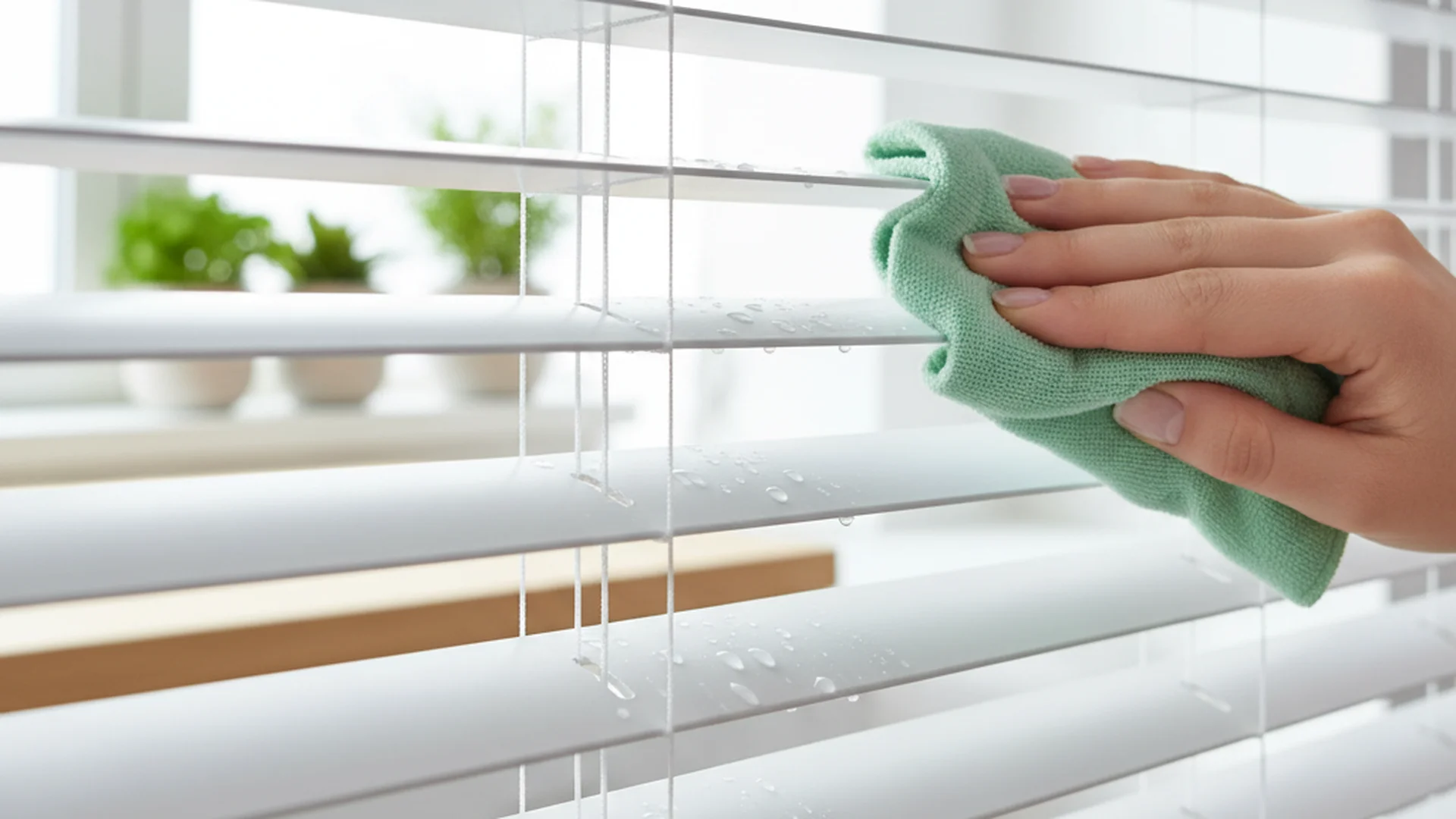
One of the most effective ways to clean individual slats without taking the blinds down is the Tongs Hack. Simply take a pair of kitchen tongs and wrap a microfiber cloth around each side, securing them with rubber bands. This allows you to "pinch" each slat and clean both the top and bottom in a single swipe.
Vacuuming for Instant Results
If you have a vacuum with a soft brush attachment, this is often the best way how to clean blinds during your regular house cleaning. Close the blinds so they are flat against the window, hold the bottom rail to keep them steady, and vacuum from the top down. Flip the slats and repeat on the other side.
Tip: Always use the "Top-Down" method. By cleaning from the top slat to the bottom, any dust knocked loose falls onto uncleaned slats rather than ones you’ve already polished.
Deep Cleaning by Material Type
Not all blinds are created equal. Using the wrong cleaning agent on a specific material is one of the leading causes of premature window treatment replacement.
| Material Type | Recommended Cleaning Agent | Water Safe? | Professional Note |
|---|---|---|---|
| Real Wood | Wood Polish / Lemon Oil | No | Moisture causes warping |
| Faux Wood | Mild Dish Soap / Water | Yes | Very durable and resilient |
| Aluminum | Damp Microfiber Cloth | Yes | Prone to bending; use light pressure |
| Fabric | Low-suction Vacuum | No | "Blot, don't rub" for stains |
Real Wood Blinds
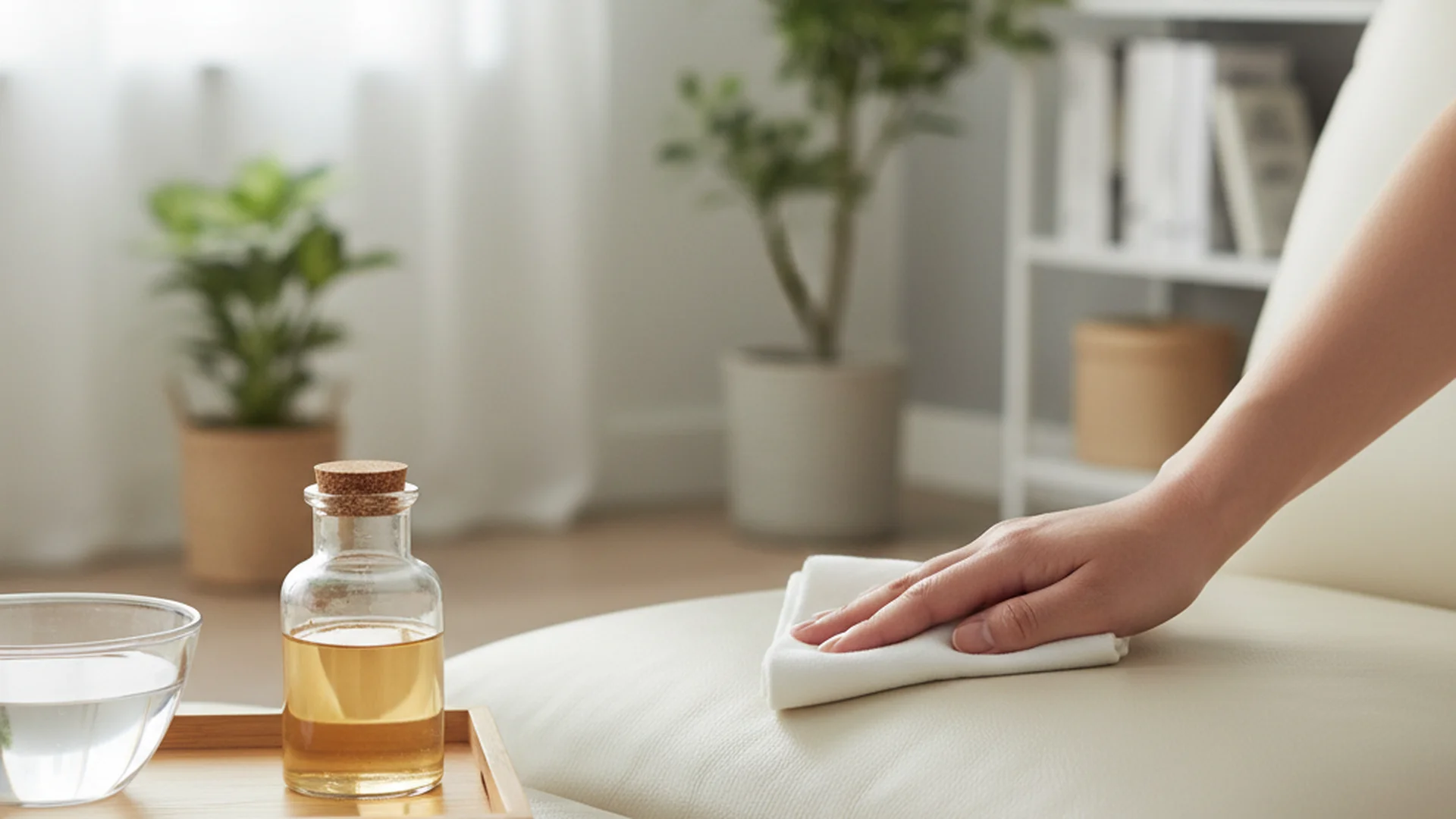
Real wood adds a warmth to a room that synthetic materials can’t match, but they are incredibly sensitive. Warning: Never submerge real wood blinds in water.
Example: I recently consulted for a client in a humid coastal environment who attempted to "wash" their basswood blinds with a wet sponge. Within a month, the slats began to warp and the finish bubbled. For real wood, use a dry microfiber cloth or a very light application of wood polish to maintain the luster.
Faux Wood and Vinyl
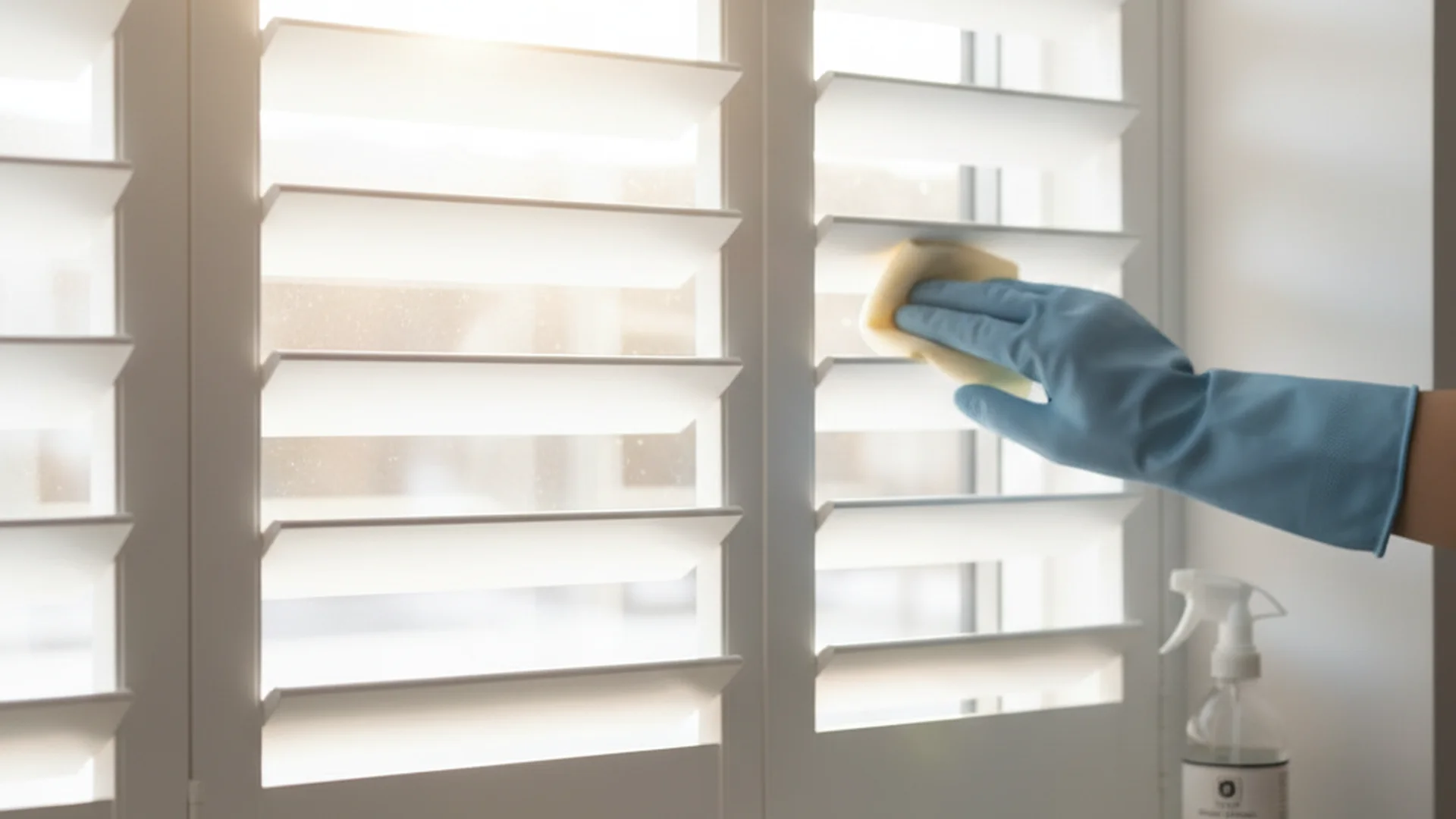
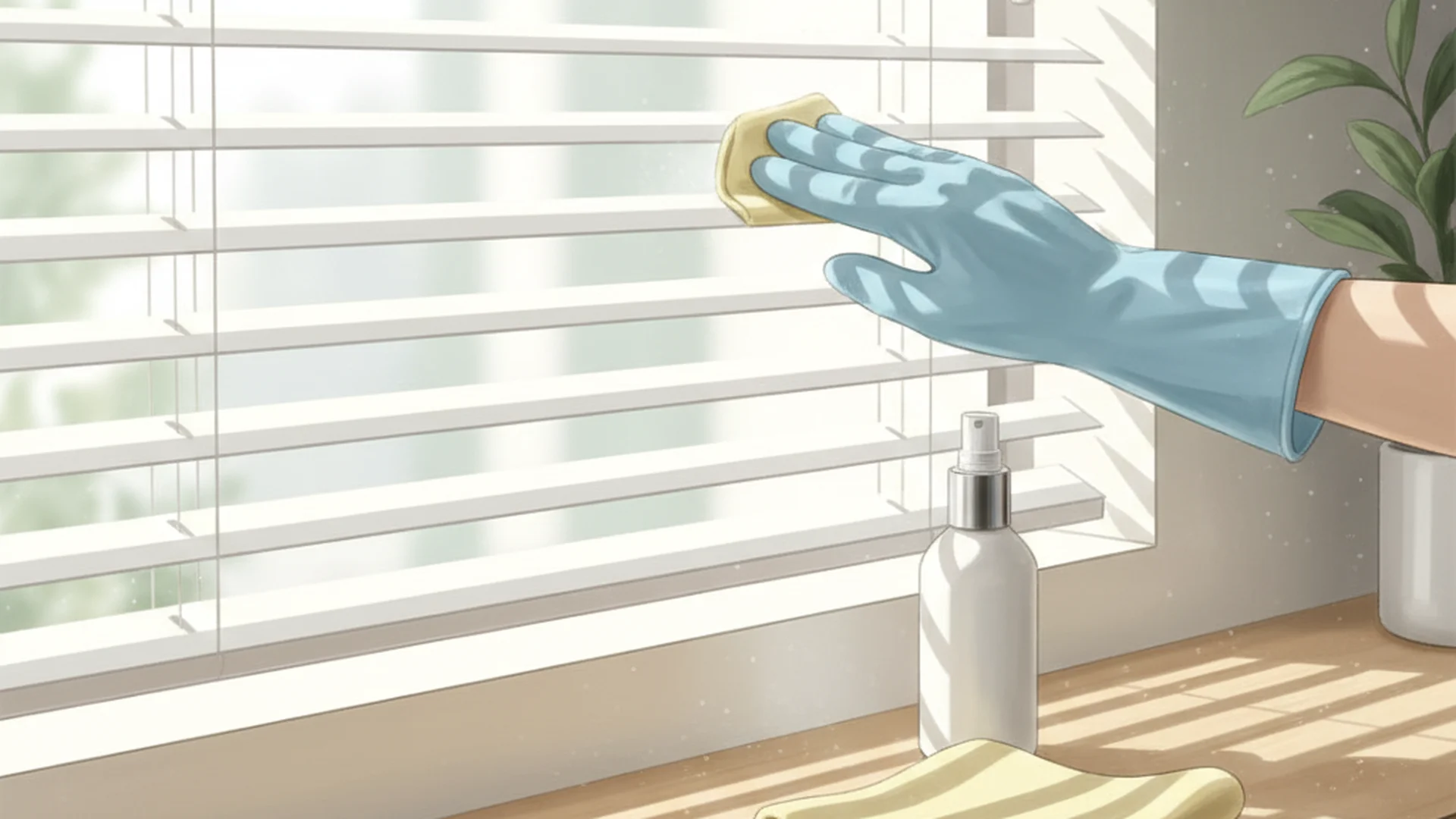
These are the workhorses of the industry. Because they are made of PVC or a composite, they can handle a bit of moisture. A mixture of warm water and a few drops of dish soap works wonders.
Example: In a kitchen setting, faux wood blinds often collect a "sticky" film from airborne cooking grease. In this case, a mild degreaser or a vinegar-water solution is necessary to break down the grime before it hardens.
Fabric and Cellular Shades
Cellular (honeycomb) shades are excellent for insulation, but their internal "cells" can trap insects and dust. Use a hairdryer on a "cool" setting to blow out any debris trapped inside the cells. For surface stains, use a mild detergent and blot gently.
Note: Fabric shades can lose their shape or adhesive if they become too saturated. Always test a small, inconspicuous area before spot-cleaning.
The Future of Blinds: 2025-2026 Trends
As we move into 2026, the technology behind window treatments is evolving. Maintenance is no longer just about a bucket and a rag.
AI-Powered Maintenance and Smart Blinds
2026 has seen the rise of smart blinds equipped with integrated sensors. These sensors can actually alert homeowners via an app when dust buildup is beginning to affect the motor's efficiency or the responsiveness of light sensors. When cleaning these "smart" treatments, never spray liquids near the headrail where the motor housing and sensors are located.
Ultrasonic Cleaning
While primarily a professional service, ultrasonic cleaning is becoming the standard for residential deep cleans. This process involves placing the blinds in a water tank where high-frequency sound waves create "cavitation bubbles." These bubbles implode upon contact with dirt, pulling grime out of every crevice and even the pull-cords without any abrasive scrubbing.
Sustainable and Enzyme-Based Cleaners
With the trend toward "Biophilic" materials like bamboo and woven grass, traditional chemical cleaners are being phased out. Enzyme-based cleaners are now preferred as they break down organic matter (like pollen or pet dander) without damaging the delicate natural fibers.
Success: Using a citrus-infused vinegar solution (vinegar sat with orange peels for two weeks) is a trending 2026 "green" hack that cleans effectively while leaving a natural, fresh scent.
Common Mistakes to Avoid
Even the most well-intentioned cleaning can go wrong. Avoid these common pitfalls to keep your blinds in top shape:
- The "Direct Spray" Mistake: Spraying cleaning solution directly onto the slats. This leads to drip streaks and can cause liquid to seep into the internal gears. Always spray the cloth first.
- Using Dryer Sheets: You may see this "hack" online claiming it repels dust. However, many modern dryer sheets contain waxes that leave a sticky residue, eventually attracting more dust.
- Ignoring the Headrail: The top metal housing (the headrail) contains the mechanical gears. Dust buildup here can cause the mechanism to stick or the cords to snap.
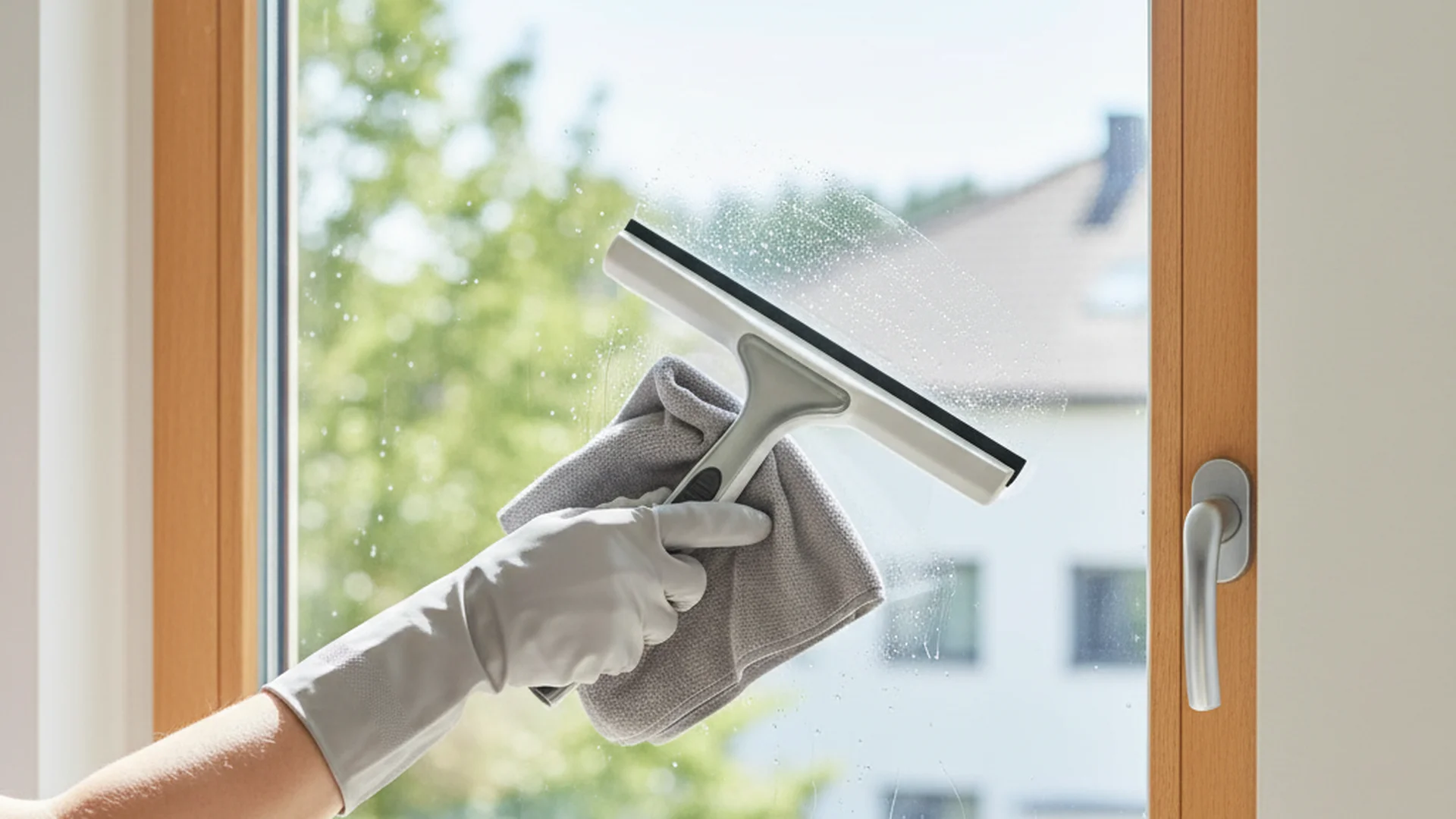
- Forgetting to Dry: Air-drying vinyl or aluminum often results in unsightly water spots. Always follow a wet wipe with a dry microfiber buff.
Warning: Never use abrasive scouring pads on aluminum or vinyl blinds, as they will leave permanent micro-scratches that dull the finish and attract more dirt.
Frequently Asked Questions
How often should I clean my blinds?
Can I soak all blinds in a bathtub?
What is the fastest way to clean individual slats?
How do I clean motorized or "smart" blinds?
Conclusion
Mastering how to clean blinds is an essential skill for any homeowner looking to maintain a healthy and beautiful living space. By matching your cleaning method to the specific material of your blinds and avoiding common mistakes like direct spraying or using dryer sheets, you can significantly extend the lifespan of your window treatments. Whether you are using the "Tongs Hack" for a quick refresh or exploring the benefits of ultrasonic cleaning for a seasonal deep clean, consistency is the key to success.
Success: Regular maintenance doesn't just make your windows look better—it can extend the life of high-quality blinds by up to 7 years, saving you thousands in replacement costs.
Cleaning that keeps score
Every task earns points, every streak multiplies them, and Premium adds a household leaderboard plus a monthly Dustagorgon to beat.
- Free forever
- 30 badges to earn
- Up to 6 in a household
No card needed. Set up your rooms in a couple of minutes.