In this article
What you’ll learn
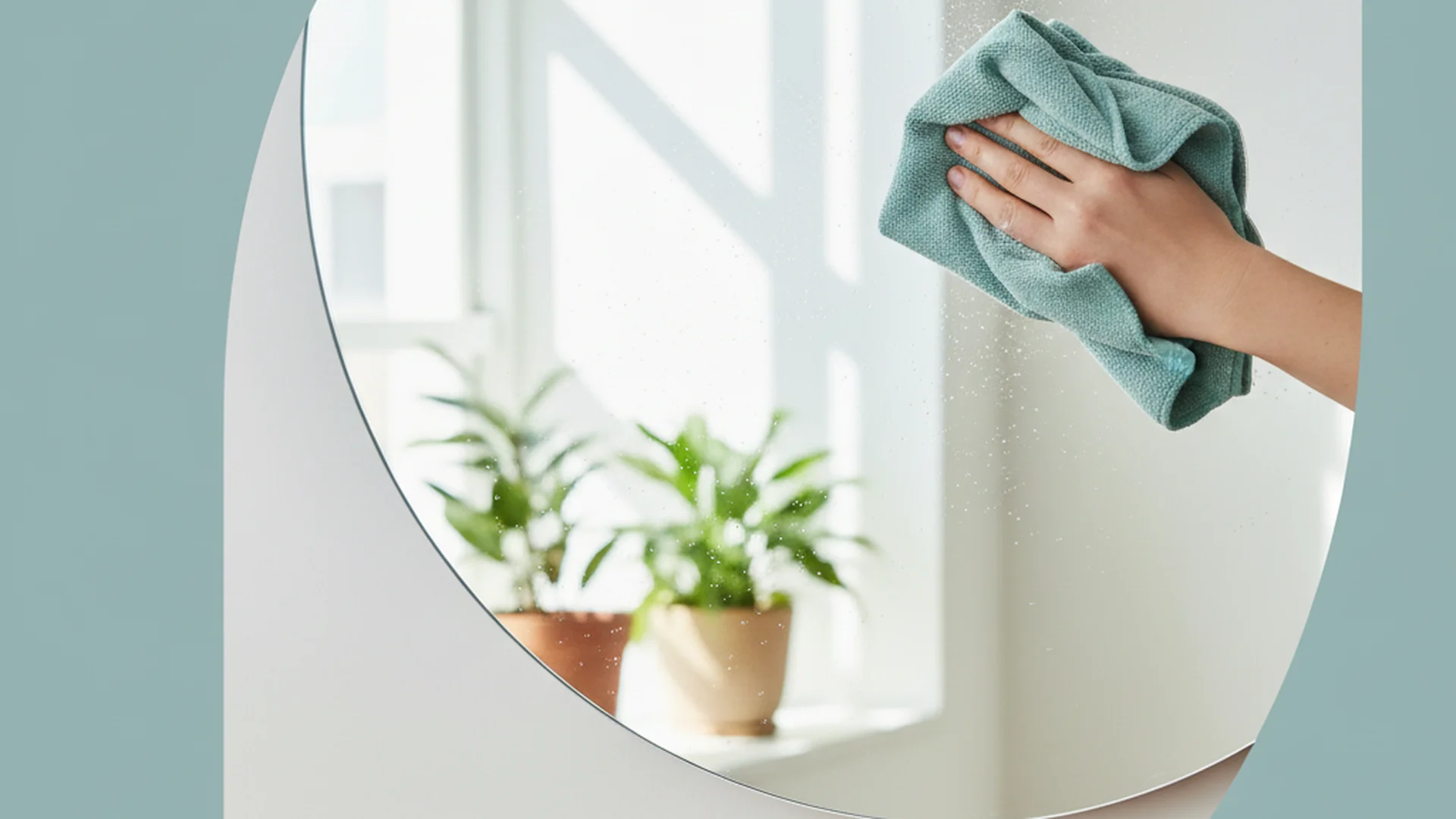
- Use a squeegee and microfiber cloths instead of paper towels or newspapers.
- Mix vinegar, water, and a drop of dish soap for the ultimate DIY solution.
- Always clean on cloudy days to prevent premature drying and streaking.
There is nothing quite like the clarity of a crystal-clear view, yet learning how to clean windows effectively remains one of the most misunderstood household tasks. Many homeowners find themselves frustrated by persistent streaks, "rainbow" residues, and lint left behind by outdated methods. Whether you are prepping your home for a seasonal refresh or staging it for sale, mastering the art of window maintenance is essential for preserving your property's value and aesthetic appeal.
In this guide, we will explore the best way how to clean windows using professional-grade techniques that save time and deliver a flawless finish. From traditional squeegee methods to the latest AI-driven robotic cleaners of 2025, you’ll learn how to achieve professional results without the professional price tag.
Why Window Maintenance is a Critical Investment
Beyond the immediate satisfaction of a clear view, window cleaning plays a significant role in protecting your home. Glass is not as inert as it looks, and the grime that settles on it is doing slow, quiet damage to the pane and the frame beneath it.
Professionally cleaned windows can also make a real difference to how a property presents. If you are selling your home, sparkling glass allows more natural light into the space, making rooms appear larger and more inviting. Aim for a proper clean at least twice per year to prevent permanent damage from mineral buildup, acid rain, and environmental pollutants that can etch the glass over time.
The Essential Window Cleaning Kit
Before you begin, you need to ditch the Windex and paper towels. If you want to know how to clean windows quickly while maintaining a high standard, you need the right tools.
The Professional Toolset
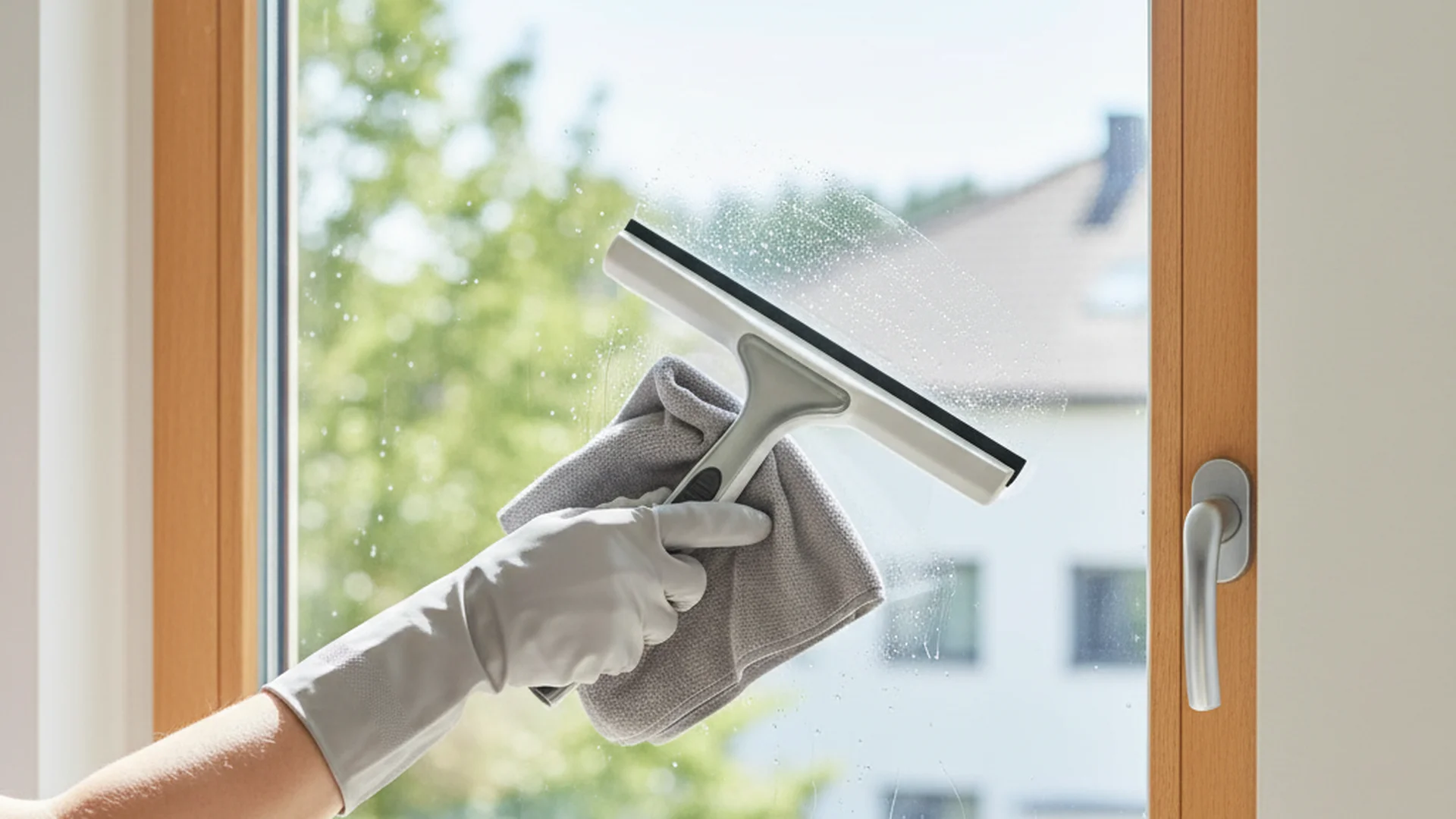
- The Squeegee: This is the non-negotiable tool for a streak-free finish. Look for a model with a replaceable rubber blade.
- T-Bar Washer: This is a handheld tool with a fabric sleeve (usually microfiber) used to scrub the glass and loosen dirt.
- Microfiber Cloths: These are essential for detailing edges and wiping sills. Unlike paper towels, they are lint-free and highly absorbent.
- Telescopic Pole: Safety is paramount. Use a pole to reach second-story windows rather than balancing on a ladder.
The Ultimate DIY Cleaning Solution
While there are many commercial products available, most professionals rely on a simple, eco-friendly mixture that costs pennies to make.
Tip: Mix 2 parts water with 1 part white vinegar and add 2-3 drops of liquid dish soap. The vinegar cuts through grease, while the soap helps the squeegee glide across the glass.
Warning: Avoid overusing dish soap. Too much soap creates a "sticky" residue that actually attracts dust and pollen faster, meaning your windows will get dirty sooner.
The Best Way How to Clean Windows: A Step-by-Step Guide
To achieve a professional-level shine, you must follow a specific order of operations. Skipping steps—like ignoring the frames—will only result in dirty water dripping onto your clean glass later.
Step 1: Prep the Frames and Tracks
Before a single drop of water touches the glass, you must address the surrounding area. Use a vacuum with a crevice tool to remove dead insects, dust, and cobwebs from the window tracks and sills.
Success: Cleaning the tracks first prevents "mud" from forming when your cleaning solution drips down, ensuring the mechanical parts of your window stay functional and mold-free.
Step 2: Scrub the Glass
Dip your T-bar washer (or a soft sponge) into your cleaning solution. Apply it to the glass in a circular motion, ensuring you cover every inch. For stubborn spots like bird droppings or tree sap, use a non-abrasive scrub pad.
Step 3: The Squeegee Technique
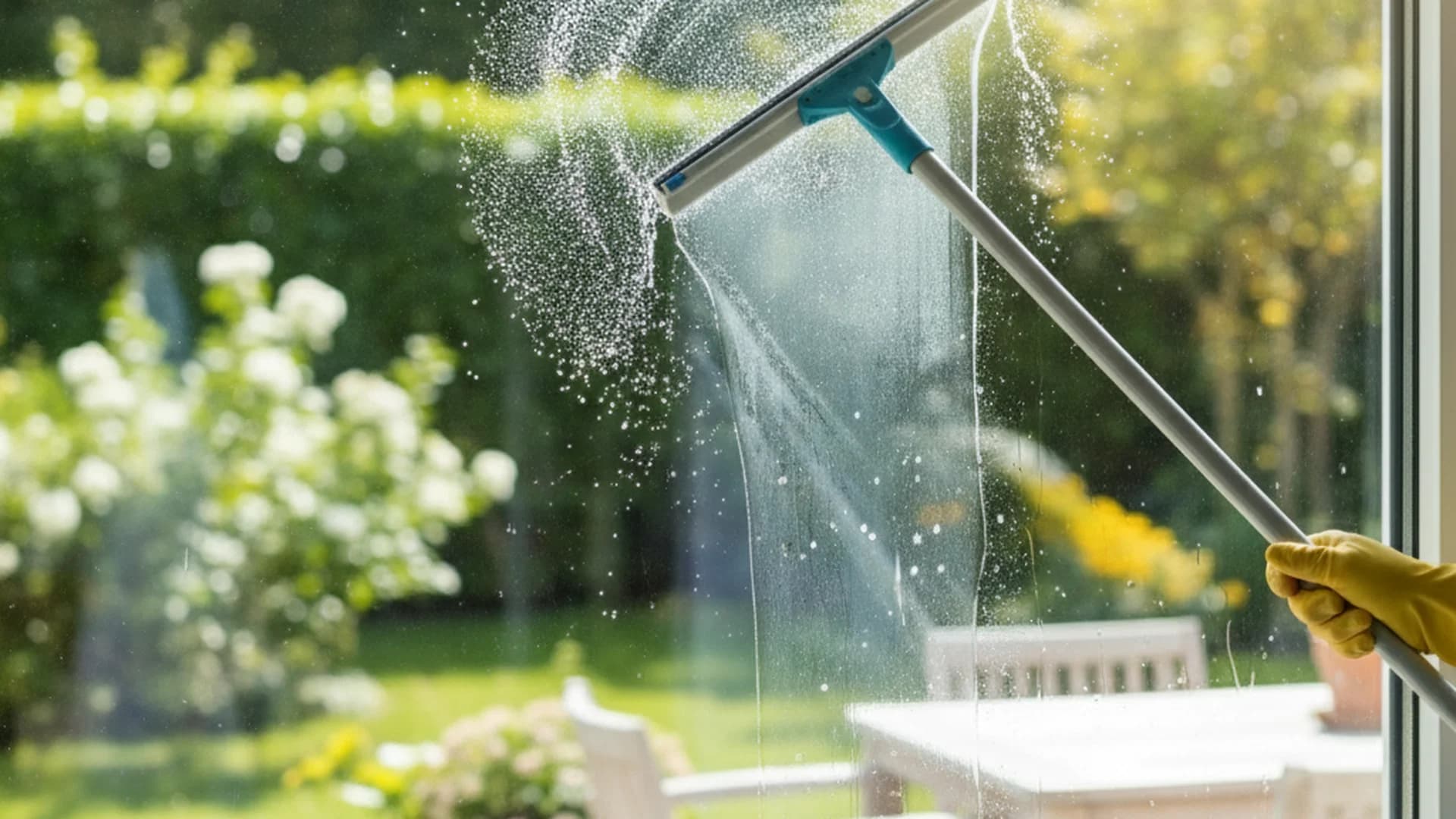
This is where the magic happens. Hold the squeegee at a 45-degree angle. Start at the top corner and pull the blade across the glass in a smooth, continuous motion.
Note: Always wipe the squeegee blade with a dry, lint-free cloth after every single pass. If the blade is wet when it touches the glass for the next stroke, it will leave a streak.
Step 4: Detailing the Edges
Even the best squeegee work leaves a tiny bit of moisture at the very edges of the pane. Use a dry microfiber cloth to "detail" the perimeter, catching any stray drops before they dry.
Real-World Examples and Scenarios
Example 1: The Pollen Season Pivot
In high-pollen areas or regions with heavy construction, the standard "twice-a-year" rule doesn't apply. Homeowners in these environments often find that a quarterly cleaning schedule is necessary to prevent the yellow film of pollen from hardening against the glass, which can become much harder to remove if left for six months.
Example 2: Cleaning in the Rain
It is a common myth that you shouldn't clean windows when it’s raining. In reality, rain is relatively pure; it’s the dirt already sitting on your windows that turns into streaks when it gets wet. Professional cleaners often work through light rain because the overcast sky actually provides the perfect lighting to see spots without the sun drying the solution too quickly.
Example 3: Reaching High Altitudes Safely
Imagine a two-story foyer with a massive "hero" window. Instead of hiring an expensive scaffolding crew, modern homeowners are using telescopic water-fed poles. These poles can reach up to 30 feet and allow you to scrub and rinse with purified water while your feet stay firmly on the ground.
Modern Trends: Window Cleaning in 2025–2026
The industry is currently undergoing a high-tech transformation. If you are looking for how to clean windows quickly and with minimal effort, 2025 has brought several innovations to the consumer market.
- Robotic Window Cleaners: Devices like the Hobot or Anminto series use vacuum suction to attach to the glass and AI to navigate the surface. They are perfect for regular maintenance of large, hard-to-reach panes.
- Self-Cleaning Glass: Many new home builds now feature windows with a titanium dioxide coating. This coating reacts with UV rays to break down organic dirt, which then simply washes away during the next rainstorm.
- Water-Fed Pole Systems: Moving away from detergents, pros are using deionized or reverse-osmosis "pure water." This water acts like a magnet for minerals and dirt, leaving the glass to dry naturally and spot-free without the need for a squeegee.
- Eco-Conscious Focus: The "Green Cleaning" movement of 2025 emphasizes biodegradable solutions and tools made from recycled plastics, reducing the environmental footprint of home maintenance.
Common Mistakes to Avoid
Even with the best tools, a few simple errors can ruin your hard work.
- Cleaning on a Sunny Day: This is the most common mistake. The heat from the sun causes your cleaning solution to evaporate almost instantly, leaving behind "rainbow" streaks and dried soap film. Always choose a cloudy day or work in the shade.
- Using Newspaper: While this was a popular "hack" for decades, modern newspaper inks are different than they used to be. Today's ink can smear onto the glass and permanently stain light-colored vinyl or wood window frames.
- Using Vinegar on Tempered Glass: While vinegar is great for standard glass, some specialized or tempered coatings can be sensitive to high-acid concentrations. Always test a small corner first or ensure you rinse the area thoroughly with plain water.
- Neglecting the Screens: If you clean your windows but put dirty screens back on, the first rain will splash all that trapped dust back onto your clean glass. Wash your screens with mild soap and water and let them dry completely before reinstalling.
Frequently Asked Questions
How often should I clean my windows?
Can I use a pressure washer on my windows?
What is the best way to clean window tracks?
Why are my windows still streaky after cleaning?
Conclusion
Mastering how to clean windows is a blend of using the right chemistry and the right technique. By moving away from old-school methods like newspapers and embracing professional tools like the squeegee and microfiber cloths, you can cut your cleaning time in half and achieve a streak-free shine that lasts for months. Remember to prioritize safety with telescopic tools and always aim for those cloudy days to ensure your solution doesn't dry prematurely.
With the rise of robotic cleaners and eco-friendly DIY solutions, keeping your home’s "eyes" bright and clear has never been more accessible. Take the time to care for your windows today, and you’ll enjoy a brighter, more valuable home tomorrow.
Success: Regular window maintenance not only improves your view but extends the lifespan of your windows by preventing environmental etching and mechanical failure.
Cleaning that keeps score
Every task earns points, every streak multiplies them, and Premium adds a household leaderboard plus a monthly Dustagorgon to beat.
- Free forever
- 30 badges to earn
- Up to 6 in a household
No card needed. Set up your rooms in a couple of minutes.