In this article
What you’ll learn
- Clean the firebox every 50 burns but leave 1 inch of ash for insulation.
- Never use a standard household vacuum; use a dedicated ash vacuum.
- Creosote is responsible for 90% of chimney fires; professional inspections are mandatory annually.
There is nothing quite like the crackle of a warm fire on a chilly evening, but that cozy ambiance comes with a significant responsibility. Knowing how to clean fireplace setups correctly is more than just an aesthetic chore—it is a critical safety requirement for your home. As we move into the 2025-2026 season, new technology and sustainable practices are changing how we approach hearth maintenance.
Heating equipment remains one of the leading causes of home fires, and chimney fires do enormous property damage every winter, so proper maintenance is your first line of defense. In this guide, we will explore the best way how to clean fireplace structures, whether you have a traditional wood-burning hearth or a modern gas insert.
Why Fireplace Maintenance Cannot Be Ignored
Before we dive into the process, it is essential to understand the "why" behind the grime. The primary antagonist in your chimney is creosote. This highly flammable byproduct of wood combustion is responsible for nearly 90% of all chimney fires.
Furthermore, a neglected fireplace is an inefficient one. A buildup of just 1/8 inch of soot slashes the heat transfer efficiency of your fireplace. This means you are burning twice as much wood for half the warmth. By learning how to clean fireplace interiors properly, you save money on fuel and drastically reduce fire risks.
Essential Tools for the Job
To clean your fireplace effectively and safely, you need the right gear. Using the wrong tools can actually damage your home or your health.
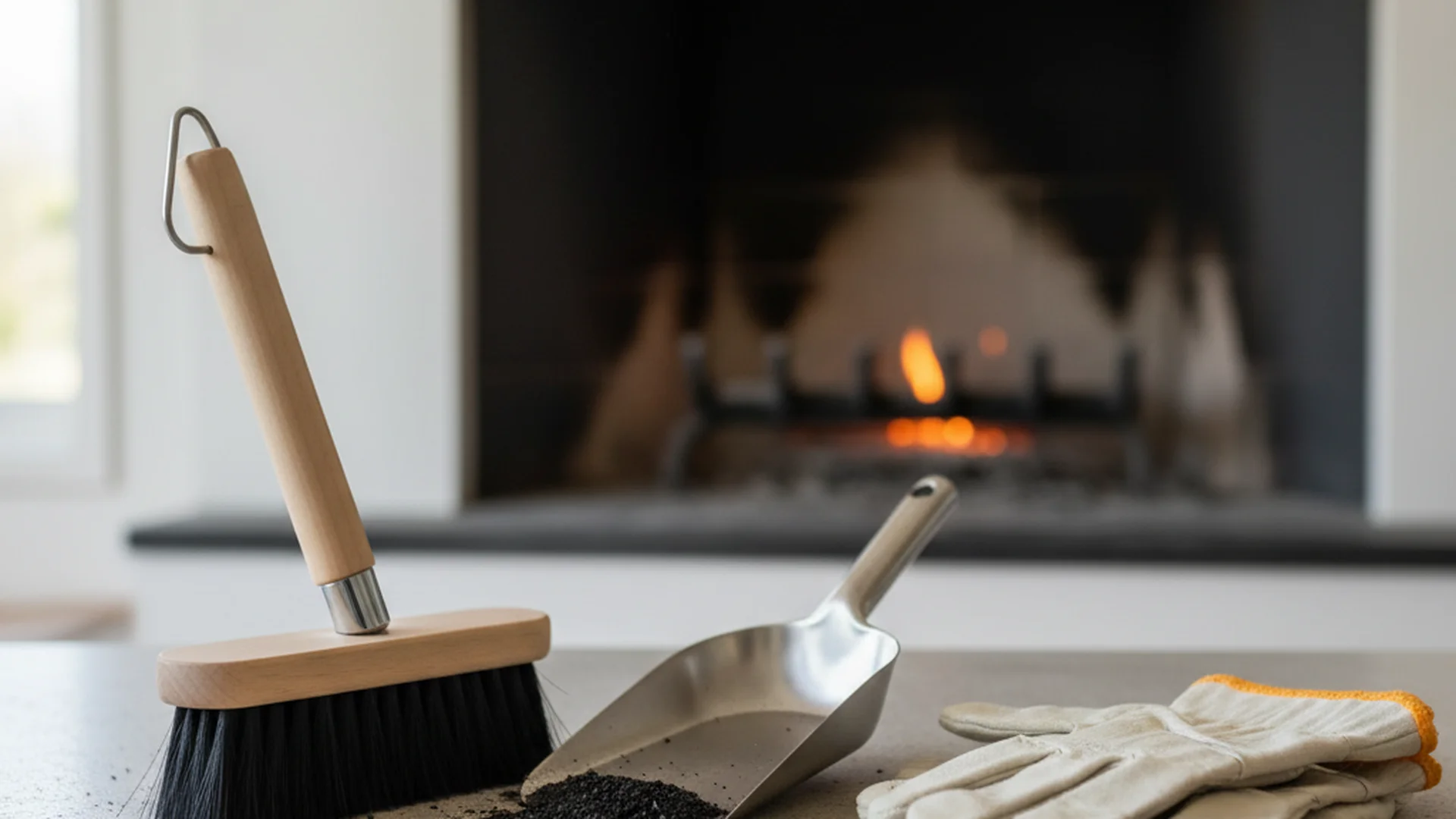
- Ash Vacuum: A specialized, heat-resistant vacuum with a HEPA filter.
- Metal Container: For ash disposal, equipped with a tight-fitting lid.
- Stiff-Bristle Brush: For scrubbing soot from bricks.
- Drop Cloths: To protect your flooring and furniture.
- Personal Protective Equipment (PPE): Dust mask, safety goggles, and heavy-duty gloves.
- pH-Neutral Cleaner or Vinegar: For the firebox walls.
Warning: Never use a regular household vacuum to clean fireplace ash. Fine ash particles can easily bypass standard filters, destroying the motor and blowing fine dust back into your living room air.
How to Clean a Wood-Burning Fireplace Step-by-Step
If you use your fireplace frequently, you should follow the "Rule of 50." This suggests a deep clean of the firebox after every 50 burns. Here is the professional process for 2025.
Step 1: Preparation and Safety
Ensure the fire has been completely out for at least 36 to 48 hours. Even if the fire looks out, embers can hide deep within the ash. Lay down your drop cloths around the hearth to catch any drifting soot.
Step 2: The 1-Inch Ash Rule
While it is tempting to scrub the floor of the firebox until it is spotless, leave a 1-inch layer of ash at the bottom during the burning season. This layer acts as an insulator, reflecting heat back into the room and making it much easier to start your next fire. If you are cleaning at the end of the season, however, remove it all.
Step 3: Clearing the Debris
Use your ash vacuum to remove the bulk of the cold ashes. If you don't have a vacuum, use a small shovel and brush to transfer the ashes into a metal container.
Step 4: Scrubbing the Firebox
Mix a solution of warm water and white vinegar (a 50/50 ratio) or use a specialized soot remover. Use your stiff-bristle brush to scrub the interior bricks.
Tip: Work from the top down. This prevents dirty water from dripping over areas you have already cleaned.
Step 5: Cleaning the Glass
For fireplaces with glass doors, you don't need harsh chemicals.
Success: Use the "Classic Dip" method. Take a damp paper towel, dip it into cold wood ash, and scrub the glass in circular motions. The mild abrasiveness of the ash cuts through soot perfectly without scratching the glass.
How to Clean Fireplace Quickly: The 15-Minute Method
Sometimes you don't have an hour for a deep scrub but need to freshen up the hearth before guests arrive. Here is how to clean fireplace quickly without sacrificing safety:
- Prep (2 mins): Lay down a small sheet or towel in front of the hearth.
- Vacuum (5 mins): Use an ash vacuum to quickly clear the center of the firebox, leaving the edges for the "1-inch rule."
- Glass (5 mins): Use a dedicated fireplace glass spray or the ash-dip method for a quick wipe-down.
- Hearth (3 mins): Wipe the exterior mantel and hearth with a damp microfiber cloth to remove surface dust.
Maintaining a Gas Fireplace
Many homeowners mistakenly believe gas fireplaces are maintenance-free. While they don't produce creosote, they do accumulate dust, pet hair, and carbon buildup.
Handling the Glass Film
Gas fireplace glass often develops a cloudy "white film." This is caused by chemical residues in the gas. If left too long, these chemicals can permanently etch the glass.
The Cleaning Process
- Shut off the gas: Turn off the gas valve and the pilot light. Wait 30 minutes for everything to cool.
- Vacuum the interior: Use a soft brush attachment to remove dust from the faux logs and the burner.
- Clean the glass: Use a specialized gas fireplace glass cream.
Warning: Never use ammonia-based cleaners (like Windex) on gas fireplace glass. The heat can cause the ammonia to react with combustion chemicals, creating permanent, ugly streaks.
2025-2026 Fireplace Trends and Innovations
The world of home maintenance is evolving. Here are the latest trends helping homeowners keep their hearths clean and efficient:
1. AI-Powered Chimney Sensors
A major 2025 trend is the rise of smart chimney monitoring. These devices are installed in the flue to monitor temperature and creosote accumulation. They sync with your smartphone, alerting you exactly when it’s time for a professional sweep, taking the guesswork out of the "Rule of 50."
2. Eco-Friendly Steam Cleaning
In 2026, we are seeing a shift away from chemical degreasers. Homeowners are increasingly using handheld steam cleaners. High-pressure steam can liquefy soot on porous brick and stone, allowing you to wipe it away without any toxic fumes or heavy scrubbing.
3. Sustainable Ash Cycling
Rather than throwing ash in the trash, sustainable homeowners are "cycling" it. Wood ash is incredibly rich in potassium and lime.
Note: You can use your collected fireplace ash as a garden supplement for acid-loving plants or to melt ice on walkways during winter without damaging your concrete.
Common Mistakes to Avoid
Even with the best intentions, DIY fireplace cleaning can go wrong. Avoid these common pitfalls:
- Relying on "Cleaning Logs": While creosote sweeping logs can help loosen buildup, they are not a replacement for mechanical sweeping. They often cause creosote to flake off and collect in the smoke shelf, which can actually create a secondary fire hazard.
- Using Wet ("Green") Wood: Burning wood with a moisture content over 20% creates excessive smoke and rapid creosote accumulation. Use a moisture meter to ensure your wood is properly seasoned.
- Neglecting the "Unused" Fireplace: Even if you didn't light a fire all winter, you still need an inspection. Birds and small animals often build nests in flues during the off-season, which can lead to deadly carbon monoxide backup when you finally use the fireplace.
- Storing Ash Indoors: Never store your ash container inside the house or on a wooden deck. Ashes can harbor live embers for up to 4 days. Store the container outside on a non-combustible surface (like concrete) at least 10 feet from any structure.
Frequently Asked Questions
How often should I clean my fireplace?
Can I use water to put out a fire before cleaning?
Why does my fireplace smell even when there is no fire?
What is the best way to clean soot off of outdoor stone or brick?
Conclusion
Mastering how to clean fireplace units is a vital skill for every homeowner. By following the "Rule of 50," utilizing modern tools like ash vacuums, and staying aware of 2025 technology like AI sensors, you can enjoy your hearth with peace of mind. Remember, while DIY maintenance keeps the firebox looking great, it never replaces the need for an annual professional inspection to ensure your flue is clear and safe.
Success: A clean fireplace burns hotter, uses less wood, and keeps your family safe from the hidden dangers of creosote buildup.
Cleaning that keeps score
Every task earns points, every streak multiplies them, and Premium adds a household leaderboard plus a monthly Dustagorgon to beat.
- Free forever
- 30 badges to earn
- Up to 6 in a household
No card needed. Set up your rooms in a couple of minutes.