In this article
What you’ll learn
- Identify whether your leather is protected or unprotected before cleaning.
- Avoid harsh chemicals like Dawn dish soap or undiluted vinegar.
- Focus on weekly dusting to prevent most structural wear.
Leather furniture is more than just a place to sit; it is a significant investment in your home’s aesthetic and comfort. However, many owners feel intimidated when it comes to maintenance. Knowing how to clean leather furniture properly is the difference between a sofa that lasts 25 years and one that begins to crack and peel within five.
In this guide, we will explore the best way how to clean leather furniture using professional techniques, eco-friendly 2025 trends, and time-saving strategies for busy households. Whether you are dealing with a vintage heirloom or a modern "smart" recliner, these expert steps will ensure your leather remains supple and beautiful.
Understanding Your Leather Type
Before you reach for a cleaning cloth, you must understand what you are working with. Not all leather is created equal, and using the wrong product on the wrong surface can cause permanent discoloration.
Protected vs. Unprotected Leather
Most modern furniture falls into one of two categories:
- Pigmented (Protected) Leather: This is the most common type found in family homes. It features a polymer coating that makes it durable and resistant to spills. It is generally the easiest to clean.
- Aniline (Unprotected) Leather: This leather is dyed with soluble dyes but lacks a protective topcoat. It feels incredibly soft but is highly porous and sensitive to liquids and oils.
| Leather Type | Appearance | Water Test Reaction | Maintenance Level |
|---|---|---|---|
| Pigmented | Consistent color, slight sheen | Water beads on surface | Low to Medium |
| Aniline | Natural markings, matte finish | Water darkens and absorbs | High |
Note: To test your leather, find a hidden spot and apply a single drop of distilled water. If it beads up, you have protected leather. If it soaks in and leaves a dark spot, it is aniline.
The Best Way How to Clean Leather Furniture: A 3-Stage Routine
Professional cleaners utilize a tiered approach to leather care. This prevents over-cleaning, which can strip away the natural oils that keep the material flexible.
Stage 1: The Weekly Dust-Down
Much of the wear leather suffers comes from "micro-abrasions." Dust particles act like tiny sandpaper every time you sit down.
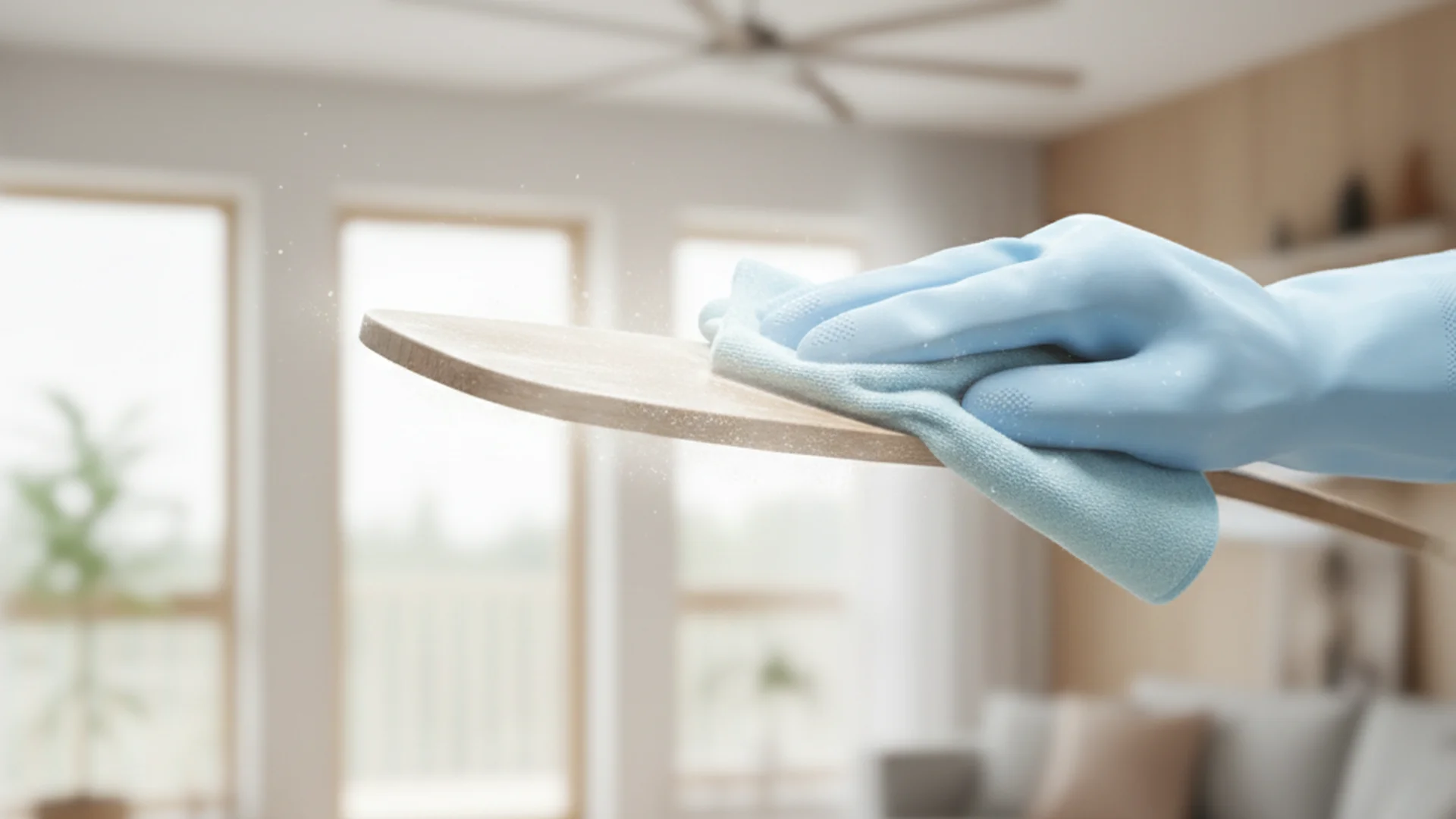
- Use a dry, clean microfiber cloth to wipe down all surfaces.
- Use a vacuum with a soft brush attachment to clear out the crevices.
- Pay special attention to the "contact points"—the headrests and armrests where skin oils accumulate.
Stage 2: The Monthly Deep Clean
For a thorough cleaning, you need a pH-balanced leather cleaner. Avoid generic all-purpose cleaners, as they are often too alkaline for leather's slightly acidic nature.
- Vacuum first: Never apply liquid to a dusty sofa, as it creates a "mud" that can grind into the grain.
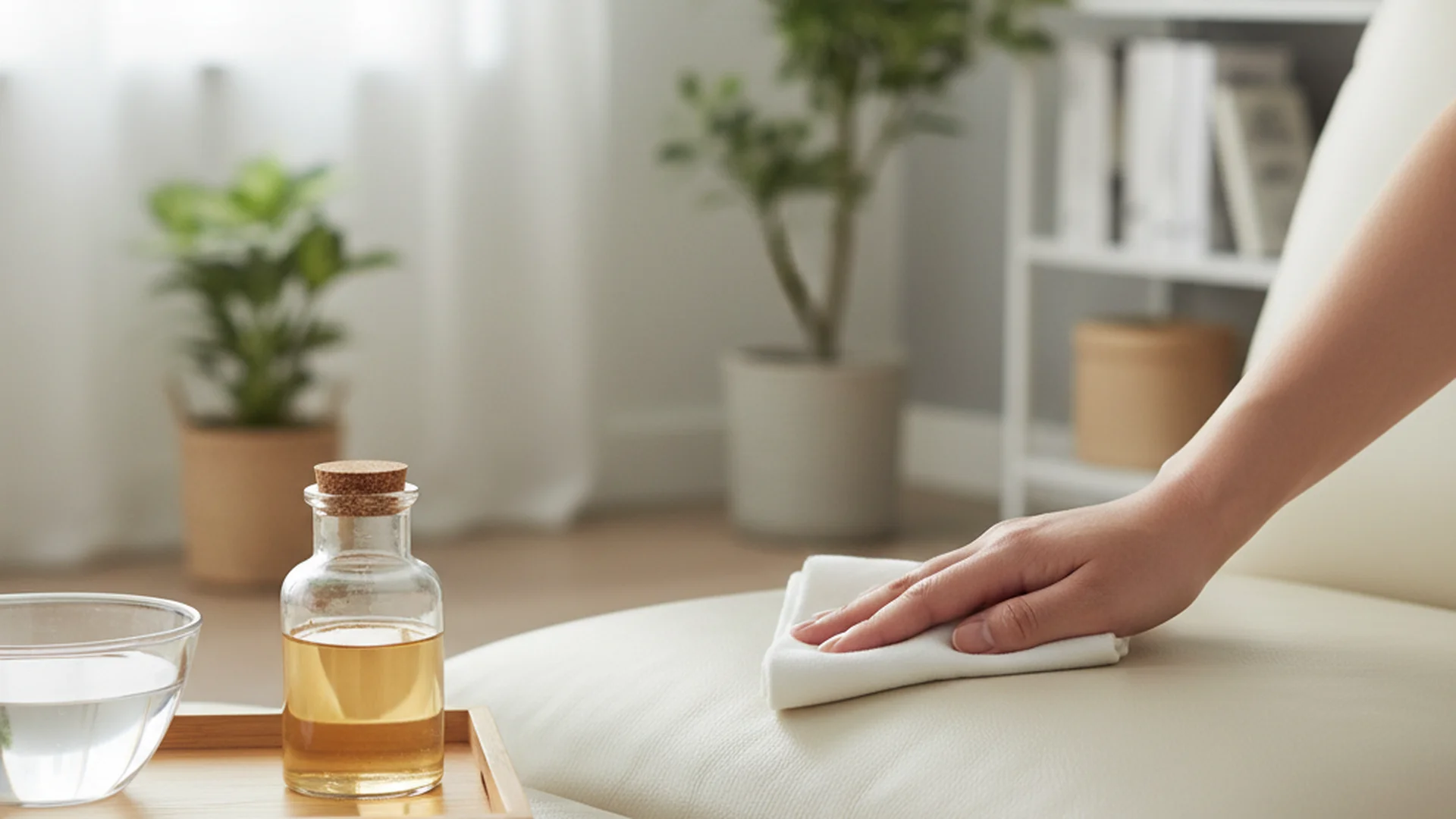
- Apply cleaner: Spray the cleaner onto a cloth, never directly onto the furniture.
- Wipe in circles: Use gentle, circular motions to lift dirt.
- Buff dry: Use a second dry cloth to remove any excess moisture immediately.
Stage 3: Bi-Annual Conditioning
As we move into 2025, the focus has shifted toward "preservation over replacement." Conditioning your leather every 6 to 12 months (or quarterly in dry climates) is essential to prevent cracking.
Tip: Use a plant-based conditioner featuring beeswax or carnauba wax. These 2025 eco-friendly formulations provide a natural barrier without the "sticky" feel of petroleum-based products.
How to Clean Leather Furniture Quickly
We don't always have an hour to dedicate to upholstery maintenance. If you have guests arriving and need to know how to clean leather furniture quickly, follow this "5-Minute Refresh" strategy:
- Focus on the Contact Points: Wipe down only the armrests and seat cushions. These are the areas guests see and feel the most.
- Use Specialized Wipes: Keep a canister of furniture-specific leather wipes on hand. They are pre-saturated with just enough cleaner to refresh the surface without over-saturating the material.
- The 60-Second Dust: A quick pass with a high-quality duster can instantly restore the sheen of a leather sofa.
Warning: Never use baby wipes or disinfecting wipes on leather. They contain alcohol and chemicals that will dry out the finish and cause peeling over time.
Real-World Examples of Leather Care
Example 1: The "Spilled Latte" on Pigmented Leather
A homeowner spills coffee on their protected leather sofa. Because it is pigmented, they have a "golden window" of about 10 minutes. They immediately blot (not rub) the liquid with a paper towel. Following this, they use a damp microfiber cloth with distilled water to remove the residue. Because they didn't scrub, the protective coating remains intact.
Example 2: The Sun-Drenched Reading Nook
An aniline leather chair sits in a bright sunroom. Over two years, the owner notices the color fading—a common issue addressed by 2025’s trend of UV-enhanced conditioners. They apply a restoration balm to add pigment back into the fibers and finish with a UV-protectant conditioner to prevent further sun bleaching.
Example 3: The New Puppy Scenario
A family with a new pet deals with mud and hair. They implement the "Weekly Dust-Down" strategy, using a lint roller for hair and a pH-neutral spray for muddy paw prints. By cleaning "little and often," they prevent the need for a professional restoration service.
Common Mistakes to Avoid
Even with the best intentions, it is easy to damage leather if you use the wrong techniques.
- Using Too Much Water: Leather is skin. If it gets soaking wet, it can swell, lose its shape, or even develop mold within the internal cushioning.
- Heat Drying: If you do get the leather wet, never use a hairdryer or place it near a radiator to speed up drying. This causes the leather to shrink and crack. Always allow it to air dry naturally.
- Applying Dawn Dish Soap: While great for dishes, dish soap is a degreaser. It will strip the essential oils from your leather, leading to a brittle texture.
- Skipping the Test Spot: Even "safe" cleaners can react poorly with certain dyes. Always test a new product on the underside or back corner of the furniture first.
Success: Regularly following these steps can extend the life of your sofa from 10 years to over 25 years, saving you thousands in replacement costs.
Frequently Asked Questions
Can I use Dawn dish soap to clean my leather sofa?
What is the best way to clean leather furniture?
How often should I condition my leather?
Is vinegar safe for leather?
How do I remove an ink stain?
Conclusion
Mastering how to clean leather furniture is a fundamental skill for any homeowner looking to preserve their investment. By identifying your leather type, sticking to a three-stage cleaning routine, and avoiding common pitfalls like excess heat or harsh soaps, you can keep your furniture looking showroom-new for decades. As we head into 2025 and 2026, the trend is clear: sustainable, proactive care is the best way to ensure your home remains both beautiful and eco-friendly.
Cleaning that keeps score
Every task earns points, every streak multiplies them, and Premium adds a household leaderboard plus a monthly Dustagorgon to beat.
- Free forever
- 30 badges to earn
- Up to 6 in a household
No card needed. Set up your rooms in a couple of minutes.