In this article
What you’ll learn
- Identify your blind material before choosing a cleaning solution to prevent damage.
- Use a degreasing agent like dish soap to break down airborne cooking oils.
- Dry dusting must always precede wet cleaning to avoid creating "muddy" streaks.
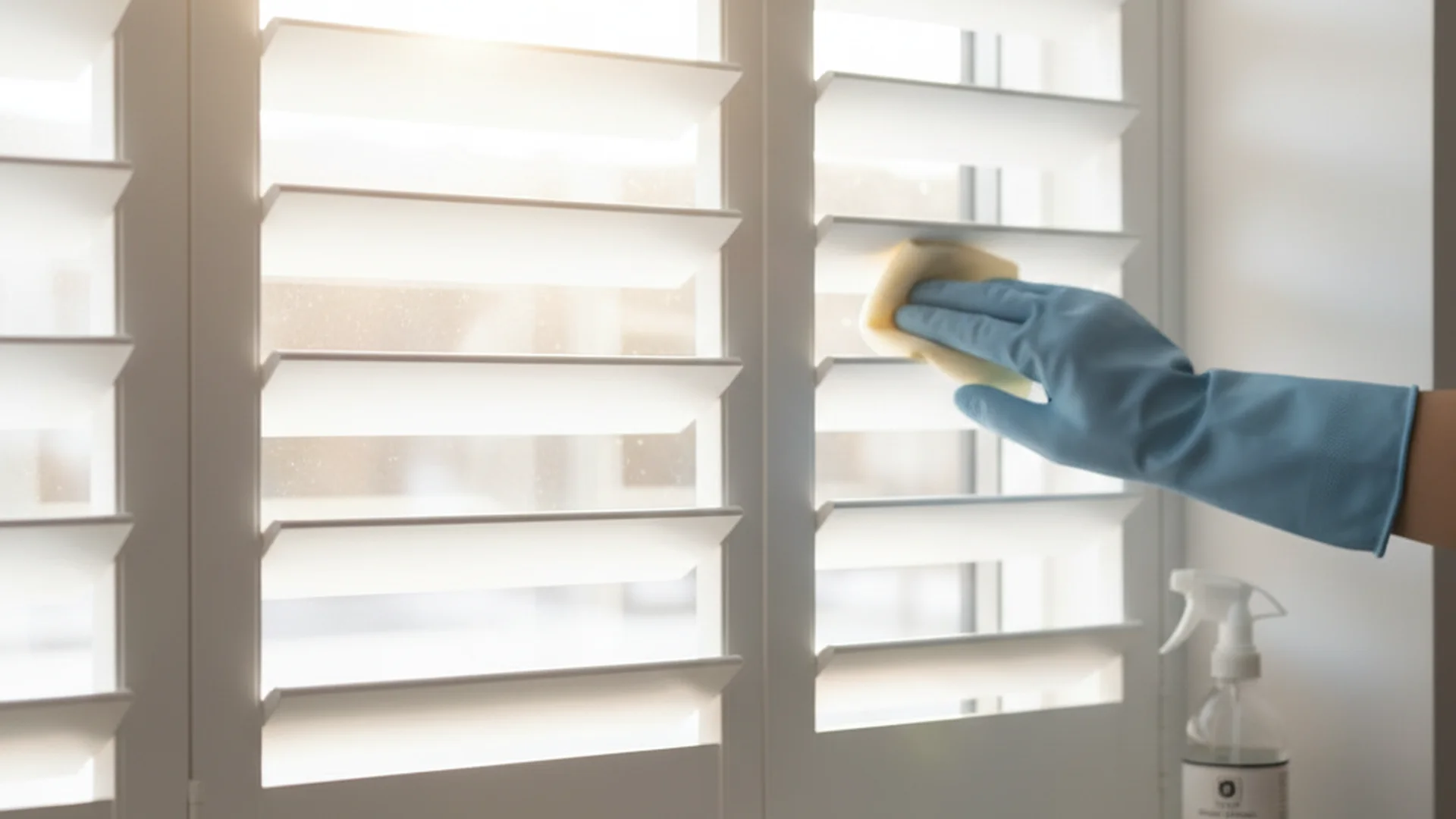
The kitchen is the heart of the home, but it is also the most challenging room to keep clean. While we often focus on countertops and appliances, our window treatments quietly collect a stubborn cocktail of dust, steam, and airborne grease. If you have ever touched your slats and felt a tacky, yellowish residue, you know exactly what I mean. Learning how to clean kitchen blinds effectively is not just about aesthetics; it is about hygiene, fire safety, and extending the life of your investment.
In this guide, we will explore the best way clean kitchen blinds based on the latest 2025-2026 industry standards, ensuring your home remains a healthy and beautiful environment.
Why Kitchen Blinds Require Special Care
Kitchen blinds face unique environmental stressors that bedroom or living room blinds do not. This growth is driven by a heightened consumer focus on home hygiene.
In the kitchen, "hygiene" means more than just wiping surfaces. Accumulated grease on blinds can become a legitimate fire hazard if located near a stovetop, and the sticky residue acts as a magnet for bacteria and allergens. Furthermore, as we move into 2026, the trend toward eco-friendly cleaning is stronger than ever, with 46% of consumers now opting for natural, non-toxic solutions to keep their cooking spaces safe.
Step 1: Identify Your Blind Material
Before you grab a bucket of water, you must know what your blinds are made of. Using the wrong method can lead to warping, rust, or permanent discoloration.
| Material | Water Resistance | Best Cleaning Method |
|---|---|---|
| Faux Wood | High | Soap and water / "Sock Method" |
| Real Wood | Low | Damp cloth / Wood conditioner |
| Aluminum | High | Vinegar solution / Tub soak |
| Fabric | Low | Vacuuming / Blotting |
| Vinyl | High | Soap and water / Tub soak |
Warning: Never soak real wood blinds. Even a five-minute immersion can cause the slats to bow, crack, or lose their protective finish.
The Professional Deep Clean Process
Regardless of the material, professionals follow a specific sequence to ensure a streak-free finish.
1. The Essential Dry Dust
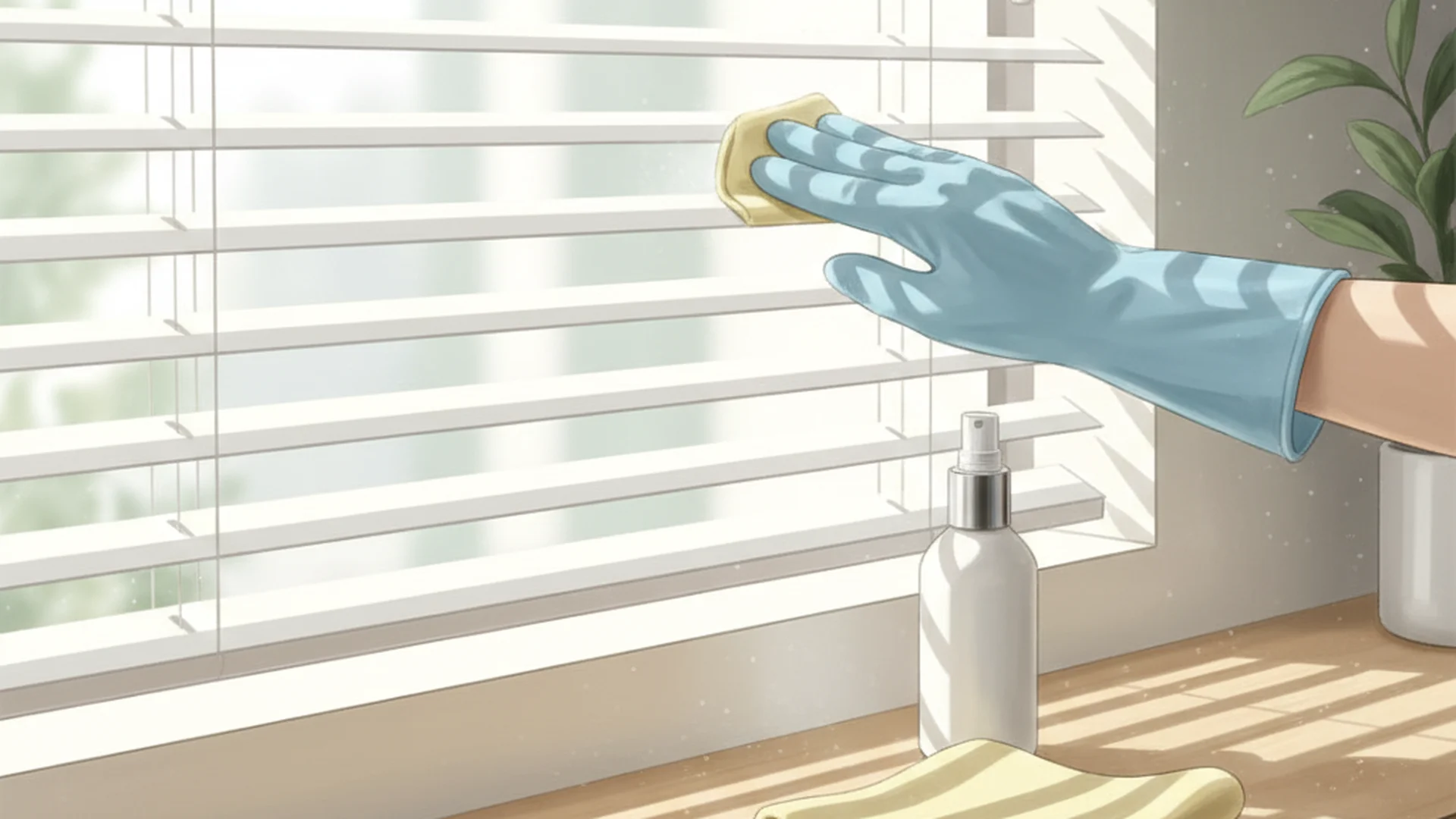
Never start with a wet cloth on a dusty blind. When water hits heavy dust, it creates a "muddy" paste that gets pushed into the corners and mechanisms. Use a microfiber cloth or a vacuum with a soft brush attachment to remove loose debris first.
2. The Degreasing Phase
Kitchen grime is primarily oil-based. To break this down, you need a high-quality degreasing agent.
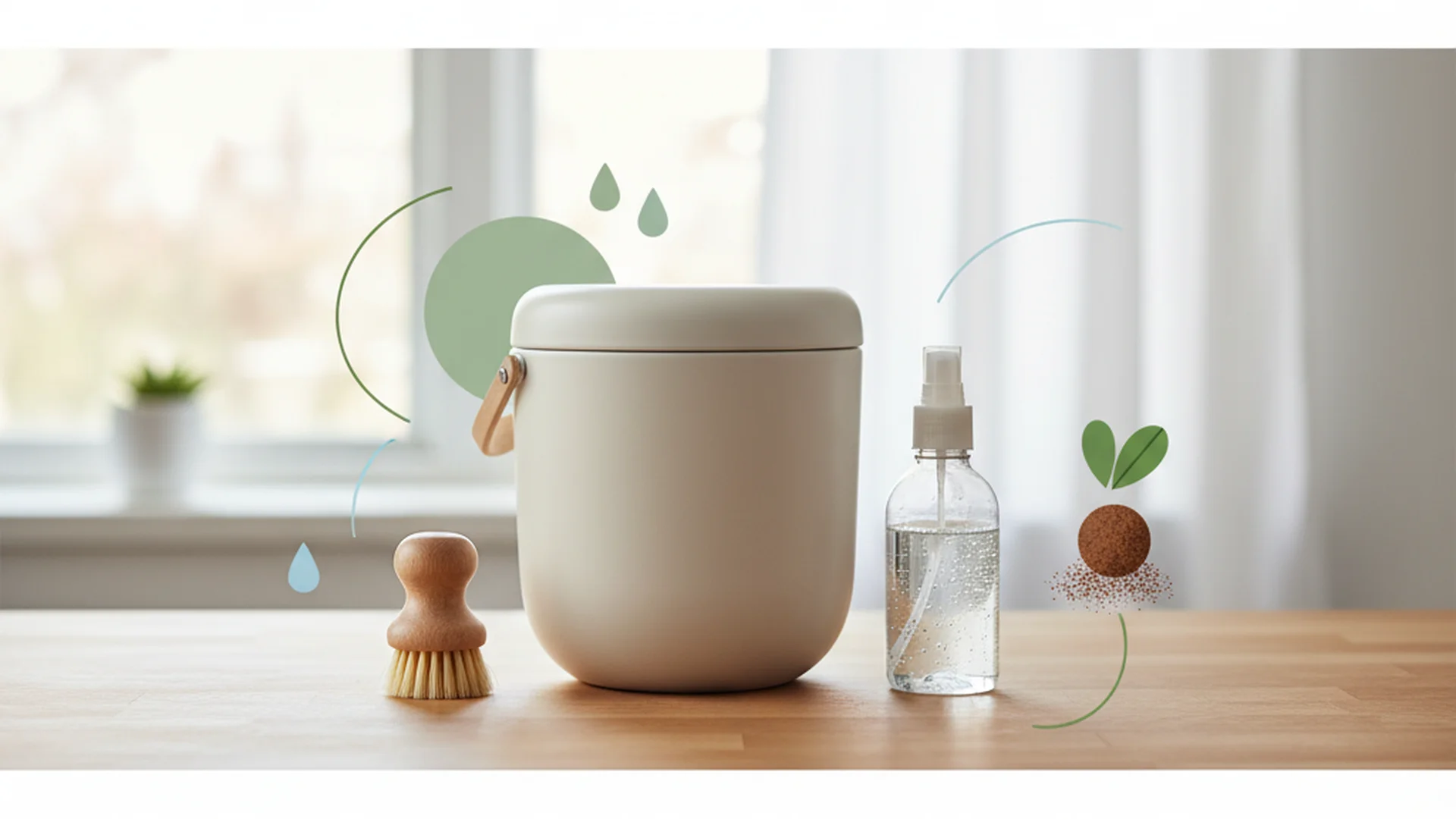
- The Natural Way: A 50/50 mix of white vinegar and warm water.
- The Soap Way: A few drops of grease-cutting dish soap (like Dawn) in a gallon of warm water.
3. The "Sock Method" for Precision
This is the best way clean kitchen blinds without taking them down. Place an old (clean) sock over your hand like a puppet. Dip your "sock hand" into your cleaning solution, wring it out until it is just damp, and then grip an individual slat between your fingers. Slide your hand from one end to the other, cleaning the top and bottom of the slat simultaneously.
4. Rinse and Dry
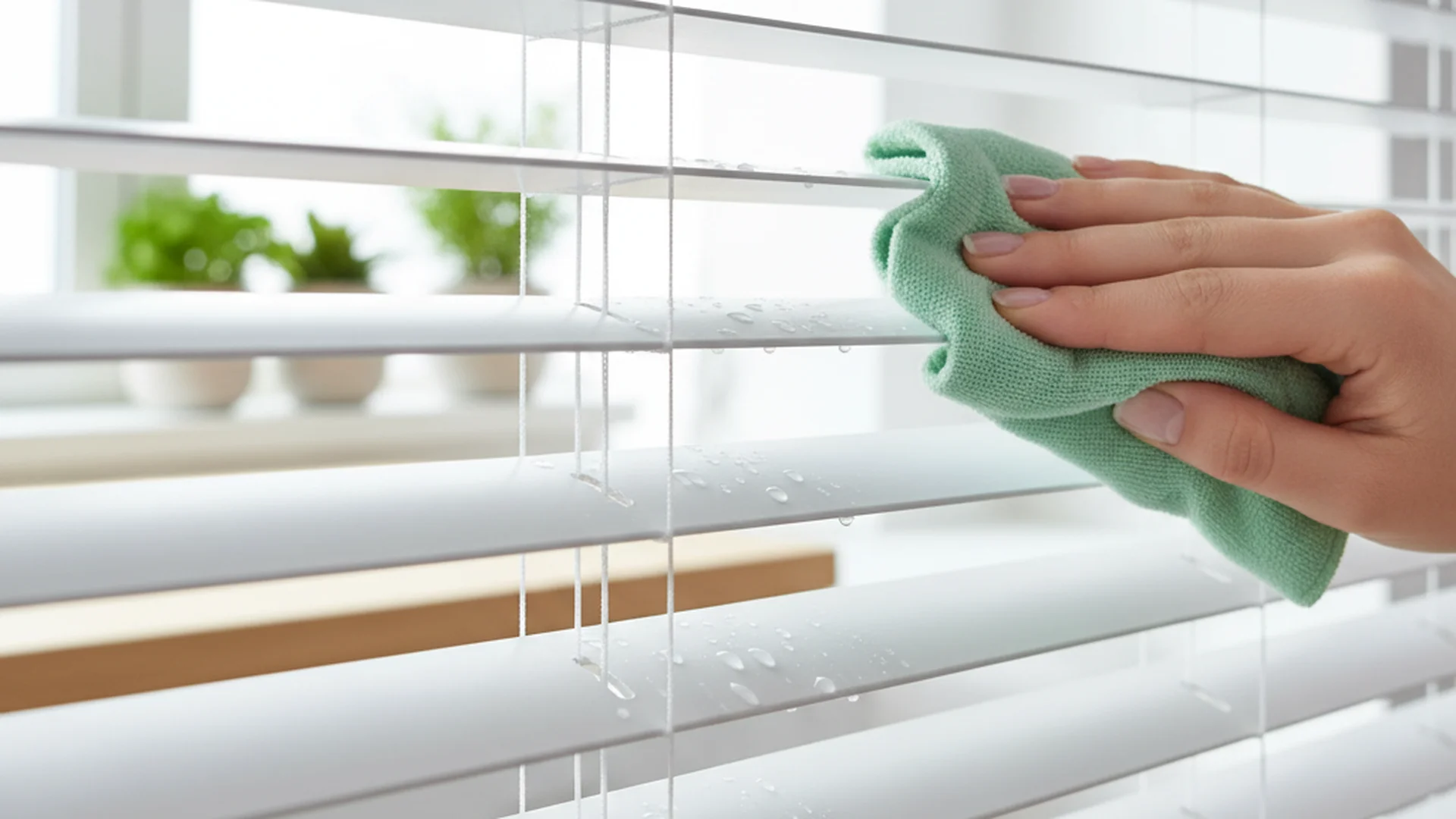
Wipe the slats again with a cloth dampened with plain water to remove any soap residue. Follow up immediately with a dry, lint-free cloth.
Tip: After your blinds are dry, wipe the slats with a dryer sheet. This eliminates static electricity, which prevents dust from "leaping" back onto the surface immediately.
Real-World Examples: Challenges and Solutions
Example 1: The "Fried Chicken" Residue
A client recently contacted me after a year of heavy stovetop frying. Their white faux-wood blinds had turned a sticky orange. For this level of buildup, a simple wipe-down wasn't enough. We used the "Tub Soak" method (applicable only to vinyl or faux wood). We submerged the blinds in a bathtub of warm water and heavy-duty degreaser for 30 minutes. The grease literally floated away, requiring only a light brush to finish the job.
Example 2: The Rental Property Makeover
In a 2025 rental turnover, we encountered metal blinds covered in decades of "dust-grease" (the hardened, grey substance that resists scrubbing). We used methylated spirits on a microfiber cloth for spot-treating the most stubborn areas.
Note: If using methylated spirits or harsh solvents, always perform a spot test on an inconspicuous area first to ensure the paint doesn't peel.
Example 3: Maintaining Smart Blinds
A homeowner with high-tech motorized blinds needed a cleaning solution that wouldn't fry the electronics. We recommended a "minimal moisture" approach, using a slightly damp microfiber cloth and avoiding the top header rail where the motor and AI components are housed.
Common Mistakes to Avoid
- Using Abrasive Tools: Avoid steel wool or "magic erasers" on vinyl and faux wood. These can strip the UV coating, causing the blinds to turn yellow and brittle in the sun.
- Bleach Overload: Many homeowners believe bleach will whiten yellowed plastic. In reality, bleach can cause a chemical reaction that makes the yellowing permanent. Stick to vinegar and baking soda.
- Forgetting the Cords: We often clean the slats but forget the lift cords. Over time, oils from your hands transfer to the cords, making them snap or look dingy. Pull the cords taut and wipe them down with a damp cloth.
- Cleaning in Direct Sunlight: If the sun is beating down on your window, the cleaning solution will dry too fast, leaving unsightly streaks and water spots.
Success: By following a material-specific approach, you can restore your kitchen blinds to their original luster and improve the air quality of your home.
2025-2026 Trends in Kitchen Blinds
The industry is shifting toward materials and technologies that make cleaning easier.
- Biophilic Design: We are seeing a rise in bamboo and woven wood blinds. These require "dry" cleaning or specialized wood conditioners.
- Ultrasonic Cleaning: A rising professional trend where blinds are submerged in a tank and cleaned via high-frequency sound waves. This is the safest way to deep-clean delicate or intricate blinds.
- No-Drill Blinds: These are becoming standard for renters and DIYers, as they can be easily unmounted for a thorough cleaning on a flat surface.
Frequently Asked Questions
How do I remove sticky grease without scrubbing for hours?
Can I put my blinds in the bathtub?
How often should kitchen blinds be cleaned?
Can I machine wash fabric kitchen blinds?
Conclusion
Understanding how to clean kitchen blinds is a fundamental skill for any homeowner. By matching your cleaning method to your specific material and addressing grease buildup before it hardens, you ensure a cleaner, safer, and more inviting kitchen. Whether you are using the "Sock Method" for a quick refresh or a "Tub Soak" for a deep restoration, consistency is key to maintaining a beautiful home.
Cleaning that keeps score
Every task earns points, every streak multiplies them, and Premium adds a household leaderboard plus a monthly Dustagorgon to beat.
- Free forever
- 30 badges to earn
- Up to 6 in a household
No card needed. Set up your rooms in a couple of minutes.