In this article
What you’ll learn
- Identify your wood finish before applying any liquid cleaners.
- Maintain indoor humidity between 30% and 50% to prevent structural damage.
- Avoid silicone-based polishes and aerosols to protect the long-term integrity of the finish.
Wood furniture is more than just a functional part of your home; it is an investment, a piece of history, and often a family heirloom. However, many homeowners inadvertently damage their pieces by using improper techniques. If you are wondering how to clean wood furniture without stripping its natural beauty, you have come to the right place. In 2025, the focus has shifted away from harsh chemical sprays toward sustainable, biophilic maintenance that respects the organic nature of the timber.
Whether you are trying to clean wood furniture at home for the first time or you are looking for the best way clean wood furniture that has been in your family for generations, this guide provides a professional consultant's perspective on preservation and shine.
The Science of Wood Care
Before we pick up a cloth, we must understand the material. Wood is hygroscopic, meaning it is a living, breathing material that reacts to its environment. It absorbs and releases moisture based on the humidity in your home. Expert consensus from the Woodworkers Guild suggests that maintaining an indoor humidity level of 30% to 50% is the most critical step in wood maintenance. Without this balance, even the most expensive mahogany or oak can crack, warp, or "check."
Furthermore, household dust is more dangerous than it looks. While roughly 20-50% of dust is comprised of dead skin cells, the remainder often contains silica and microscopic minerals. When you wipe a dry cloth across a dusty table, these minerals act like sandpaper, creating micro-scratches that dull the finish over time.
Step 1: Identify Your Finish
The best way clean wood furniture starts with knowing what you are cleaning. Not all wood is treated the same. A modern lacquer finish requires different care than a 19th-century oil-rubbed chest.
The Water Drop Test
To identify your finish, find an inconspicuous spot (like the back of a chair leg) and place a single drop of water on it.
- Sealed Finishes: If the water beads up and stays on the surface, your wood is sealed (lacquer, polyurethane, or shellac).
- Unsealed/Oil Finishes: If the water eventually soaks in and darkens the wood, it is an oil finish or unfinished wood.
Note: Unsealed wood should never be cleaned with water-based solutions. These pieces require specialized wax pastes to prevent the wood fibers from swelling.
Step 2: Gathering Your Professional Toolkit
Forget the "all-purpose" sprays in the cleaning aisle. To clean wood furniture at home like a professional, you need a specific set of tools that prioritize the longevity of the finish.
| Tool/Ingredient | Purpose | Why It Matters |
|---|---|---|
| Split-weave Microfiber | Dusting & Wiping | Traps silica instead of scratching surfaces. |
| Mild Dish Soap (pH Neutral) | Deep Cleaning | Breaks down oils without eating the finish. |
| Odorless Mineral Spirits | Removing Grime | Dissolves old wax and "sticky" buildup safely. |
| Distilled Water | Dilution | Prevents mineral spotting from hard tap water. |
| Solid Beeswax | Protection | Provides a breathable, non-silicone barrier. |
Warning: Never use paper towels on high-gloss wood finishes. The wood pulp fibers in paper towels are abrasive and will leave swirl marks.
Step 3: The Multi-Stage Cleaning Process
We follow a "mildest method first" rule. This ensures we never use more chemical force than is absolutely necessary.
Phase 1: The Tactical Dust
Using a high-quality microfiber cloth, wipe the furniture in the direction of the grain. This picks up the abrasive dust particles. Avoid feather dusters; they often just move dust into the air only for it to land back on the furniture ten minutes later.
Phase 2: The Damp Wipe
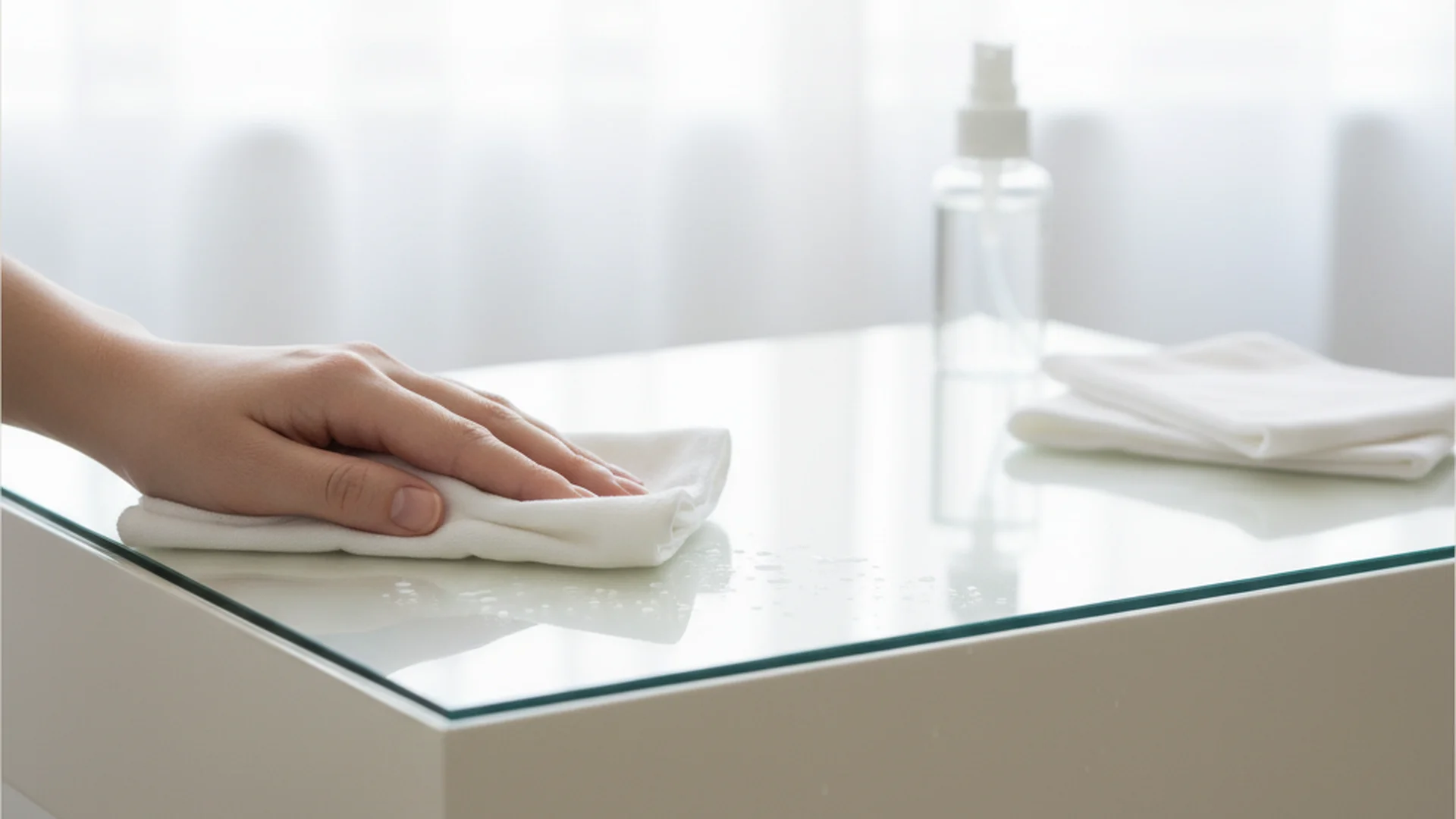
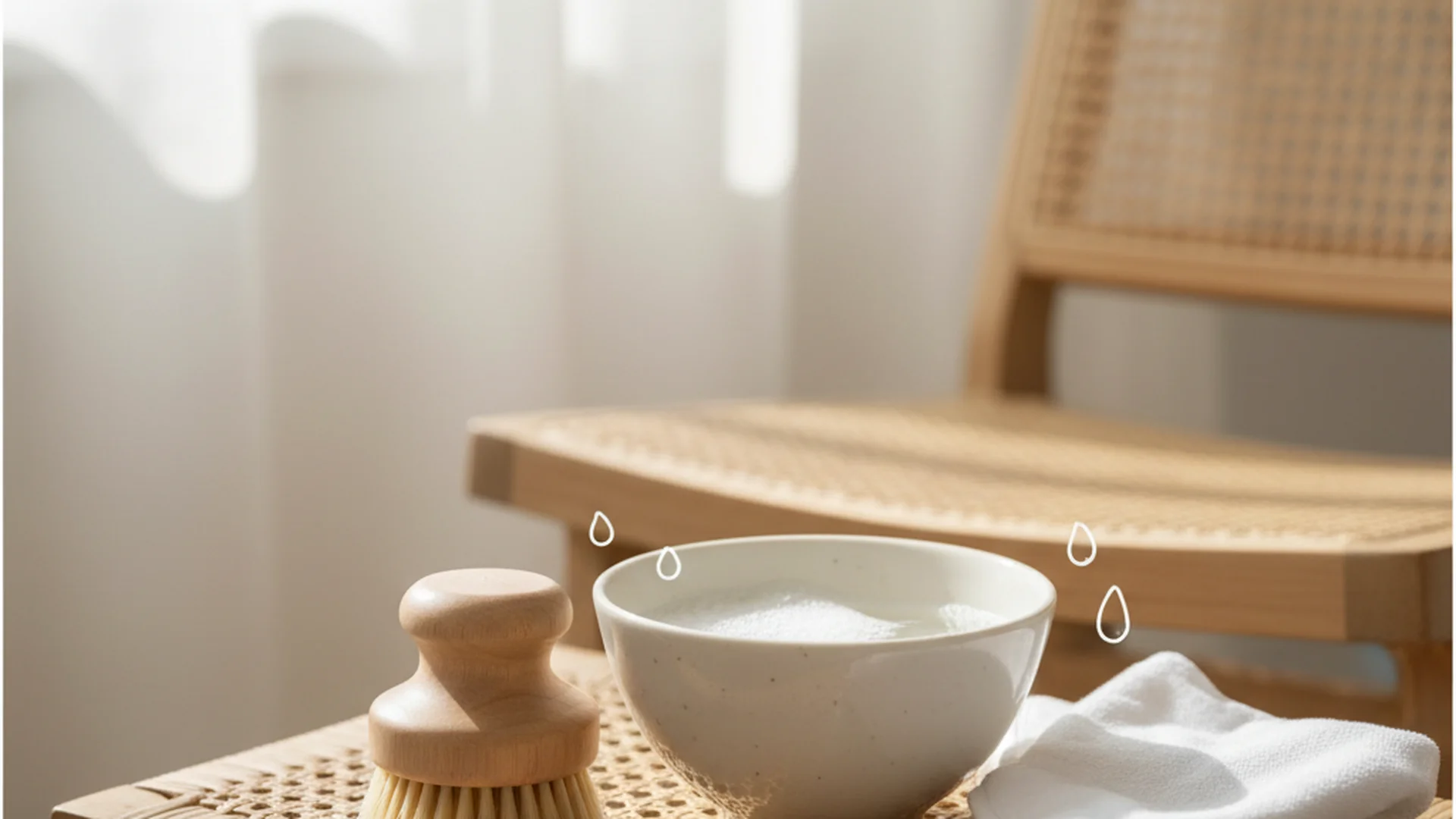
For general "life" grime—fingerprints, food residue, or dust that has bonded to the surface—mix one drop of mild dish soap into a bowl of distilled water. Dip your cloth, wring it out until it is barely damp (almost dry to the touch), and wipe with the grain.
Success: Immediately follow up with a dry microfiber cloth to buff away any residual moisture. Moisture is the primary cause of "furred" wood grain.
Phase 3: Removing Heavy Grime or "Sticky" Residue
If you are dealing with a piece that feels tacky or has visible buildup from years of cheap aerosol polishes, you may need odorless mineral spirits.
Tip: Always test mineral spirits on a hidden area first to ensure it doesn't soften the underlying paint or lacquer.
Apply a small amount to a cloth and rub gently. You will likely see a brown residue come off—this is not the wood; it is the accumulated "gunk" of years past.
Real-World Examples: Common Wood Care Scenarios
Example 1: The White Heat Ring
We have all been there—someone puts a hot coffee mug directly on the dining table. This creates a white "cloud" trapped in the finish.
- The Fix: Mix a 1:1 ratio of non-gel toothpaste and baking soda. Gently rub the spot with a soft cloth. The mild abrasive helps lift the moisture out of the finish. Wipe clean and re-wax the area.
Example 2: The "Sticky" Flea Market Find
You find a beautiful mid-century modern side table, but it’s covered in old sticker residue or thick, yellowed wax.
- The Fix: Use a cotton ball soaked in mineral spirits. Let it sit on the sticky spot for 30 seconds, then wipe. This dissolves the adhesive without damaging the wood's "patina."
Example 3: The Scuffed Chair Leg
Vacuum cleaners and shoes often leave black scuff marks on the lower sections of furniture.
- The Fix: Surprisingly, a clean pencil eraser can often lift these marks right off without any liquid cleaners required.
2025 Trends: The Future of Wood Maintenance
As we move into 2025 and 2026, the "plastic-look" high-gloss finishes of the 90s are being replaced by "living finishes."
- The Shift to Probiotic Cleaners: We are seeing a rise in "good bacteria" cleaning solutions. These microscopic organisms continue to break down organic oils (like skin oils on armrests) long after you’ve finished wiping.
- Solid Wax over Aerosols: The "Silicone Trap" is finally being recognized by the mainstream. Consumers are ditching aerosol cans for liquid beeswax and solid carnauba wax, which allow the wood to age gracefully.
- Biophilic Maintenance: This trend focuses on using pH-neutral, plant-based oils that mimic the natural resins found in timber, supporting a healthy indoor microbiome.
- Tech-Integrated Care: High-end brands are now embedding QR codes on the underside of tables. Scanning these gives you the exact chemical makeup of the finish so you can buy the perfect matching cleaner.
Common Mistakes to Avoid
- The Silicone Trap: Many "grocery store" polishes contain silicone. It provides an instant, oily shine, but it creates a permanent barrier. If you ever want to professionally refinish the piece, the silicone prevents new stain or lacquer from adhering, often requiring a total (and expensive) strip-down.
- Using Vinegar and Water: While vinegar is a "natural" cleaner, it is an acid. Frequent use of vinegar on wood will eventually eat through the protective topcoat, leaving the wood vulnerable to rot and staining.
- Over-Waxing: Wax should be applied once or twice a year at most. Over-application leads to a "smeary" surface that actually traps more dust and hair.
- Sunlight Exposure: No amount of cleaning can fix UV damage. Ensure your wood furniture is not in the direct path of daily afternoon sun, which "bleaches" the wood fibers and dries out the finish.
Frequently Asked Questions
Can I use vinegar to clean wood?
How do I remove water spots from wood?
Is lemon oil good for all wood?
How often should I polish my furniture?
Conclusion
Knowing how to clean wood furniture is an essential skill for any homeowner who values quality and longevity. By moving away from aggressive chemical aerosols and embracing the "mildest method first" approach, you ensure that your furniture remains a centerpiece of your home for decades. Remember: dust frequently, maintain your home's humidity, and always wipe with the grain.
The best way clean wood furniture isn't about finding a "magic" product; it's about consistent, gentle care and understanding the organic nature of the wood itself.
Success: With these professional techniques, your wood furniture will develop a beautiful "living patina" that only gets better with age.
Cleaning that keeps score
Every task earns points, every streak multiplies them, and Premium adds a household leaderboard plus a monthly Dustagorgon to beat.
- Free forever
- 30 badges to earn
- Up to 6 in a household
No card needed. Set up your rooms in a couple of minutes.