In this article
What you’ll learn
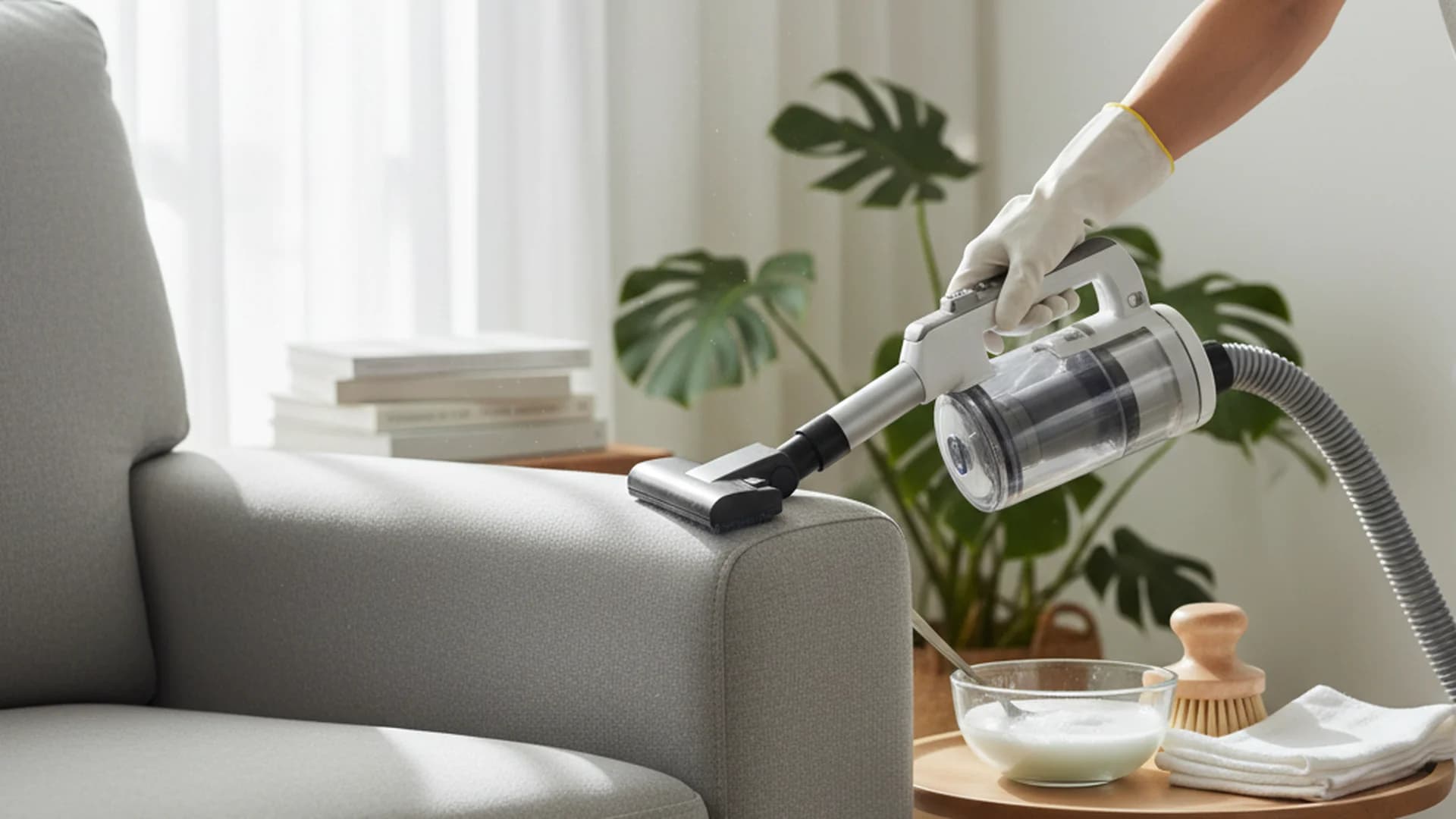
- Always dry dust before applying liquids to prevent micro-scratches.
- Never use vinegar on marble or stone as it causes irreversible etching.
- Probiotic cleaners are the 2025 standard for long-term bacterial control.
Your end tables are more than just a place to rest a coffee mug or a lamp; they are functional anchors of your living space. However, they are also primary targets for one of the most persistent invaders in our homes: dust. Did you know that the average home collects approximately 18 kg of dust per year? Because end tables are flat, stationary surfaces, they act as magnet zones for this debris. Learning how to clean end tables effectively is not just about aesthetics—it is about preserving your investment and maintaining a healthy home environment.
In this guide, we will explore the best way to clean end tables at home, covering everything from vintage wood to modern marble, while incorporating the latest 2025 cleaning technologies.
The Science of Dust and Why It Matters
Before we pick up a cloth, it is important to understand what we are actually cleaning. A large share of household dust is simply dead skin cells. The rest is a cocktail of pet dander, textile fibers, and even microscopic meteorite particles.
When this dust sits on your end table, it doesn't just look bad. Dust mites thrive in these accumulations, particularly on bedside tables where humidity from our breath provides a perfect environment. Regular cleaning noticeably reduces allergen exposure. Plenty of people never read the cleaning labels on their furniture, which often leads to accidental damage. Using the wrong chemical on the wrong surface can turn a simple chore into a costly mistake.
Material-Specific Cleaning Strategies
The most important rule in furniture care is that no two materials are the same. A solution that makes glass sparkle could permanently ruin a wood finish.
Natural Wood End Tables
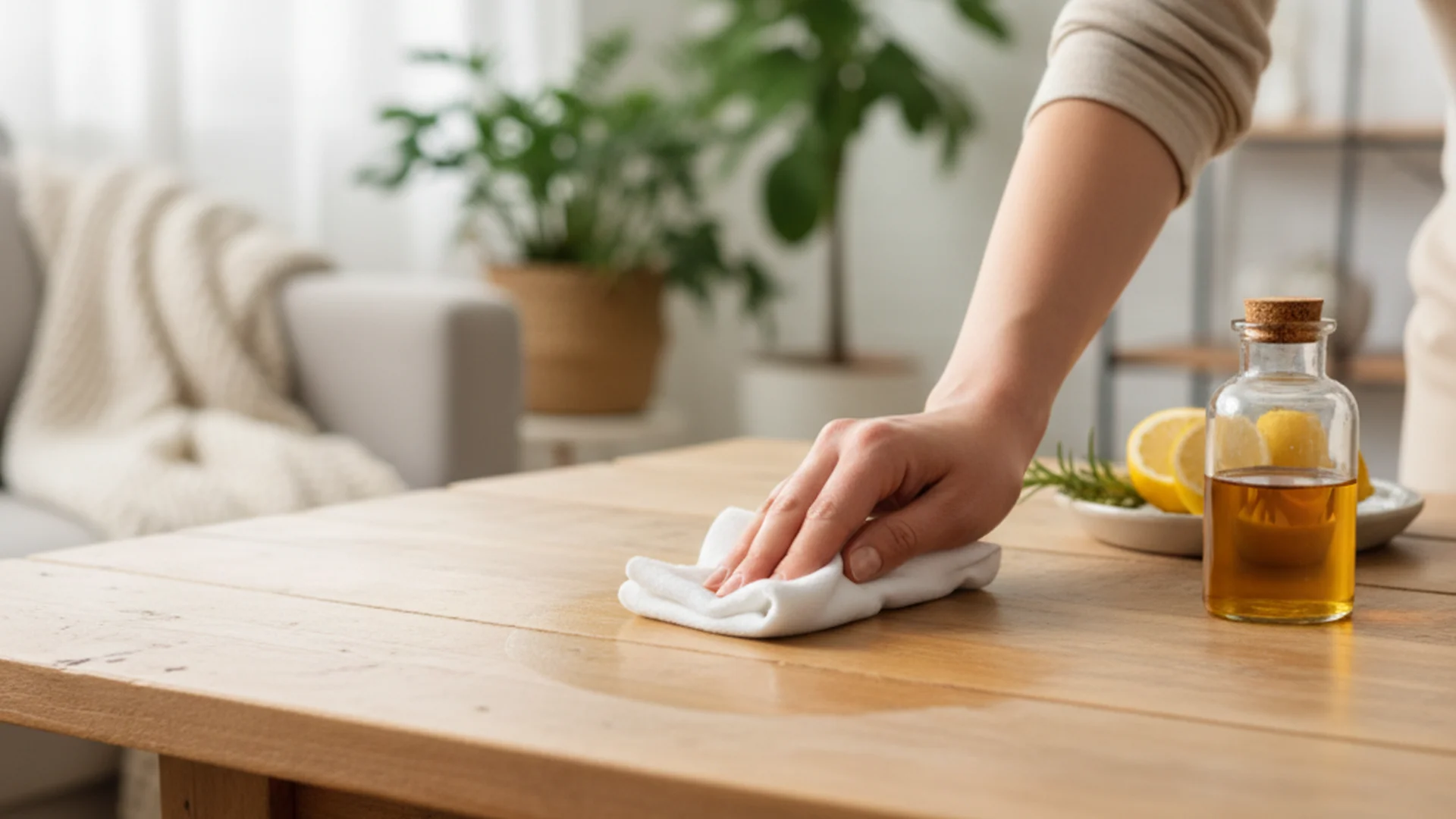
Wood is porous and "active," meaning it responds to changes in the environment. To find the best way to clean end tables made of wood, you must follow the grain.
- Daily Care: Use a microfiber cloth for dry dusting. This removes abrasive grit that can act like sandpaper if pushed around with a wet cloth.
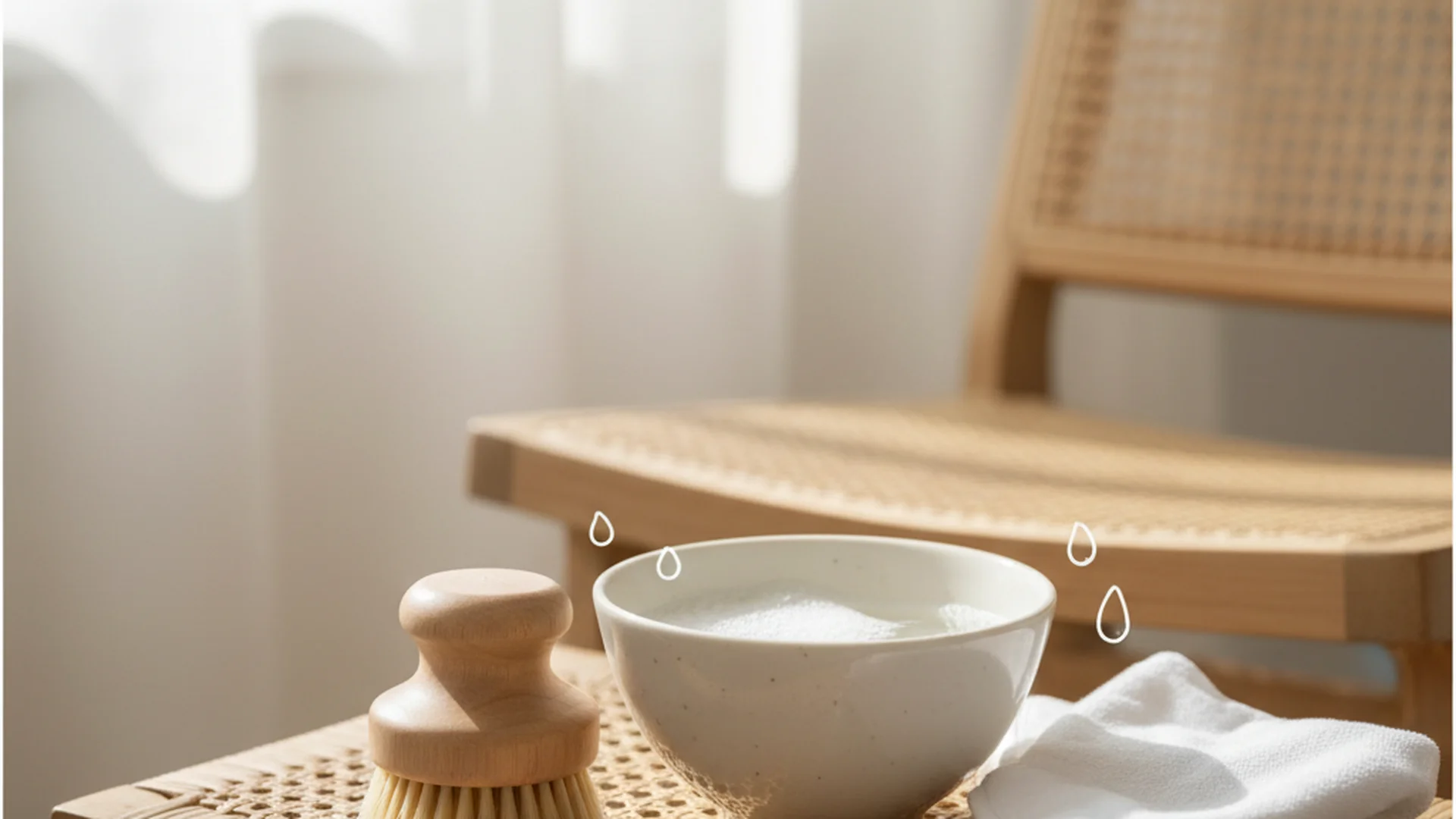
- Monthly Deep Clean: Use a drop of pH-neutral dish soap in a bowl of warm water. Dampen your cloth, wring it out until it is barely moist, and wipe with the grain.
- The 2025 Trend: Many homeowners are returning to "Old World" sustainable recipes. A mix of olive oil and a small amount of lemon juice can provide nourishment to raw or oil-finished woods, though it should be used sparingly to avoid buildup.
Tip: Always wipe with the grain. Wiping against the grain can force microscopic dust particles into the pores of the wood, leading to a dull finish over time.
Glass and Mirrored Surfaces
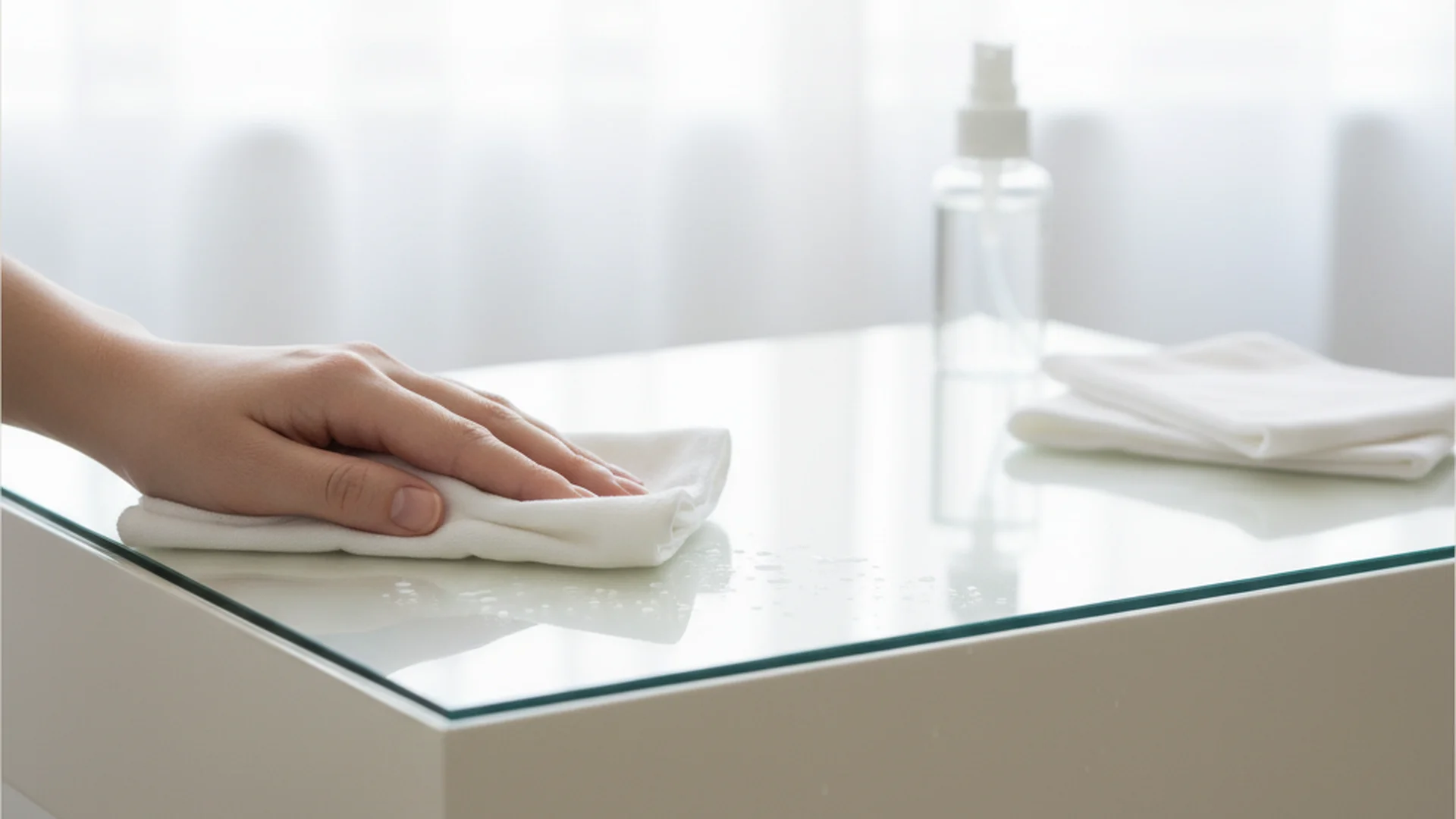
Glass end tables show every fingerprint and smudge. While they are durable, they require specific techniques to remain streak-free.
- Cleaning Solution: A 50/50 mix of white vinegar and water remains the gold standard.
- The Pro Secret: Don't forget to clean the underside of the glass. Fingerprints often hide underneath the edges, especially if you have children or pets.
- Tools: Avoid paper towels, which are surprisingly abrasive and leave lint. Instead, use a lint-free huck towel or even old newspaper for a streak-free shine.
Marble and Natural Stone
Marble is luxury personified, but it is chemically sensitive. Because it is a calcified stone, it reacts violently to acids.
| Cleaning Do's | Cleaning Don'ts |
|---|---|
| Use pH-neutral soap | Never use vinegar or lemon |
| Use coasters for all drinks | Never use abrasive scrub pads |
| Seal every 6–12 months | Avoid ammonia-based sprays |
Warning: Vinegar is highly acidic and will "etch" marble. This is a chemical burn that removes the polish, leaving a dull white mark that requires professional restoration to fix.
Real-World Cleaning Examples
To help you visualize these techniques, let's look at three common scenarios homeowners face.
Example 1: The Heirloom Cherry Wood Table
Imagine a vintage cherry wood end table passed down through generations. To clean this without stripping the original lacquer, the "Dry Sponge" method is best. Using an electrostatic dry sponge lifts the dust away without the need for moisture, which could cause the aged wood to swell or crack.
Example 2: The "White Ring" Rescue
We have all been there—a guest forgets a coaster, and a white ring appears on your dark wood table. This is moisture trapped in the wax or polish. A real-world fix involves mixing 50% non-gel white toothpaste with 50% baking soda. Gently rubbing this into the ring with the grain lifts the moisture. Once the ring vanishes, wipe it clean with a damp cloth and buff.
Example 3: The Modern Multi-Material Table
Many 2025 designs feature metal frames with glass tops. For these, the "Two-Cloth" method is essential. Use a damp microfiber cloth with mild soap for the metal legs to prevent corrosion, and a dedicated glass cloth for the top to ensure no soap residue streaks the glass.
Modern Trends: Probiotics and UV-C
The cleaning world in 2025–2026 has shifted away from "sterilization" and toward "microbiome health."
- Probiotic Cleaners: These contain "live" beneficial bacteria. When you spray them on your end table, they stay active for up to 72 hours, eating away at organic matter and odors. This is part of a fast-growing category of household cleaning products.
- UV-C Sanitizing Wands: For high-touch surfaces like bedside tables, UV-C wands are becoming popular. They kill pathogens without using liquids that might damage delicate wood veneers.
- The "Damp, Not Wet" Rule: Regardless of the technology, the golden rule remains: if you can wring water out of your cloth, it is too wet. Excess moisture is the leading cause of structural weakening in furniture joints.
Note: Wood furniture doesn't actually "breathe"—it is dead tissue. However, it does expand and contract with humidity. Maintaining a stable environment is just as important as cleaning.
Common Mistakes to Avoid
Even with the best intentions, certain habits can destroy your furniture over time.
- Spraying Directly on the Surface: Never do this. The liquid can seep into joints or under glass inserts, leading to rot or "clouding." Always spray your cloth first.
- Using All-Purpose Sprays: Most contain ammonia or bleach. These are too harsh for the delicate varnishes and finishes used on end tables.
- Skipping the Dry Dusting: Wiping a dusty table with a wet cloth creates "wet dust," which acts like sandpaper, grinding micro-particles into the finish.
- Using Paper Towels on High-Gloss: High-gloss "piano" finishes or acrylic tables will develop swirl marks if cleaned with paper towels. Stick to high-quality microfiber.
Frequently Asked Questions
How often should I clean my end tables?
Can I use vinegar to clean my wood end tables?
What is the best way to clean inside the drawers?
Should I use furniture polish or wax?
How do I prevent scratches on the surface?
Conclusion
Mastering how to clean end tables is a blend of traditional care and modern science. By understanding the material you are working with and avoiding the temptation to "over-clean" with harsh chemicals, you can keep your furniture looking showroom-new for decades. Whether you are adopting the 2025 probiotic cleaning trend or sticking to the tried-and-true microfiber and water method, consistency is the key to a dust-free, healthy home.
Success: By following these material-specific steps, you will not only extend the life of your furniture but also significantly improve the air quality in your living space.
Cleaning that keeps score
Every task earns points, every streak multiplies them, and Premium adds a household leaderboard plus a monthly Dustagorgon to beat.
- Free forever
- 30 badges to earn
- Up to 6 in a household
No card needed. Set up your rooms in a couple of minutes.