In this article
What you’ll learn
- Use the top-down, dry-to-wet cleaning method to prevent dust redistribution.
- Avoid using water or liquid cleaners directly on book pages or spines.
- Implement the 10-15% negative space rule to improve air circulation and prevent mold.
In the landscape of 2025 and 2026 interior design, the "Bookshelf Wealth" aesthetic has transformed the humble bookcase from a storage unit into a centerpiece of personal identity. However, with great collections comes great responsibility. Learning how to clean bookshelf units properly is no longer just a weekend chore; it is a vital practice for preserving your valuable library and ensuring your home’s air quality remains pristine.
Whether you are curate a "Bookstagram" worthy display or maintaining a functional research library, dust is your primary enemy. Paper surfaces act as natural magnets for particles, and without a strategic approach, your favorite novels can become a source of indoor allergens. This guide will walk you through the professional-grade techniques to clean your bookshelf at home while incorporating the latest trends in sustainable organization.
The Science of Dust and Book Preservation
Understanding why we clean is as important as knowing how. Research from English Heritage suggests that in quiet environments, it takes roughly three years for dust to cover 7% of a book’s surface—the exact point where it becomes visible and begins to cause damage.
The danger isn't just aesthetic. Books are porous. When you open a dusty book, the air current pushes accumulated particles directly into your respiratory system. With pollen counts having risen by approximately 21% since the 1990s, the "magnet effect" of paper means your library is likely housing more allergens than ever before.
Furthermore, a dusty environment impacts your brain. Studies have observed a 30% increase in error rates and a 7% slowdown in task performance when working in areas with heavy dust accumulation due to sinus irritation and poor air quality. Cleaning your shelves is, quite literally, an investment in your productivity.
The Professional Step-by-Step Guide
The best way clean bookshelf surfaces involves a systematic approach. If you simply wipe a shelf without moving the books, you are merely shifting dust into the crevices where it can "cement" and trap moisture.
Step 1: The Strategic Unload
Do not attempt to clean around your books. To do this right, you must remove them. However, do not remove everything at once if you have a massive collection. Work shelf by shelf to avoid overwhelming your floor space.
Tip: Use this time to "unhaul." The 2025 #BookUnhaul trend encourages donating books you won't re-read. This reduces the "dust load" and makes future cleaning much faster.
Step 2: The Top-Down, Dry-to-Wet Rule
Always start at the highest shelf. Dust naturally falls, so starting at the bottom is a recipe for double work.
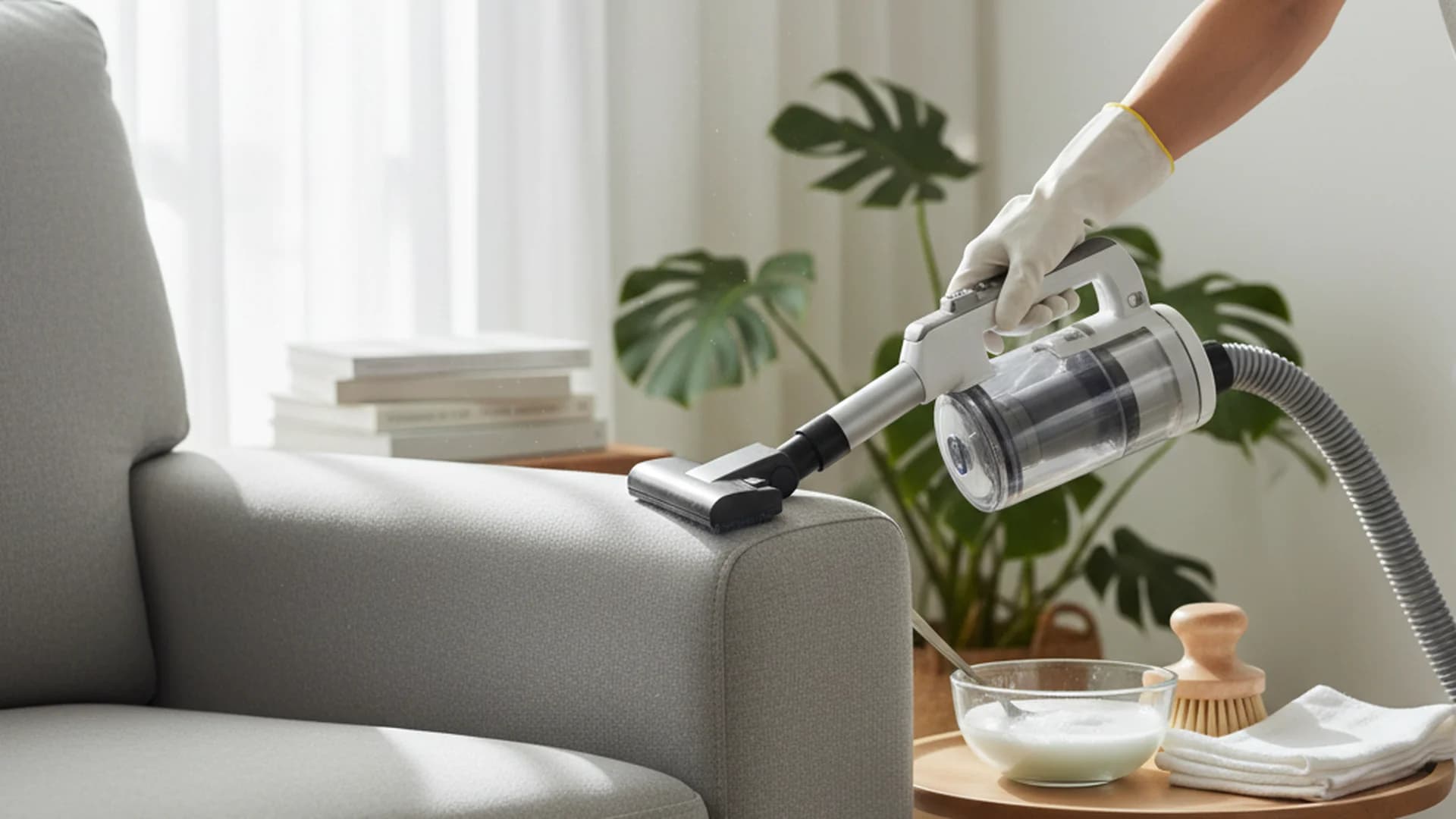
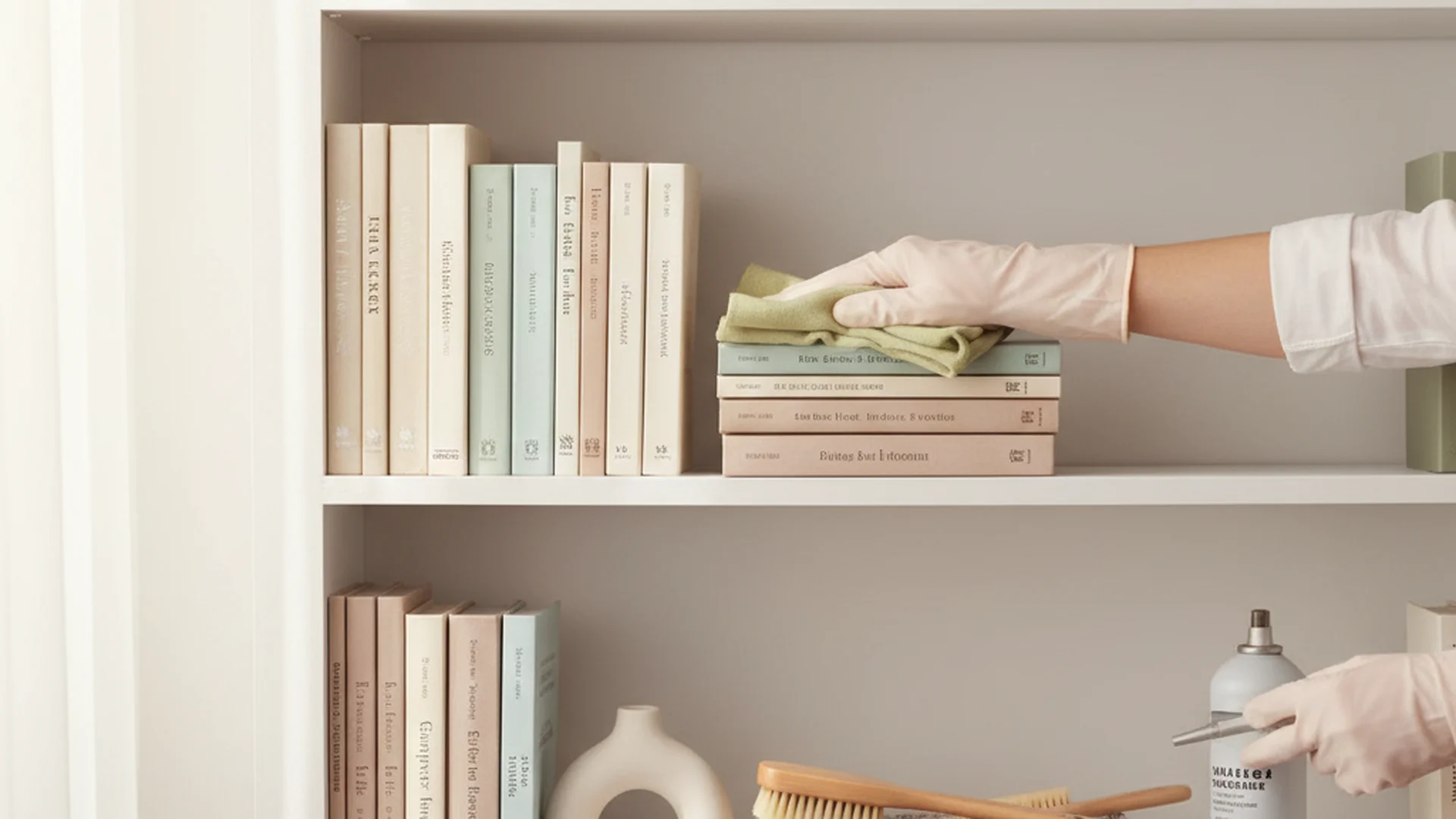
- Dry Dusting: Use a microfiber cloth or a HEPA-filter vacuum with a soft brush attachment.
- Vacuuming the Shelf: Clear the "dead" space at the back of the shelf where dust bunnies congregate.
- Damp Wiping: Only after the dry dust is gone should you use a slightly damp cloth to remove any lingering grime.
Warning: Never use a dripping wet rag. Moisture is the number one enemy of paper. Shelves must be 100% bone-dry before books are returned to prevent "foxing" (those pesky brown spots).
Step 3: Cleaning the Books Themselves
The "head" or top edge of the book is always the dirtiest part.
- The Technique: Hold the book firmly closed so dust doesn’t fall between the pages.
- The Motion: Wipe away from the spine toward the opening of the pages. This prevents dust from being shoved into the binding.
- The Tool: A magnetic wiping cloth is highly effective for modern hardcovers and dust jackets.
Material Matters: Treating Different Surfaces
Not all bookshelves are created equal. Using the wrong cleaner on a vintage mahogany shelf or a modern powder-coated metal unit can cause permanent damage.
| Material | Recommended Cleaner | Pro Tip |
|---|---|---|
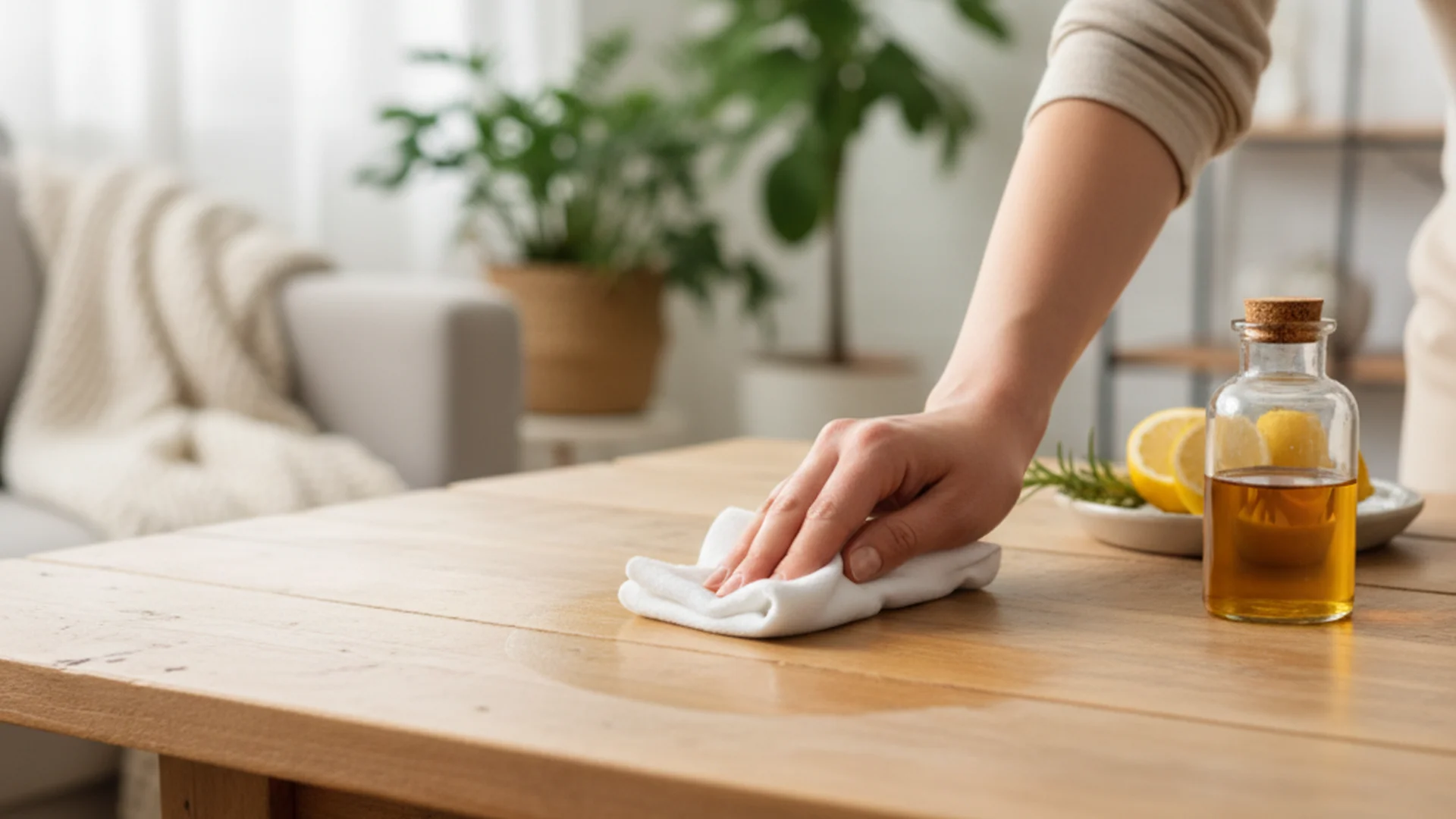
| Solid Wood | DIY mix (Water, Vinegar, drop of Olive Oil) | Always buff dry immediately to prevent warping. |
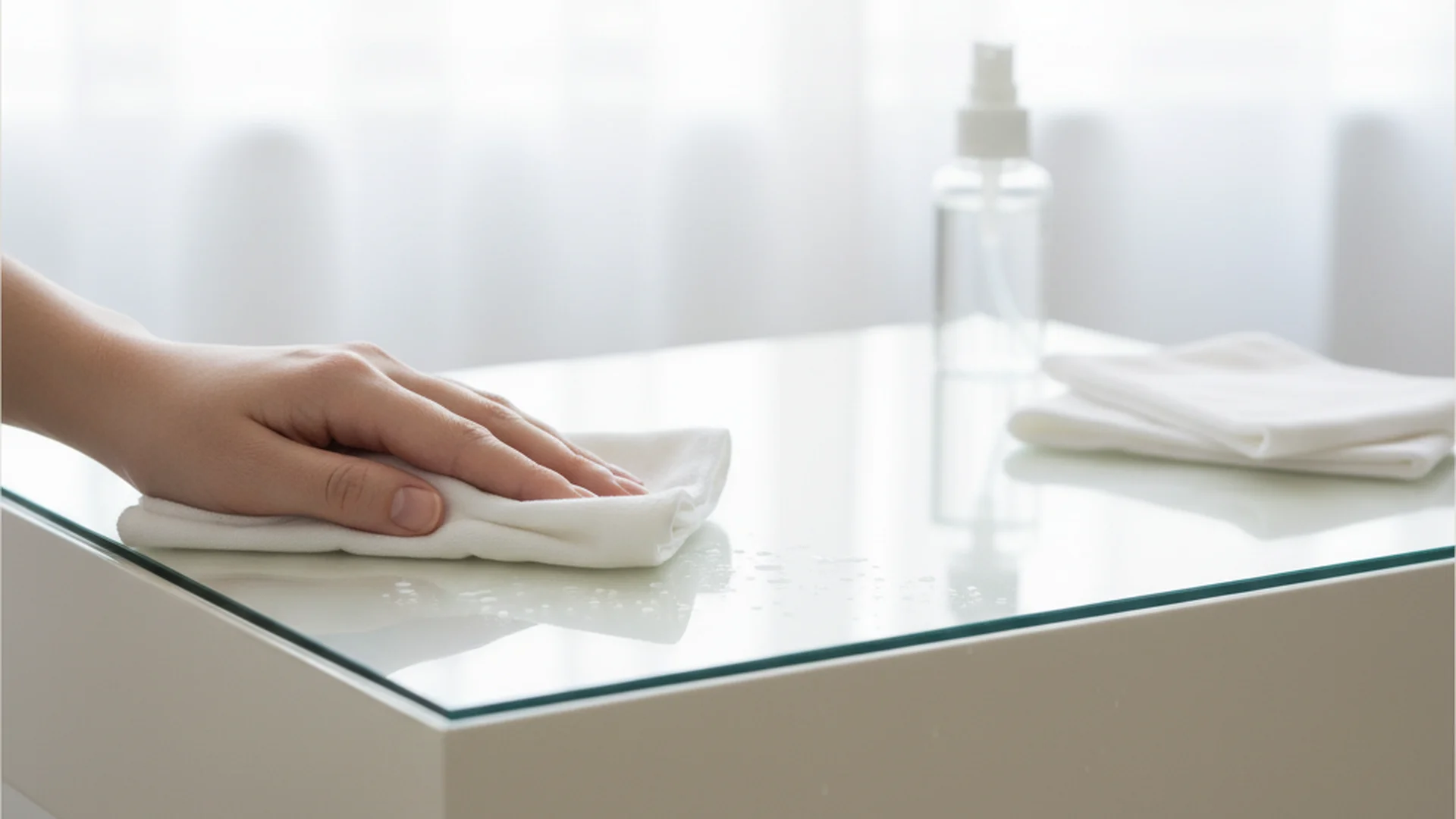
| Glass | Streak-free glass cleaner | Ensure the glass is 100% dry before replacing books. |
| Metal/Steel | Electrostatic cloth | Avoid abrasive pads that can scratch the finish. |
| Laminate/MDF | Mild dish soap and water | Do not let water sit; these materials swell easily. |
Note: If you are cleaning a wooden bookshelf, every 10°C (18°F) reduction in room temperature can halve the rate of chemical deterioration in the wood and the paper it holds.
Common Mistakes to Avoid
Even the most well-intentioned cleaners can make errors that damage their collections. Here are the most frequent pitfalls I see as an organization expert:
- "Hooking" the Spine: Most people pull a book out by hooking their finger over the top of the spine. This eventually tears the "headcap." Instead, push the neighboring books back slightly and grasp the book by the middle of the spine.
- Using Feather Dusters: These are largely decorative in 2026. They don't trap dust; they just launch it into the air to settle back down ten minutes later. Stick to microfiber.
- Overcrowding the Shelves: Packing books too tightly prevents air circulation. This creates a micro-climate of stagnant air that is perfect for mold growth, especially if the bookshelf is against an external wall.
- Neglecting the Top Edge: The very top of the entire bookcase is often forgotten. This is the "dust reservoir" that redistributes particles every time the AC kicks on.
Trends for 2025 and 2026: Bookshelf Wealth and AI
The way we style our cleaned shelves has evolved. "Bookshelf Wealth" is the dominant trend for 2026, moving away from clinical minimalism and toward a "lived-in" authentic look.
- Negative Space: Modern designers now recommend leaving 10–15% of the shelf empty. This isn't just for looks; it improves ventilation and makes it easier to clean bookshelf at home without moving every single item.
- AI Organizing Assistants: Apps like InstantDecoAI allow you to photograph your shelf. The AI then suggests layouts that maximize air circulation and visual appeal, helping you place heavier art pieces where they won't put structural stress on the wood.
- Horizontal Stacking: In 2026, we see more "landscape" stacking. Stacking 3–4 books horizontally can actually act as a bookend for vertical ones, reducing the lean that causes binding strain.
Success: By incorporating negative space and horizontal stacks, you create a library that is easier to maintain and healthier for your home environment.
Frequently Asked Questions
How often should I clean my bookshelf?
Can I use a vacuum on my books?
What is the best way to remove mold from old books?
Should I organize by color or genre?
How do I prevent my books from leaning?
Conclusion: Protecting Your Personal Paradise
Your bookshelf is more than a piece of furniture; it is a repository of your thoughts, history, and interests. Taking the time to clean bookshelf surfaces correctly ensures that these physical objects survive for decades. By following the top-down method, respecting the materials of your shelves, and embracing modern trends like "sustainable unhauling," you create a space that is as healthy as it is beautiful.
Cleaning your library is an act of curation. As you wipe away the dust of the past year, you make room for the new stories and ideas that will define your 2026.
Cleaning that keeps score
Every task earns points, every streak multiplies them, and Premium adds a household leaderboard plus a monthly Dustagorgon to beat.
- Free forever
- 30 badges to earn
- Up to 6 in a household
No card needed. Set up your rooms in a couple of minutes.