In this article
What you’ll learn
- Identify your material (Natural vs. Synthetic) before applying water.
- Vacuuming with a brush attachment is the most critical first step.
- Avoid pressure washers and bleach to prevent structural damage.
When it comes to creating a serene outdoor oasis or a cozy indoor reading nook, few materials offer the timeless aesthetic of woven fibers. However, knowing how to clean wicker furniture is essential for maintaining that beauty over the long term. Whether you have a vintage natural rattan chair or a modern synthetic resin sectional, the longevity of your investment depends entirely on your cleaning technique.
Understanding Your Wicker: Material Matters
Before you grab a bucket and hose, you must identify what your furniture is actually made of. In the professional cleaning world, "wicker" refers to the style of the weave, not the material itself.
- Natural Wicker: Typically made from rattan, bamboo, willow, or reed. These organic materials are porous and sensitive to moisture and sunlight.
- Synthetic Wicker (HDPE): Also known as "all-weather wicker" or PE rattan. These are made from High-Density Polyethylene and are designed to withstand the elements.
Note: Natural wicker is generally recommended for indoor or covered porch use only. If you leave natural rattan in the direct rain, the fibers will swell, warp, and eventually rot.
The Golden Rules of Wicker Maintenance
Before diving into the step-by-step process, there are three absolute "nots" in the world of professional wicker care.
Never Use a Pressure Washer
It is tempting to blast away cobwebs and dirt with high-pressure water, but this is the fastest way to ruin your furniture. For natural wicker, the pressure will splinter the fibers. For synthetic wicker, it can "blow out" the weave or cause the plastic to become brittle and snap.
Avoid Harsh Chemicals
Bleach and ammonia are the enemies of woven furniture. Bleach can cause natural fibers to become dangerously brittle and can lead to permanent discoloration on synthetic resins.
No Weight While Wet
Warning: Never sit on natural wicker furniture while it is still damp. The water softens the fibers, and the weight of a person will cause the seat to stretch and sag, permanently deforming the shape.
The Best Way to Clean Wicker Furniture at Home: Step-by-Step
Following a structured routine ensures you don't turn dust into "mud" deep within the tight crevices of the weave.
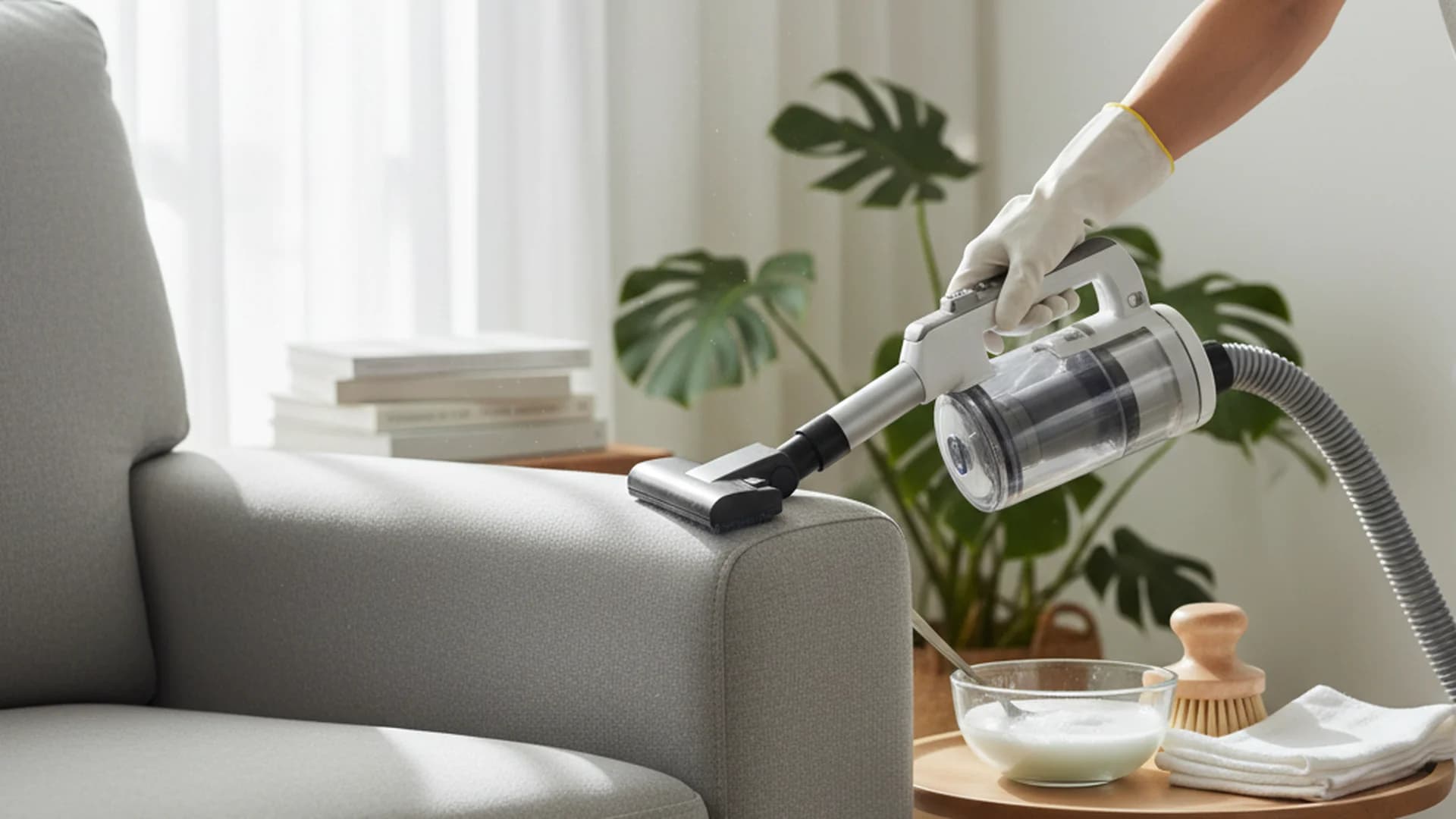
Step 1: The Dry Prep (Vacuuming)
The most important step in how to clean wicker furniture is removing loose debris while it is dry. Use a vacuum cleaner with a soft-brush attachment. Work in the direction of the weave to pull out dust, pollen, and pet hair.
Tip: If your vacuum can’t reach deep into the weave, use a can of compressed air or a clean, dry paintbrush to dislodge stubborn grit.
Step 2: Prepare the Gentle Soap Solution
For most cleaning tasks, you don't need expensive chemicals. Mix 1/4 cup of mild dish soap with two cups of warm water.
- For Natural Wicker: Use an oil-based soap (like Murphy Oil Soap) to help keep the fibers hydrated.
- For Synthetic Wicker: Any pH-neutral dish soap works perfectly.
Step 3: The "Suds Only" Method for Natural Fibers
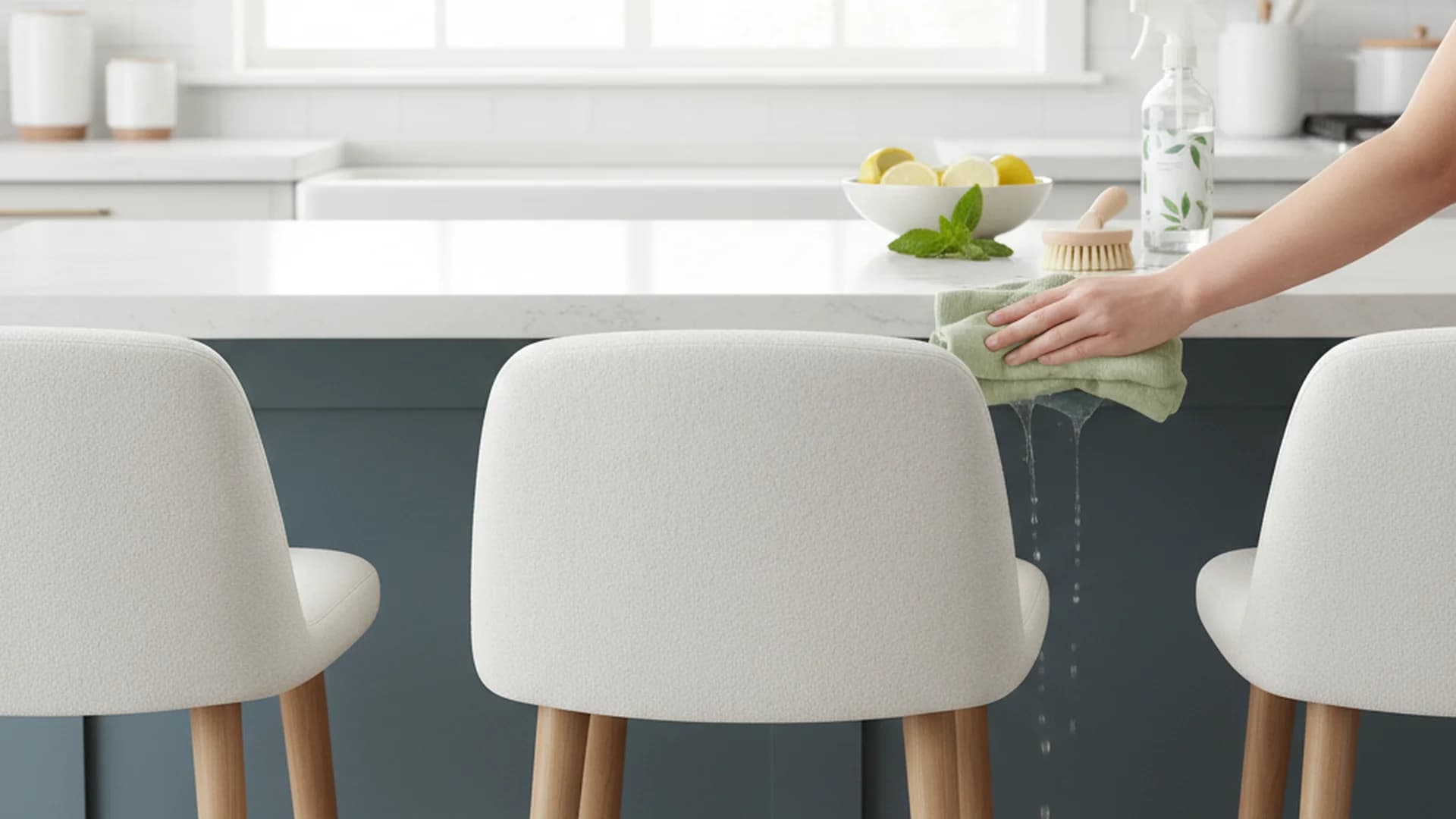
If you are cleaning natural rattan or willow, you want to avoid soaking the material. Dip a microfiber cloth into your soapy water, wring it out thoroughly, and use only the suds to wipe down the surface. This "damp-dusting" technique prevents the core of the fibers from becoming oversaturated.
Step 4: Detailing the Weave
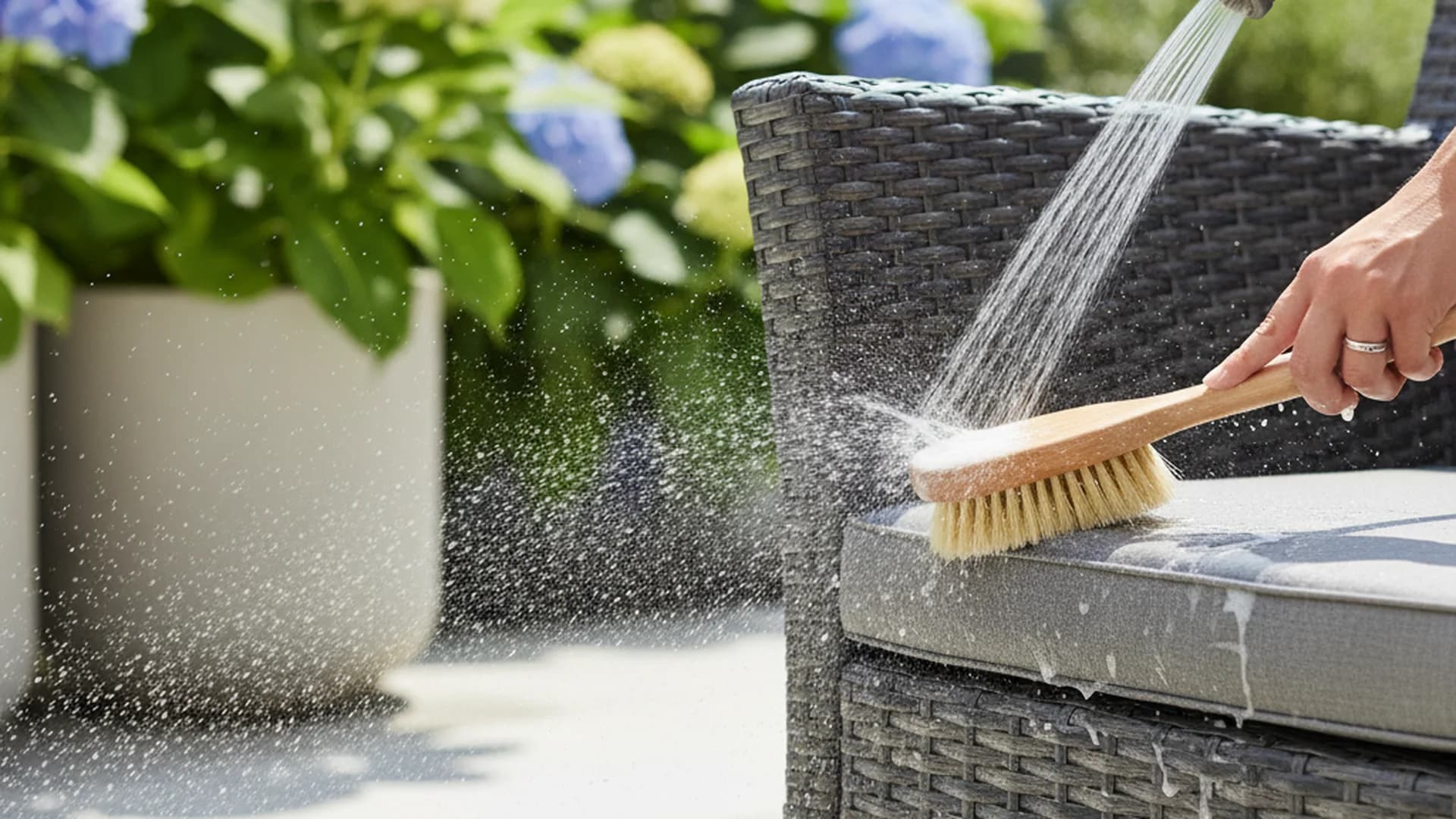
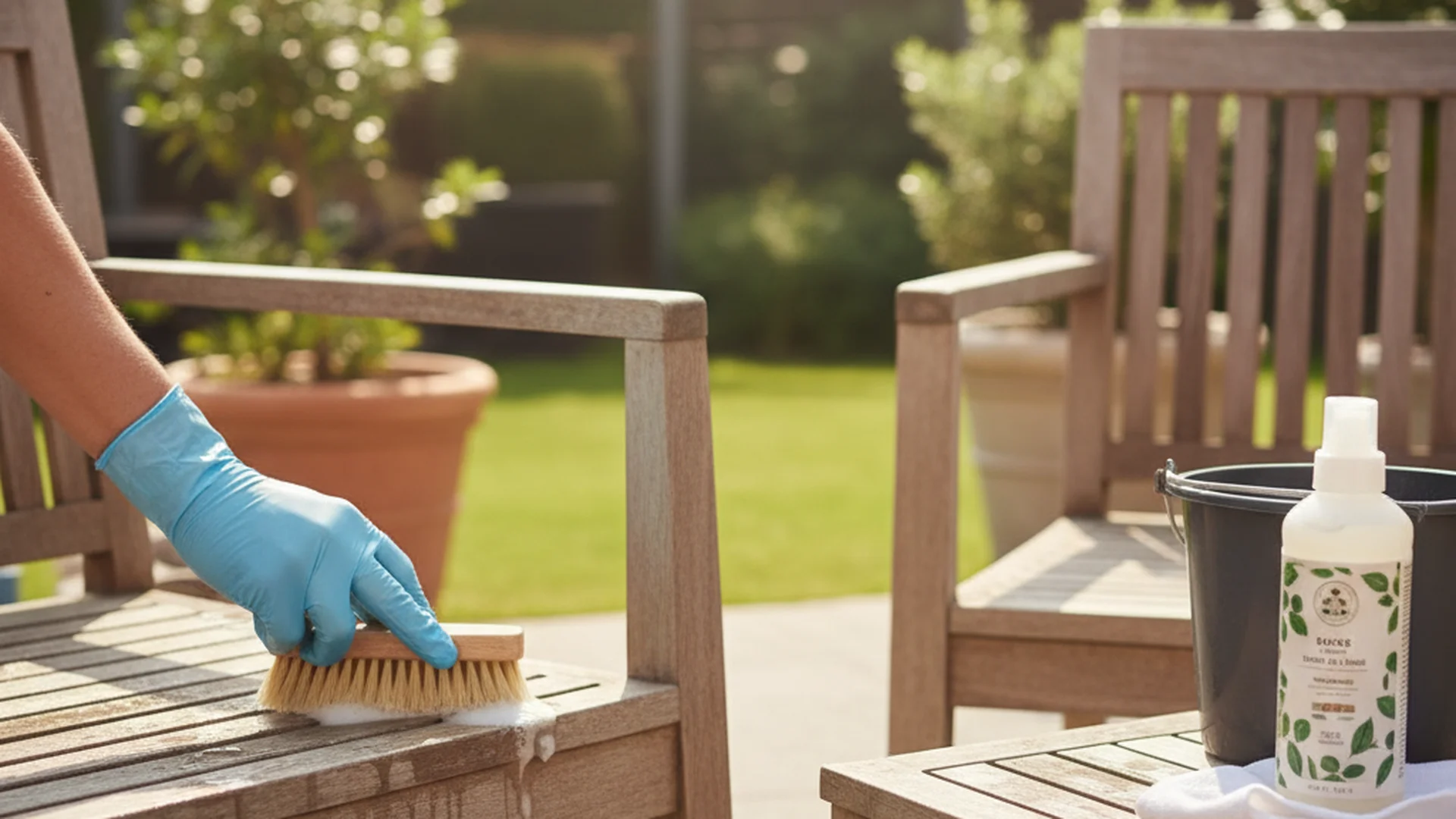
Use an old toothbrush to scrub away spots or spills that have dried between the strands. This is particularly effective for outdoor sets that may have bird droppings or dried tree sap.
Step 5: Rinsing and Drying
- Synthetic: You can lightly rinse synthetic resin with a garden hose on a "mist" setting.
- Natural: Wipe down with a fresh cloth dampened only with plain water to remove soap residue.
Ensure the furniture dries in a well-ventilated area, but keep natural wicker out of direct, scorching sunlight during the drying process to prevent cracking.
| Wicker Type | Cleaning Method | Drying Time |
|---|---|---|
| Natural Rattan | Suds only / Damp cloth | 24 hours (Indoors) |
| Synthetic (HDPE) | Light hose / Soap scrub | 2-4 hours (Outdoors) |
| Willow/Reed | Gentle brush / Vacuum | 12-18 hours |
Tackling Tough Issues: Mold, Mildew, and Fading
Even with regular care, outdoor environments can be harsh. Mold and mildew are common issues, especially in humid climates.
Removing Mold and Mildew
If you spot black dots or green film on your furniture, a vinegar solution is the gold standard. Mix 1 part white vinegar with 3 parts water. Vinegar kills the mold spores at the root without damaging the furniture fibers. Apply the solution with a spray bottle, let it sit for 10 minutes, then wipe clean.
Restoring Faded Natural Wicker
If your natural rattan looks "thirsty" or dull, you can rehydrate it. Apply a thin coat of boiled linseed oil with a soft cloth once a year. This keeps the fibers supple and prevents the brittleness that leads to snapping.
Success: Applying a UV-protectant spray (such as 303 Aerospace) to your synthetic wicker twice a year can double its lifespan by preventing sun-induced brittleness.
2025-2026 Trends in Wicker Care
As we move into 2025, the industry is shifting toward more sustainable and high-tech cleaning methods.
Eco-Friendly Bio-Based Cleaners
Homeowners are increasingly moving away from synthetic detergents. Plant-based surfactants derived from coconut or soy are the preferred choice for eco-conscious cleaning. These "bio-cleaners" are safer for the garden soil surrounding your patio furniture.
Handheld Steam Cleaning
One of the most popular 2025 trends is the use of handheld steam cleaners for synthetic wicker. The steam sanitizes the weave and lifts dirt from deep within the cracks without the need for scrubbing or chemicals. However, do not use steam on natural wicker, as the heat and moisture will damage the organic fibers.
Real-World Examples
Example 1: The Flea Market Find
Imagine you find a vintage 1970s rattan peacock chair at a garage sale. It's covered in decades of dust. The best approach? Vacuum thoroughly first. Use the "suds only" method with Murphy Oil Soap to clean it, then finish with a light rub of boiled linseed oil to restore its honey-gold glow.
Example 2: The Coastal Patio Set
A homeowner in a coastal area notices a white, salty film on their HDPE resin wicker. Because this is synthetic, they can use a garden hose to rinse the salt away weekly, followed by a seasonal deep clean with a mild soap solution and a soft-bristle brush to prevent salt-air corrosion on the underlying aluminum frame.
Example 3: The Moldy Willow Basket
A willow basket kept in a damp mudroom develops a mildew smell. By spraying it with a 1:3 vinegar-water solution and placing it in a room with a dehumidifier, the mold is killed and the smell eliminated without damaging the delicate weave.
Common Mistakes to Avoid
- Using Abrasive Scrubbers: Never use steel wool or stiff wire brushes. These scratch the finish of synthetic wicker and cause natural fibers to fray and splinter.
- Over-Wetting Natural Wicker: Using a hose on natural rattan is the most common cause of premature furniture failure.
- Neglecting the Frame: While the wicker looks like the main feature, most modern sets have aluminum or steel frames. Ensure you wipe down the underside to prevent rust or oxidation where the wicker meets the metal.
Frequently Asked Questions
What is the difference between rattan and wicker?
Can I leave synthetic wicker out in the rain?
How do I fix a broken strand of wicker?
Is it safe to use a steam cleaner on wicker?
Conclusion
Mastering how to clean wicker furniture doesn't require professional equipment, just a bit of patience and the right technique. By identifying your material, sticking to a "vacuum-first" policy, and using gentle, eco-friendly cleaners, you can ensure your furniture remains a beautiful centerpiece of your home for a decade or more. Remember, consistency is key—a quick seasonal cleaning is much easier than a full-scale restoration.
Success: Regular maintenance can extend the life of synthetic wicker to over 15 years and keep natural rattan looking pristine for generations.
Cleaning that keeps score
Every task earns points, every streak multiplies them, and Premium adds a household leaderboard plus a monthly Dustagorgon to beat.
- Free forever
- 30 badges to earn
- Up to 6 in a household
No card needed. Set up your rooms in a couple of minutes.