In this article
What you’ll learn
- Always check the manufacturer's cleaning code (W, S, WS, X) before applying liquids.
- Vacuuming is the most important maintenance step to prevent "dust mud."
- Modern 2025 trends favor probiotic cleaners and soft-bristled grooming for velvet.
In the modern home of 2025, the ottoman has evolved from a humble footrest into the versatile MVP of the living room. Whether it is serving as an oversized coffee table, extra seating for guests, or a stylish accent piece, it faces more daily wear and tear than almost any other furniture item. Knowing how to clean ottoman surfaces properly is no longer just about aesthetics; it is about maintaining indoor air quality and protecting a significant home investment.
Because these pieces often sit at "splatter height" for food and drinks and double as a resting place for feet, they can quickly become what experts call an "allergen magnet." Without regular care, your favorite centerpiece can harbor thousands of dust mites and skin cells. This guide will walk you through the best way clean ottoman fabrics and leathers, ensuring your home stays fresh and stylish.
Understanding Your Ottoman’s Cleaning Code
Before you reach for the soap and water, you must look under the hood—or in this case, under the base. Almost every upholstered ottoman manufactured today features a small tag with a universal cleaning code. Ignoring this code is the fastest way to ruin your furniture.
The "Master Key" to Cleaning Codes
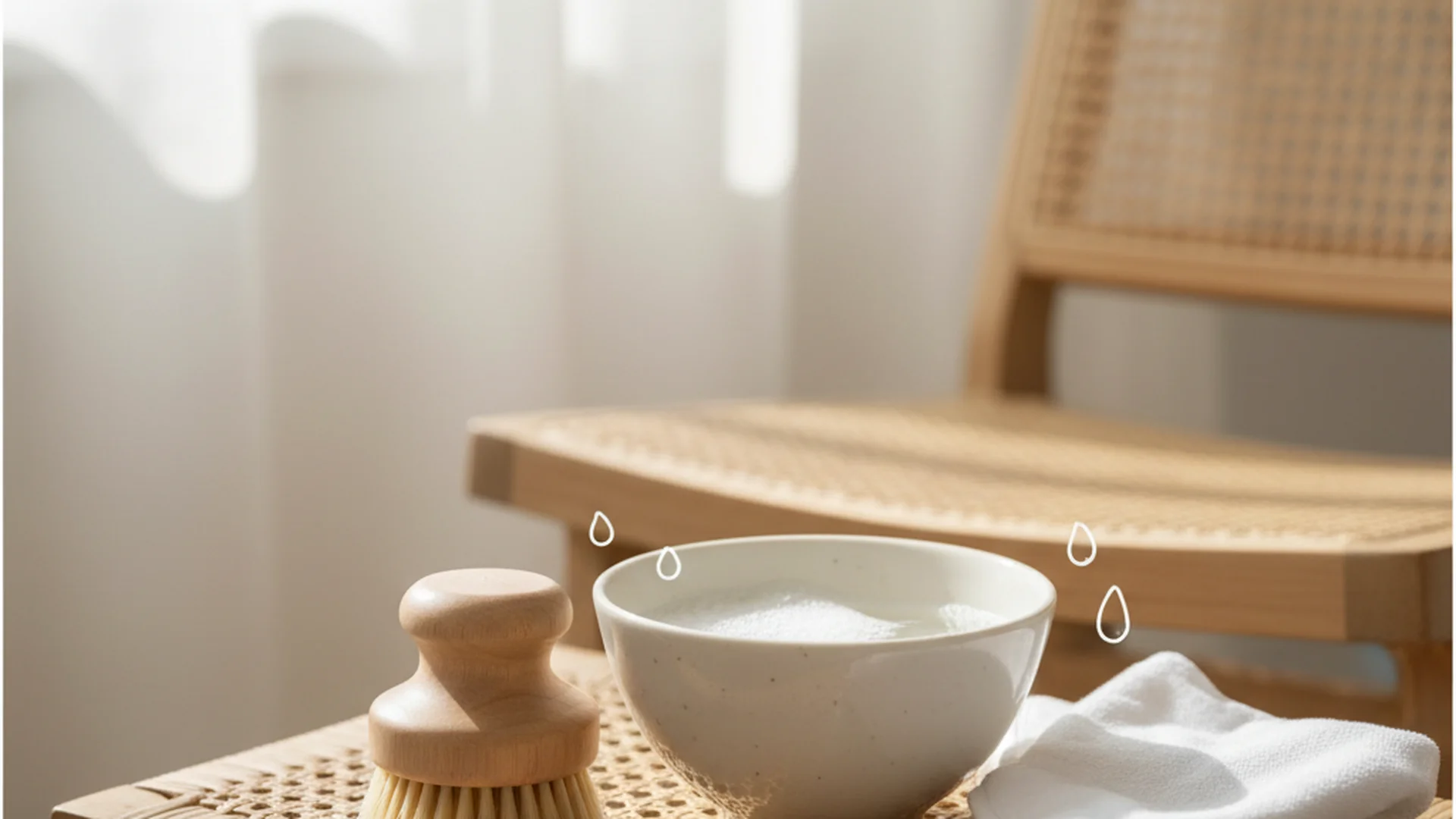
- W (Water-based): You can safely use water-based cleaning agents. A mixture of mild dish soap and distilled water is usually sufficient.
- S (Solvent-based): Use only water-free cleaning solvents (dry cleaning chemicals). Water will leave permanent rings on these fabrics.
- WS (Water or Solvent): The most versatile code. You can use either water-based cleaners or dry-cleaning solvents.
- X (Vacuum Only): This fabric is highly delicate. No liquids of any kind should be used. Use a soft brush or vacuum only.
Warning: Never ignore the "S" or "X" codes. Applying water to an "S" coded fabric can cause permanent shrinkage, dye bleeding, or water-spotting that is nearly impossible to remove.
The Essential Pre-Cleaning Step: Vacuuming
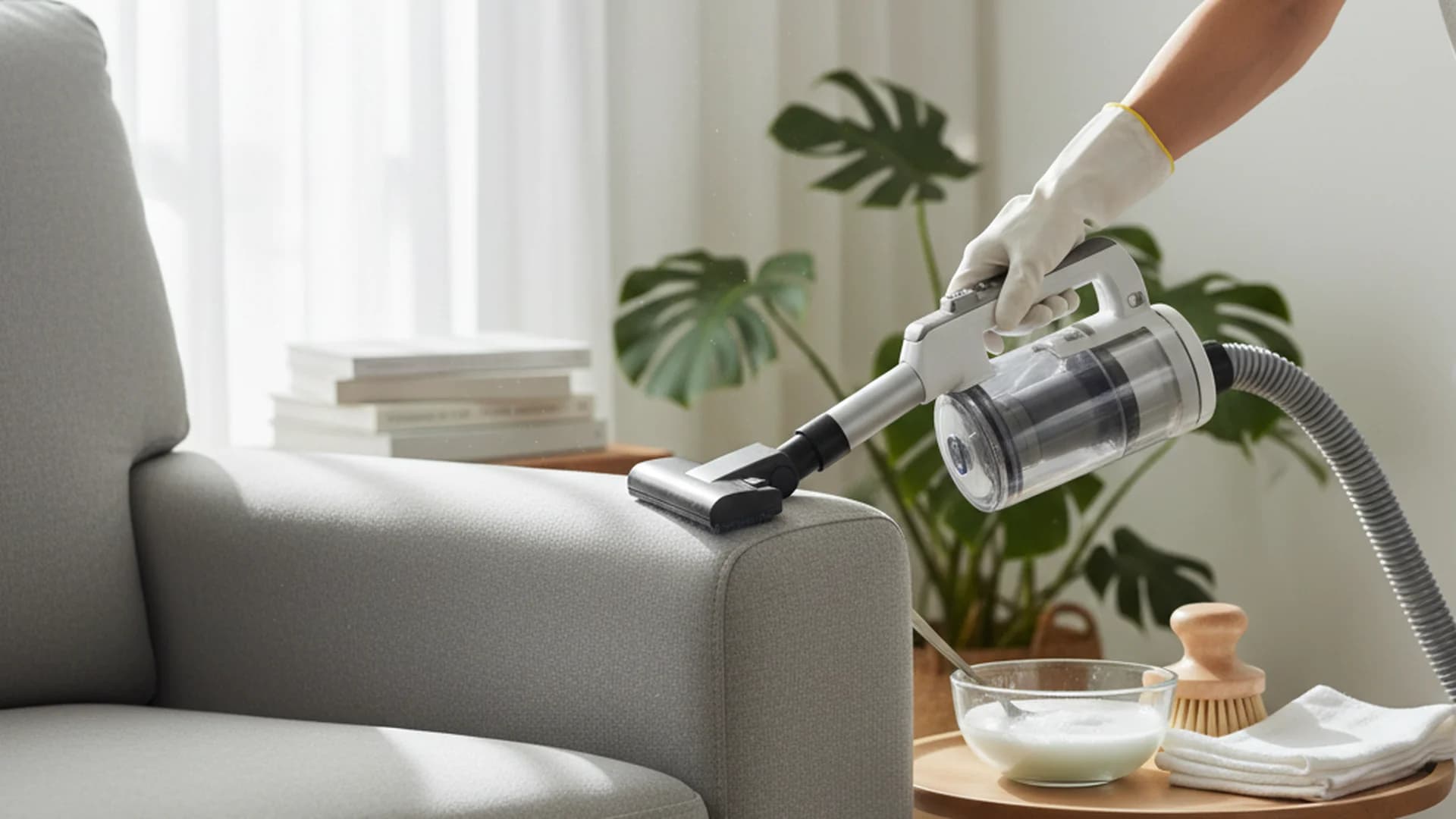
The most common mistake people make when learning how to clean ottoman at home is jumping straight to the liquid cleaner. If you apply liquid to a dusty ottoman, you are essentially creating "mud" and pushing it deeper into the fibers.
Research indicates that soft furniture acts as a "sink" for indoor pollutants. In 2025, with the rise of "organic, pebble-like" ottoman shapes, dust frequently hides in deep crevices and curved seams.
- Use the Crevice Tool: Run the vacuum attachment along all seams and tufted buttons.
- Use the Upholstery Brush: For flat surfaces, use the brush attachment to lift dust and pet dander.
- Don't Forget the Underside: Dust can cling to the bottom fabric (dust cover) and legs.
Tip: If you have pets, use a rubber squeegee or a dedicated pet hair tool before vacuuming to pull "hidden" hair out of the weave.
Material-Specific Cleaning Workflows
As we move into 2026, fabric trends are shifting toward high-texture materials like velvet and bouclé, alongside the "Quiet Luxury" of high-end leather. Each requires a unique touch.
How to Clean Velvet Ottomans
Velvet is back in a big way for 2025, but it is notorious for "crushing." To clean velvet, you must prioritize the "nap" (the direction of the fibers).
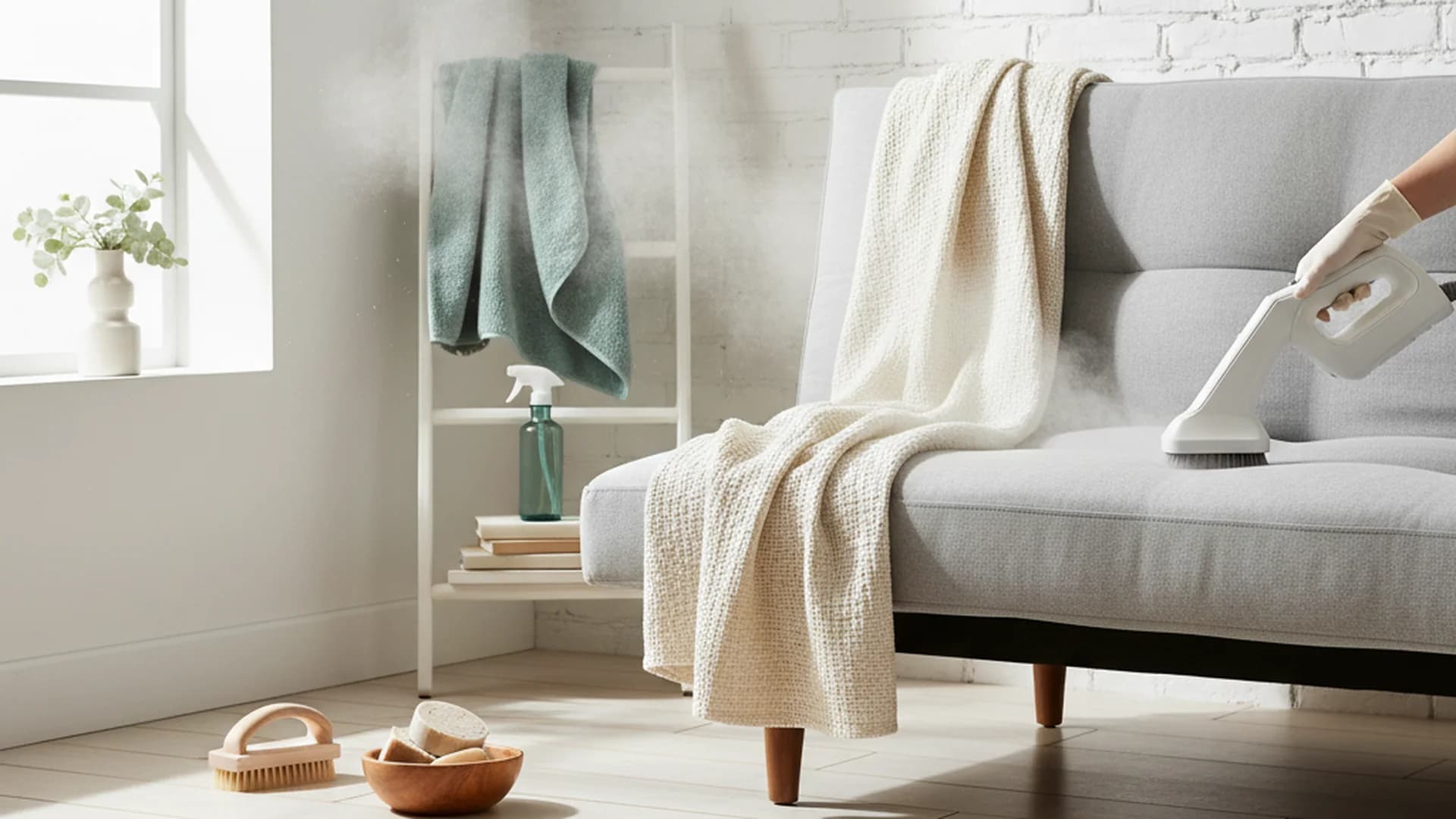
- The Steam Method: If your code is "W" or "WS," a handheld steamer on a low setting can lift odors and wrinkles.
- The Grooming Step: After cleaning, use a soft-bristled clothes brush to "groom" the velvet in one direction while it is still slightly damp. This prevents the fabric from drying stiffly.
Maintaining Leather Ottomans
Leather is a popular choice for ottomans used as coffee tables because it is naturally more spill-resistant. However, it is prone to cracking.
- The 50/50 Rule: For general cleaning, use a mixture of 50% distilled water and 50% white vinegar.
- Conditioning: Every six months, apply a high-quality leather conditioner. This is essential for preventing the dry, cracked look that plagues older leather pieces.
Note: Straight, undiluted vinegar is too acidic for leather and can strip the natural oils. Always dilute it and follow up with a leather-safe conditioner.
Performance Fabric and Bouclé Care
2025 has seen a surge in "performance fabrics" like Crypton. These are designed to be nearly waterproof. When cleaning these, the best way clean ottoman surfaces is to use as little liquid as possible.
- Blot, Don't Scrub: Scrubbing bouclé can "pill" the fabric, creating small balls of fuzz that ruin the texture.
- Distilled Water: Always use distilled water for spot cleaning to avoid mineral rings left by tap water.
The "Blot Method" for Emergency Spot Cleaning
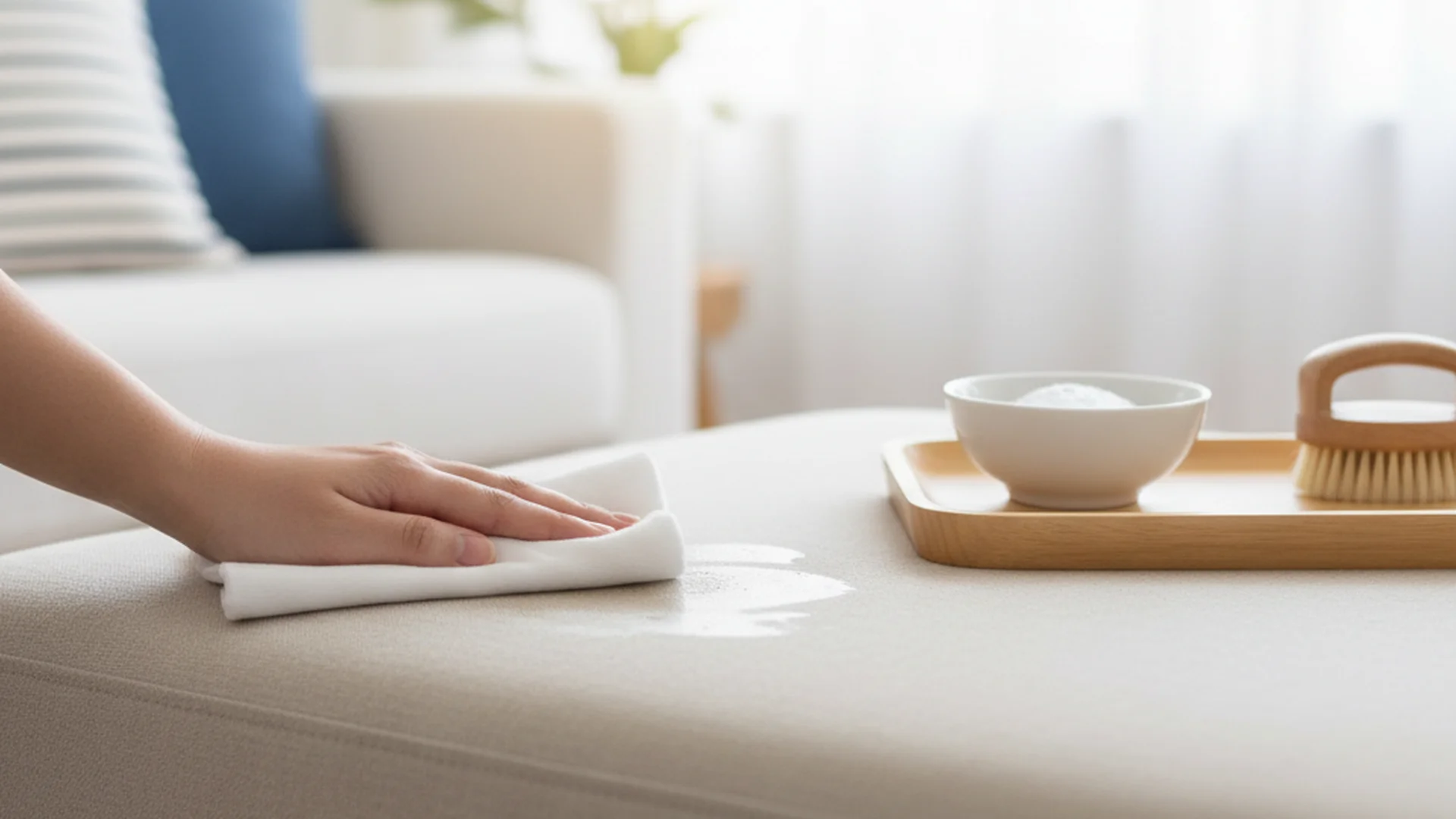
Spills are inevitable, especially with the 2025 trend of using oversized ottomans for food trays. When a spill happens, follow this professional "Blot Method":
- Act Fast: Use a clean, white microfiber cloth. Avoid colored towels that might bleed dye onto the furniture.
- Outside-In: Start blotting from the outer edges of the stain toward the center. This prevents the stain from spreading.
- Pressure, Not Friction: Press down firmly to soak up the liquid. Do not rub back and forth.
- The Probiotic Advantage: In 2025, many homeowners are switching to probiotic cleaners. These use "good bacteria" to consume organic stains (like milk or wine) over 24 hours without harsh chemicals.
| Material Type | Cleaning Frequency | Recommended Tool |
|---|---|---|
| Leather | Every 6 Months | Microfiber + Conditioner |
| Velvet | Monthly Brush | Soft Bristle Brush |
| Performance | As Needed | Distilled Water + Blotting |
| Bouclé | Weekly Vacuum | Crevice Tool |
Common Mistakes to Avoid
Even with the best intentions, it is easy to damage delicate upholstery. Avoid these four common pitfalls:
- Over-Wetting: Saturating the fabric can lead to mold and mildew inside the foam core or the wooden frame. Use the "dry foam" (suds only) technique instead of soaking.
- Skipping the Patch Test: Always test your cleaner on a hidden area (like the bottom of the ottoman) to ensure it doesn't bleach the dye or change the texture.
- Using Heat to Dry: Never use a hair dryer on high heat to dry a wet spot. This can "set" a stain permanently or shrink synthetic fibers.
- Forgetting the Feet Smell: Ottomans often develop a funky odor from feet. Sprinkle baking soda over the surface, let it sit for 30 minutes, and vacuum it off for a dry deodorizing treatment.
Frequently Asked Questions
What do the letters on the ottoman tag mean?
Can I steam clean my velvet ottoman?
How do I get the 'feet smell' out of my ottoman?
Is vinegar safe for leather ottomans?
How often should I deep clean my ottoman?
Conclusion
Your ottoman is a centerpiece of your living space, and with the right care, it can last for decades. By understanding your cleaning codes, vacuuming weekly, and utilizing the "blotting" technique for spills, you can keep your furniture looking showroom-fresh. As we embrace the sustainable and textured trends of 2025 and 2026, remember that the most eco-friendly furniture is the furniture you maintain and keep.
Success: Regular maintenance not only keeps your ottoman looking great but also extends its lifespan by up to 50%, saving you money and reducing waste.
Cleaning that keeps score
Every task earns points, every streak multiplies them, and Premium adds a household leaderboard plus a monthly Dustagorgon to beat.
- Free forever
- 30 badges to earn
- Up to 6 in a household
No card needed. Set up your rooms in a couple of minutes.