In this article
What you’ll learn
- Regular cleaning can extend the life of metal furniture by 10–15 years.
- Avoid bleach and ammonia-based cleaners as they cause permanent damage.
- Car wax is a secret weapon for UV protection and preventing oxidation.
Metal furniture has seen a massive resurgence as we move through 2025 and 2026. Driven by a combination of the industrial aesthetic and the "circular design" movement—where homeowners prioritize restoring high-quality materials over replacing them—metal is the undisputed king of durability. However, knowing how to clean metal furniture properly is the difference between a piece that lasts five years and one that lasts fifty.
Whether you are dealing with a vintage wrought iron patio set or sleek, modern aluminum bar stools, the maintenance approach you take matters. In this guide, we will explore the most efficient ways to clean metal furniture at home, ensuring your investment remains a centerpiece of your decor for decades to come.
The Value of Metal Maintenance in 2025
Metal remains the primary material choice because it can withstand extreme climate conditions that would cause plastic or wood to fail.
Beyond aesthetics, there is a significant economic and environmental incentive to maintain your metal pieces. Experts estimate that regular cleaning and seasonal protection can extend the life of metal furniture by up to 15 years. Furthermore, metal is 100% recyclable, making its maintenance a core pillar of the "Zero Waste" home decor trend currently sweeping the interior design world.
The "Gentle-First" Cleaning Protocol
Regardless of the specific metal type, the best way clean metal furniture always starts with the least invasive method. This prevents accidental stripping of protective coatings or scratching of the surface.
Phase 1: Preparation and Dusting
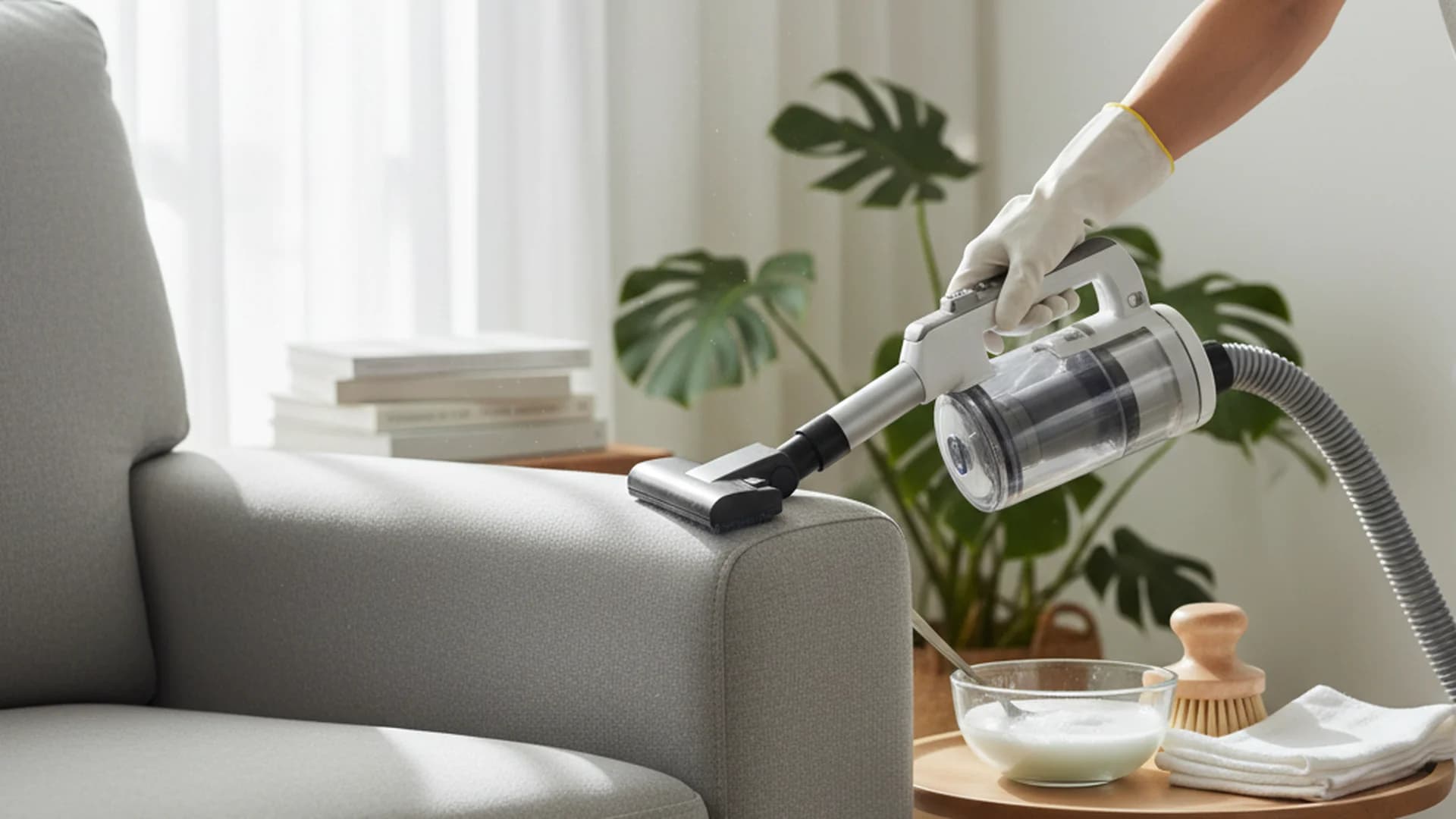
Before applying any liquid, you must remove loose debris. Use a vacuum with a soft-bristled brush attachment or a microfiber cloth. This is particularly important for wrought iron, which often features intricate scrolls and crevices where spiders and dust accumulate.
Phase 2: The Soap Solution
For most routine maintenance, a pH-balanced solution is your best friend.
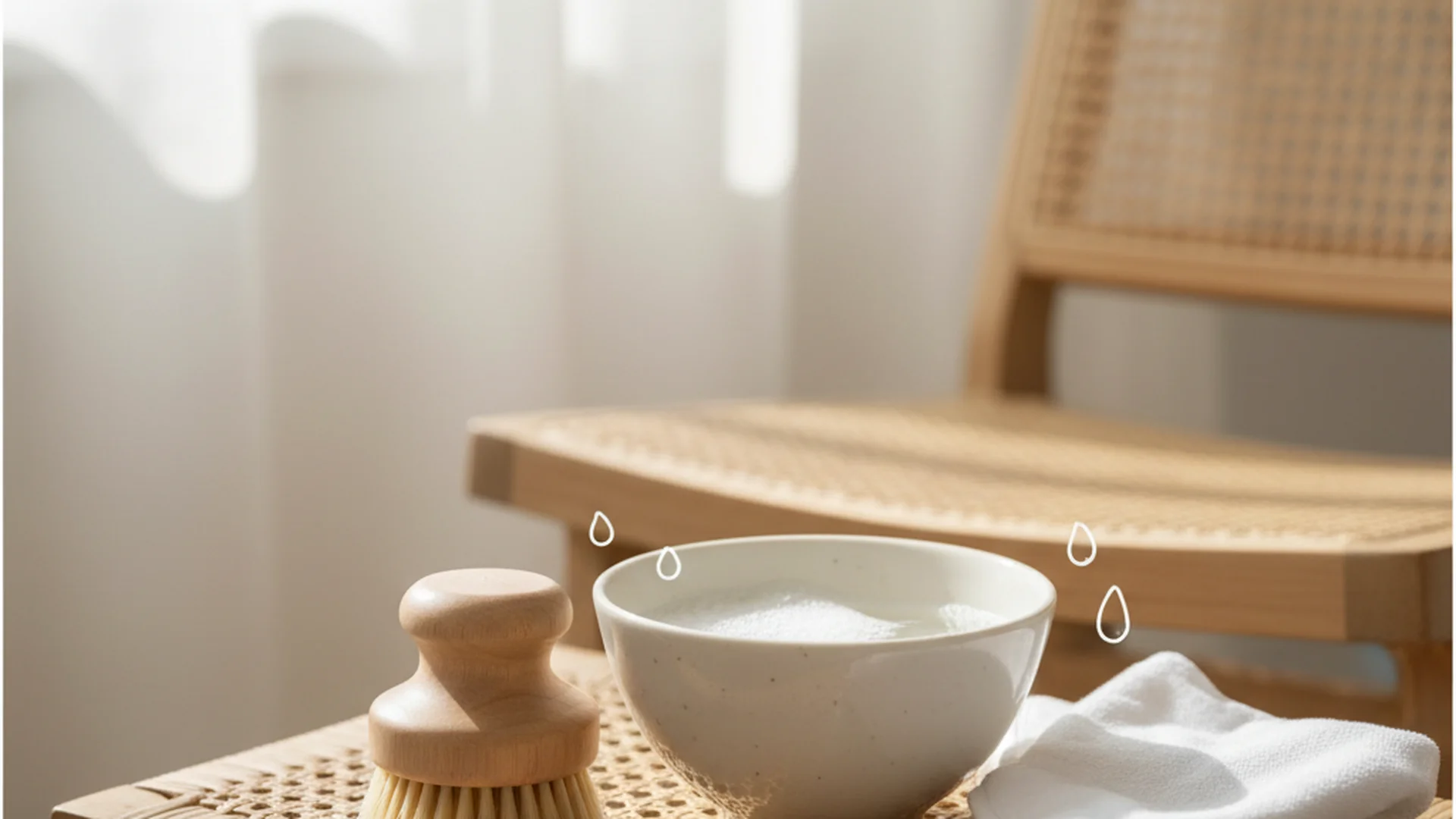
- Mix 1 tablespoon of mild dish soap into a bucket of warm water.
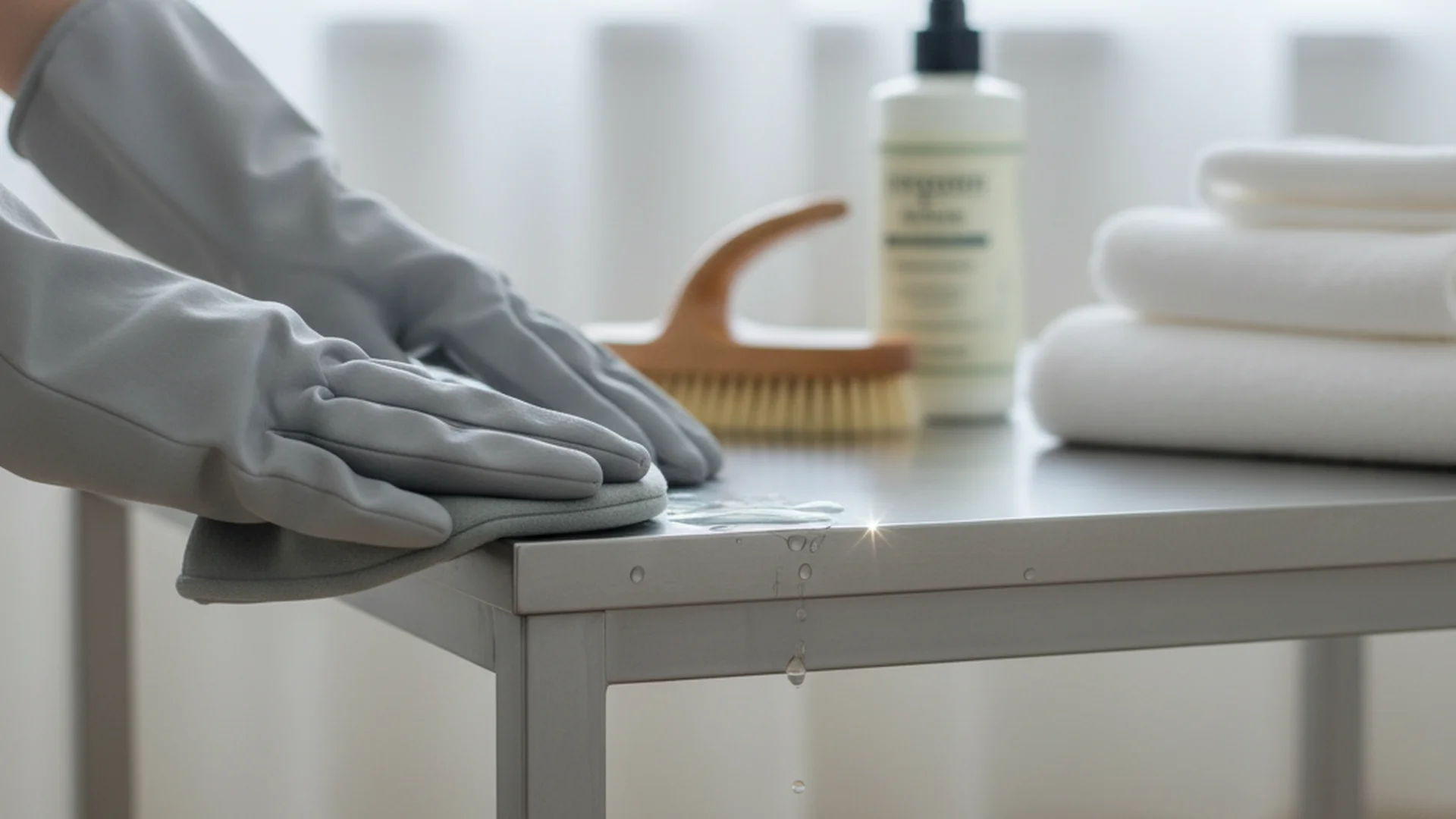
- Dip a soft sponge or microfiber cloth into the solution and wring it out until damp.
- Wipe down all surfaces, paying special attention to the underside of chairs and table legs.
Phase 3: The Critical Rinse and Dry
One of the most common mistakes is letting metal furniture "air dry." Tap water contains minerals that can leave unsightly spots or contribute to oxidation. Always rinse with a garden hose (standard pressure) and wipe the furniture dry immediately with a clean, lint-free towel.
Tip: For stubborn bird droppings or tree sap, let the soap solution sit on the spot for 2-3 minutes to soften the residue before wiping. Avoid the urge to scrape with a metal blade.
Material-Specific Care Strategies
While the gentle-first method works for everyone, different metals have unique chemical properties that require specific attention.
Aluminum and Cast Aluminum
Aluminum is highly prized for its resistance to rust, but it is prone to "white rust"—a powdery white oxidation that occurs frequently in coastal areas due to salt air.
- Treatment: If you see white spots, use a solution of equal parts white vinegar and water to gently scrub the area.
- Protection: Apply a thin coat of high-quality paste wax (or car wax) twice a year. This provides a UV-resistant barrier and keeps the finish looking factory-new.
Wrought Iron and Steel
These materials are the heavyweights of the furniture world but are susceptible to oxidation (red rust).
- Inspection: Once a year, inspect your iron furniture for "blistering." These are small bubbles in the paint where moisture has trapped itself against the metal.
- Fix: Sand these spots down immediately with fine-grit sandpaper and apply a matching rust-proof touch-up paint.
Stainless Steel
Stainless steel is popular for modern indoor and outdoor kitchens. The golden rule here is to always wipe with the grain.
- Fingerprints: Use a specialized stainless steel cleaner or a diluted vinegar solution to remove greasy smudges.
- Safety Check: Never use steel wool. It can leave tiny carbon steel particles behind that will eventually rust, making the stainless steel appear to be failing.
Warning: Never use bleach on stainless steel. Chlorine is highly corrosive and can cause permanent pitting and "tea staining" (a stubborn brown discoloration).
Recent Trends: The 2025 Tech Shift
The world of furniture maintenance has evolved. We are seeing a shift away from harsh industrial chemicals toward smarter, more sustainable solutions.
1. Probiotic and Enzymatic Cleaners
2.025 has seen the rise of "live" cleaning solutions. These cleaners use enzymes to "eat" organic grime like pollen, algae, and bird droppings. They are safer for your garden and won't strip the protective oils or powder coatings off your furniture.
2. Nanotechnology Coatings
High-end metal furniture brands are now integrating "self-cleaning" nano-coatings. These microscopic layers repel dust and water at a molecular level. If your furniture has a nano-coating, you should avoid heavy scrubbing entirely, as it can wear down the treatment.
3. Professional Powder-Coating Restoration
Instead of discarding old furniture, homeowners are opting for professional restoration. A professional can sandblast a 20-year-old wrought iron set and apply a VOC-free powder coating, making it look brand new for roughly 30% of the cost of a replacement.
Common Mistakes to Avoid
Even the most well-intentioned cleaning can go wrong if you use the wrong tools. Here are the pitfalls to avoid:
- Pressure Washing: It is tempting to use a power washer, but the high pressure can chip powder coatings and drive moisture into the internal joints where it can't escape, leading to internal rust.
- Glass Cleaner on Coated Metal: Most glass cleaners contain ammonia. Over time, ammonia will turn the protective clear coat on metal furniture cloudy or yellow.
- Abrasive Scouring Pads: Never use green scouring pads or steel wool on aluminum or powder-coated steel. The micro-scratches created will trap moisture and accelerate the aging process.
- Neglecting the Joints: Most rust starts at the bolts. Applying a drop of silicone-based lubricant to moving joints and bolts every season can prevent them from seizing or rusting.
| Metal Type | Key Threat | Recommended Cleaner | Protection Method |
|---|---|---|---|
| Aluminum | White Rust | Vinegar/Water | Car Wax |
| Iron/Steel | Red Rust | Mild Soap | Rust-proof Paint |
| Stainless | Pitting | Grain-safe Polish | Oil-based wipe |
| Brass/Copper | Patina | Lemon/Salt | Lacquer or Oil |
Real-World Examples
Example 1: The Coastal Aluminum Set
A homeowner in Florida noticed her "rust-proof" aluminum chairs were developing a chalky white film. Instead of replacing them, she used a 50/50 vinegar and water spray to remove the oxidation. By applying a coat of automotive car wax afterward, she protected the metal from the salt air for the entire summer season.
Example 2: The Inherited Wrought Iron
A family inherited a 30-year-old iron dining set that had started to show orange spots at the joints. They used a wire brush to remove the loose rust, applied a rust-inhibiting primer, and finished with a fresh coat of VOC-free black paint. The set was restored to its original glory for less than $50 in supplies.
Example 3: The Indoor Chrome Bar Stool
Many assume indoor furniture doesn't need care. However, a local bistro noticed their chrome stools were "pitting." This was caused by the acidity in skin oils from customers' hands and high indoor humidity. A monthly wipe-down with a microfiber cloth and a dedicated metal polish stopped the pitting immediately.
Note: "Living finishes" like copper or brass are intended to change color over time. Do not over-clean these unless you want to keep them shiny, which requires frequent polishing and sealing.
Frequently Asked Questions
Can I use a pressure washer on metal furniture?
How do I remove rust without damaging the paint?
Is car wax really necessary for metal furniture?
Why is my aluminum furniture turning white?
Conclusion
Understanding how to clean metal furniture is about more than just aesthetics; it is about preserving a durable asset and contributing to a more sustainable home. By following the "gentle-first" rule, addressing material-specific needs, and avoiding corrosive chemicals like bleach, you can ensure your metal furniture remains a beautiful, functional part of your home for a lifetime.
Success: Regular maintenance doesn't just keep your furniture looking good—it can save you thousands of dollars in replacement costs over the next decade.
Cleaning that keeps score
Every task earns points, every streak multiplies them, and Premium adds a household leaderboard plus a monthly Dustagorgon to beat.
- Free forever
- 30 badges to earn
- Up to 6 in a household
No card needed. Set up your rooms in a couple of minutes.