In this article
What you’ll learn
- Always dust with a microfiber cloth before applying any liquids to avoid micro-scratches.
- Use a pH-neutral soap and distilled water solution for the safest deep clean.
- Avoid silicone-based polishes and ammonia-heavy cleaners like Windex.
Lacquered furniture has long been the gold standard for high-end interior design, offering a depth of color and a mirror-like clarity that few other finishes can match. Whether you have a vintage mid-century modern credenza or a contemporary high-gloss coffee table, knowing how to clean lacquered furniture is essential for preserving its value and aesthetic. In 2025, we are seeing a massive revival in "gallery-worthy" furniture, where high-polish surfaces in deep jewel tones like burgundy and navy are taking center stage.
However, lacquer is as delicate as it is beautiful. Unlike heavy polyurethane or wax finishes, lacquer is a thin, hard film—usually sprayed on—that can be easily scratched or chemically "burned" by the wrong cleaning agents. To help you maintain your investment, this guide provides the best way to clean lacquered furniture using expert-approved methods that align with modern material science.
Understanding the Material Science of Lacquer
Before you reach for a cleaning spray, it is important to understand what you are working with. Most modern furniture uses catalyzed lacquers, which contain acid-based hardeners. These are significantly more resistant to water and alcohol than the nitrocellulose lacquers of the past.
However, as we move into 2026, there is a growing shift toward GreenGuard Certified eco-lacquers. While these water-based finishes are better for your home’s air quality and the environment, they can be slightly more sensitive to harsh chemical cleaners. This is why a gentle, pH-neutral approach is always the safest bet for any lacquered piece, regardless of its age.
Note: Lacquer is a non-porous "film" finish. Unlike oiled wood, it does not need to be "fed." Any oils or conditioners you apply will simply sit on top of the surface and attract dust.
The Essential Toolkit for Lacquer Care
To clean lacquered furniture at home without causing damage, you need the right tools. Using the wrong cloth or water type can lead to the very streaks and scratches you are trying to avoid.
What You Will Need:
- Two Microfiber Cloths: One for damp cleaning and one for immediate buffing.
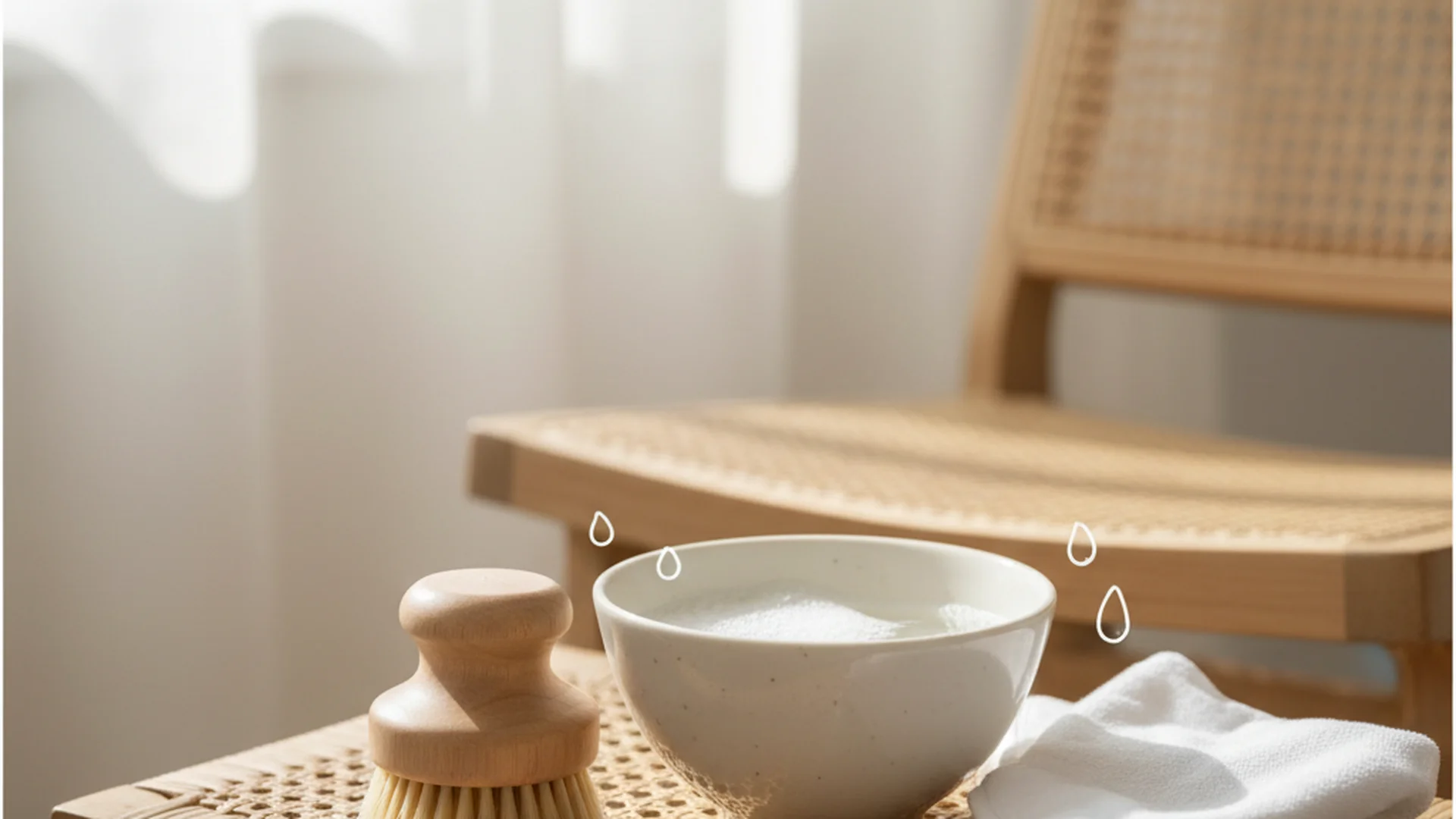
- Distilled Water: Tap water often contains minerals (calcium and magnesium) that leave white streaks on high-gloss surfaces.
- pH-Neutral Dish Soap: Avoid "heavy-duty" degreasers or soaps with harsh fragrances and dyes.
- A Natural Feather Duster: For regular, daily maintenance.
Warning: Never use paper towels to clean high-gloss lacquer. Paper towels are made from wood pulp and are abrasive enough to leave thousands of tiny "swirl marks" that dull the shine over time.
Step-by-Step: The Best Way to Clean Lacquered Furniture
Follow this professional routine to ensure a streak-free, crystal-clear finish every time.
Step 1: The "Dry First" Rule
The most common mistake people make is spraying a liquid directly onto a dusty surface. Dust is often composed of hard micro-particles (like silica or skin cells) that act like sandpaper when dragged across a glossy surface with a wet cloth. Always use a feather duster or a dry, clean microfiber cloth to lift away loose debris first.
Step 2: Prepare the Solution
Mix a few drops of pH-neutral dish soap into a quart of lukewarm distilled water. You don't want a "sudsy" mess; you just need enough surfactant to break down oils from fingerprints.
Step 3: The Damp Wipe
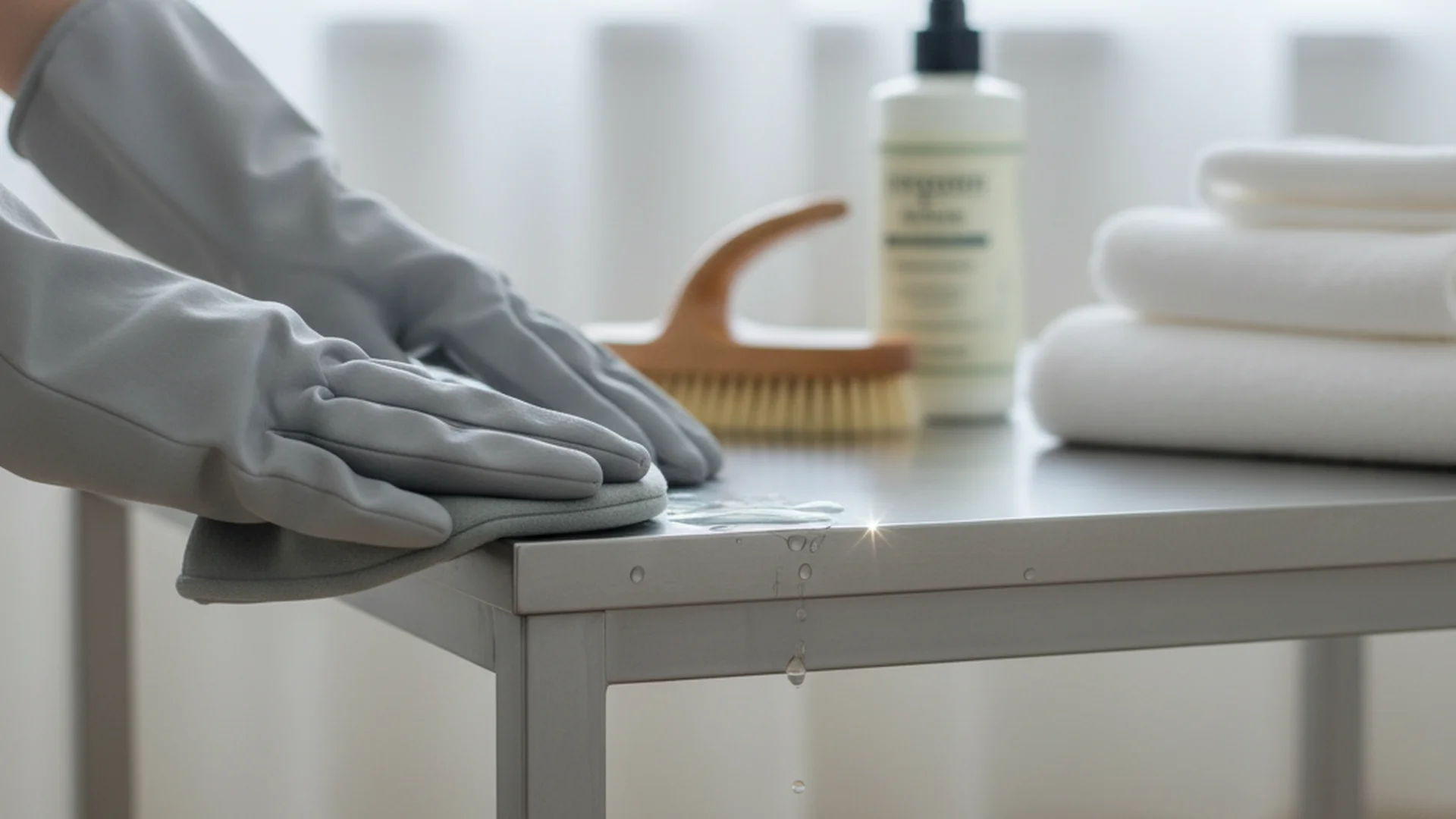
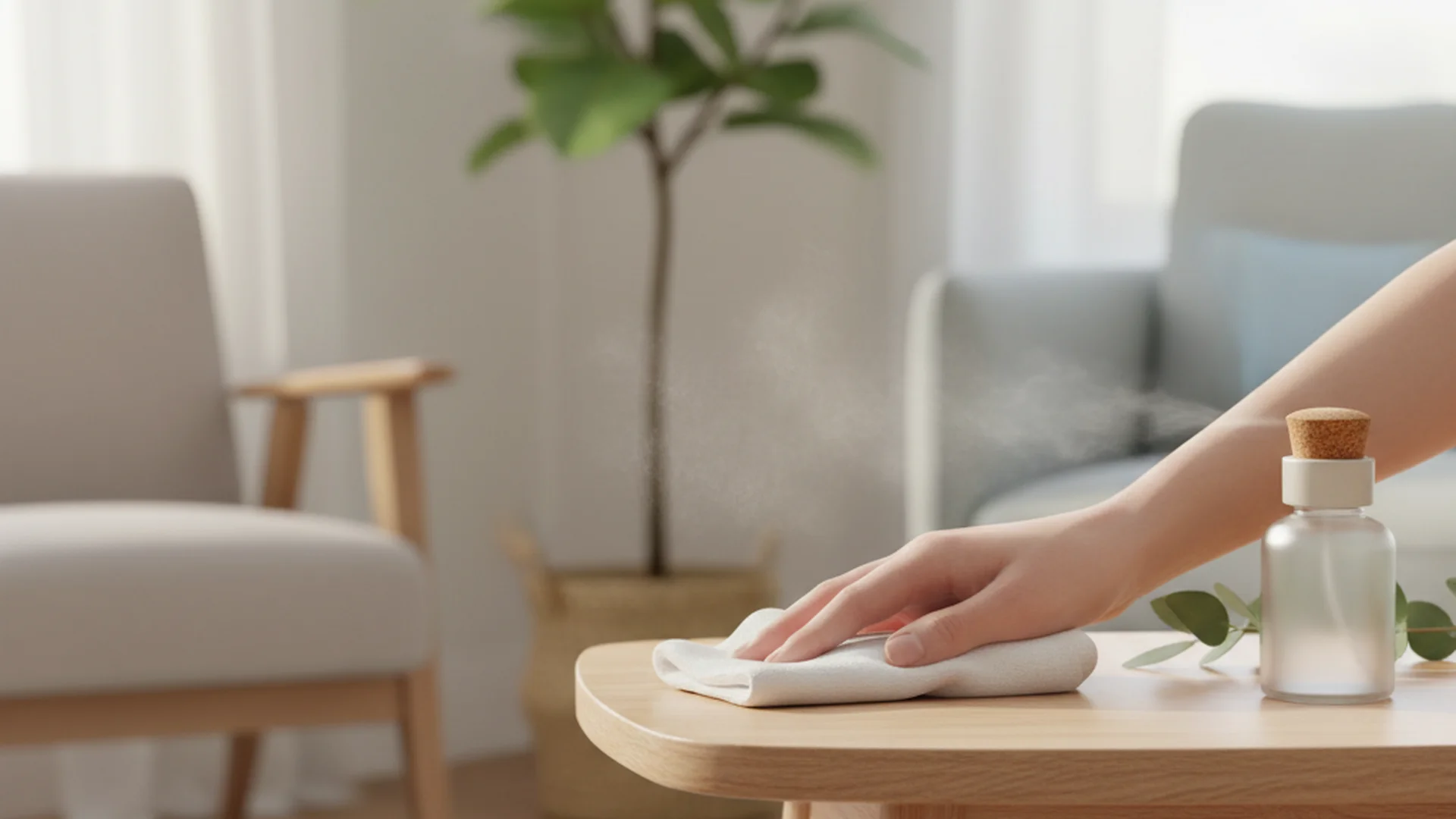
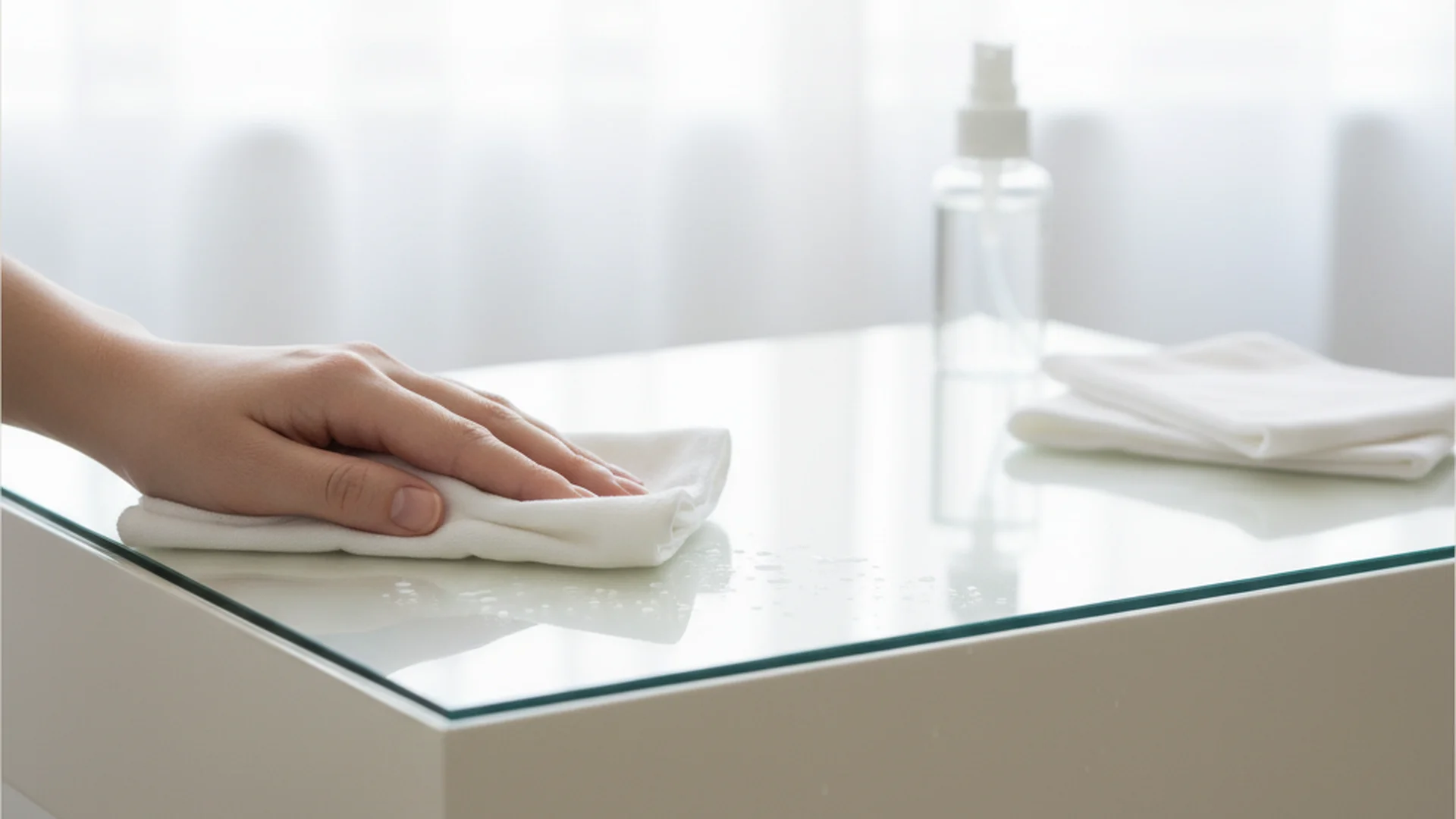
Dip your microfiber cloth into the solution and wring it out thoroughly. It should be damp, not dripping. Wipe the furniture in straight, even strokes. Avoid circular motions, as these can create visible swirl marks under bright lighting.
Tip: If you are cleaning a piece with a visible wood grain beneath the lacquer (like burl wood), try to follow the direction of the grain.
Step 4: Immediate Buffing
This is the "secret" to a professional finish. Never let a lacquered surface air dry. Immediately follow your damp cloth with your second, bone-dry microfiber cloth. Use light pressure to buff the surface until it is completely dry and reflective.
Success: Following the "Wipe-and-Buff" method prevents water spots and ensures that the soap residue doesn't leave a film on the high-gloss finish.
Common Mistakes to Avoid
In my experience as a professional cleaning consultant, most damage to lacquered furniture isn't caused by age—it’s caused by well-intentioned owners using the wrong products.
1. Using Silicone-Based Polishes
Most "grocery store" furniture sprays contain silicone to provide an instant, oily shine. However, silicone creates a permanent, sticky film that is nearly impossible to remove. If you ever need to have your furniture repaired or refinished, the silicone will prevent new lacquer from adhering, leading to a "fish-eye" effect.
2. Over-Polishing
You should only polish lacquered furniture 3 to 4 times per year. Over-polishing leads to waxy buildup that eventually makes the furniture look cloudy and attracts more fingerprints.
3. The Vinegar Myth
While vinegar is a great natural cleaner for many surfaces, it is too acidic for lacquer. Even a mild vinegar solution can slowly eat through the protective film, leading to a dull, "etched" appearance over several years.
4. Over-Wetting
Lacquer is water-resistant, but it is not waterproof. If water seeps into a seam, joint, or a small crack in the finish, it can cause the wood underneath to swell. This pressure will cause the lacquer to flake or "delaminate" from the surface.
Real-World Examples
Case 1: The High-Gloss Coffee Table
A client recently purchased a deep navy, high-gloss coffee table—a major trend for 2025. Because it’s a high-traffic item, it was covered in oily fingerprints. We implemented a daily "dry-dusting" routine and a weekly "distilled water wipe." By avoiding all commercial sprays, the table has maintained its "liquid" look for over six months without a single scratch.
Case 2: The Burl Wood Credenza
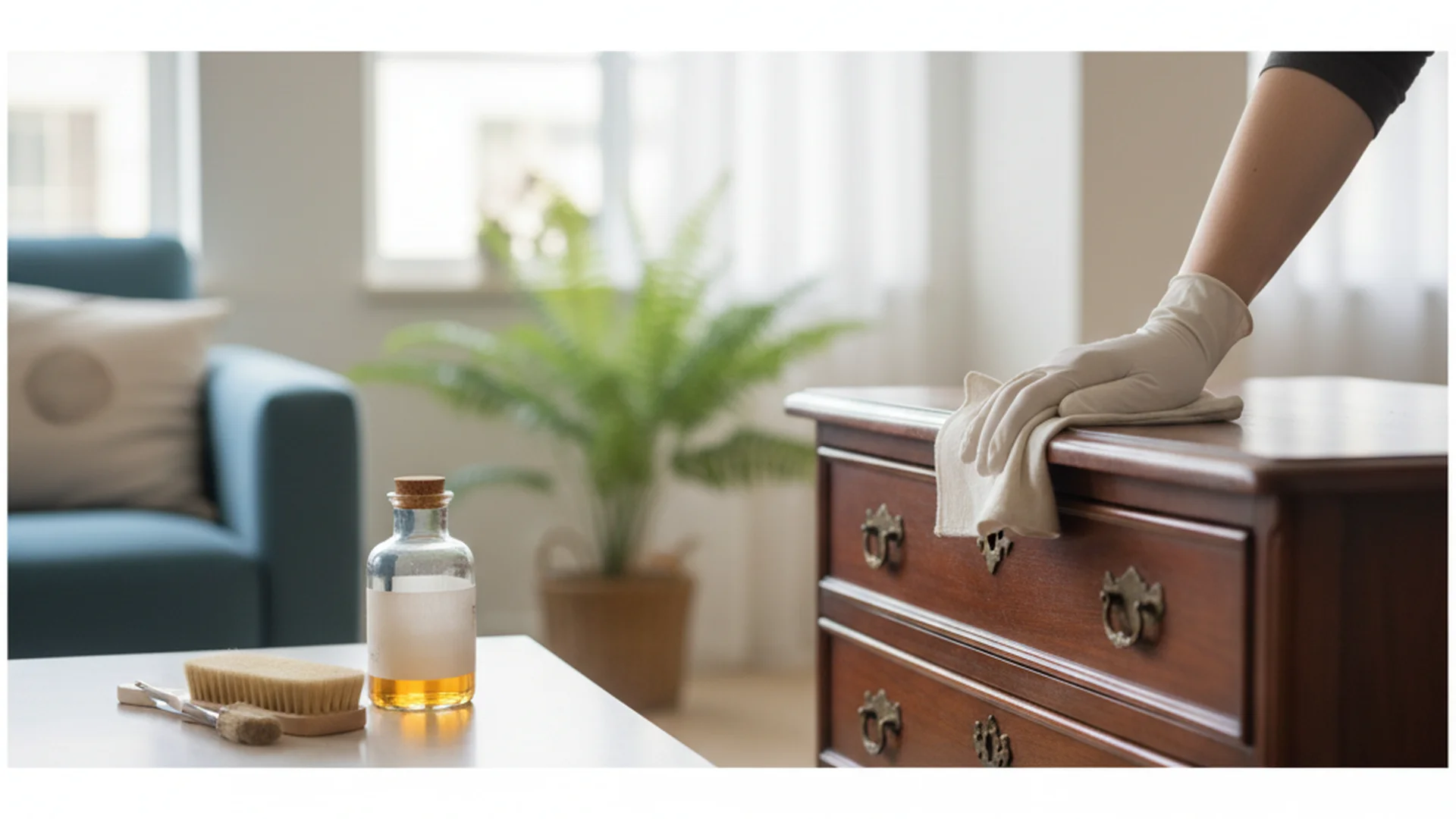
Burl wood is making a massive comeback in 2026. These pieces often have very thick lacquer finishes to protect the intricate wood patterns. Because burl wood is highly reflective, we recommended using a "micro-drop" of soap (less than a teaspoon) in distilled water. The result was a streak-free shine that highlighted the wood's natural "fire."
Case 3: Removing "Cloudy" White Spots
A homeowner accidentally left a damp towel on a lacquered side table, resulting in a cloudy white ring (trapped moisture). We used a hair dryer on a low, cool setting, moving it constantly over the spot. Within 10 minutes, the moisture evaporated, and the cloudiness disappeared.
Frequently Asked Questions
Can I use Windex or glass cleaner on lacquer?
How do I remove stubborn, sticky residue from lacquer?
Is it safe to use "Wood Food" or oil conditioners?
How do I prevent scratches on a high-gloss desk?
Conclusion
Maintaining the breathtaking shine of your furniture doesn't require expensive chemicals or hours of labor. By mastering how to clean lacquered furniture using the distilled water and "wipe-and-buff" technique, you can ensure your pieces remain a focal point of your home for decades. Remember: the less you do, the better. Avoid the temptation of "miracle" sprays and stick to the basics.
Success: With a consistent, gentle cleaning routine, your lacquered furniture will retain its depth and clarity, resisting the "dulling" effect that plagues poorly maintained pieces.
Cleaning that keeps score
Every task earns points, every streak multiplies them, and Premium adds a household leaderboard plus a monthly Dustagorgon to beat.
- Free forever
- 30 badges to earn
- Up to 6 in a household
No card needed. Set up your rooms in a couple of minutes.