In this article
What you’ll learn
- Always use pH-neutral cleaners to prevent acidic etching.
- Seal high-traffic travertine every 12-18 months.
- Avoid steam mops and vinegar at all costs.
Travertine has long been a staple of high-end architecture, but as we move into 2025 and 2026, it has seen a massive resurgence. However, owning this luxury stone comes with a specific set of rules. If you want to know how to clean travertine floors without damaging their delicate calcium carbonate structure, you need to look beyond generic floor cleaners and embrace stone-specific science.
The Science of Travertine: Why Standard Cleaning Fails
To understand the best way clean travertine floors, you must first understand what the stone is. Travertine is a form of limestone deposited by mineral springs. Its signature "pitted" surface is caused by escaping gases during its formation. In most homes, these pits are "filled" with resin for a smooth finish, though "unfilled" travertine remains popular for rustic, outdoor aesthetics.
Because travertine is composed primarily of calcium carbonate, it is chemically sensitive. It reacts almost instantly to acids. This reaction is called "etching"—a chemical burn that leaves a permanent dull, white mark on the surface.
Warning: Acidic substances like vinegar, lemon juice, or even some "natural" orange-oil cleaners can etch travertine in less than 30 seconds.
Daily Maintenance: The 5-Minute Routine
The secret to a long-lasting stone floor isn't a magic chemical; it’s consistency. Because travertine is porous, dirt and grit act like sandpaper under your feet, grinding down the sealer and scratching the stone.
Dust Mopping vs. Vacuuming
For daily debris, a microfiber dust mop is your best friend. Unlike traditional brooms, microfiber traps the fine particles that can dull a polished finish.
If you prefer vacuuming, you must proceed with caution. Ensure your vacuum is set to the "hard floor" setting. This disables the beater bar (the rotating brush). A spinning beater bar can create microscopic chips in the stone or scratch the resin filler.
Tip: Place high-quality walk-off mats at every entrance. Removing sand and grit from shoes before they hit the travertine can reduce maintenance costs by up to 50%.
How to Clean Travertine Floors Naturally
Many homeowners want to clean travertine floors naturally to avoid harsh chemicals, but they often reach for vinegar—a catastrophic mistake for stone. The safest, most effective natural method involves simple chemistry.
The 16:1 Natural Recipe
If you want an eco-friendly, DIY solution, mix the following:
- Water: 1 gallon of warm (not boiling) water.
- Isopropyl Alcohol: 1 cup (this aids in quick evaporation and disinfection).
- pH-Neutral Soap: 2-3 drops of clear, fragrance-free castile soap.
The Mopping Technique
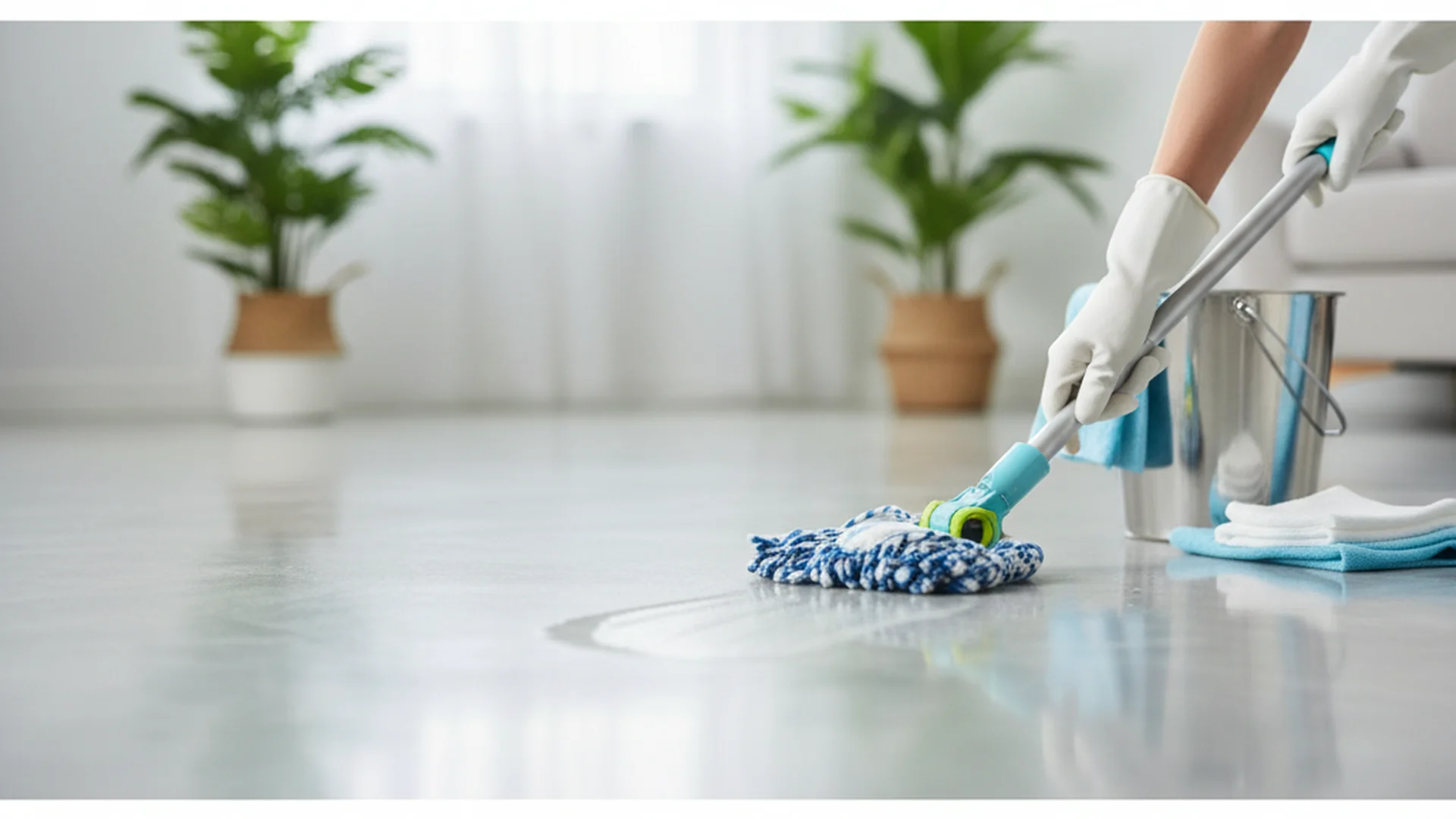
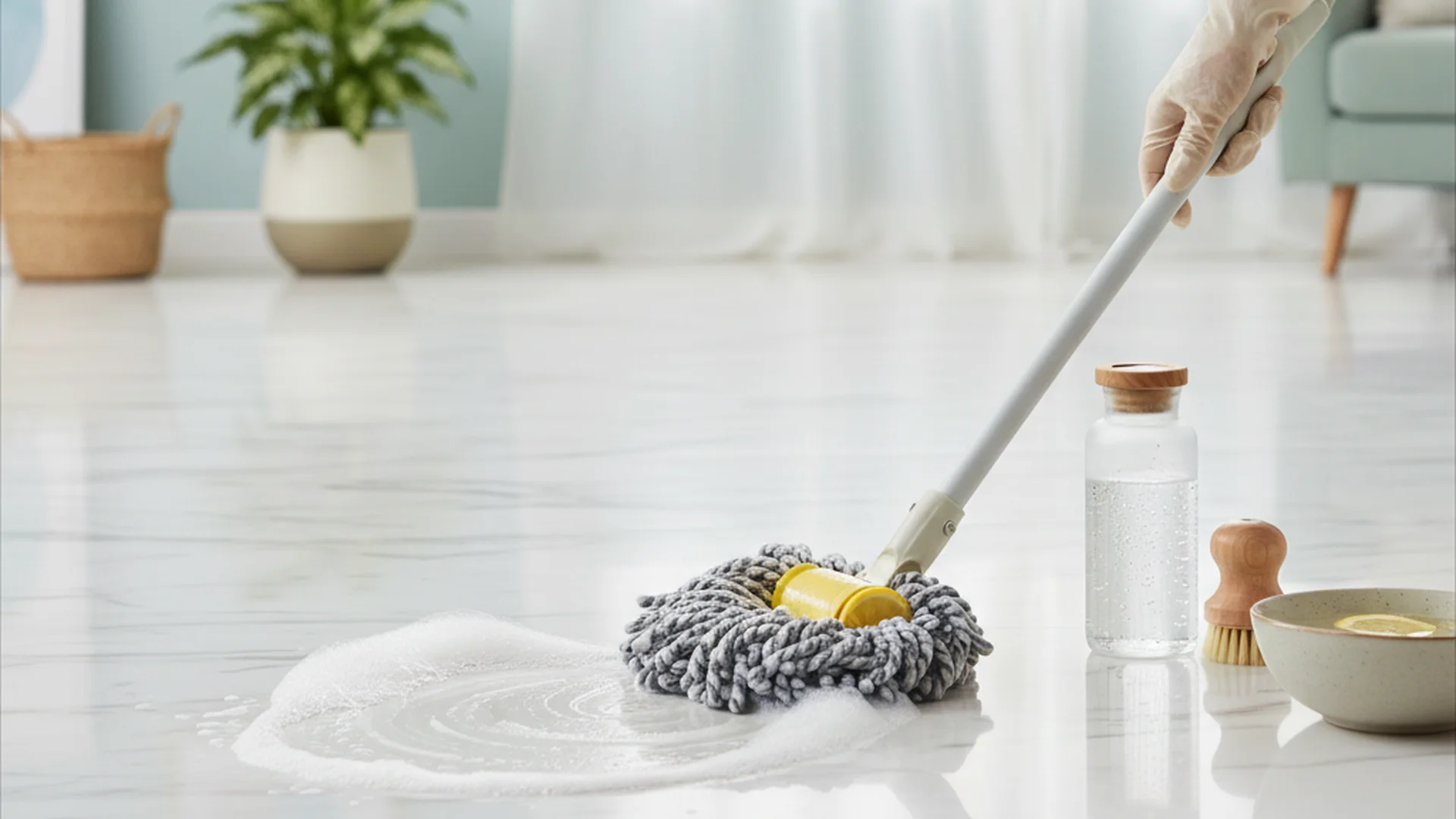
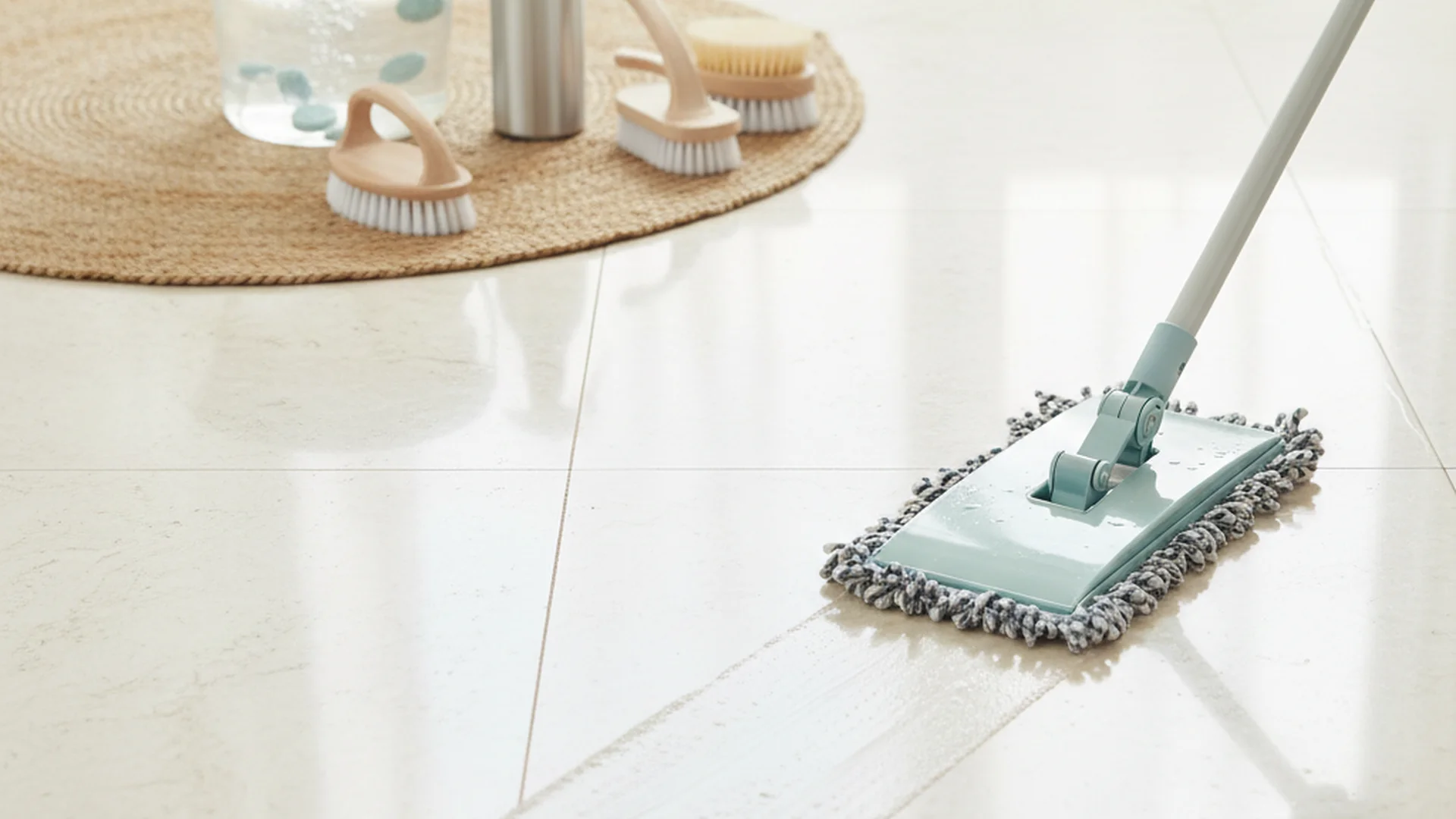
When mopping, the "Microfiber is King" rule applies. Traditional cotton string mops tend to push dirty water into the travertine’s natural pits and grout lines. Use a flat microfiber mop system instead.
Real-World Example: The Kitchen Spill Imagine you drop a splash of orange juice in the kitchen. Most people’s instinct is to grab a rag and wipe it up in a circular motion. On travertine, this is a mistake. Instead, you should blot the spill with a paper towel. Wiping spreads the acid across more pores, increasing the "etch" radius. Once blotted, neutralize the area with your pH-neutral spray.
Sealing 101: Protecting Your Investment
Sealing is the most critical part of travertine care. Professional restoration (honing and polishing) can be 3–5 times more expensive than the annual cost of high-quality sealers. A sealer doesn't make the floor "waterproof," but it does make it "stain-resistant," giving you a window of time to clean up spills.
The Water Drop Test
Not sure if it’s time to reseal? Perform this simple test:
- Place a tablespoon of water on a high-traffic area of your tile.
- Wait 10 minutes.
- If the water stays in a bead on top, your seal is strong.
- If the stone has darkened or the water has soaked in, it’s time to reseal.
Note: High-traffic areas like kitchens generally need sealing every 12–18 months, while bedrooms can often go 3–5 years between applications.
| Feature | Polished Finish | Honed/Leathered Finish |
|---|---|---|
| Appearance | High-gloss, reflective | Matte, textured |
| Etch Visibility | Highly Visible | Less Visible |
| Grip/Safety | Slippery when wet | Slip-resistant |
| Cleaning Need | Frequent dusting | Deep pore cleaning |
2025–2026 Trends in Travertine Care
As we look toward 2026, technology is changing how we maintain natural stone.
Smart Stone Technology
New high-end robotic mops (such as the latest models from Ecovacs or Roborock) now feature "Stone-Safe" logic. These robots use lower water volumes and specific scrub pressures designed not to over-saturate porous stone or strip the sealer.
Sustainable Sealing
The industry is shifting toward water-based, low-VOC penetrating sealers. Unlike older "topical" sealers that sat on top of the tile and eventually peeled, these 2026 formulas bond deep within the pores. They are eco-friendly and don't emit the harsh chemical smells associated with traditional stone care.
Large-Format Minimalism
A major design trend for 2026 is the use of oversized travertine slabs (600x600mm or larger). By reducing the number of grout lines, you reduce the primary "dirt traps" in the floor, making the overall cleaning process significantly faster.
Common Mistakes to Avoid
Even well-intentioned cleaning can ruin a travertine floor. Avoid these common pitfalls:
- Using Steam Mops: While popular for tile, the intense heat and pressure of steam can force moisture deep into the stone's pores. This can cause "spalling" (surface flaking) and prematurely break down your sealer.
- Generic All-Purpose Cleaners: Most grocery store sprays contain chelating agents or mild acids. These will strip your sealer in just a few uses, leaving the stone vulnerable.
- Neglecting the Grout: Many people focus on the tile but ignore the grout. Grout is even more porous than travertine. It should be cleaned with a soft-bristled brush and a stone-safe alkaline cleaner, then sealed separately.
Real-World Example: The "Antique" Sunroom A homeowner in Florida noticed her travertine sunroom was becoming dull despite regular cleaning. She was using a popular "lemon-scented" floor cleaner. Over six months, the mild citric acid in the cleaner had micro-etched the entire floor. The fix required a professional "honing" to remove the damaged top layer—a $2,000 mistake that could have been avoided with a $15 pH-neutral stone cleaner.
Frequently Asked Questions
Can I use a Swiffer on travertine?
Is travertine high maintenance?
How do I remove a stain that has already set?
What is the "Leathered" finish I keep hearing about?
Conclusion
Maintaining the timeless beauty of travertine doesn't require a professional crew, but it does require a departure from "standard" cleaning habits. By focusing on pH-neutral solutions, utilizing microfiber technology, and staying ahead of the sealing schedule, you can ensure your floors remain a stunning focal point for decades. Remember: with natural stone, gentle consistency always beats aggressive cleaning.
Success: By following this pH-neutral regimen, you protect both the aesthetic beauty and the resale value of your home.
Cleaning that keeps score
Every task earns points, every streak multiplies them, and Premium adds a household leaderboard plus a monthly Dustagorgon to beat.
- Free forever
- 30 badges to earn
- Up to 6 in a household
No card needed. Set up your rooms in a couple of minutes.