In this article
What you’ll learn
- Brazilian Cherry is exceptionally hard but highly sensitive to light and water.
- Never use vinegar or steam mops; stick to pH-neutral cleaners or distilled water.
- Periodic furniture movement is essential to prevent permanent 'tan lines' on the wood.
Brazilian Cherry, also known by its botanical name Jatoba, is often referred to as the "King of Exotic Hardwoods." With its breathtaking depth of color and incredible durability, it is a centerpiece of luxury home design. However, many homeowners find themselves frustrated when their standard cleaning routines leave the wood looking cloudy or, worse, damaged. Knowing how to clean brazilian cherry properly is about more than just removing dust; it is about preserving a living material that changes color and character over time.
In this guide, we will explore the professional techniques required to maintain that deep burgundy glow, the technological tools making floor care easier in 2026, and the common household products that you should banish from your cleaning cabinet forever.
The Science of Jatoba: Why It Needs Special Care
Before we dive into the cleaning process, it is vital to understand what makes Brazilian Cherry unique. On the Janka Hardness Scale, Brazilian Cherry ranks between 2,350 and 2,820. To put that in perspective, Domestic Red Oak—the standard for American flooring—ranks at just 1,290.
This hardness makes the wood incredibly resistant to dents from dropped pots or high heels. However, its density also means it does not absorb stains or oils the same way softer woods do. Surface-level cleaning is the only way to go, as anything that sits on the wood will likely stay there, creating a sticky residue.
The "Tanning" Process
Brazilian Cherry is famously photosensitive. When first installed, it often appears as a light salmon or tan color. Over the first year, exposure to sunlight triggers a natural chemical reaction, darkening the wood into a rich, deep red.
Note: Approximately 80% of the color change in Brazilian Cherry occurs within the first 6 to 12 months of installation.
Step-by-Step: How to Clean Brazilian Cherry
For the best results, you need a routine that balances the removal of abrasive grit with the preservation of the floor's polyurethane or UV-cured finish.
Step 1: Microfiber Dust Mopping
The greatest enemy of a Brazilian Cherry floor is friction. Fine particles of sand and dirt act like sandpaper under your feet, slowly grinding away the finish.
Use a high-quality microfiber dust mop daily. Unlike traditional brooms, which often just push dust around or flick it into the air, microfiber uses static electricity to trap and lift particles from the surface.
Tip: Always mop in the direction of the wood grain to ensure you are lifting debris out of the micro-bevels between the planks.
Step 2: Selecting the Right Cleaner
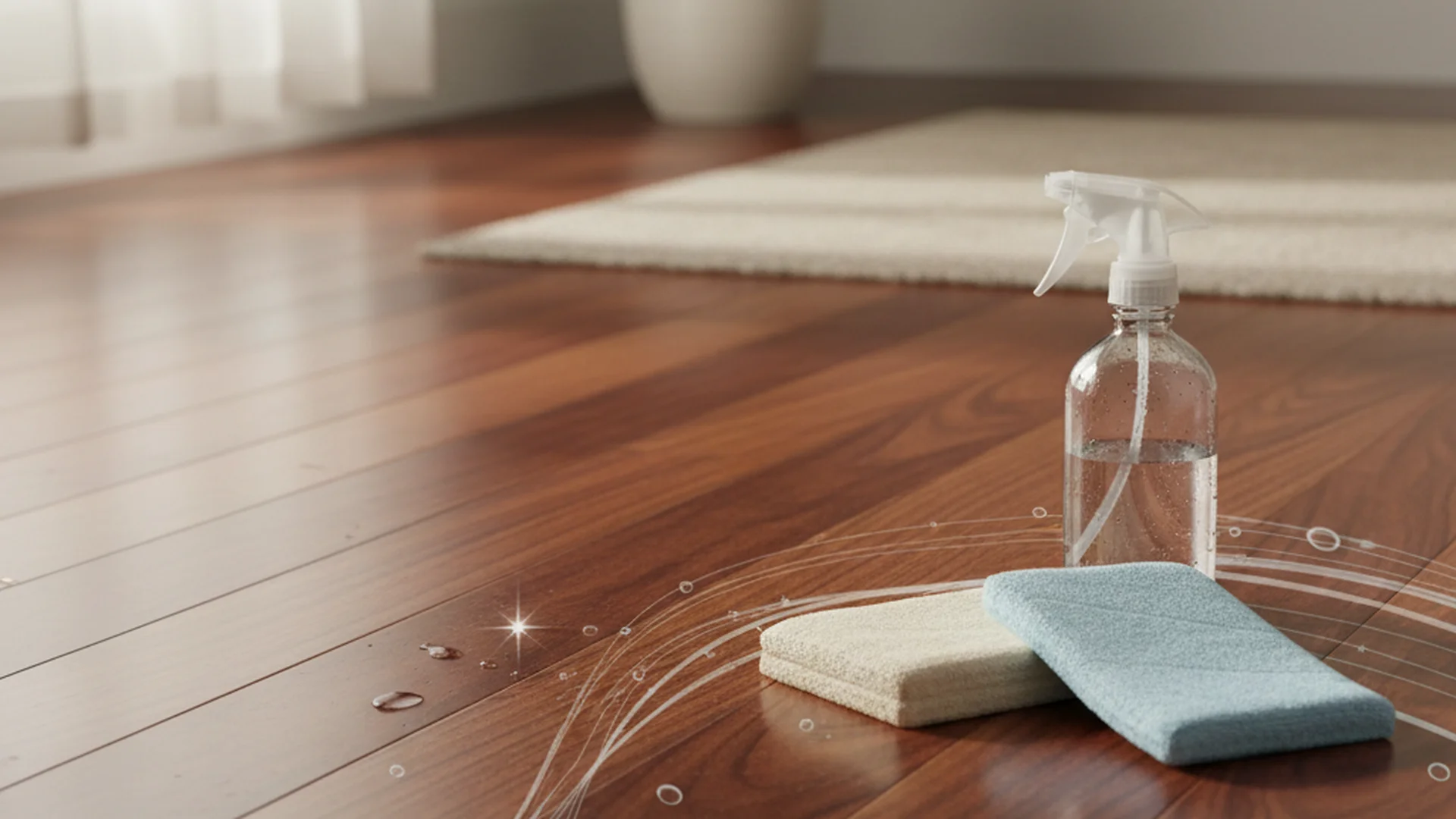
The best way clean brazilian cherry is to use a dedicated pH-neutral hardwood floor cleaner. Products like Bona or Bruce are designed to break down oils and footprints without leaving behind the soaps and waxes found in "all-purpose" cleaners.
Example: Imagine you have just hosted a dinner party. You notice greasy smears near the kitchen island. A pH-neutral spray will emulsify that grease so it can be wiped away, whereas a soapy cleaner would leave a dull film that shows every footprint the next morning.
Step 3: The Damp Mop Method
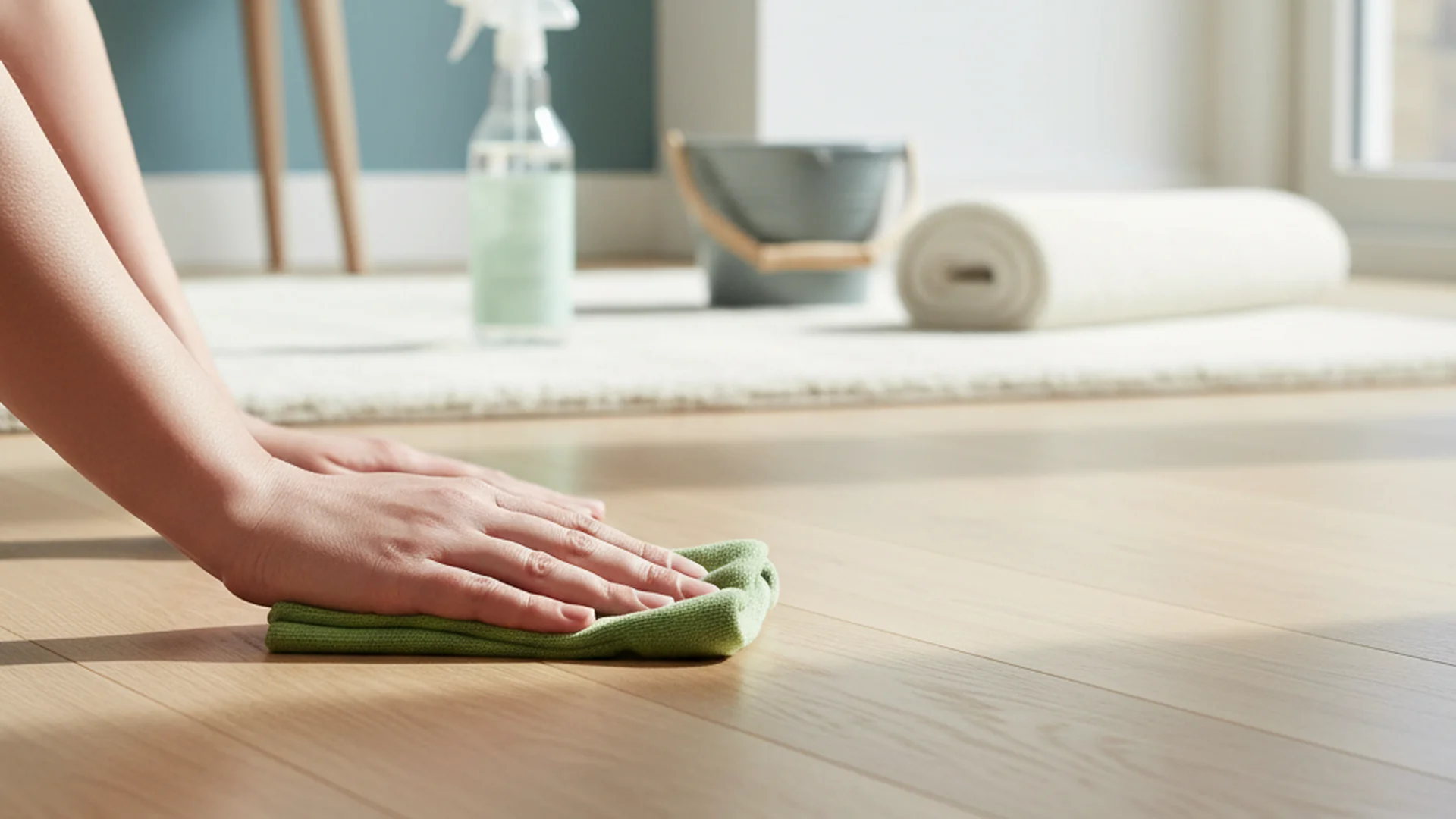
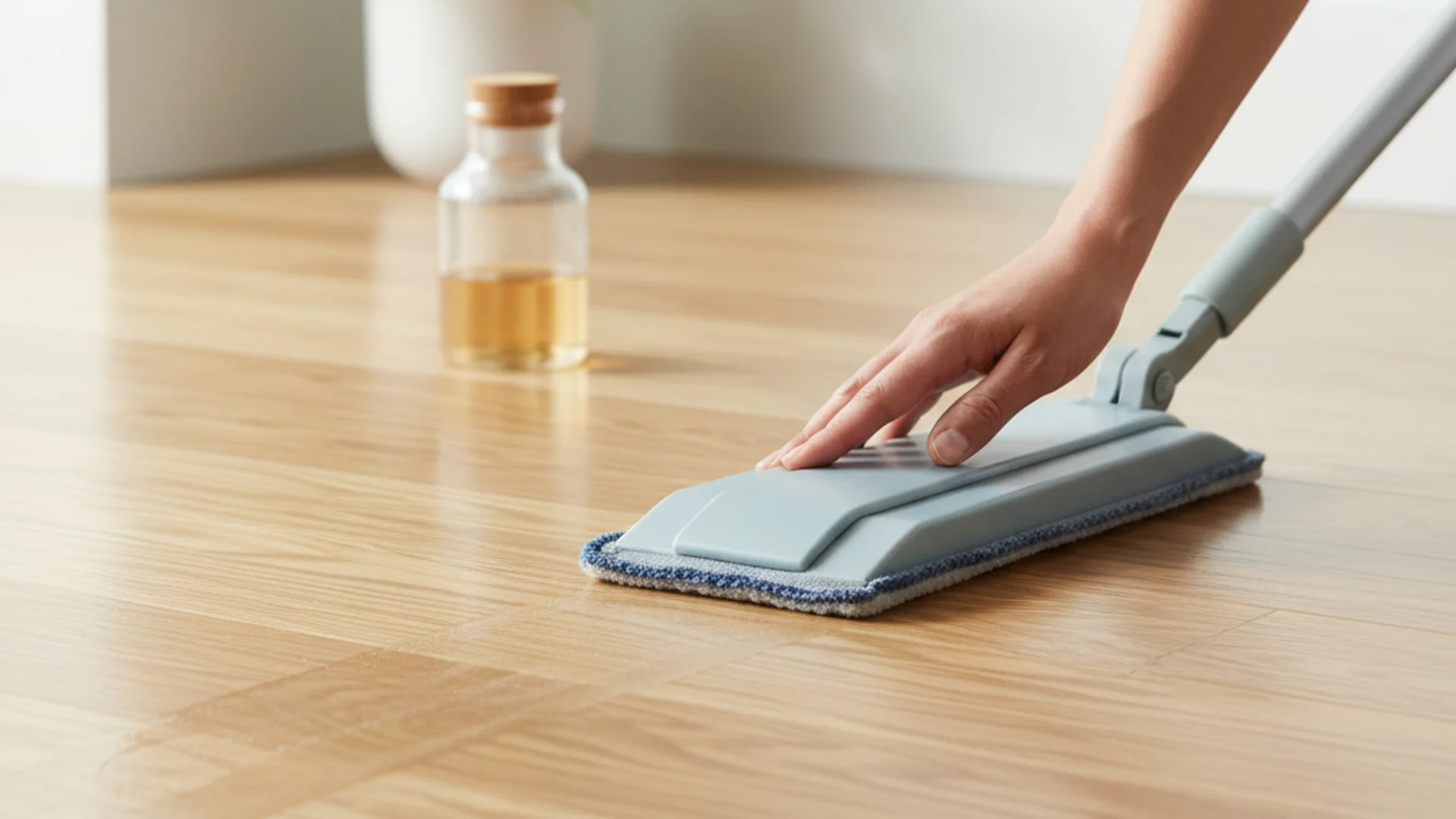
Never use a soaking wet mop. Instead, lightly mist a microfiber cleaning pad with your chosen solution and glide it across the floor. The floor should be dry within 60 seconds of cleaning.
Warning: Excessive water is the "silent killer" of exotic hardwoods. If water seeps into the joints, it can cause "cupping," where the edges of the boards rise higher than the center.
The Natural Alternative: Clean Brazilian Cherry Naturally
If you prefer to avoid commercial chemicals, you can clean brazilian cherry naturally using a simple, home-brewed solution that is safe for both the wood and your family.
- Distilled Water: Use one gallon of distilled water. Distilled is better than tap water because it lacks the minerals (like calcium) that can leave white streaks on dark wood.
- Clear Dish Soap: Add exactly two drops of a clear, dye-free dish soap (like Seventh Generation or Dawn Free & Clear).
- Application: Dampen your microfiber cloth in the solution, wring it out until it is barely damp to the touch, and wipe.
Success: This method is highly effective for removing stubborn, sticky spills without the risk of chemical buildup or finish degradation.
Tech-Forward Maintenance for 2026
Home maintenance has evolved. In 2025 and 2026, new technologies have made it easier to manage sensitive dark woods like Jatoba.
- AI-Driven Robot Vacuums: The latest generation of robot cleaners now features "Lift-Mop" technology. These devices use LiDAR to detect the difference between a rug and a hard floor, lifting the damp mopping pad entirely when transitioning, preventing moisture from being dragged across rug edges.
- Enzyme-Based Cleaners: There is a growing trend toward bio-based, VOC-free cleaners. These use natural enzymes to "eat" organic spills and oils, providing a deep clean without the harsh odors of traditional solvents.
- Smart Humidity Sensors: Since Brazilian Cherry is sensitive to expansion and contraction, many homeowners are now installing smart hygrometers. These sensors link to your HVAC system to keep indoor humidity strictly between 35% and 55%, preventing the wood from gapping in the winter.
Common Mistakes to Avoid
In my years as a professional cleaning consultant, I have seen many beautiful floors ruined by well-intentioned homeowners. Avoid these pitfalls at all costs:
- Using Vinegar: Vinegar is an acid. While it is great for glass, it will eat through the protective topcoat of your floor over time, leaving the wood looking "cloudy."
- Steam Mops: Steam mops force pressurized moisture into the grain and joints of the wood. This can cause the finish to peel and the wood to swell permanently.
- Oil Soaps (e.g., Murphy’s): These products leave a waxy residue. If you ever want to "screen and recoat" your floors (a light sanding of the top layer to refresh the shine), the new finish will not stick to the oil, forcing you to pay for a much more expensive full sand-and-refinish.
- Beater Bars: Never use a vacuum with a rotating brush (beater bar) on Brazilian Cherry. The stiff bristles can leave thousands of micro-scratches that dull the high-gloss look.
| Mistake | Consequence | Professional Recommendation |
|---|---|---|
| Vinegar & Water | Finish Etching/Dullness | pH-neutral spray cleaner |
| Steam Mopping | Wood Swelling/Cupping | Barely damp microfiber pad |
| Oil-Based Soaps | Sticky Residue/Wax Build-up | Distilled water & 2 drops soap |
| Beater Bar Vacuum | Micro-scratches | "Hard Floor" vacuum setting |
Frequently Asked Questions
Can I use vinegar and water to clean my Brazilian Cherry floors?
How do I prevent 'tan lines' under my area rugs?
Is a steam mop safe for Brazilian Cherry?
My floors are turning deep red—is this dirt?
Conclusion
Brazilian Cherry floors are a long-term investment that can last for decades if treated with respect. By implementing a daily microfiber routine, using pH-neutral cleaners, and strictly avoiding the "old wives' tale" cleaning methods like vinegar and steam, you ensure that your Jatoba floors remain the crowning jewel of your home.
Remember, the goal isn't just to have a clean floor today, but to preserve the integrity of the wood for the next twenty years.
Success: Proper humidity control and the right cleaning agents can extend the time between professional refinishing by up to 10 years.
Cleaning that keeps score
Every task earns points, every streak multiplies them, and Premium adds a household leaderboard plus a monthly Dustagorgon to beat.
- Free forever
- 30 badges to earn
- Up to 6 in a household
No card needed. Set up your rooms in a couple of minutes.