In this article
What you’ll learn
- Wash rugs weekly in high-traffic homes to combat high bacteria levels.
- Never use fabric softener as it ruins the absorbency of the fibers.
- Use white vinegar and baking soda to disinfect and deodorize naturally.
Stepping out of a warm shower onto a plush, soft rug is one of life’s simple luxuries. However, beneath that cozy exterior lies a startling reality: your bathroom rug is often the dirtiest item in your home—carrying far more bacteria per square inch than the toilet seat you are so careful about. Knowing how to clean bathroom rug properly isn't just about aesthetics; it is a critical step in maintaining a healthy, hygienic home environment.
The "Petri Dish" Reality: Why Cleaning Matters
While we often focus on scrubbing the tile or bleaching the toilet, the bathroom rug is frequently ignored. There is a real "hygiene gap" here: most households wash the rug far less often than they wash their towels, and plenty of people have never put one through the machine at all.
Because these rugs are situated in high-moisture environments, they become breeding grounds for E. coli, Staphylococcus aureus, and the fungi responsible for athlete's foot. Furthermore, the "toilet plume" effect—where aerosolized particles are released during flushing—means your rug is constantly being coated in microscopic contaminants. Understanding the best way clean bathroom rug involves more than a quick shake; it requires a systematic approach to deep cleaning and disinfection.
Step-by-Step: The Best Way Clean Bathroom Rug
For most standard cotton or synthetic rugs, the process is straightforward. Following these steps ensures your rug stays fluffy while remaining germ-free.
Step 1: The Pre-Wash Shake
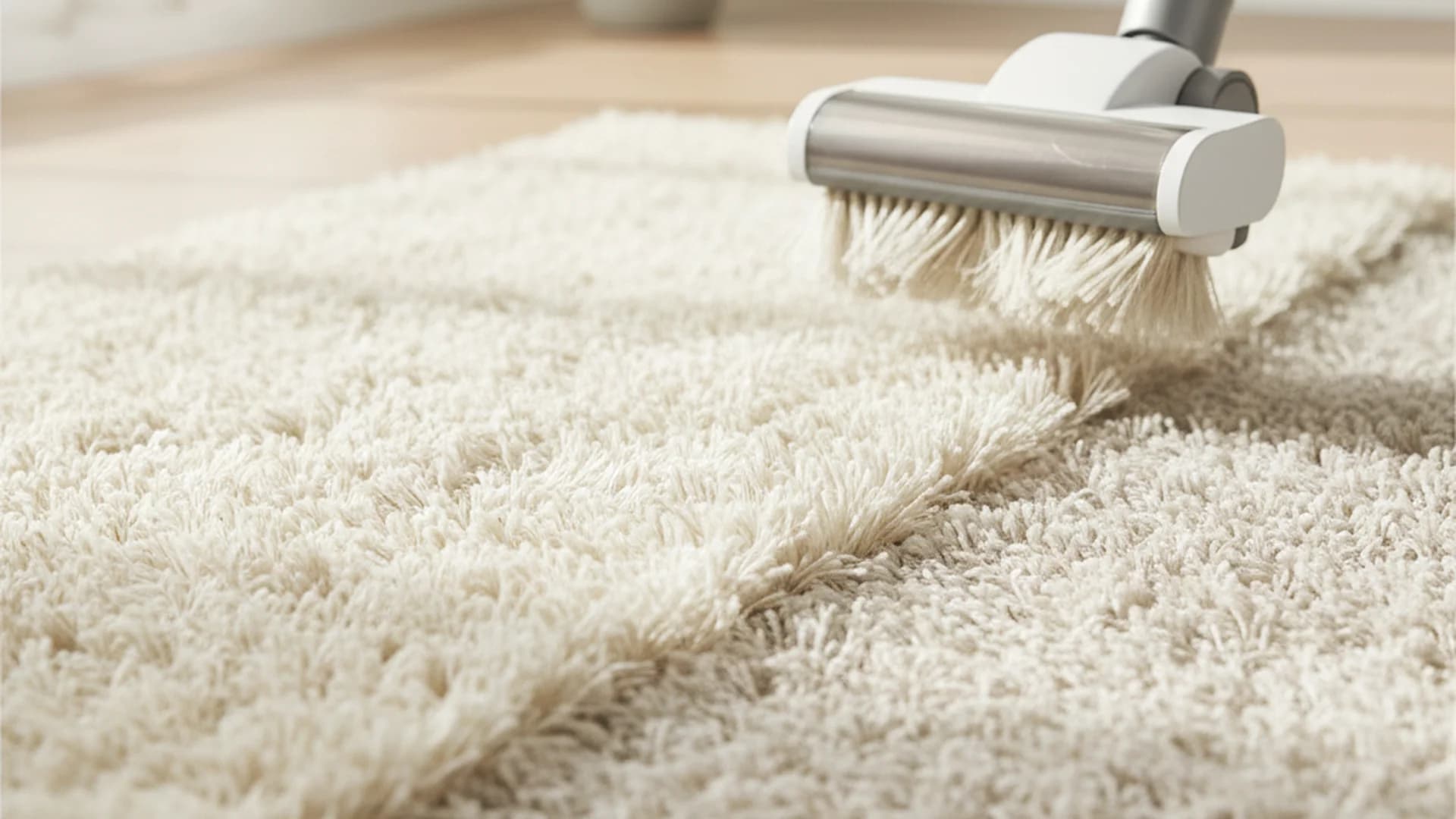
Before the rug ever touches water, take it outside. Give it a vigorous shake or use a traditional rug beater. This step is essential for removing hair, dead skin cells, and grit that can clog your washing machine's filter and reduce the effectiveness of the detergent.
Step 2: Spot Treatment and Deodorizing
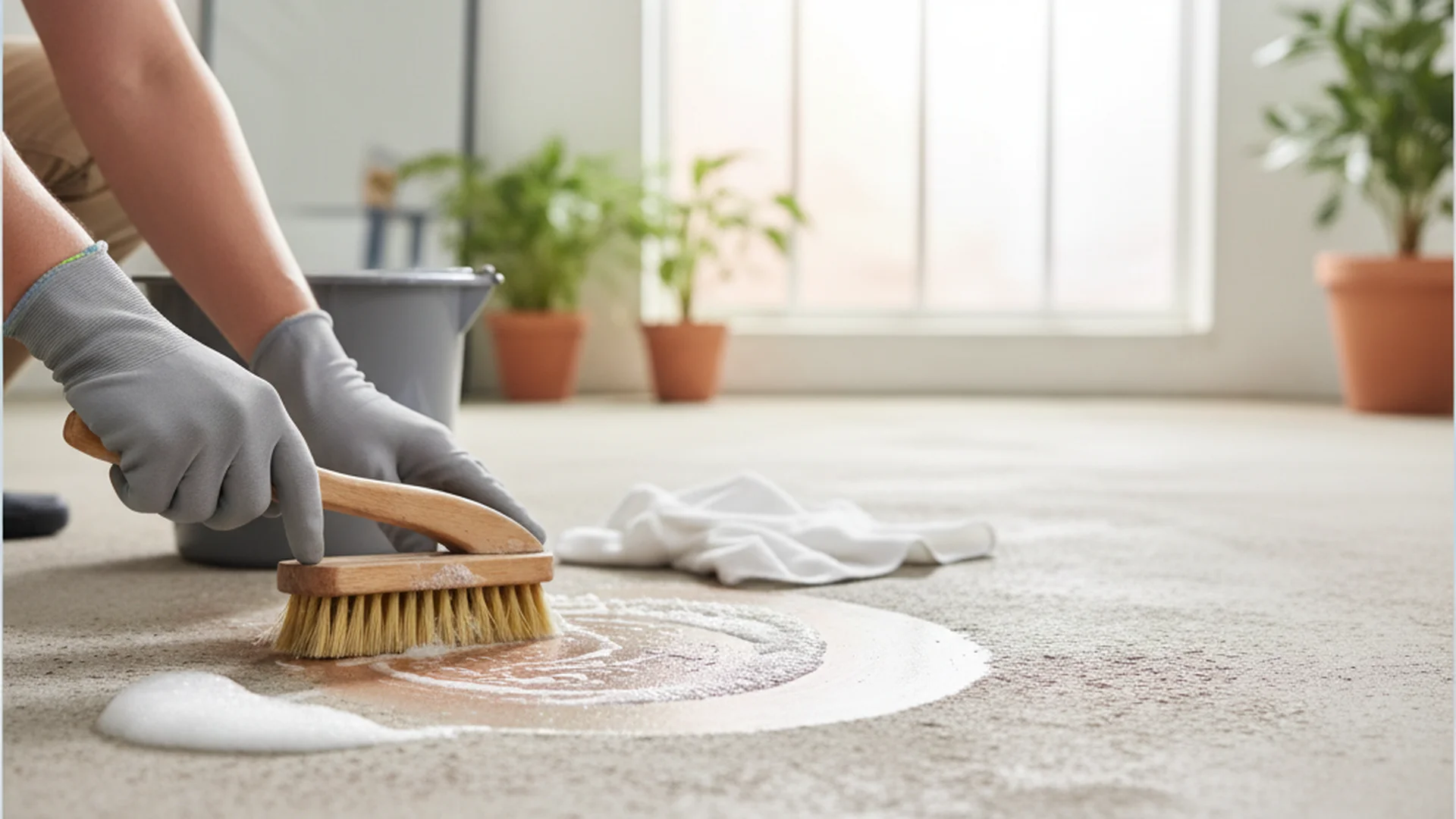
If you have visible stains or lingering odors, sprinkle baking soda over the dry rug and let it sit for 30 minutes. This helps absorb moisture and neutralizes smells. You can vacuum the baking soda off before moving to the machine.
Step 3: Loading the Machine
Wash your bathroom rug on a gentle cycle. To prevent the "clunking" sound caused by an unbalanced load, add a few bath towels to the machine. The towels act as a buffer, ensuring the machine spins smoothly.
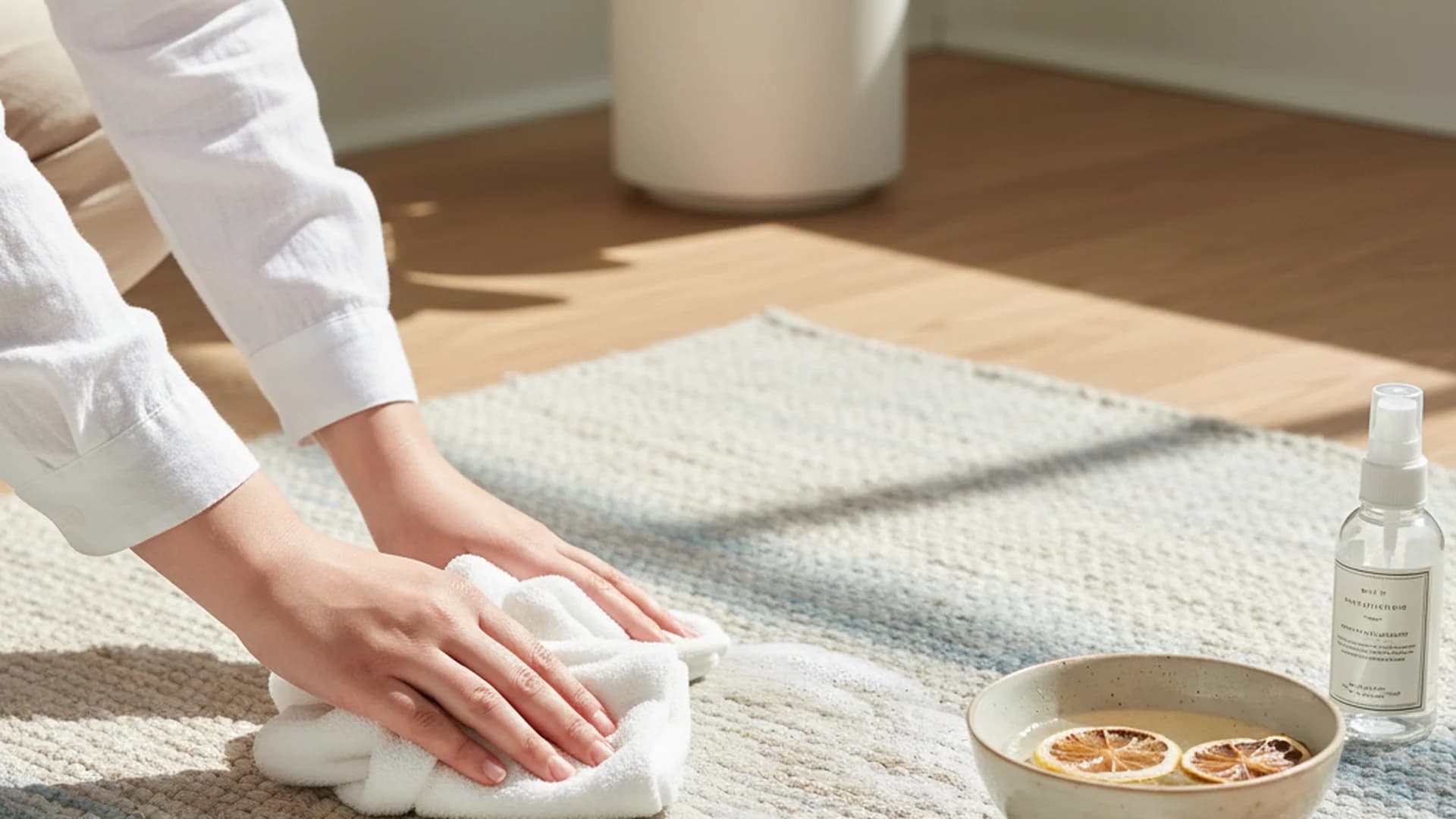
Tip: If you are looking to clean bathroom rug naturally, add 1/2 cup of white vinegar to the rinse cycle. It acts as a natural disinfectant and fabric softener without the waxy buildup of commercial products.
Material-Specific Care Guide
Not all rugs are created equal. The rise of "wellness-focused" home decor in 2025 has introduced a variety of materials, each requiring specific maintenance.
| Material Type | Water Temperature | Drying Method | Special Care |
|---|---|---|---|
| Cotton | Warm (60°C/140°F) | Tumble Dry Low | Can handle heat to kill bacteria. |
| Memory Foam | Cold Only | Air Dry Flat | Heat will melt the foam core. |
| Microfiber | Cold/Cool | Low Heat | Avoid softener at all costs. |
| Jute/Bamboo | Do Not Submerge | Air Dry | Spot clean with damp cloth only. |
Cotton and Organic Fibers
Cotton rugs are the workhorses of the bathroom. They can handle warmer water, which is more effective at killing bacteria. If you use organic cotton, you are also supporting sustainability; organic cotton production uses 91% less water than conventional methods.
Memory Foam and Rubber-Backed Rugs
These are the most common rugs prone to damage. The rubber (latex) backing is sensitive to heat.
Warning: Putting a rubber-backed rug in a hot dryer can cause the backing to melt or become brittle. Once it starts flaking, replace the rug immediately to avoid damaging your dryer’s drum.
Natural Stone and Diatomite Mats
A massive trend for 2025-2026 is the Diatomite (stone) mat. These are made of volcanic rock and dry almost instantly. They don't require a washing machine; instead, you simply wipe them down or lightly sand the surface to maintain absorbency.
How to Clean Bathroom Rug Naturally
Many homeowners are moving away from harsh chemicals. Fortunately, you can achieve a deep clean using pantry staples.
- Vinegar for Disinfection: White vinegar contains acetic acid, which is effective against several common household pathogens. It also breaks down soap scum that can make rug fibers feel stiff.
- Baking Soda for Odors: As a mild alkali, baking soda causes dirt and grease to dissolve easily in water and is unparalleled at neutralizing the damp "mildew" smell.
- Sunlight (UV Rays): If the weather permits, hang your rug outside in direct sunlight. UV rays are a powerful, natural disinfectant that can kill remaining surface bacteria after a wash.
Success: Using vinegar and sunlight can result in a rug that smells fresher and lasts longer than one treated with heavy chemical bleaches.
2025 Trends: The Shift Toward Wellness
The bathroom is no longer just a functional room; it’s a "spa-at-home" sanctuary. This shift has changed how we choose and clean our rugs.
- The "Elegant Rug" Shift: Large, vintage-inspired statement rugs made of washable polyester are replacing small, shaggy mats. These require more space to dry but offer a curated look.
- Textured Wellness Materials: Rugs now feature raised textures designed for foot stimulation. These require careful vacuuming with a handheld attachment to reach the "valleys" between textures where skin cells accumulate.
- Machine-Washable Luxury: Systems like Ruggable, featuring a separate non-slip pad and a thin, washable cover, have become the gold standard for high-traffic bathrooms.
Common Mistakes to Avoid
Even with the best intentions, certain habits can ruin your rugs or even your appliances.
Using Fabric Softener
This is the most common error. Fabric softener coats fibers in a waxy layer. While it feels soft initially, it drastically reduces the rug’s ability to absorb water, leading to a perpetually damp rug that grows mold faster.
Ignoring the "Peel Test"
Periodically check the back of your rug. If you see small white flakes or the rubber is starting to peel, it is time to throw it away. Those flakes can clog your washing machine's drainage pump, leading to expensive repairs.
Overloading the Dryer
Rugs are heavy. If you must use a dryer, use the "Air Fluff" or lowest heat setting and ensure the rug has plenty of room to tumble. A cramped dryer leads to uneven drying and potential scorched spots on synthetic fibers.
Note: Because rugs are exposed to "toilet plume," they are dirty even if they look clean. Never wait for visible dirt to trigger a cleaning cycle.
Frequently Asked Questions
How often should I clean my bathroom rug?
Can I wash bathroom rugs with towels?
How do I stop my rug from smelling like mildew?
Is it safe to use bleach on bathroom rugs?
Conclusion
Mastering how to clean bathroom rug is a small change that yields massive benefits for your home’s hygiene and your personal comfort. By choosing the right temperature for your materials, avoiding the pitfalls of fabric softeners, and utilizing natural disinfectants like vinegar, you can transform your bathroom from a bacterial "petri dish" into a true wellness sanctuary. Remember, a clean rug isn't just a luxury—it's a foundation for a healthier home.
Success: Regular maintenance not only keeps your home germ-free but can extend the life of your bathroom rugs by up to three years.
Cleaning that keeps score
Every task earns points, every streak multiplies them, and Premium adds a household leaderboard plus a monthly Dustagorgon to beat.
- Free forever
- 30 badges to earn
- Up to 6 in a household
No card needed. Set up your rooms in a couple of minutes.