In this article
What you’ll learn
- Regular maintenance prevents 40% of household dust from entering your home.
- Natural solutions like vinegar and baking soda are safer and more effective than bleach.
- Always dry your rug on an incline or over a railing to prevent mildew growth.
Outdoor rugs are the unsung heroes of modern home design. They define our patios, soften our decks, and provide a seamless transition between our indoor and outdoor living spaces. However, they also serve a much more functional purpose: they act as the primary filter for your home. Understanding how to clean outdoor rug surfaces is not just about aesthetics; it is a vital part of maintaining your family's health.
Research shows that approximately 30% to 40% of all household dust—including harmful pesticides, fungal spores, and lead—is tracked in from the outside via our shoes and pets. By keeping your outdoor rug clean, you are effectively stopping these pollutants at the doorstep. In this comprehensive guide, we will explore the best way clean outdoor rug materials and how to clean outdoor rug naturally to ensure a healthy, beautiful home in 2026 and beyond.
The Science of Outdoor Rug Materials
Before we dive into the scrubbing process, it is essential to understand what your rug is made of. Most modern outdoor rugs are engineered for resilience. In 2025 and 2026, we are seeing a dominance of synthetic fibers like polypropylene, nylon, and polyester. These materials are naturally hydrophobic, meaning they resist water absorption and are inherently resistant to UV fading.
However, a new trend is emerging in the "Indoor-Outdoor Wellness" space. Homeowners are increasingly turning to natural performance fibers like Abaca and Jute. While these provide a beautiful, organic aesthetic, they require a slightly more delicate touch than their plastic-based counterparts.
| Material Type | Durability | Best Cleaning Method |
|---|---|---|
| Polypropylene | High | Soap, Water, & Hose |
| Polyester | Medium | Gentle Scrub |
| Jute/Sisal | Moderate | Dry Clean/Minimal Water |
| Nylon | High | Steam or Scrub |
Note: Always check the manufacturer's label before applying any cleaning solution. While most synthetic rugs are nearly indestructible, certain backings can be damaged by high heat or specific chemicals.
How to Clean Outdoor Rug Naturally: The DIY Protocol
This shift is driven by a desire to avoid harsh chemicals like bleach, which can damage rug fibers and harm the surrounding lawn or garden. Here is the definitive step-by-step guide to cleaning your rug using household staples.
Step 1: The Dry Extraction
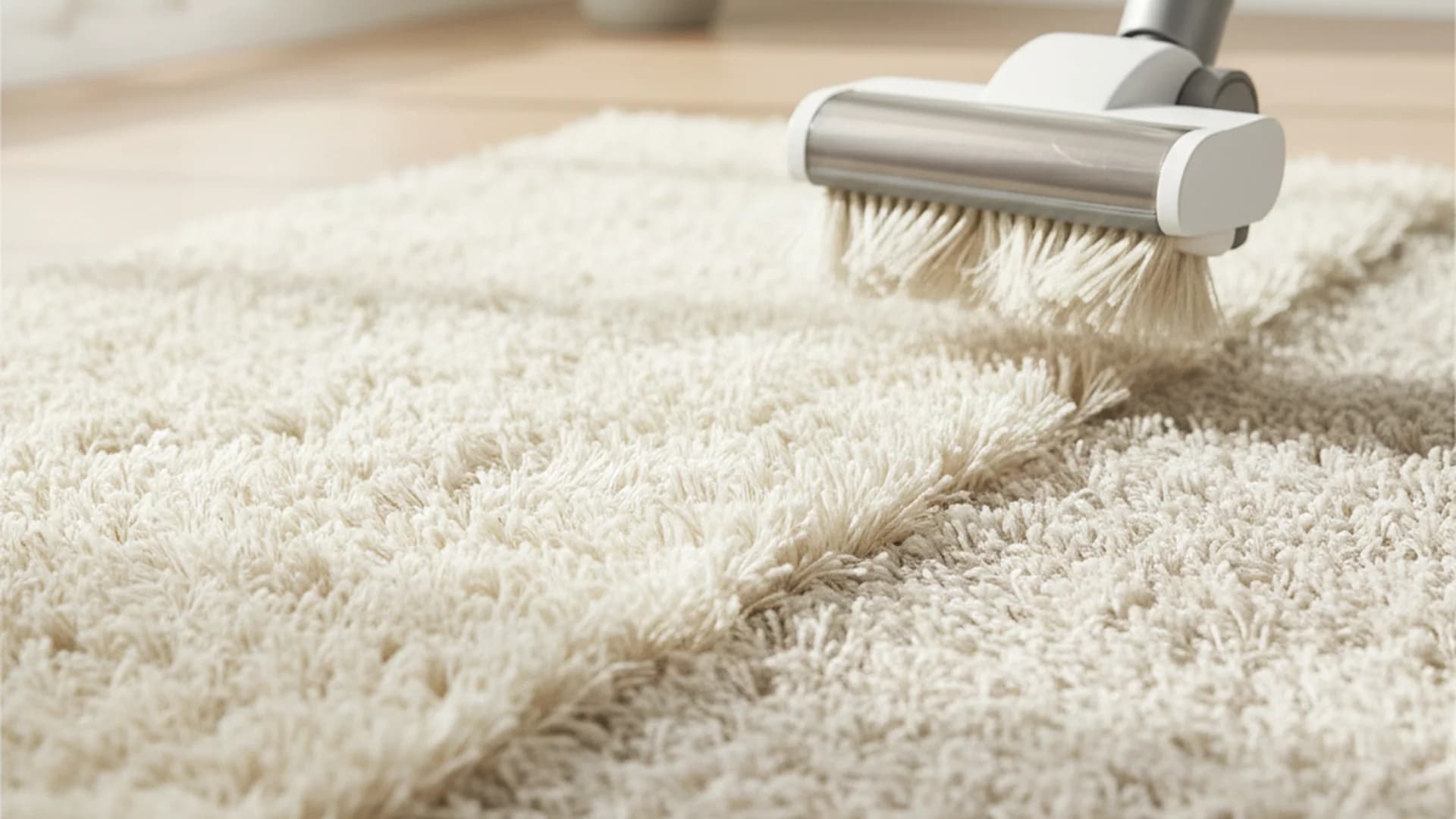
The first step in any cleaning process is removing loose debris. Shake the rug vigorously or hang it over a sturdy railing and hit it with a broom. Once the heavy lifting is done, vacuum both sides. This pulls out embedded sand and grit that acts like sandpaper on the fibers over time.
Step 2: The Vinegar-Baking Soda Duo
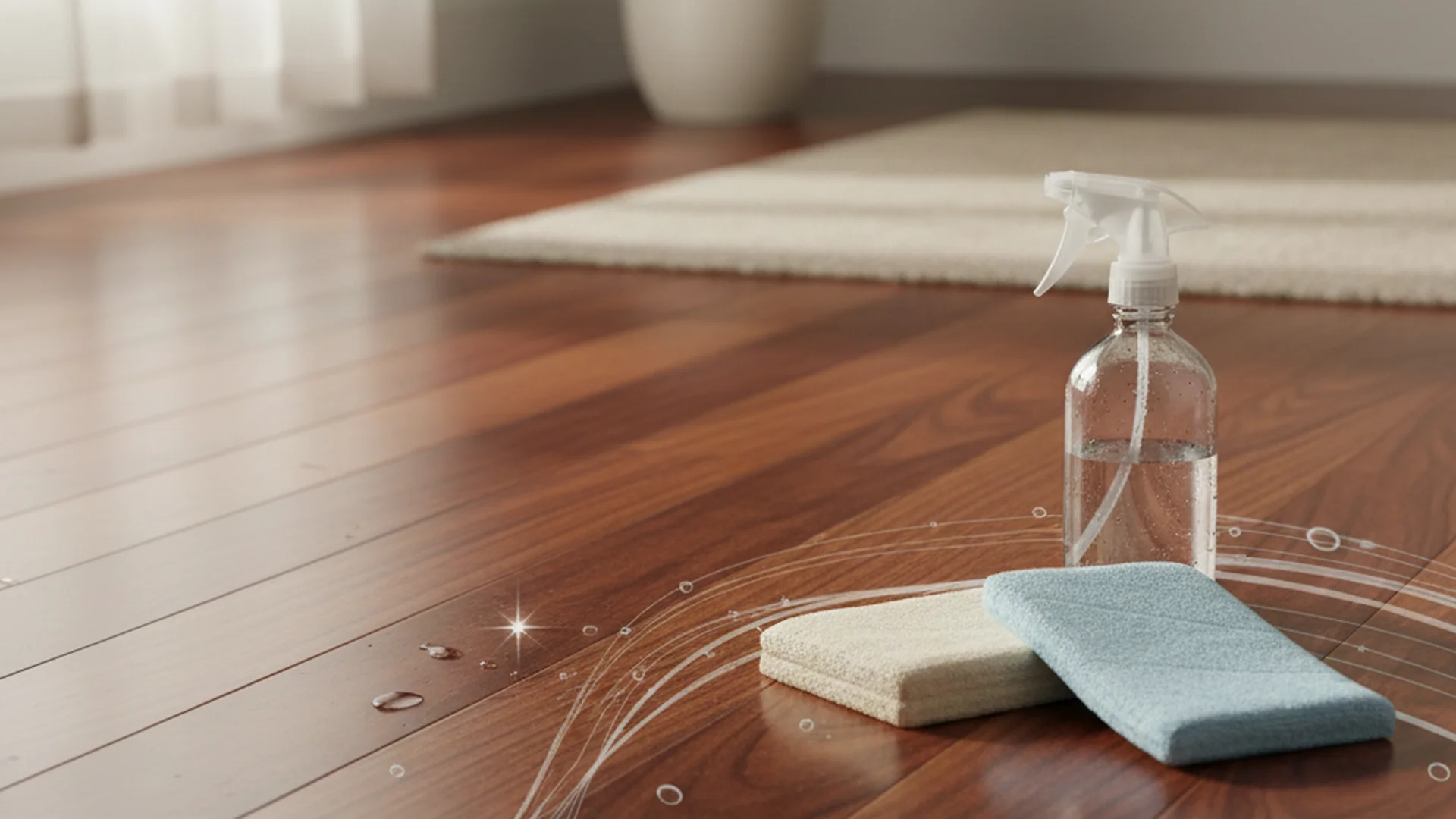
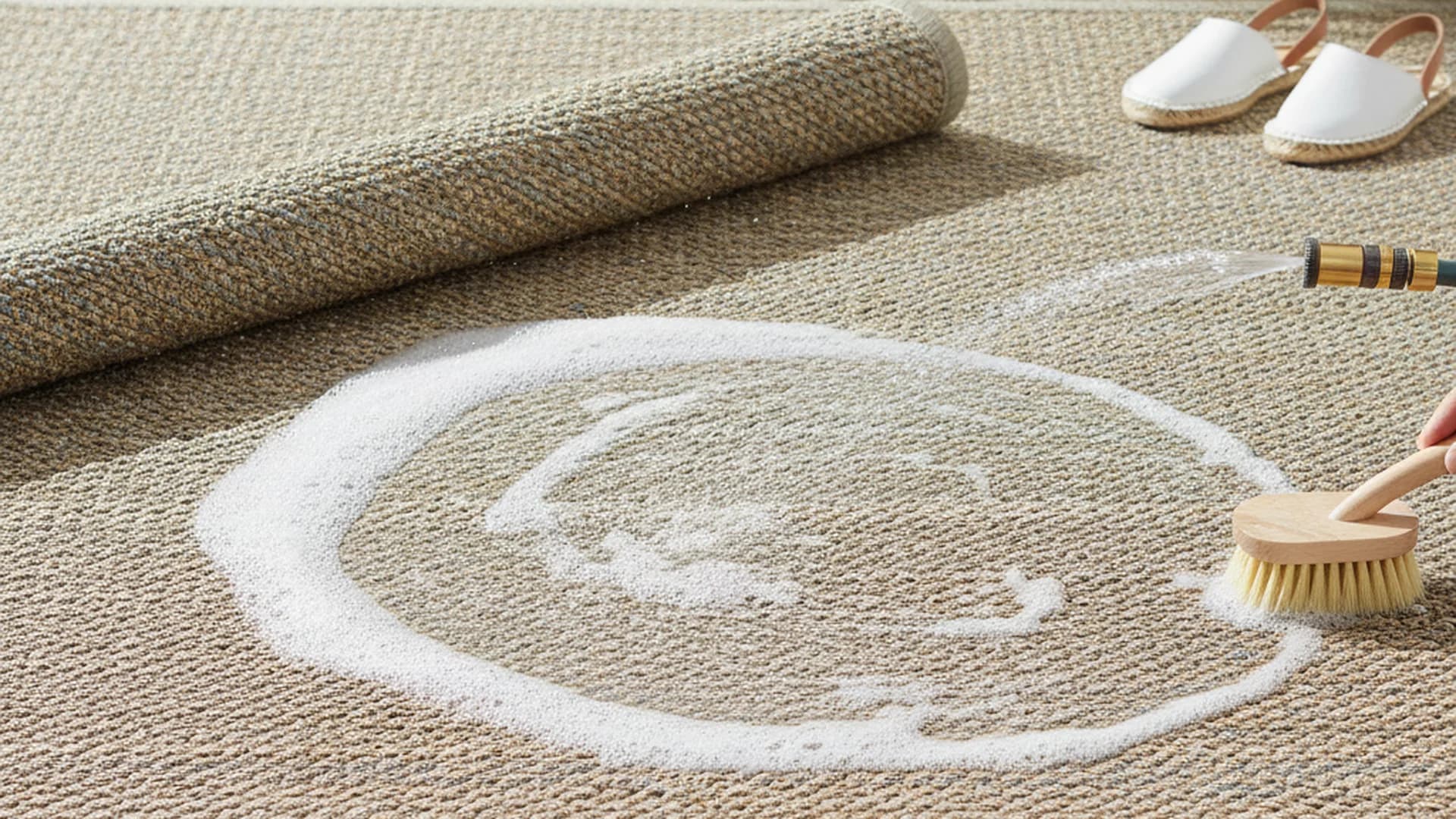
For odors and general grime, skip the store-bought cleaners. Sprinkle a generous layer of baking soda over the entire surface. Then, using a spray bottle, apply a 1:1 mixture of white vinegar and water.
Success: The resulting chemical reaction creates a bubbling foam that physically lifts dirt from deep within the weave. Let it sit for 15 minutes.
Step 3: The Gentle Scrub
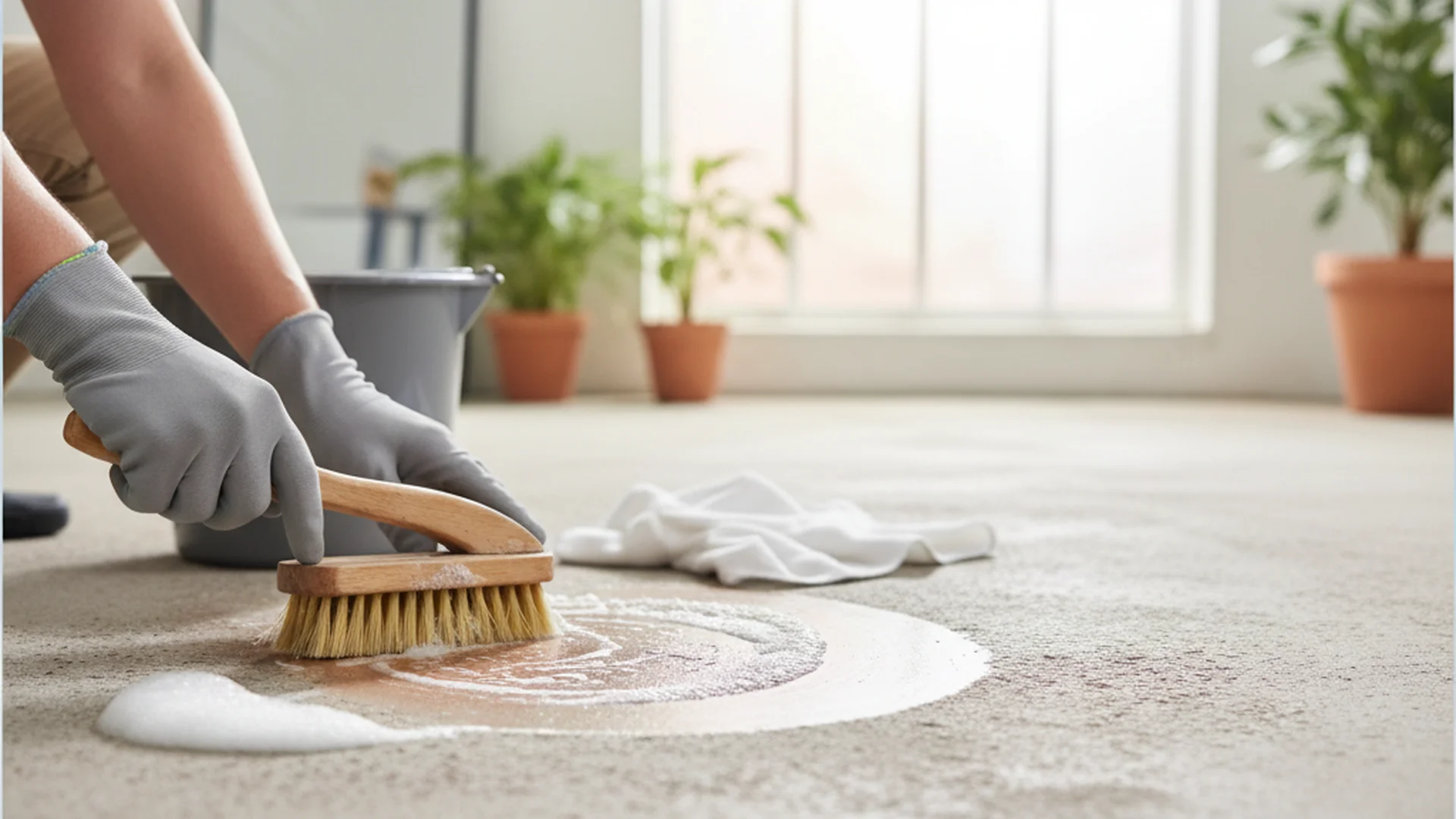
Use a soft-bristle nylon brush to work the solution into the fibers. For stubborn spots, such as bird droppings or food spills, add a few drops of biodegradable dish soap to warm water and scrub in a circular motion.
Warning: Never use a wire brush or extremely stiff bristles on synthetic rugs, as this can "frizz" the fibers and ruin the rug's texture.
Step 4: The Sloped Rinse
Rinse the rug thoroughly with a garden hose.
Tip: Always perform your rinse on a slight incline, such as a driveway. This allows the dirty water to flow away rather than pooling underneath the rug, which can lead to rapid re-soiling.
Advanced Maintenance for 2026
As we move into 2026, outdoor maintenance is becoming "smarter." We are seeing the rise of robotic outdoor sweepers and AI-powered pressure washers that automatically adjust their PSI based on the surface tension they detect.
The "Sunny" Disinfectant Method
One of the most effective tools for cleaning is completely free: the sun. UV rays act as a natural disinfectant. After washing, ensure your rug dries in direct sunlight. This kills any remaining mold spores and bacteria that might be lurking in the damp fibers.
The Rise of Layered Styling
A major decor trend for 2026 involves layering. Homeowners are placing smaller, "easy-wash" patterned rugs over larger, neutral, permanent bases. This allows you to toss the top layer into a large-capacity washing machine frequently while only performing a deep manual clean on the base once a season.
Tip: If you use the layering method, ensure the bottom rug is a breathable material to prevent moisture from getting trapped between the two layers.
Common Mistakes to Avoid
Even with the best intentions, it is easy to accidentally damage your outdoor investment. Here are the five most common mistakes specialists see in the field:
- Using Bleach for Mold: Bleach is incredibly abrasive. It can strip the UV-protective coating off synthetic fibers and lead to premature fading. Use vinegar or a hydrogen peroxide/baking soda paste instead.
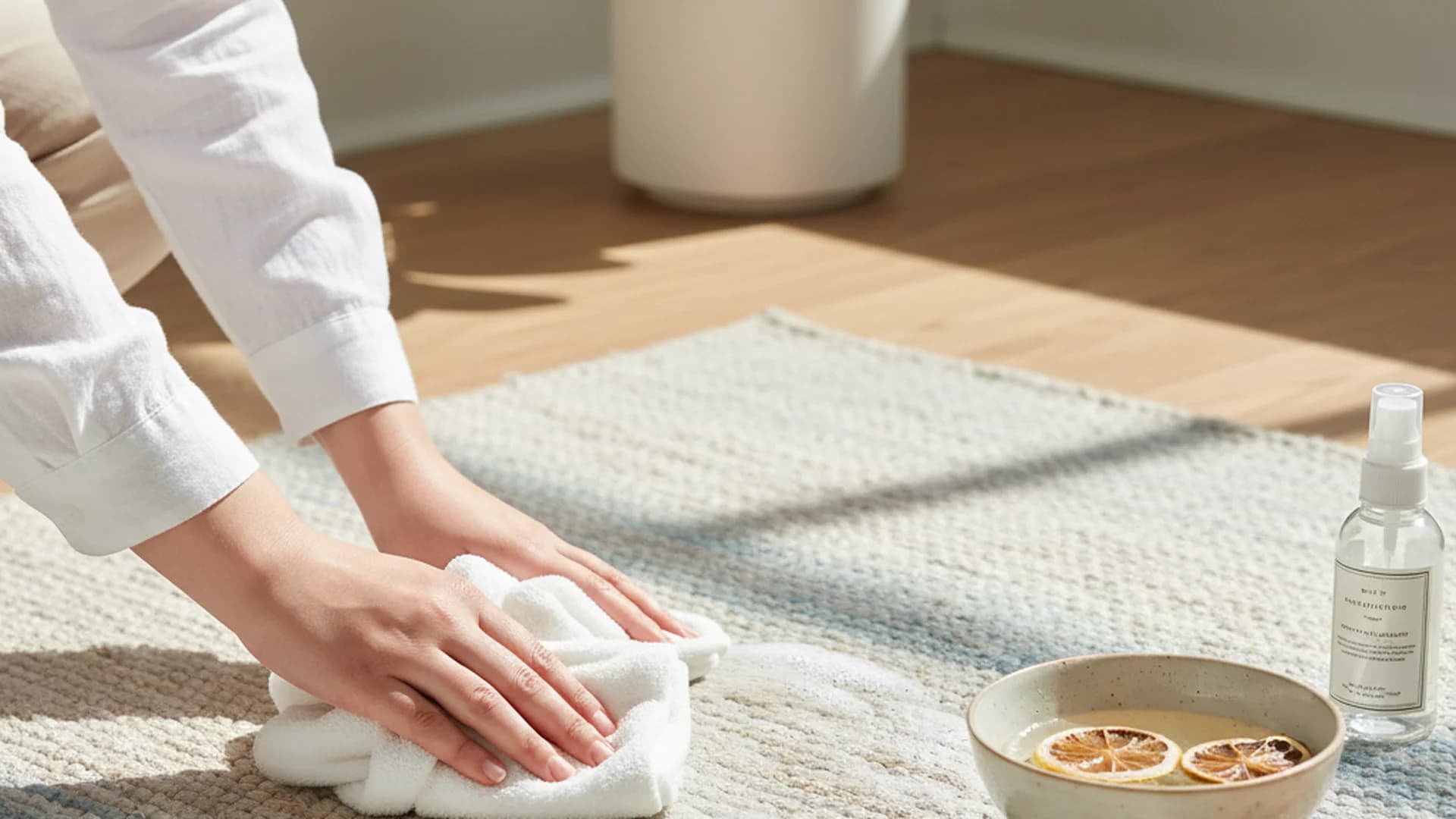
- Rubbing Stains: When a spill happens, the instinct is to rub. This actually pushes the stain deeper into the weave. Always blot from the outside of the stain toward the center using a clean microfiber cloth.
- Drying Flat on the Ground: Drying a rug flat on a non-breathable surface like a concrete patio traps moisture underneath. This creates a "mold festival" within hours. Always drape it over a railing.
- Overusing Pressure Washers: While a pressure washer is tempting, high PSI settings can shred fibers. If you must use one, keep the nozzle at least 12 inches away and use a wide fan spray.
- Ignoring the Backing: The top might look clean, but the backing often holds the most bacteria. Always flip the rug and clean the underside at least once a year.
Frequently Asked Questions
How often should I clean my outdoor rug?
Can I leave my rug out during winter?
Is it safe to wash them in a washing machine?
What is the best way to remove mold?
Conclusion
Keeping your outdoor living space fresh doesn't have to be a chore. By understanding the materials of your rug and utilizing natural cleaning methods, you can extend the life of your decor while protecting your home's air quality. Remember to prioritize air circulation and UV drying to keep mold at bay.
Whether you are following the 2026 trend of biophilic organic shapes or sticking with a classic rectangular weave, a consistent maintenance schedule is the key to seasonal freshness.
Success: By following this "Incline Rinse" and "Natural Scrub" protocol, you can increase your rug's lifespan by up to 3 years.
Cleaning that keeps score
Every task earns points, every streak multiplies them, and Premium adds a household leaderboard plus a monthly Dustagorgon to beat.
- Free forever
- 30 badges to earn
- Up to 6 in a household
No card needed. Set up your rooms in a couple of minutes.