In this article
What you’ll learn
- Avoid steam mops and excessive water to prevent adhesive failure.
- Apple cider vinegar is the gold standard for natural cleaning.
- Modern matte finishes require pH-neutral, non-filming cleaners.
Sheet vinyl has undergone a massive transformation in recent years. No longer just the dated flooring of the 1970s, modern sheet vinyl is now a high-tech, stylish, and cost-effective choice for homeowners. However, with new manufacturing processes like FloorScore® low-VOC certification and textured matte finishes comes a new set of rules for maintenance. If you are wondering how to clean sheet vinyl without damaging its protective wear layer or causing the edges to curl, you are in the right place.
In this guide, we will explore the most effective techniques to keep your floors looking brand new, ranging from traditional deep-cleaning methods to the latest 2026 probiotic cleaning trends.
Why Sheet Vinyl Maintenance Matters
While sheet vinyl is incredibly durable—often featuring a wear layer between 10 and 20 mils—it is not indestructible. The surface itself is 100% waterproof, making it a favorite for kitchens and bathrooms. However, the seams and the perimeter are the "Achilles' heel" of this flooring type.
Expert research from the National Wood Flooring Association indicates that excessive water is the leading cause of adhesive failure and subfloor rot in vinyl installations. By learning the proper way to maintain these floors, you can extend their lifespan to 20 years or more.
The Best Way to Clean Sheet Vinyl: A Step-by-Step Routine
The "best way clean sheet vinyl" is to adopt a high-frequency, low-moisture approach. The goal is to remove abrasive dirt before it can scratch the clear wear layer.
Step 1: Dry Soil Removal
Before any liquid touches the floor, you must remove dust, hair, and grit. Use a soft-bristle broom or a vacuum cleaner.
Warning: Never use a vacuum with a beater bar (the rotating brush) on sheet vinyl. The stiff bristles can create micro-scratches that trap dirt and make the floor look permanently dull.
Step 2: The Two-Bucket Method
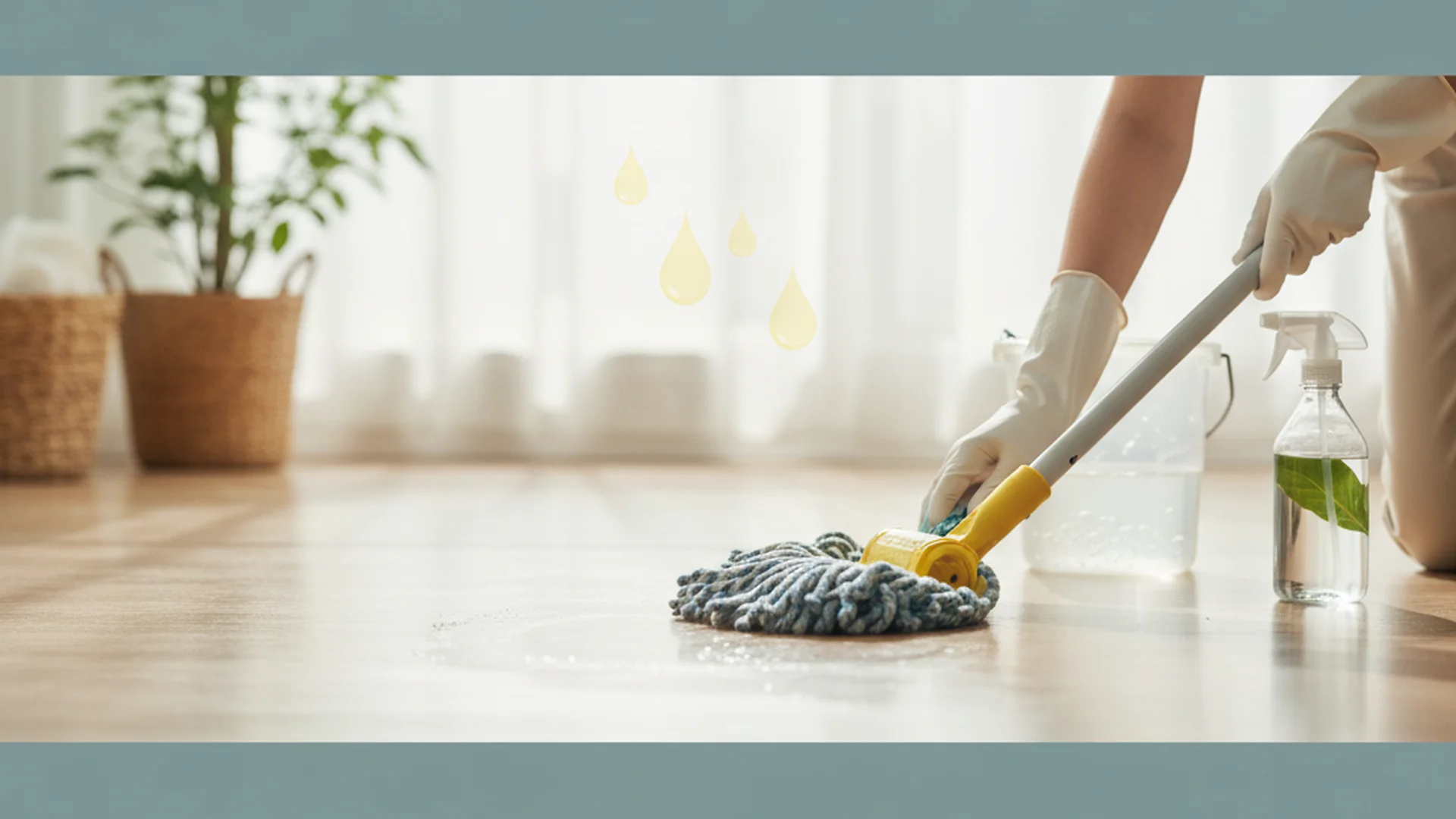
To avoid spreading dirty water around, use two buckets: one filled with your cleaning solution and one filled with plain, warm water for rinsing your mop. This ensures that you are always applying a clean solution to the floor.
Step 3: Mopping Technique
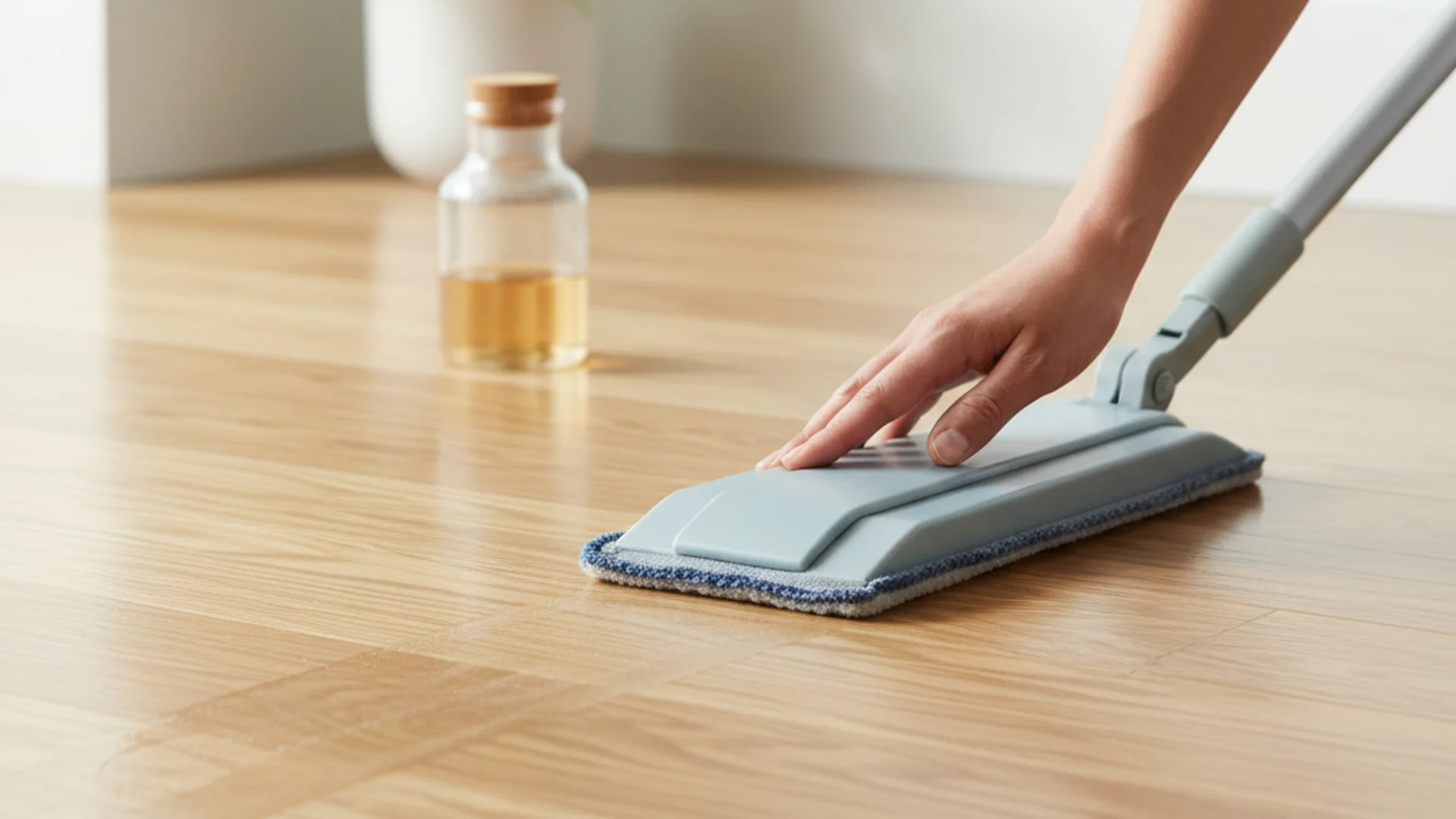
Dampen a microfiber mop in the cleaning solution. Wring it out thoroughly until it is just damp, not dripping. Mop the floor in the direction of the texture or pattern.
Tip: Use a high-density microfiber mop head instead of a traditional cotton string mop. Microfiber traps smaller particles and requires significantly less water to be effective.
How to Clean Sheet Vinyl Naturally
Many homeowners in 2025 are moving away from harsh chemicals in favor of eco-friendly alternatives. If you want to clean sheet vinyl naturally, your best friend is already in your pantry: apple cider vinegar (ACV).
The acetic acid in apple cider vinegar is mild enough to protect the vinyl's finish but strong enough to break down grime and hard water spots.
The ACV Solution Recipe:
- Mix 1 cup of apple cider vinegar with 1 gallon of warm water.
- For a "Heavy Duty" boost in kitchens, add two drops of plant-based liquid dish soap.
- The vinegar cleans without leaving a soapy film, while the ACV adds a very slight, natural luster to the floor.
Note: While white vinegar also works, apple cider vinegar is often preferred by home organization experts because its acidity level is perfectly balanced for modern resilient flooring.
Real-World Examples of Vinyl Care
To understand how to handle specific situations, let’s look at three common scenarios homeowners face:
- The Kitchen Grease Scenario: In a high-traffic kitchen, a simple vinegar wash might not cut through the aerosolized cooking grease near the stove. In this case, adding a few drops of a pH-neutral degreaser to your bucket is essential to prevent a "sticky" floor feel.
- The Rubber-Backed Rug Incident: A homeowner places a black rubber-backed mat in the entryway. Over six months, they notice a yellow stain forming underneath. This is caused by a chemical reaction between the rubber’s antioxidants and the vinyl. In this scenario, the stain is often permanent, but a baking soda paste can sometimes lighten the surface discoloration.
- The Home Office Scuff: Moving a rolling office chair can often leave black scuff marks. A quick fix is using a simple pencil eraser or a damp melamine sponge (Magic Eraser) to rub the mark away instantly.
Dealing with Stains and Scuffs
Not all messes can be cleared with a mop. Use this table to identify the right treatment for specific stains:
| Stain Type | Recommended Treatment | Action |
|---|---|---|
| Scuff Marks | Pencil Eraser or WD-40 | Rub gently; wash with soap afterward |
| Ink or Crayon | Rubbing Alcohol | Dab with a cloth; do not scrub |
| Grease/Oil | Dish Soap & Water | Apply, let sit for 1 min, wipe away |
| Yellowing | Baking Soda Paste | Apply for 15 mins, then wipe clean |
Success: Addressing stains immediately prevents them from bonding with the wear layer, keeping your floor's "new" look for years longer.
2025-2026 Trends in Sheet Vinyl Care
As we move through 2025 and into 2026, cleaning technology is shifting. If you have recently installed modern, matte-finish vinyl, you need to be aware of these updates:
Probiotic Cleaners
The biggest trend in 2026 is the use of bio-enzymatic or probiotic cleaners. These products contain "good" bacteria that stay in the seams and textures of your vinyl, continuing to eat away at organic spills and odors for hours after you finish mopping.
Matte-Finish Maintenance
Glossy vinyl is out; ultra-matte, stone-look vinyl is in. These floors are beautiful but prone to "ghosting" or streaking if you use "mop and shine" products. Always use a streak-free, pH-neutral cleaner specifically designed for matte finishes to avoid a splotchy appearance.
The Rise of "Vinyl-Sense" Robot Mops
New 2026 model robot mops now feature ultrasonic sensors. These robots can detect the seams in sheet vinyl and will automatically reduce the amount of water dispensed when traveling over those sensitive areas, preventing edge curling.
Common Mistakes to Avoid
Even with the best intentions, certain habits can ruin your sheet vinyl floors.
- Using Steam Mops: Most manufacturers explicitly state that steam mops void the warranty. The heat can liquefy the adhesive, and the moisture can be forced into the seams.
- "Mop & Shine" Products: These contain acrylic waxes that look great for a week but eventually turn yellow and peel. Removing this buildup requires harsh chemicals that can damage the vinyl.
- Abrasive Scrubber Pads: Never use steel wool or stiff-bristled brushes. They create micro-scratches that act like "dirt magnets," making the floor look grey and dingy over time.
- Flooding the Floor: Never "flood" a vinyl floor. Even if it is one large sheet, the edges at the baseboards and around pipes are entry points for water that can rot your subfloor.
Frequently Asked Questions
Can I use a steam mop on sheet vinyl?
How do I remove yellow stains from vinyl?
Is vinegar safe for sheet vinyl floors?
How do I get scuff marks off?
Conclusion
The secret to a long-lasting, beautiful floor is a "less is more" philosophy. By focusing on dry soil removal and using low-moisture, pH-neutral cleaning solutions, you protect the integrity of the wear layer and the adhesive underneath. Whether you choose to clean sheet vinyl naturally with apple cider vinegar or utilize the latest probiotic cleaners of 2026, consistency is key.
Success: Regular maintenance ensures your sheet vinyl remains the beautiful, durable foundation of your home for decades to extend its life up to 20 years.
Cleaning that keeps score
Every task earns points, every streak multiplies them, and Premium adds a household leaderboard plus a monthly Dustagorgon to beat.
- Free forever
- 30 badges to earn
- Up to 6 in a household
No card needed. Set up your rooms in a couple of minutes.