In this article
What you’ll learn
- Never use a beater bar vacuum on Berber loops to prevent fraying.
- Use low-moisture cleaning methods to avoid the "wicking" of deep-seated stains.
- Blot spills immediately—never scrub—to preserve the carpet’s texture.
Berber carpet is a favorite for many homeowners due to its sophisticated "loop-pile" aesthetic, incredible durability, and budget-friendly price point. However, if you have ever tried to figure out how to clean berber carpet, you know it can be a double-edged sword. While it is naturally stain-resistant, its unique construction means that dirt can hide deep within the tight loops, and traditional cleaning methods can often do more harm than good.
Understanding the specific needs of these fibers is the first step in maintaining a beautiful home. Whether you are dealing with a fresh coffee spill or trying to revive a high-traffic hallway, the best way to clean berber carpet involves a delicate balance of low moisture and gentle mechanical action.
Understanding the Berber Construction
Before you grab a scrub brush, you must understand what makes Berber different. Traditional carpets feature "cut-pile" fibers where the ends are exposed. Berber, conversely, consists of continuous loops.
Approximately 90% of residential Berber carpets are made from Olefin (polypropylene). This synthetic fiber is highly prized for being stain-resistant and affordable. However, Olefin has a "love-hate" relationship with oil and water. It is "oleophilic," meaning it attracts oils from skin and shoes, and it is prone to "wicking"—a phenomenon where stains hidden in the backing travel up the fiber and reappear after cleaning.
| Feature | Olefin Berber | Wool Berber |
|---|---|---|
| Lifespan | 5–10 Years | Up to 20 Years |
| Cost | $6 - $10 /sq ft | $10 - $20+ /sq ft |
| Strength | Stain resistant | Durable & Natural |
| Weakness | Wicking/Oil attraction | High cost/Moisture sensitive |
Note: Because of its tight loops, Berber can hold several pounds of soil before it even begins to look dirty. Regular maintenance is vital even if the carpet "looks" clean.
The Golden Rule of Vacuuming Berber
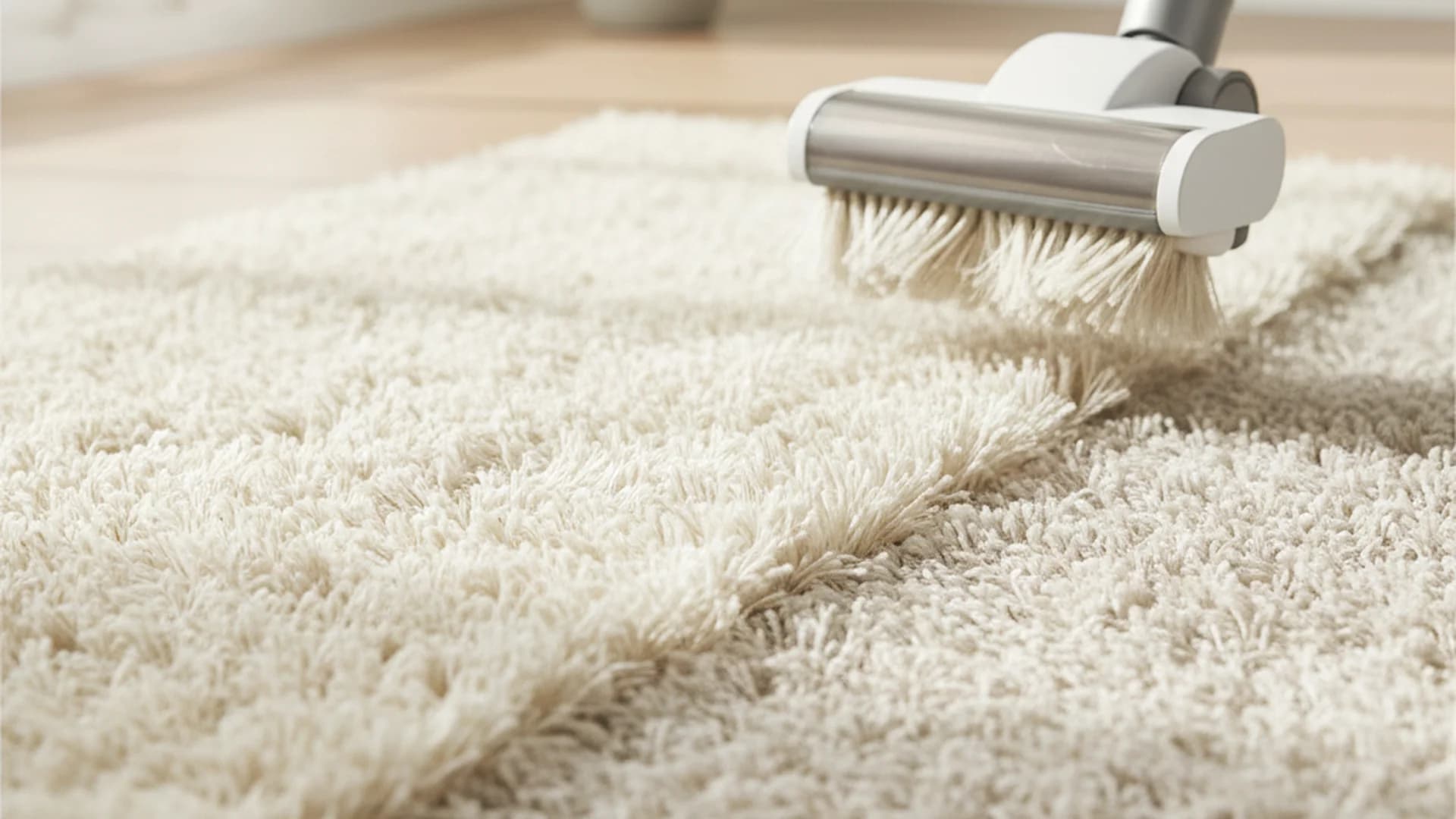
The most common way people ruin their Berber carpet isn't with a spill—it’s with their vacuum cleaner. Most modern vacuums use a rotating brush known as a beater bar to "agitate" the carpet and lift dirt. On a cut-pile carpet, this is great. On Berber, it is a disaster.
The rotating brush can snag a loose loop, causing it to pull and unravel like a loose thread on a sweater. Over time, even if it doesn't snag, the constant friction causes the loops to "frizz," leading to a fuzzy, worn-out appearance that cannot be undone.
How to Vacuum Safely
- Suction-Only Mode: Always use a vacuum where the beater bar can be turned off.
- Adjustable Height: Set the vacuum to a higher setting so the suction isn't pulling the loops too aggressively into the floor head.
- Frequency: In high-traffic areas, vacuum 2-3 times per week. This prevents dry soil from being crushed into the loops, where it acts like sandpaper, slowly cutting the fibers from the inside out.
Tip: If you have a robot vacuum, ensure it is a 2025 model or newer with "Loop Detection" sensors. These smart devices automatically raise the brush head when they encounter the texture of a Berber carpet.
How to Clean Berber Carpet Naturally
If you prefer to avoid harsh chemicals, you can clean berber carpet naturally using common household items. This method is particularly effective for light stains and general freshening.
The Baking Soda and Vinegar Method
This is widely considered the best way to clean berber carpet without leaving behind chemical residues that attract more dirt.
- Deodorize: Sprinkle a thin, even layer of baking soda over the carpet. Let it sit for 20 minutes to absorb odors.
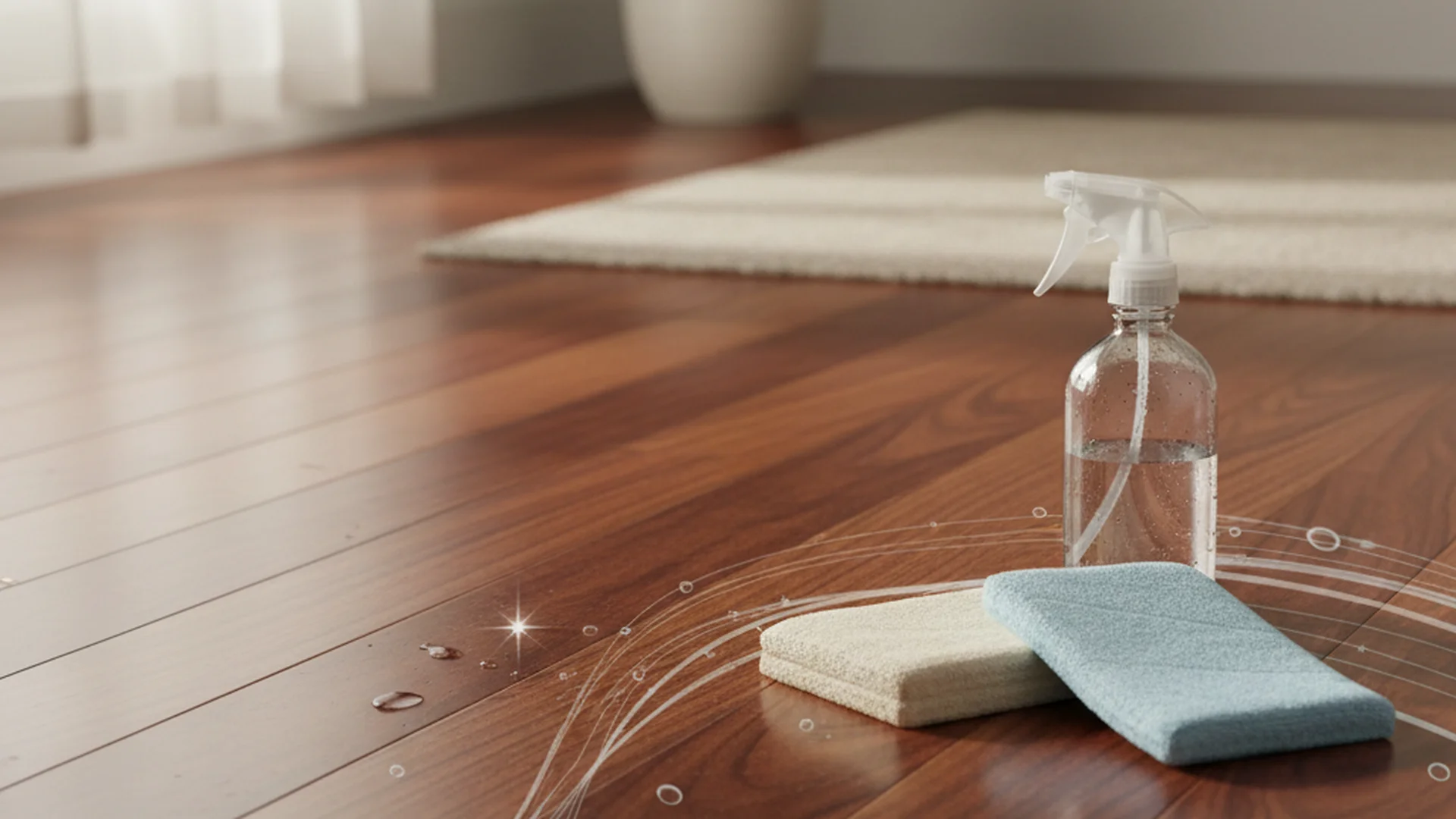
- The Mist: Create a solution of 1:1 white vinegar and water.
- Application: Lightly mist the area. You want the reaction to "fizz" slightly, but do not soak the carpet.
- The Blot: Using a white microfiber cloth, gently blot the area.
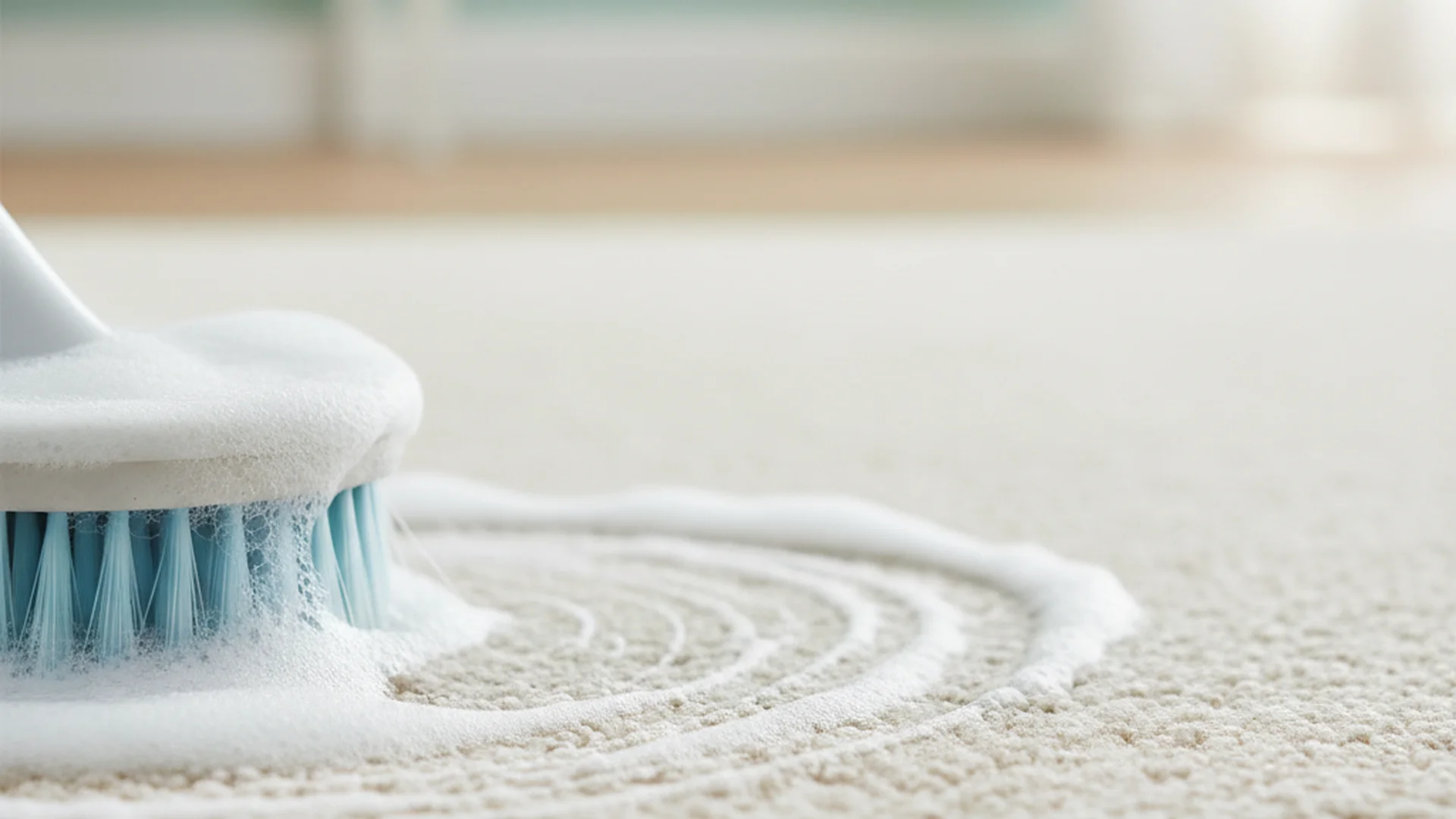
Warning: Never scrub a Berber loop. Scrubbing causes the fibers to fray and "frizz." Always blot from the outside of the stain toward the center to prevent spreading.
Real-World Scenario: Handling the "Wicking" Nightmare
Imagine you spilled a glass of fruit juice. You cleaned it up, and the carpet looked perfect. Two days later, a faint shadow of the stain reappears in the exact same spot. This is wicking.
Because Berber loops are so dense, moisture often travels down to the carpet backing. As the carpet dries, the moisture evaporates upward, pulling the deep-seated dirt and pigment back to the surface.
Example 1: The Juice Spill
- The Mistake: Pouring a bucket of soapy water on the spill and "scrubbing" it out.
- The Fix: Blot the spill immediately with dry towels. Use a "Low-Moisture" extraction method. After cleaning, place a fan directly over the spot to ensure it dries in less than 4 hours. The faster it dries, the less chance the stain has to wick back up.
Success: Using a "Dry Powder" cleaning kit can eliminate wicking entirely. These kits use micro-sponges to absorb dirt without using liquid water, keeping the backing of your Berber perfectly dry.
2025 Trends and Smart Cleaning Tech
As we move through 2025, the carpet industry is shifting toward sustainability and smarter maintenance.
- Eco-Berber: Many new installations feature carpets made from harvested ocean plastics. These "Eco-Berber" lines are incredibly resilient but require non-toxic, pH-neutral cleaners to maintain their warranty.
- Antimicrobial Shields: 2026 Berber lines are arriving pre-treated with zinc-based antimicrobial shields. These prevent the "musty" smell often associated with Berber after it gets wet, reducing the need for heavy-duty disinfectants.
- AI Vacuums: High-end robot vacuums now use LIDAR and AI to identify carpet types. If the AI detects a loop pile, it adjusts the suction and disables the brush roll automatically.
Common Mistakes to Avoid
To keep your Berber lasting for its full 10-to-20-year lifespan, avoid these four common pitfalls:
1. Ignoring Snags
If a loop gets pulled—perhaps by a pet's claw or a piece of furniture—never pull the thread. Pulling it can cause an entire row of loops to unravel, creating a "run" in your carpet.
Success: Use a pair of sharp scissors to snip the snagged loop level with the rest of the pile. This prevents further damage.
2. Over-Wetting During Deep Cleans
Berber acts like a giant sponge. If you use a DIY steam cleaner and move too slowly, the carpet will stay damp for days. This leads to mold, mildew, and the aforementioned wicking.
3. Using High-pH Chemicals
Most Olefin carpets have an affinity for oils. If you use a high-alkaline (high-pH) cleaner and don't rinse it perfectly, the residue will actually attract dirt. Your carpet will look clean for a week and then get dirty faster than ever before.
4. Example 2: The "Cat Claw" Incident
A homeowner’s cat gets a claw stuck in a Berber loop and panics, pulling a 4-inch thread.
- Wrong Action: Trying to "tuck" it back in or pulling it further.
- Correct Action: Snipping the loop and applying a tiny drop of carpet seam sealer (or clear super glue) to the base of the cut to prevent further unravelling.
Frequently Asked Questions
Can I use a steam cleaner on Berber?
Why do stains come back after I clean them?
Is Berber carpet good for pets?
How do I get oily stains out of Berber?
Conclusion: A Maintenance Schedule for Longevity
Berber carpet is an investment in your home’s comfort and style. By avoiding the beater bar, embracing low-moisture cleaning, and acting quickly on snags, you can ensure your carpet looks brand new for a decade or more.
- Weekly: Suction-only vacuuming.
- Monthly: Spot check for snags and snip them.
- Every 6-12 Months: Professional low-moisture or "dry" deep cleaning.
Success: By following this specialized care routine, you can extend the life of a synthetic Berber by 50% or more, saving you thousands in replacement costs.
Cleaning that keeps score
Every task earns points, every streak multiplies them, and Premium adds a household leaderboard plus a monthly Dustagorgon to beat.
- Free forever
- 30 badges to earn
- Up to 6 in a household
No card needed. Set up your rooms in a couple of minutes.