In this article
What you’ll learn
- Use the 'Dry-to-Damp' method to prevent moisture damage and streaks.
- Avoid steam mops and vinegar, which can compromise the polyurethane finish.
- Modern probiotic cleaners and AI-integrated robot mops are the top choices for 2025.
Maple floors have long been a hallmark of high-end interior design, but in 2025, they have reached a new peak of popularity. With the rise of the "Organic Modern" and "Scandi-Soft" aesthetics, these light, airy floors now account for nearly 35% of all new hardwood installations. However, because of their smooth, closed-grain nature, learning how to clean maple floors correctly is essential to prevent unsightly streaks and long-term damage.
While maple is incredibly durable—boasting a Janka hardness rating of 1,450—it is also one of the most unforgiving woods when it comes to cleaning errors. Because the grain is so tight, dirt and residue sit right on the surface, making every footprint and water spot visible. In this guide, we will explore the safest, most efficient ways to maintain your maple's glow, from traditional methods to the latest 2025 cleaning technologies.
Understanding Your Maple Floor’s Unique Needs
Before you grab a mop, it is vital to understand what makes maple different from other hardwoods like Oak or Hickory. Maple is a "closed-grain" wood. Unlike Oak, which has deep, porous grooves that can hide a bit of dust, maple’s surface is exceptionally smooth.
This smoothness is what gives maple its contemporary, sleek look, but it also means that "puddling" or using too much cleaning solution will result in immediate streaking. Furthermore, because maple is naturally light in color, pet hair and grit act like sandpaper on the finish if they aren't removed promptly.
Note: With proper care, a solid maple floor can last 75 to 100 years. The goal of cleaning is not just hygiene, but protecting the polyurethane seal that keeps the wood from staining.
The Professional Routine: A Step-by-Step Guide
The secret to keeping maple pristine is the "Dry-to-Damp" method. This approach minimizes the amount of liquid that touches the wood, protecting the seams from "cupping" or swelling.
Step 1: Daily Dusting
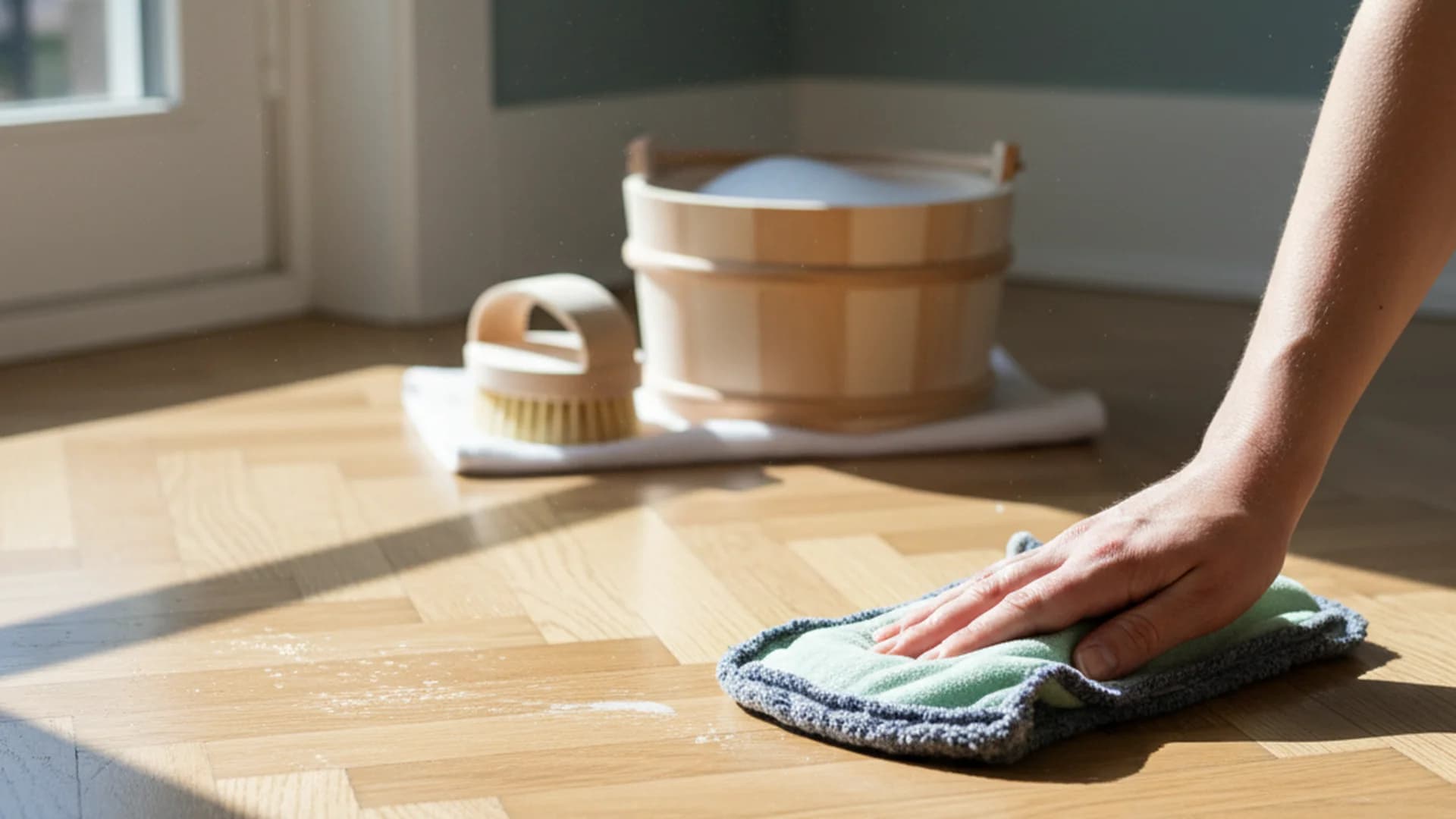
Because of its light color, debris is highly visible on maple. Use a microfiber dust mop daily. Unlike traditional brooms, which can flick grit across the floor, microfiber uses static electricity to trap particles.
Step 2: Choosing the Right Vacuum
If you prefer vacuuming, ensure your machine is on a "hard floor" setting.
Warning: Never use a vacuum with a rotating beater bar on maple floors. The stiff bristles can leave microscopic scratches that dull the finish over time. Use a felt-head attachment instead.
Step 3: The "Barely Damp" Mop
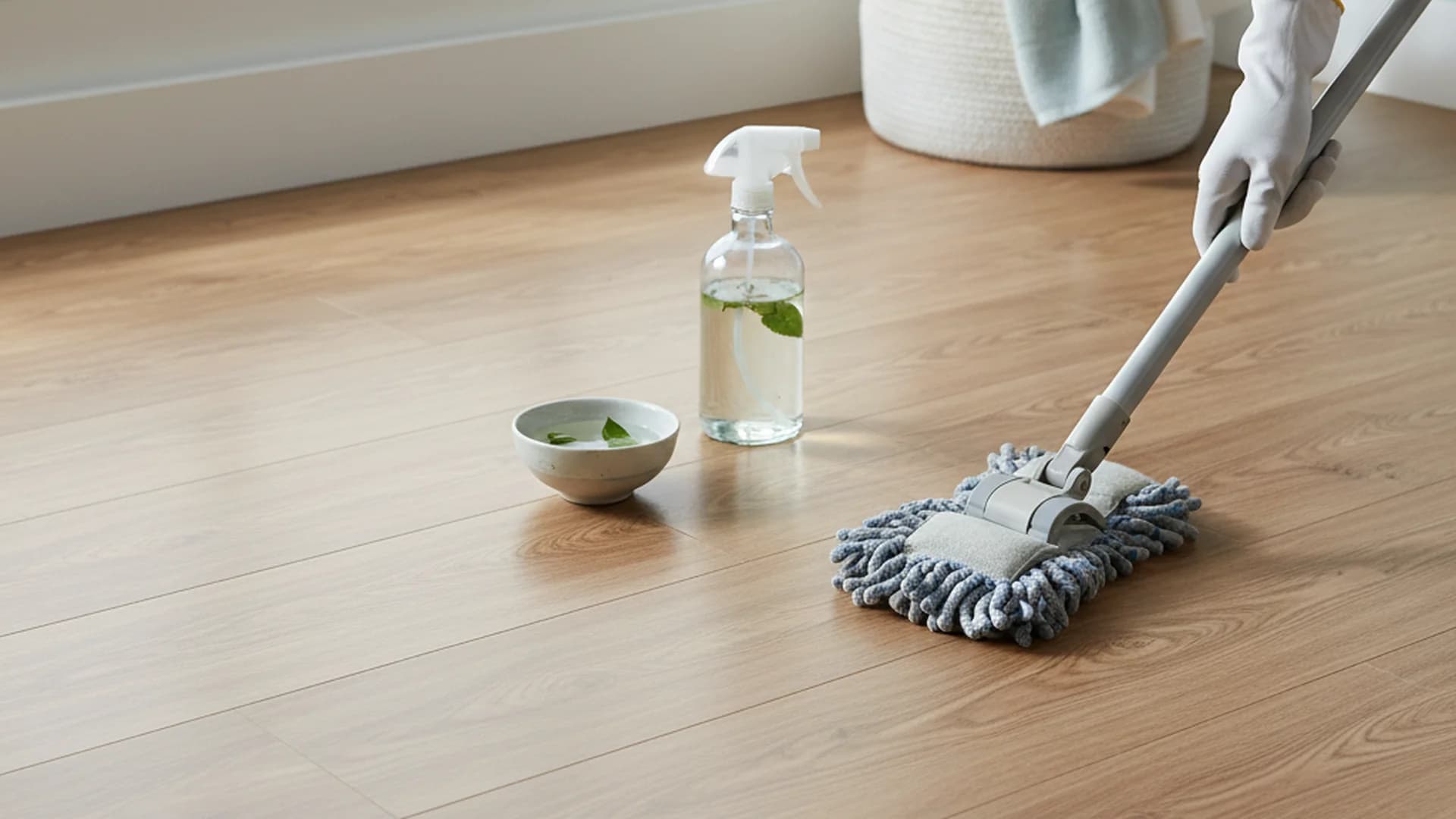
When it is time for a deeper clean, skip the bucket of water. Instead, use a pH-neutral cleaner specifically formulated for hardwood. Spray the cleaner directly onto a microfiber pad—never onto the floor itself. This prevents liquid from seeping into the joints between the planks.
Step 4: The Final Buff
If you notice streaks after mopping, it usually means there was too much moisture or leftover residue. The expert solution is to go over the area one last time with a completely dry, clean microfiber cloth to "buff" the surface to a shine.
Natural Cleaning: How to Clean Maple Floors Safely
Many homeowners want to clean maple floors naturally to avoid harsh chemicals, but "natural" does not always mean "safe." For example, many traditional blogs suggest using vinegar and water.
Warning: Avoid using vinegar or lemon juice on maple. The acetic acid in vinegar acts as a chemical stripper, eating away at the protective polyurethane finish and leaving the wood vulnerable to water damage and staining.
The Best Way to Clean Maple Floors Naturally
If you want an eco-friendly approach, the current professional recommendation for 2025 is a simple Castile soap solution.
- Fill a high-quality spray bottle with distilled water (distilled water prevents mineral spots).
- Add exactly one drop of liquid Castile soap (like Dr. Bronner’s).
- Shake gently and mist your microfiber pad.
This "less is more" philosophy provides enough surfactant to lift oils and dirt without leaving a sticky film or damaging the wood's pH balance.
Real-World Cleaning Examples
To help you visualize these techniques, here are three common scenarios maple floor owners face:
- The Kitchen Coffee Spill: A homeowner spills a latte on their maple kitchen floor. Instead of using a wet rag and soap, they immediately blot the liquid with a dry paper towel. They then mist a small microfiber cloth with a pH-neutral cleaner to remove the sugar residue, drying the spot immediately afterward.
- Post-Walk Muddy Paw Prints: After a rainy walk, a dog leaves muddy prints across the hallway. The owner allows the mud to dry slightly, then vacuums up the dried dirt using a felt-head attachment to prevent scratching. They finish by using the "barely damp" microfiber method to remove the remaining stains.
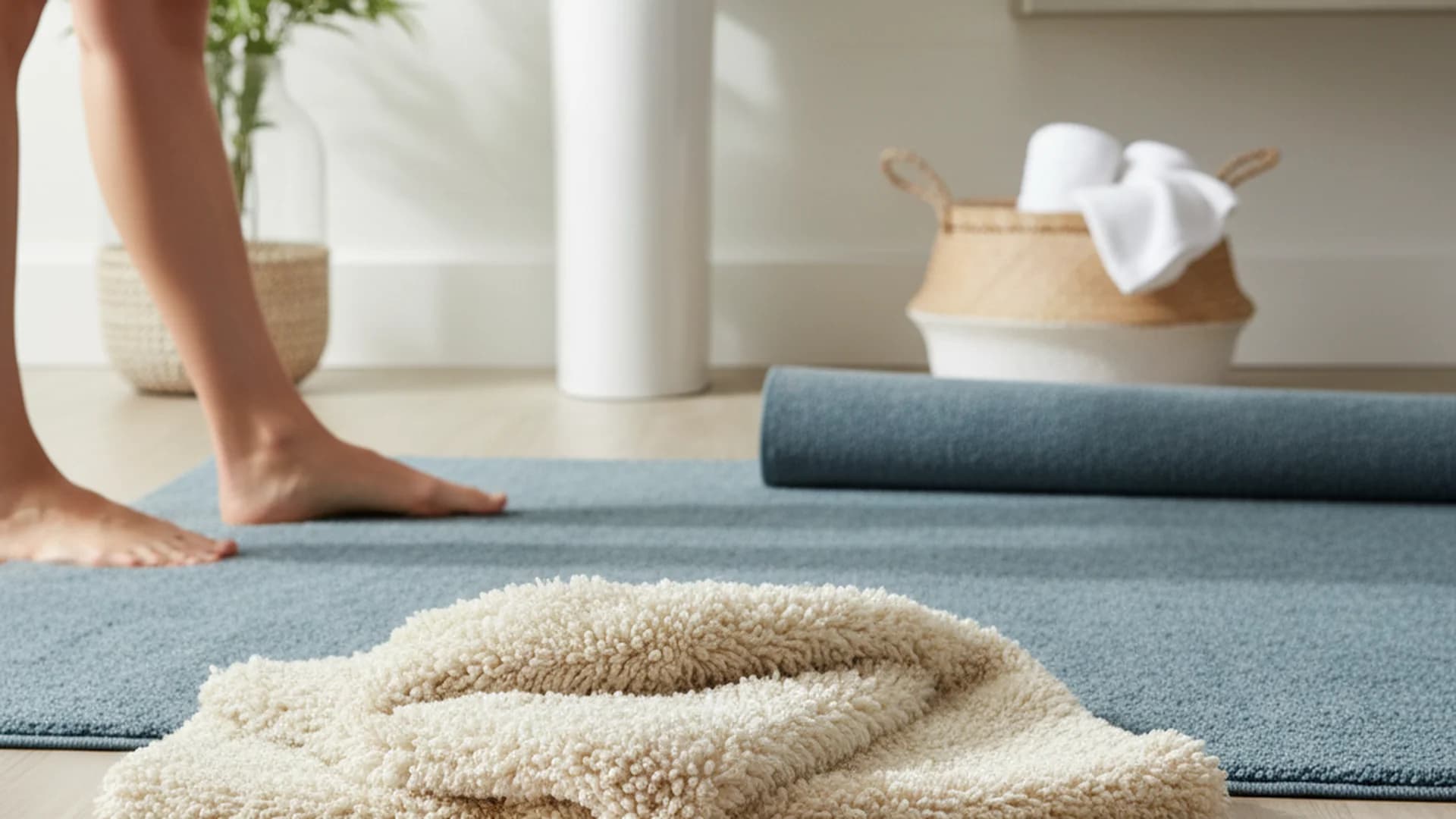
- The High-Traffic Entryway: A family notices their maple entryway looks "cloudy." Realizing this is caused by salt and grit from shoes, they implement a "no-shoes" policy and add a six-foot walk-off mat. This prevents 80% of the dirt from ever reaching the maple surface.
Modern Innovations: Cleaning in 2025 and 2026
The world of floor care has evolved significantly in the last year. If you are looking for the absolute best way to clean maple floors with the help of technology, consider these 2025 trends:
Probiotic (Enzymatic) Cleaners
In 2025, we have seen a massive shift toward probiotic cleaners. These solutions leave behind "good bacteria" that continue to consume organic matter, such as skin cells and microscopic food particles, long after you have finished mopping. They are incredibly effective for homes with pets.
AI-Integrated Robotic Mops
Older robot mops were notorious for over-saturating hardwood. However, new 2025 models now feature "Smart Wood Detection." These sensors identify the difference between tile and maple, automatically reducing the water output to a "mist-only" setting, making them safe for maple for the first time in history.
UV-C Sanitization
For those who want a sterile environment without using any liquids, portable UV-C light wands have become a standard tool. These allow you to kill 99.9% of bacteria on the smooth maple surface using light rather than chemicals.
Common Mistakes to Avoid
Even the most well-intentioned cleaning routine can go wrong if you use the wrong products. Here is the "No-Go" list for maple floors:
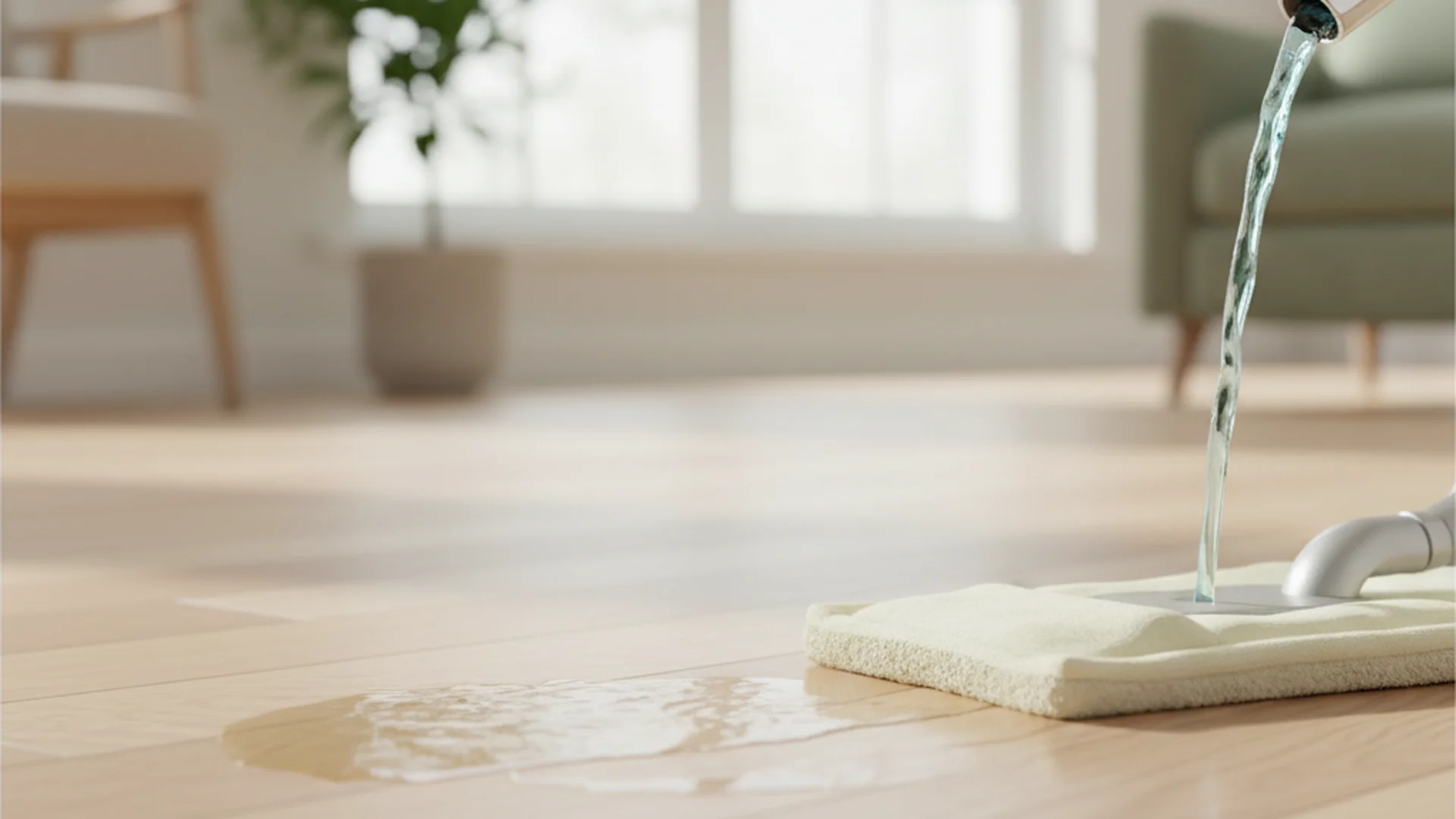
- Steam Mops: High-pressure steam forces moisture deep into the wood fibers, causing the planks to "cup" or the finish to peel.
- Oil Soaps and Waxes: These products claim to "nourish" the wood, but modern maple is sealed with polyurethane. Oil soaps leave a greasy film that attracts more dirt and makes it impossible to apply a fresh coat of finish later without a full, expensive sanding.
- Abrasive Scrubbers: Never use steel wool or scouring pads, even for tough stains.
- Excessive Water: Never use a traditional "string mop" and bucket. If there is standing water on your maple, you are using too much.
Tip: 80% of the scratches on maple floors come from dirt tracked in from the outside. A high-quality "walk-off" mat at every entrance is your best defense.
Frequently Asked Questions
Can I use a steam mop on maple floors?
How do I get rid of streaks on my maple floor?
Is it okay to use a wet Swiffer?
How often should I refinish my maple floors?
Conclusion: Maintenance vs. Restoration
Learning how to clean maple floors is a balance of using the right tools and knowing when to stop. By sticking to pH-neutral cleaners, embracing the "Dry-to-Damp" method, and utilizing 2025 technologies like probiotic cleaners, you can keep your floors looking new for decades. Remember: it is much cheaper to maintain a finish through proper cleaning than it is to restore wood that has been damaged by water or harsh chemicals.
Success: By following this "less is more" approach, you ensure your maple floors remain the stunning centerpiece of your home for generations to come.
Cleaning that keeps score
Every task earns points, every streak multiplies them, and Premium adds a household leaderboard plus a monthly Dustagorgon to beat.
- Free forever
- 30 badges to earn
- Up to 6 in a household
No card needed. Set up your rooms in a couple of minutes.