In this article
What you’ll learn
- Porcelain must have a water absorption rate of 0.5% or less.
- Avoid oil-based cleaners to prevent cloudy film buildup.
- Use pH-neutral solutions to protect grout and tile integrity.
Porcelain tile is the gold standard of modern flooring, offering a blend of unmatched durability and high-end aesthetics. However, many homeowners struggle with maintenance, often asking how to clean porcelain tile without leaving behind streaks or damaging the grout. Because porcelain is denser and less porous than standard ceramic, it requires a specific approach to maintain its factory-fresh luster.
As a professional cleaning consultant, I have seen how the wrong chemicals can turn a beautiful floor into a magnet for dirt. In this guide, we will explore the technical science behind porcelain, the most effective natural cleaning methods, and the cutting-edge technology defining floor care in 2025 and 2026.
Understanding the Science of Porcelain
To clean porcelain effectively, you must first understand what makes it unique. A tile is only classified as porcelain if it meets the "0.5% rule." This means the tile absorbs less than 0.5% of its weight in water.
This "impervious" rating is achieved through high-temperature firing and refined clay dust. While this makes the tile highly stain-resistant, it also means that cleaning solutions have nowhere to go. If you use too much soap, it simply sits on the surface, creating a cloudy, sticky film.
The PEI Rating Factor
When cleaning, keep the Porcelain Enamel Institute (PEI) rating in mind. Most residential floor tiles are PEI 4 or 5.
- PEI 4: High traffic; suitable for all residential and most commercial areas.
- PEI 5: Heavy traffic; used in commercial hallways and entryways.
Knowing your rating helps you determine how much abrasive "grit" your floor can handle. While PEI 4 and 5 are tough, they are not invincible.
| Feature | Porcelain Tile | Standard Ceramic |
|---|---|---|
| Water Absorption | < 0.5% | 3% - 7% |
| Density | High | Medium |
| Durability | Superior (PEI 4-5) | Moderate (PEI 1-3) |
| Best Use | High-traffic / Outdoors | Walls / Low-traffic |
The Best Way to Clean Porcelain Tile Daily
The best way clean porcelain tile starts with preventing mechanical damage. Loose dirt and sand act like sandpaper. Over time, walking on a gritty floor will micro-scratch the surface, dulling the finish of even the hardest porcelain.
Step 1: Dry Soil Removal
Use a vacuum with a dedicated hard-floor setting or a soft-bristled broom. Avoid vacuums with beater bars, as the stiff plastic bristles can occasionally leave marks on polished finishes.
Step 2: The "Double-Mop" Method
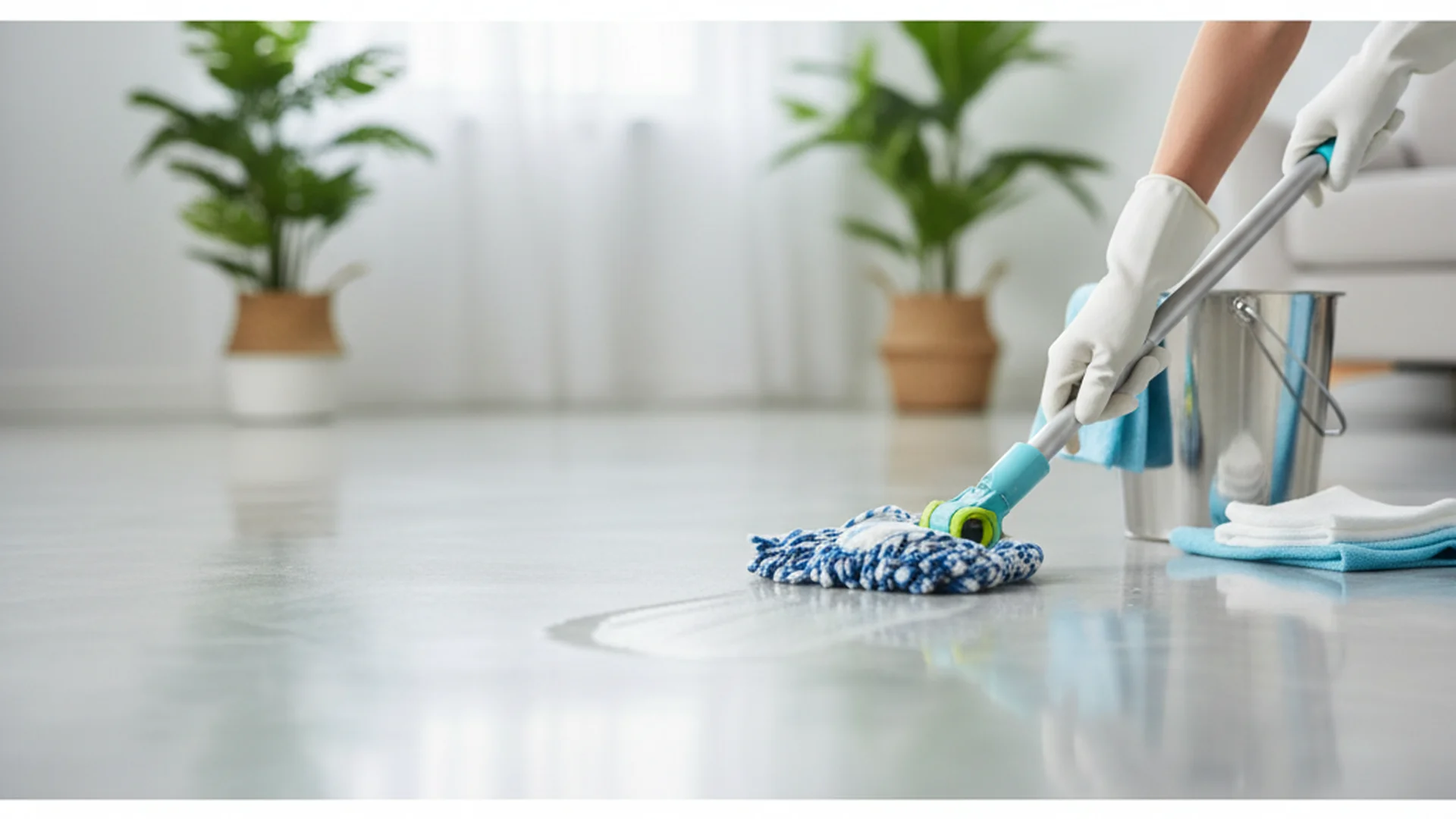
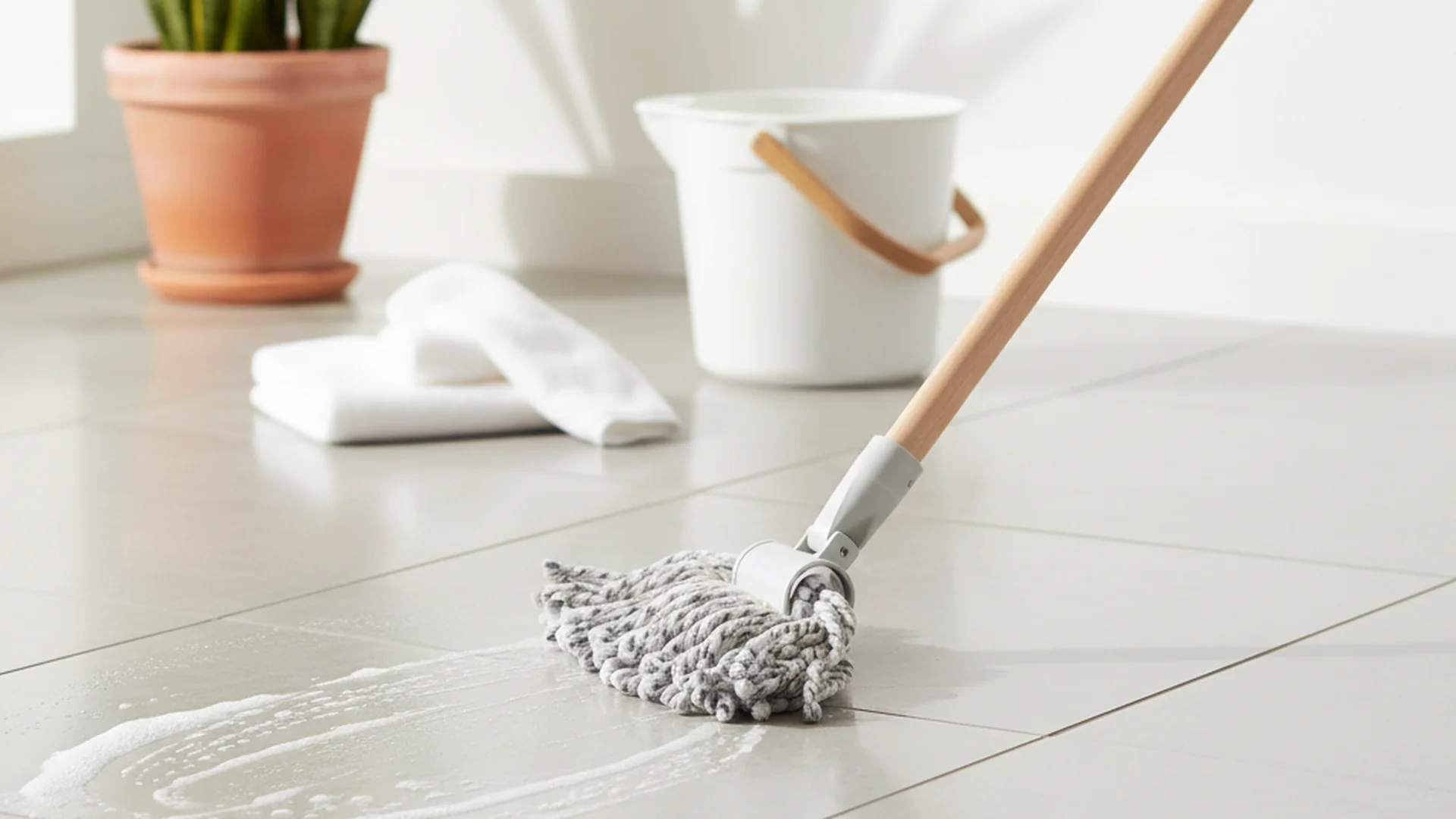
Professional cleaners use the double-mop technique to achieve a streak-free shine.
- Wet Mop: Use a microfiber mop dampened with a pH-neutral cleaner.
- Dry Buff: Immediately follow up with a clean, dry microfiber cloth or a "dry mop." This lifts the moisture before it can air-dry into spots.
Tip: If you have polished porcelain, use 50% less detergent than the bottle recommends. Polished surfaces are highly reflective and show residue more easily than matte finishes.
How to Clean Porcelain Tile Naturally
If you prefer to avoid harsh chemicals, you can clean porcelain tile naturally using common household items. However, there is a right and wrong way to use natural acids like vinegar.
The Vinegar Solution
Vinegar is a fantastic degreaser, but it is acidic. While it won't hurt the porcelain itself, it can slowly erode cement-based grout.
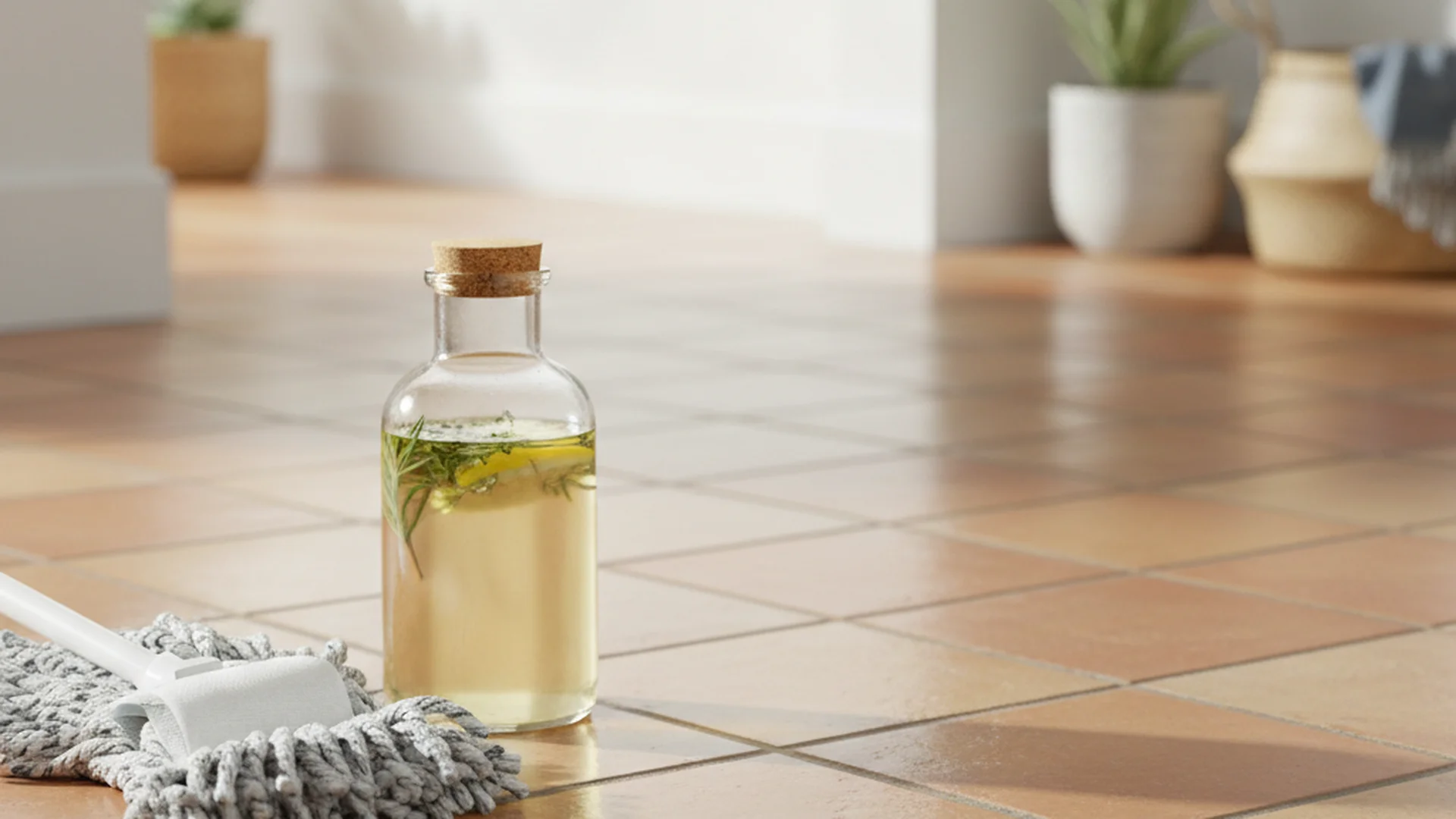
- The Recipe: Mix 1/4 cup of white distilled vinegar with 1 gallon of warm water.
- The Application: Mop the floor, and then rinse with plain water to ensure no acid remains on the grout lines.
The Baking Soda Grout Refresh
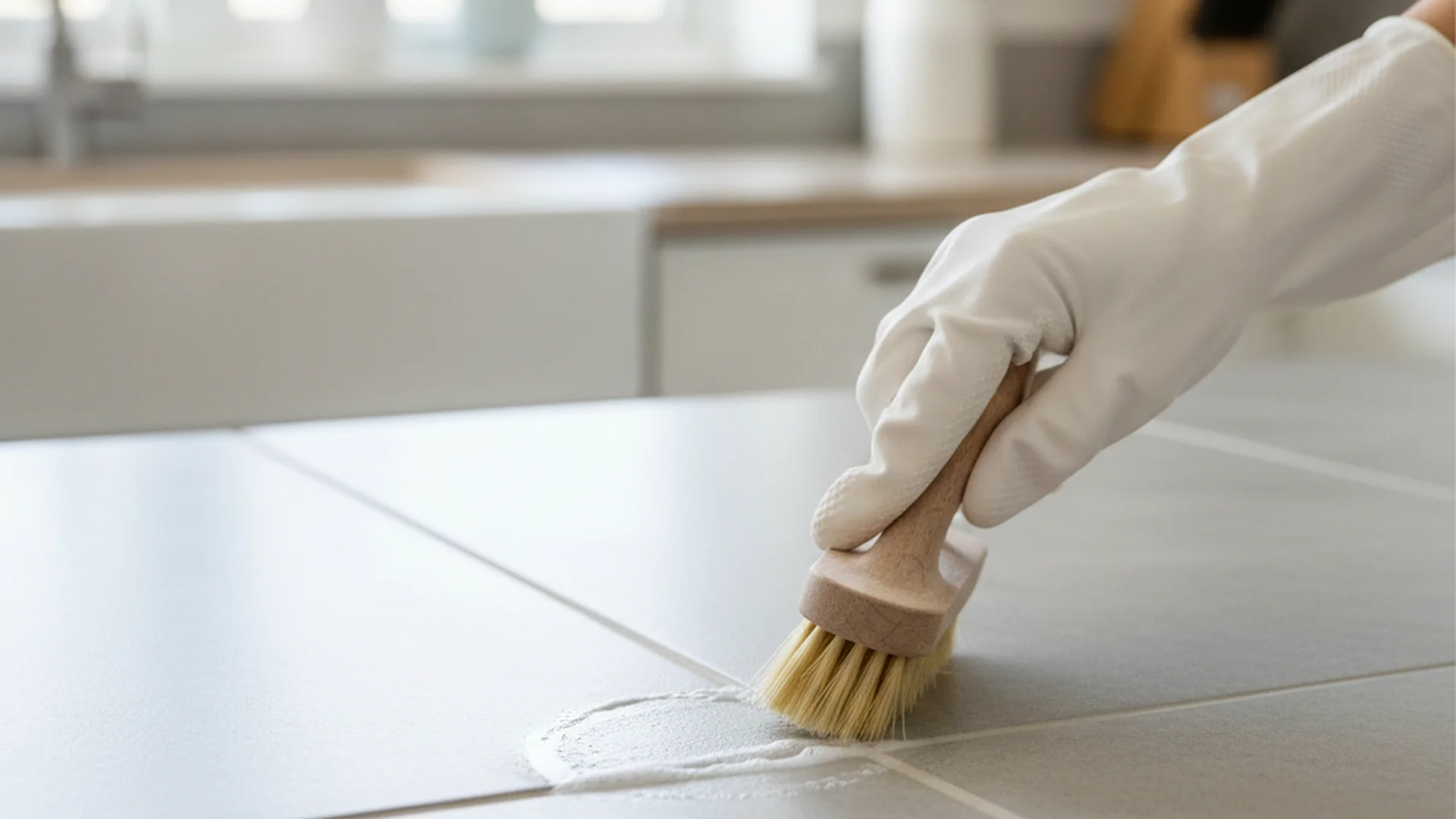
Grout is the most vulnerable part of your floor. For stained grout, create a paste of baking soda and water. Apply it to the lines, let it sit for 15 minutes, and scrub gently with a soft-bristled brush. This lifts organic stains without the corrosive effects of bleach.
Warning: Never use steel wool or metal scouring pads on porcelain. Even though the tile is hard, the metal can leave "metal marks"—grey streaks that are incredibly difficult to remove.
Specialized Care for Different Finishes
Not all porcelain is created equal. The texture of your tile dictates your cleaning strategy.
Polished Porcelain
Polished porcelain is the most "maintenance-heavy" because it reflects light. Every footprint and water spot shows. Always use distilled water if you live in a hard-water area to prevent mineral buildup.
Matte and Textured Porcelain
Textured tiles, often designed to look like wood or stone, have "valleys" that trap dirt.
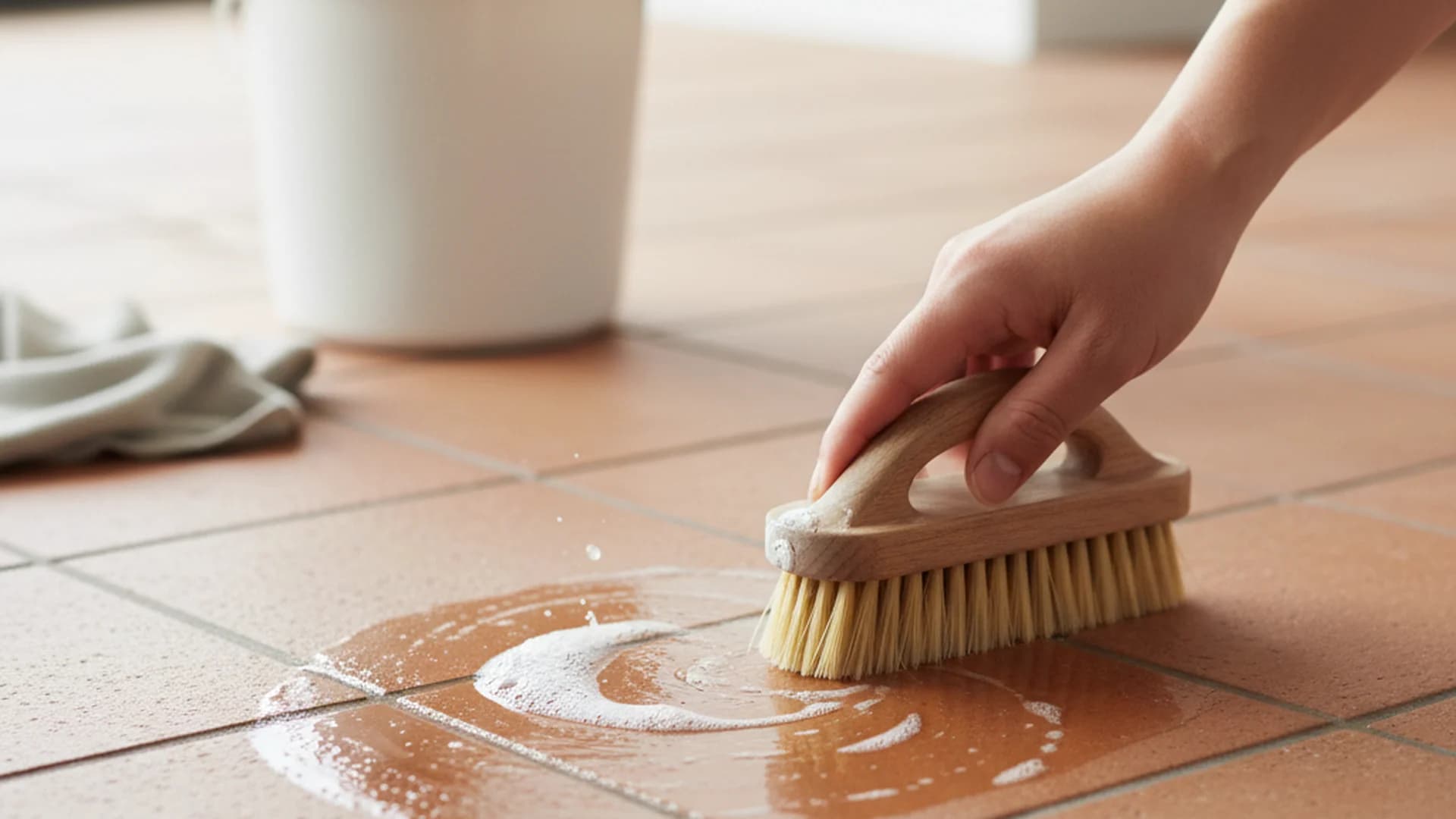
- Example 1: The Kitchen Spill. If you drop grease on a textured "wood-look" porcelain plank, a flat mop may just glide over the dirt. Use a soft-bristled scrub brush to agitate the cleaner into the texture.
Note: Unpolished (matte) porcelain and its grout lines should be professionally sealed annually to prevent oils from penetrating the microscopic pores.
2025–2026 Cleaning Trends and Technology
The world of floor care is shifting toward automation and sustainability. If you are looking to upgrade your routine, consider these 2025 trends:
1. AI-Integrated Robot Mops
Modern robots like the Roborock Saros series now feature hot water mop washing (up to 167°F). This heat sanitizes porcelain and dissolves oils much more effectively than cold-water manual mopping.
2. Enzymatic and Probiotic Cleaners
There is a major shift toward bio-based cleaners. These products contain "good bacteria" that continue to eat away at organic stains, like pet dander or kitchen grease, for hours after you finish the task.
3. Dry Steam Technology
As water conservation becomes a priority, dry steam cleaners are becoming standard. They use 90% less water than a traditional mop and bucket, using high heat to kill 99.9% of bacteria without leaving a chemical residue.
Success: Using an enzymatic cleaner once a month can significantly reduce the "locker room" smell that sometimes develops in tiled bathrooms with heavy moisture.
Common Mistakes to Avoid
-
Using Oil-Based or Wax Cleaners: Products labeled "mop and shine" usually contain oils or waxes. Because porcelain is non-porous, these products create a sticky layer that actually attracts dust.
-
Letting Spills Dwell: While porcelain is stain-resistant, it is not stain-proof. Highly acidic spills like red wine or lemon juice can etch the surface if left for several hours.
-
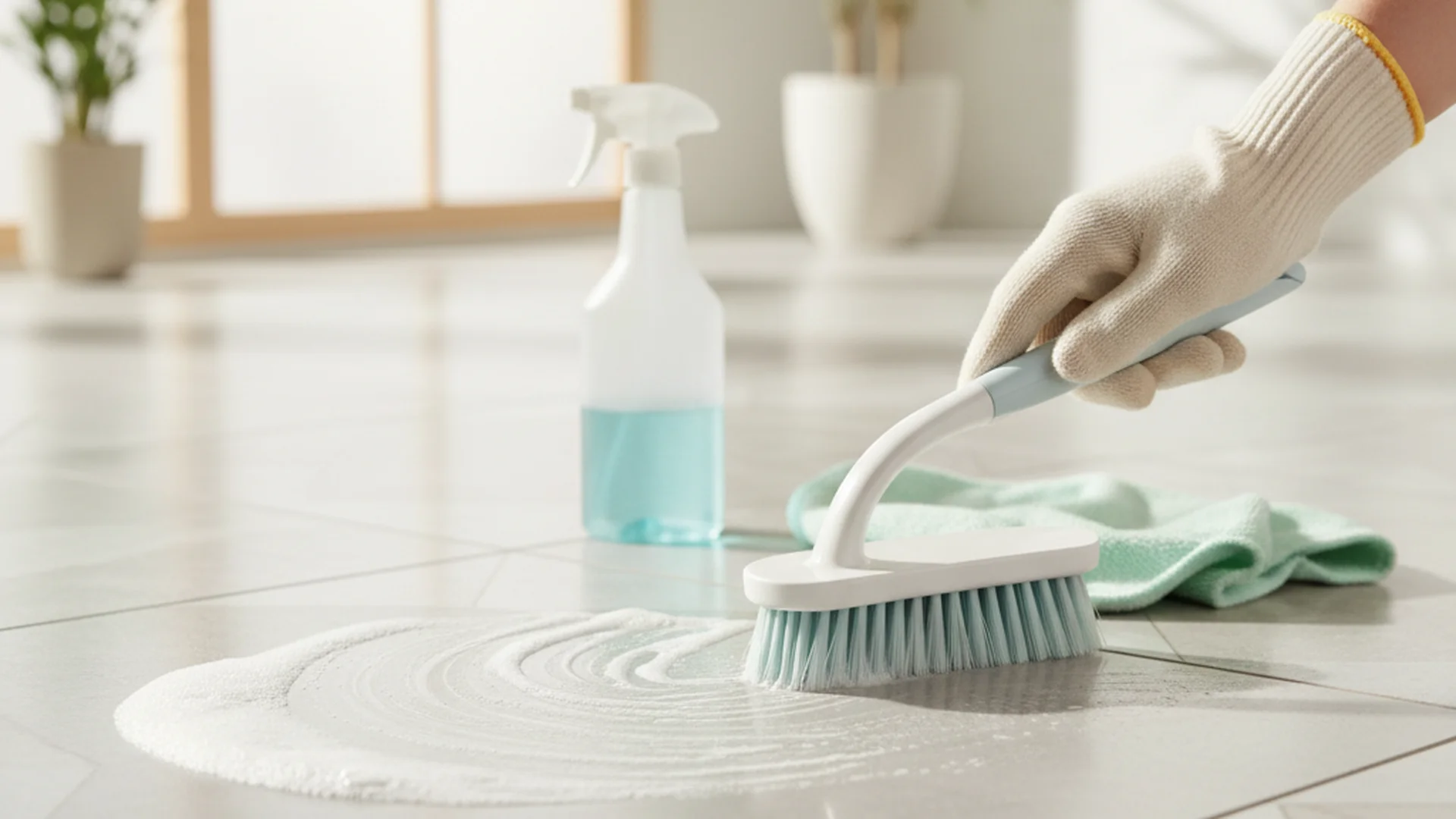
Over-Sudsing: A common misconception is that more soap equals a cleaner floor. In reality, more soap leads to more streaks.
-
Example 2: The Muddy Dog. After a rainy walk, a homeowner used a heavy-duty floor soap to clean paw prints. Because they didn't rinse, the next day the floor looked "dull." A simple rinse with plain warm water restored the shine by removing the dried soap film.
Frequently Asked Questions
Can I use vinegar on porcelain tile?
Why does my tile look cloudy after mopping?
Do I need to seal porcelain tile?
How do I remove metal marks from porcelain?
- Example 3: The Bathroom Refresh. To keep a porcelain shower clean naturally, use a squeegee after every use. This prevents the calcium in the water from bonding to the tile, reducing the need for deep cleaning.
Conclusion
Maintaining porcelain tile doesn't have to be a chore if you respect the material’s properties. By sticking to pH-neutral cleaners, utilizing the double-mop method, and embracing new technologies like enzymatic cleaners or steam, you can keep your floors looking brand new for decades. Remember: with porcelain, less is usually more when it comes to soap.
Cleaning that keeps score
Every task earns points, every streak multiplies them, and Premium adds a household leaderboard plus a monthly Dustagorgon to beat.
- Free forever
- 30 badges to earn
- Up to 6 in a household
No card needed. Set up your rooms in a couple of minutes.