In this article
What you’ll learn
- Prefinished hardwood requires specialized care to protect its 7-10 layers of factory coating.
- Avoid steam mops and excessive water, which cause warping and finish delamination.
- The "misting technique" with a pH-neutral cleaner is the gold standard for maintenance.
In the modern home, hardwood is no longer just a flooring choice—it is a significant financial investment. As of 2024, prefinished wood flooring has surged to command approximately 85% of the domestic market. Homeowners love it for its durability and immediate usability, but many struggle with the specifics of how to clean prefinished hardwood without damaging those expensive factory-applied coatings. Unlike the waxed floors of previous generations, today’s prefinished boards are high-tech marvels that require a precise, gentle touch to maintain their luster.
The Science of the Modern Finish
To understand the best way clean prefinished hardwood, you must first understand what you are actually cleaning. You aren't technically cleaning wood; you are cleaning a sophisticated shield of UV-cured polyurethane.
Most premium prefinished floors manufactured in 2025 and 2026 feature between 7 and 10 layers of factory-applied finish. These layers are often reinforced with aluminum oxide, one of the hardest minerals in the world. This creates a surface that is incredibly scratch-resistant but also non-porous. Because the finish is so tight, traditional cleaning methods—like the soaking wet mop—can be disastrous.
Note: Aluminum oxide finishes are designed for durability, but they can be dulled by chemical "burns" from improper cleaning agents like bleach or ammonia.
The Ultimate Routine: Daily, Weekly, and Monthly Care
Consistency is the secret to a floor that looks brand new for 30 years. Professional cleaning consultants recommend a tiered approach to maintenance.
Daily: The Dry Defense
The biggest enemy of your hardwood isn't water—it's grit. Small particles of dirt and sand act like sandpaper under your shoes.
- Action: Use a microfiber dust mop daily.
- Why: Microfiber uses static electricity to "lift" dust rather than pushing it around.
Weekly: The Targeted Vacuum
Once a week, you need to reach the dust that hides in the bevels and grains of the wood.
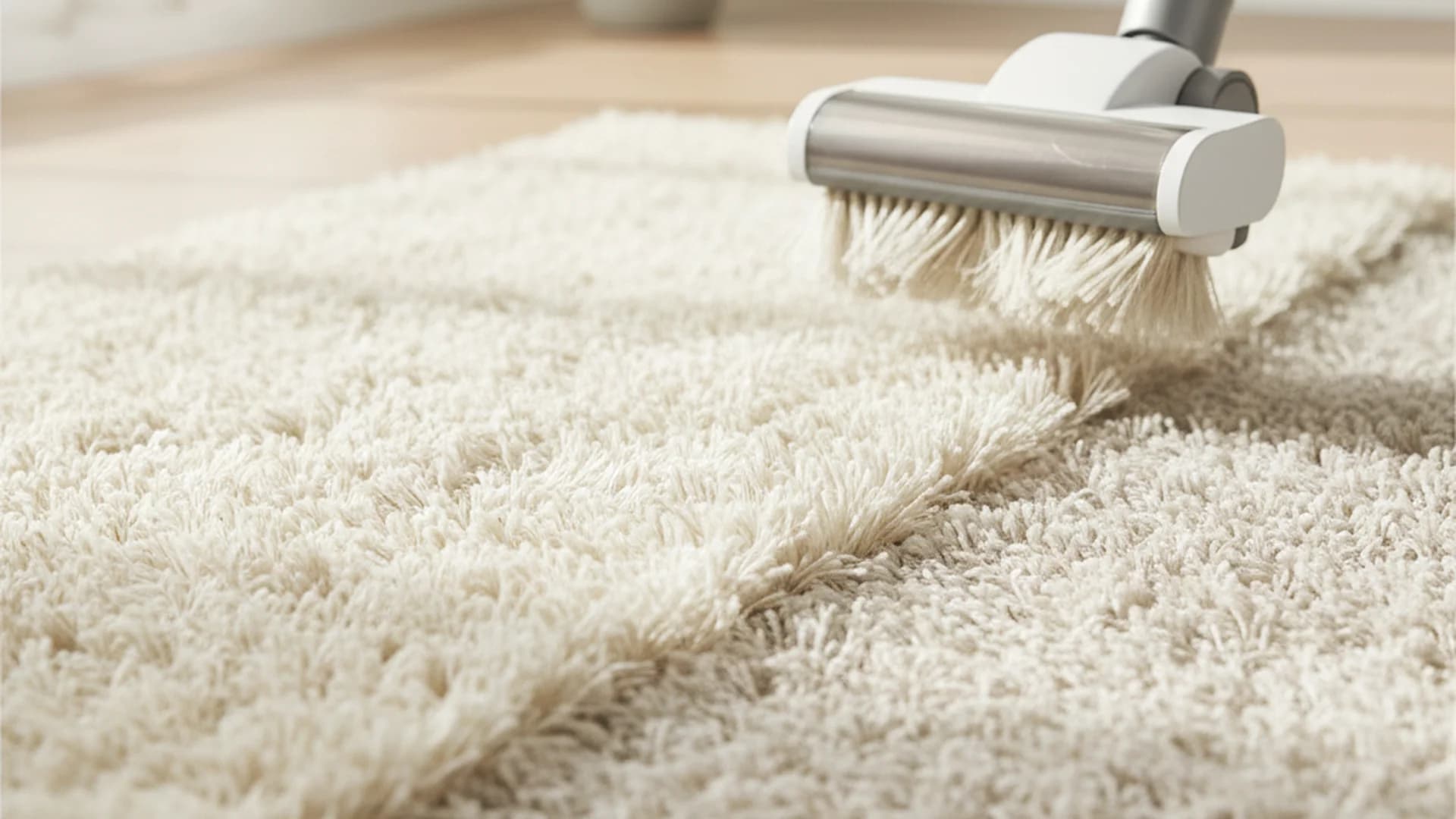
- Action: Vacuum using a hard-floor setting.
- Warning: Always ensure the "beater bar" (the rotating brush) is turned off. A spinning beater bar can leave microscopic swirl marks on a matte finish.
Monthly: The Misting Technique
This is where most homeowners go wrong. You do not need a bucket of water.
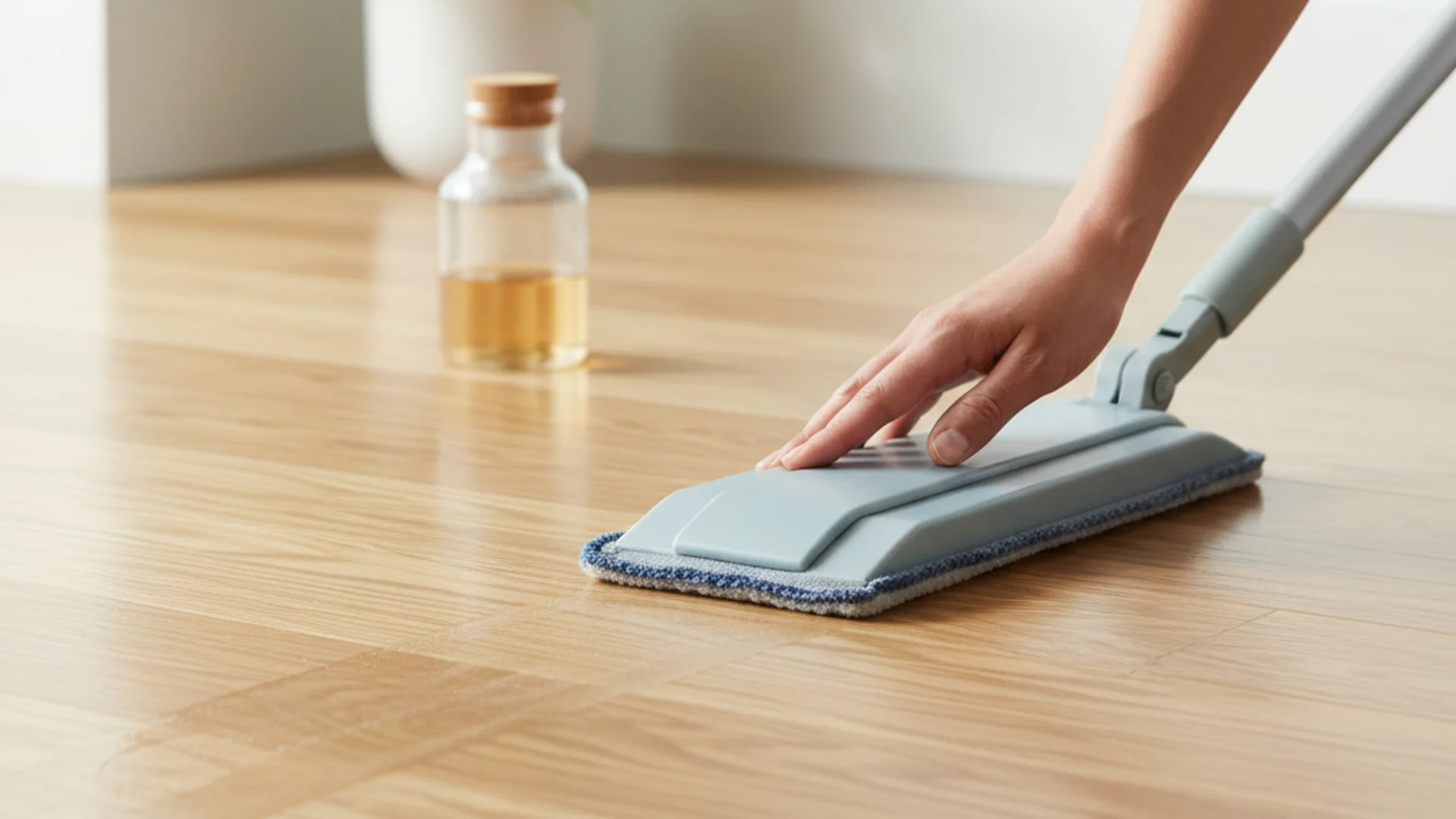
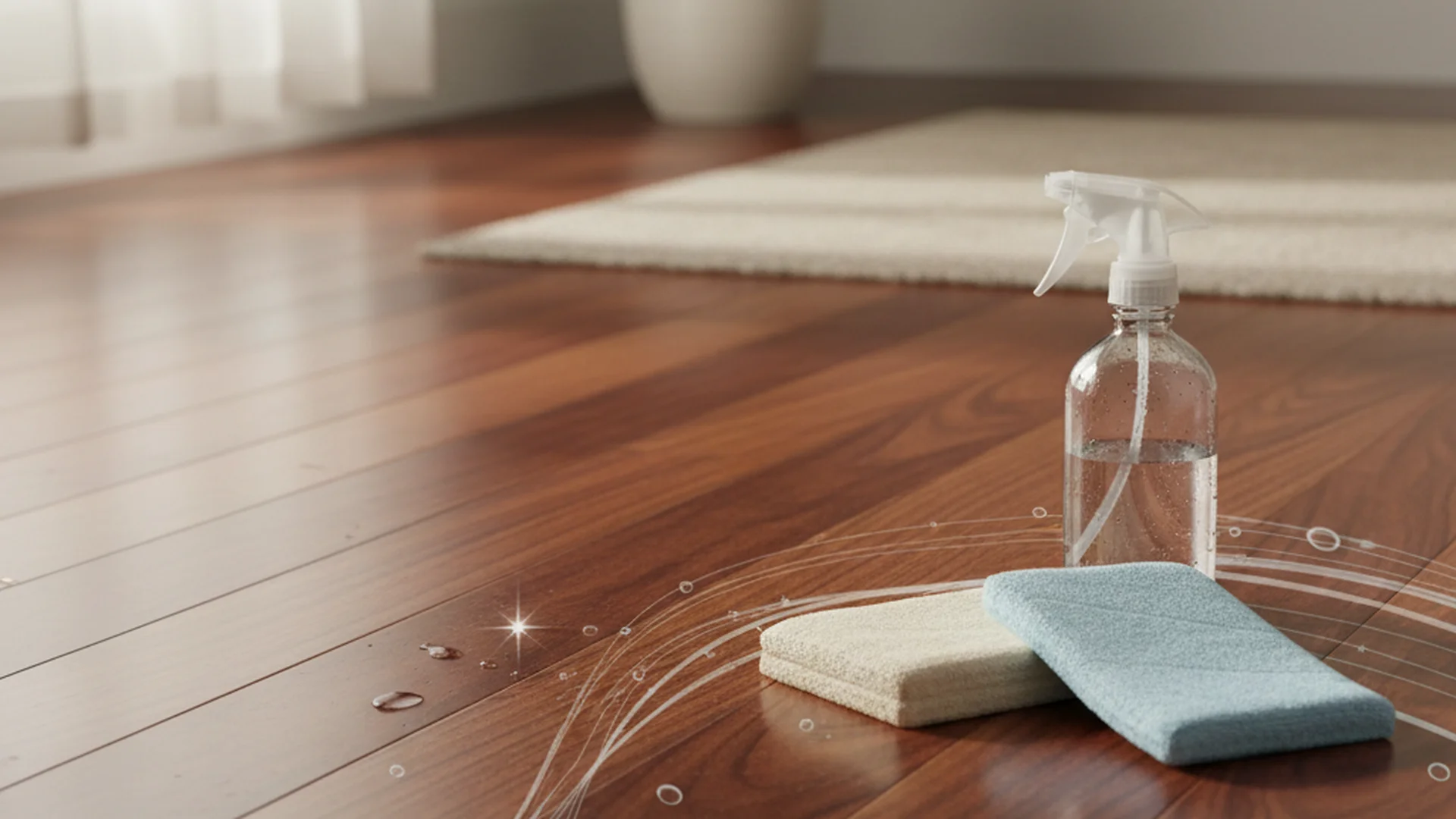
- Action: Lightly mist a microfiber mop head with a specialized cleaner and mop in the direction of the wood grain.
- Success: Using the misting technique ensures that no liquid sits in the seams of the planks, preventing the dreaded "cupping" effect.
How to Clean Prefinished Hardwood Naturally
Many homeowners want to clean prefinished hardwood naturally to avoid harsh chemicals and VOCs. However, there is a significant debate regarding the use of vinegar.
For decades, a mixture of vinegar and water was the DIY standard. In 2026, the consensus among the National Wood Flooring Association (NWFA) and manufacturers is a cautious "no." Vinegar is an acid; over time, that acidity eats away at the polyurethane, leading to a permanent cloudy appearance.
If you want a natural approach, look toward the new wave of plant-based, enzymatic cleaners.
| Cleaner Type | Ingredients | Safety Rating | Best For |
|---|---|---|---|
| Enzymatic | Plant-derived enzymes | High | Pet stains and organic grime |
| pH-Neutral | Distilled water / gentle surfactants | High | Weekly maintenance |
| Vinegar DIY | Acetic acid | Low | Not recommended for 2026 finishes |
Tip: If you must go the DIY route, use a ratio of 1 part vinegar to 10 parts water, and only use it sparingly. A better "natural" alternative is simply a drop of castile soap in a gallon of distilled water.
Real-World Examples: Handling Daily Life
Cleaning theory is great, but real life is messy. Here are three common scenarios where the right technique saves your floor:
1. The "Muddy Labrador" Scenario
Imagine your dog runs across the living room with wet, muddy paws.
- The Mistake: Scrubbing the dried mud with a wet paper towel.
- The Pro Fix: Let the mud dry completely, vacuum up the loose dirt with a soft-brush attachment, and then use a pH-neutral spray to lift the remaining residue. This prevents you from "grinding" the grit into the finish.
2. The Kitchen Spill
A glass of red wine or a splash of pasta sauce hits the floor.
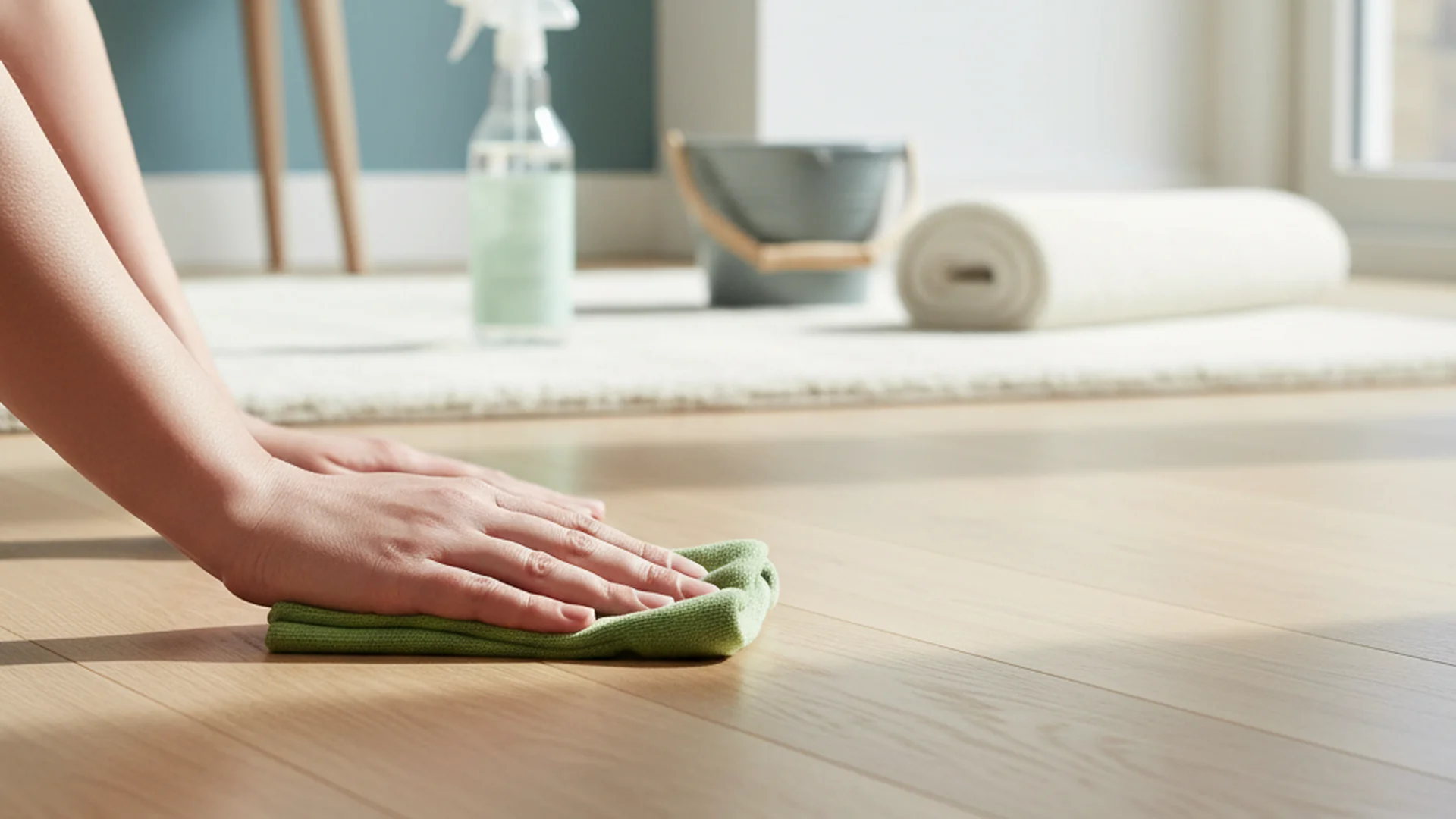
- The Fix: Blot (don't wipe) immediately. Use a slightly damp microfiber cloth to remove the sugars and acids from the spill. Because prefinished wood is sealed, it won't stain instantly, but the seams are vulnerable.
3. The Holiday Party Grit
After a gathering, your entryway is covered in salt and road grit.
- The Fix: This is a "dry clean first" emergency. Do not mop until every grain of salt has been vacuumed or swept. Moving a mop over salt is like using a scouring pad on your floor.
Common Mistakes to Avoid
Even with the best intentions, it is easy to ruin a prefinished floor. Avoid these common pitfalls:
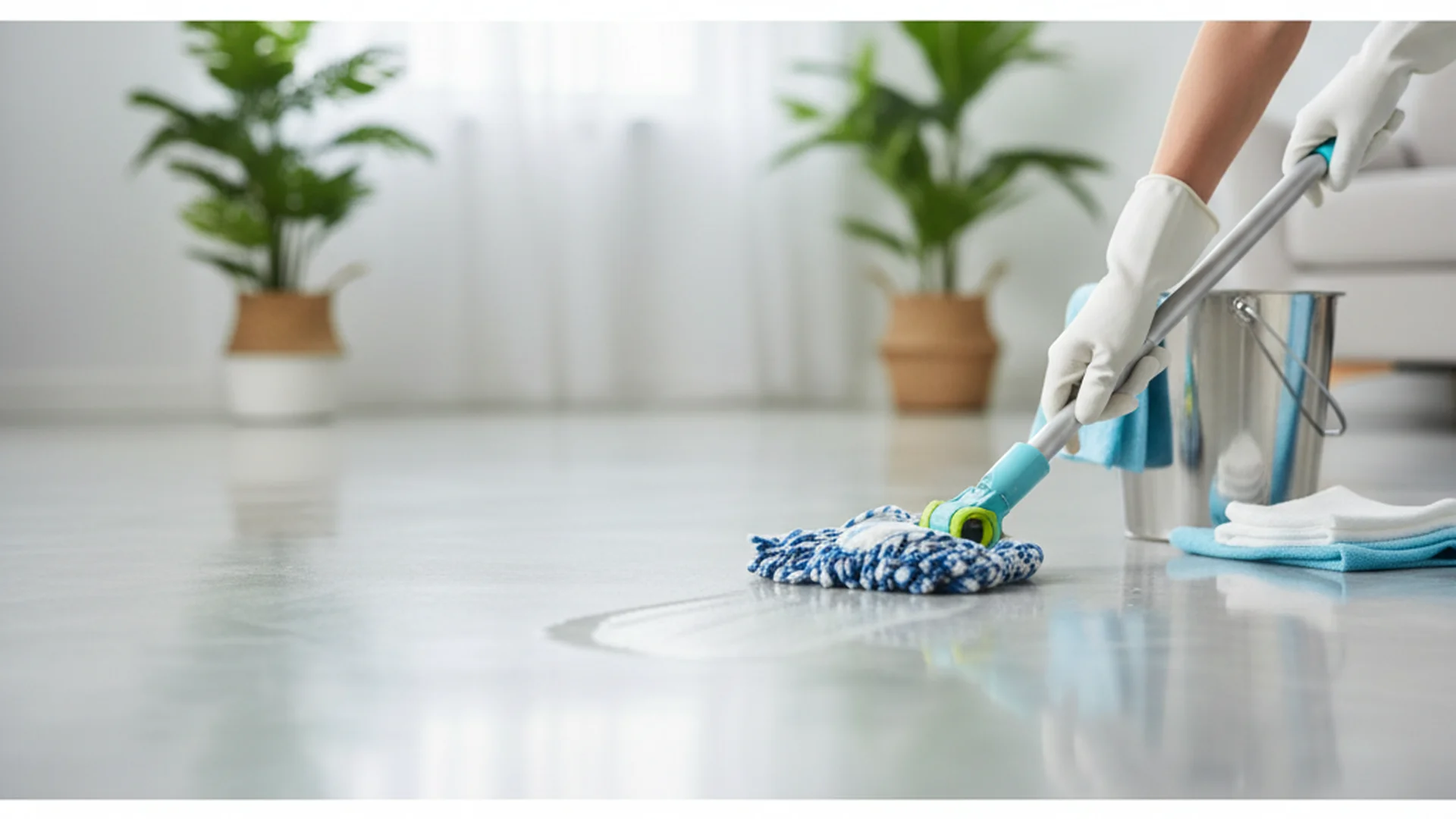
- Steam Mops: Despite marketing claims, steam is the enemy of wood. High-pressure steam forces moisture into the wood fibers, causing the finish to delaminate and the wood to warp.
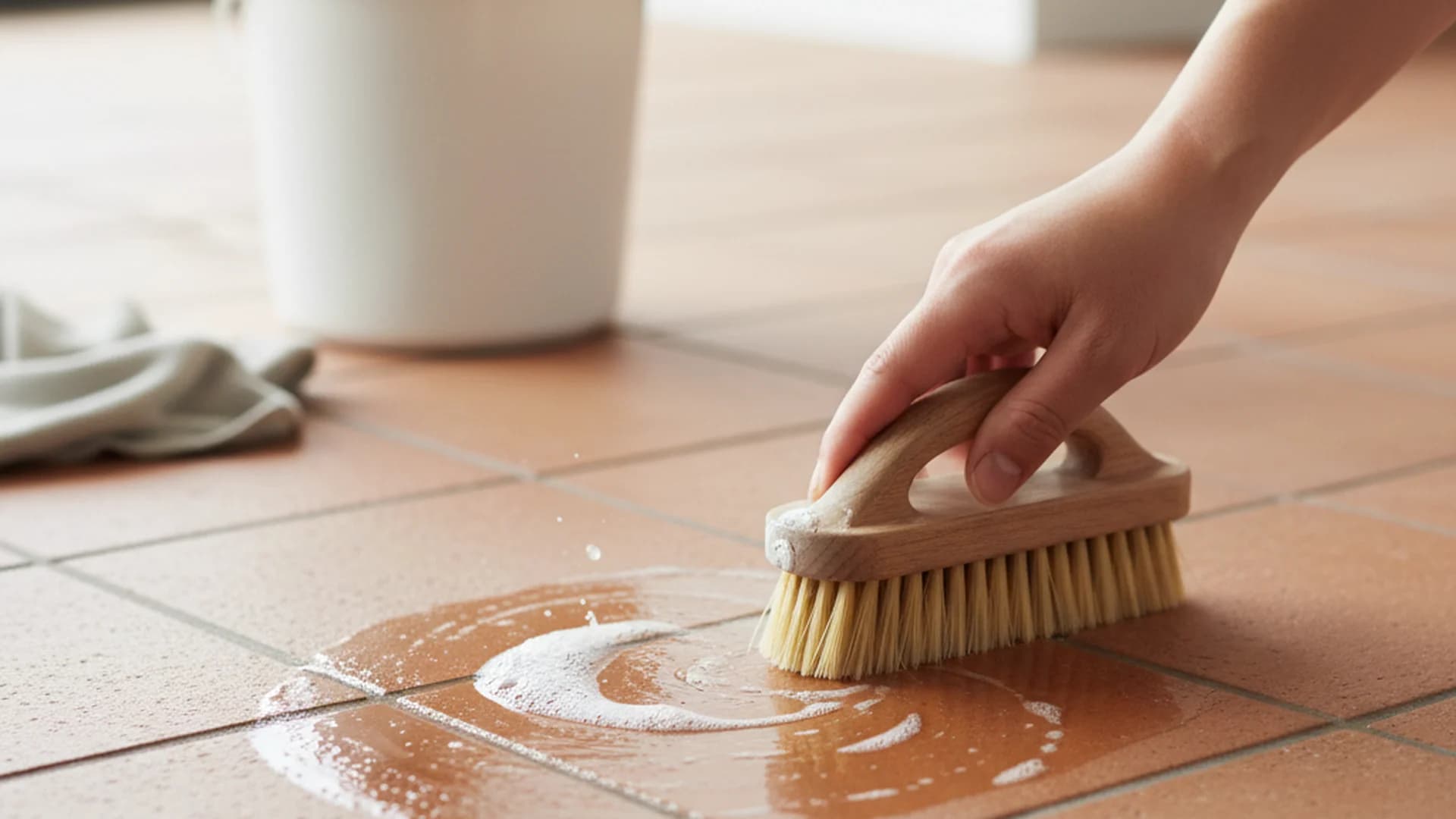
- Oil Soaps: Products like Murphy Oil Soap are designed for wood that hasn't been factory-sealed with polyurethane. On prefinished floors, they leave a "sticky" film that actually attracts more dust.
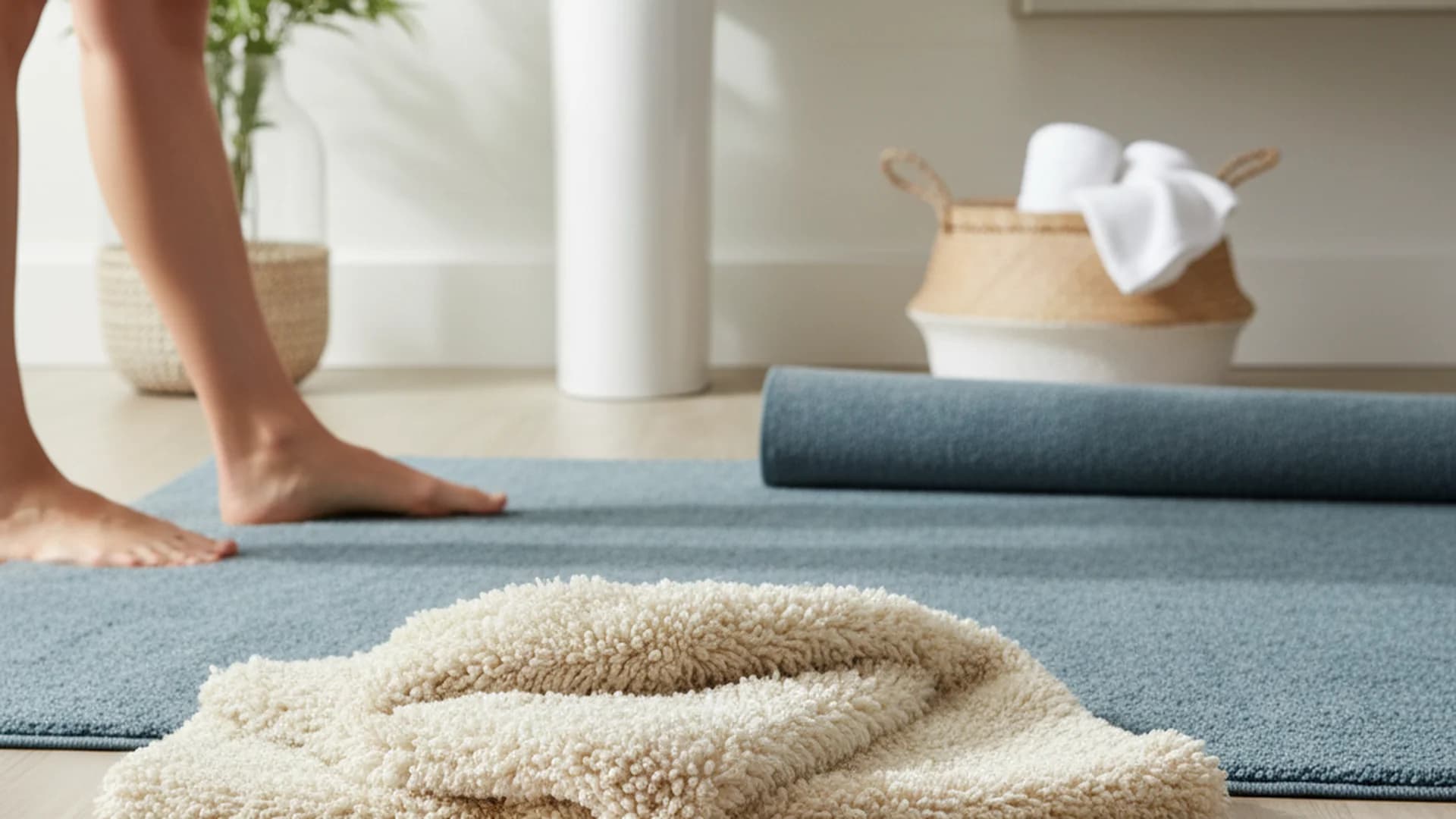
- Rubber-Backed Rugs: These can trap moisture and cause a chemical reaction with the finish, leading to permanent discoloration. Always use a felt or non-slip pad specifically rated for hardwood.
Warning: Never use "mop and shine" products. These add a layer of synthetic wax that is nearly impossible to remove without professional stripping.
2026 Style Watch: Matte Finishes and Warm Tones
As we move through 2025 and 2026, the "piano gloss" floors of the early 2000s have been replaced by low-sheen matte and satin finishes. These are easier to maintain because they don't highlight every footprint or speck of dust.
Additionally, we are seeing a shift away from cool grays toward "warm neutrals"—honey oaks and greige palettes. These lighter, warmer tones require microfiber pads with deeper loops to clean the "wire-brushed" textures that are currently trending.
Frequently Asked Questions
Can I use a steam mop on prefinished hardwood?
Is vinegar a safe natural cleaner?
How often should I damp mop my floors?
What should I do if my prefinished floor looks dull?
Conclusion
Mastering how to clean prefinished hardwood isn't about working harder; it's about working smarter. By prioritizing dry cleaning, utilizing the misting technique with pH-neutral products, and avoiding the "big three" floor killers—steam, excess water, and oil soaps—you can keep your home looking spectacular for decades. As we embrace the matte and warm-toned trends of 2026, remember that your microfiber mop is your most powerful tool in preserving the beauty of your wood.
Success: Consistent, gentle care will preserve your floor's factory warranty and keep your home's resale value at its peak.
Cleaning that keeps score
Every task earns points, every streak multiplies them, and Premium adds a household leaderboard plus a monthly Dustagorgon to beat.
- Free forever
- 30 badges to earn
- Up to 6 in a household
No card needed. Set up your rooms in a couple of minutes.