In this article
What you’ll learn
- Never use steam mops or excessive water on engineered hardwood.
- Use pH-neutral cleaners to preserve the polyurethane or UV-cured finish.
- Microfiber dust mopping daily is the best defense against surface scratches.
Engineered hardwood has become the gold standard for modern homes, currently commanding over 72% of the total hardwood flooring market. Its popularity stems from its stunning real-wood appearance combined with a more stable, moisture-resistant core. However, because this flooring consists of a thin genuine wood veneer bonded over high-density fiberboard (HDF) or plywood, it requires a different level of care than solid timber.
Learning how to clean engineered hardwood correctly is the difference between a floor that lasts 50 years and one that requires a costly replacement after just five. In this guide, we will explore the best practices, the latest 2025 cleaning technologies, and the safest methods to keep your home looking pristine without damaging your investment.
Understanding Your Engineered Hardwood
Before grabbing a mop, it is essential to understand what you are cleaning. Unlike solid planks, engineered wood is a composite of layers. The top layer, or "wear layer," is real hardwood. This layer is typically only 2mm to 6mm thick.
Because this veneer is thin, it can only withstand one to three professional refinishings in its entire lifespan. Every time you use an abrasive cleaner or too much water, you risk compromising that precious top layer. Furthermore, the core layers are susceptible to "delamination" if moisture seeps into the seams, causing the wood to peel or buckle.
The Best Way to Clean Engineered Hardwood Daily
The primary enemy of engineered wood isn't actually water—it is grit. Small particles of dirt, sand, and pet hair act like sandpaper under your feet. Every step you take grinds these particles into the finish, creating micro-scratches that eventually make the floor look dull.
Step 1: Dust Mopping
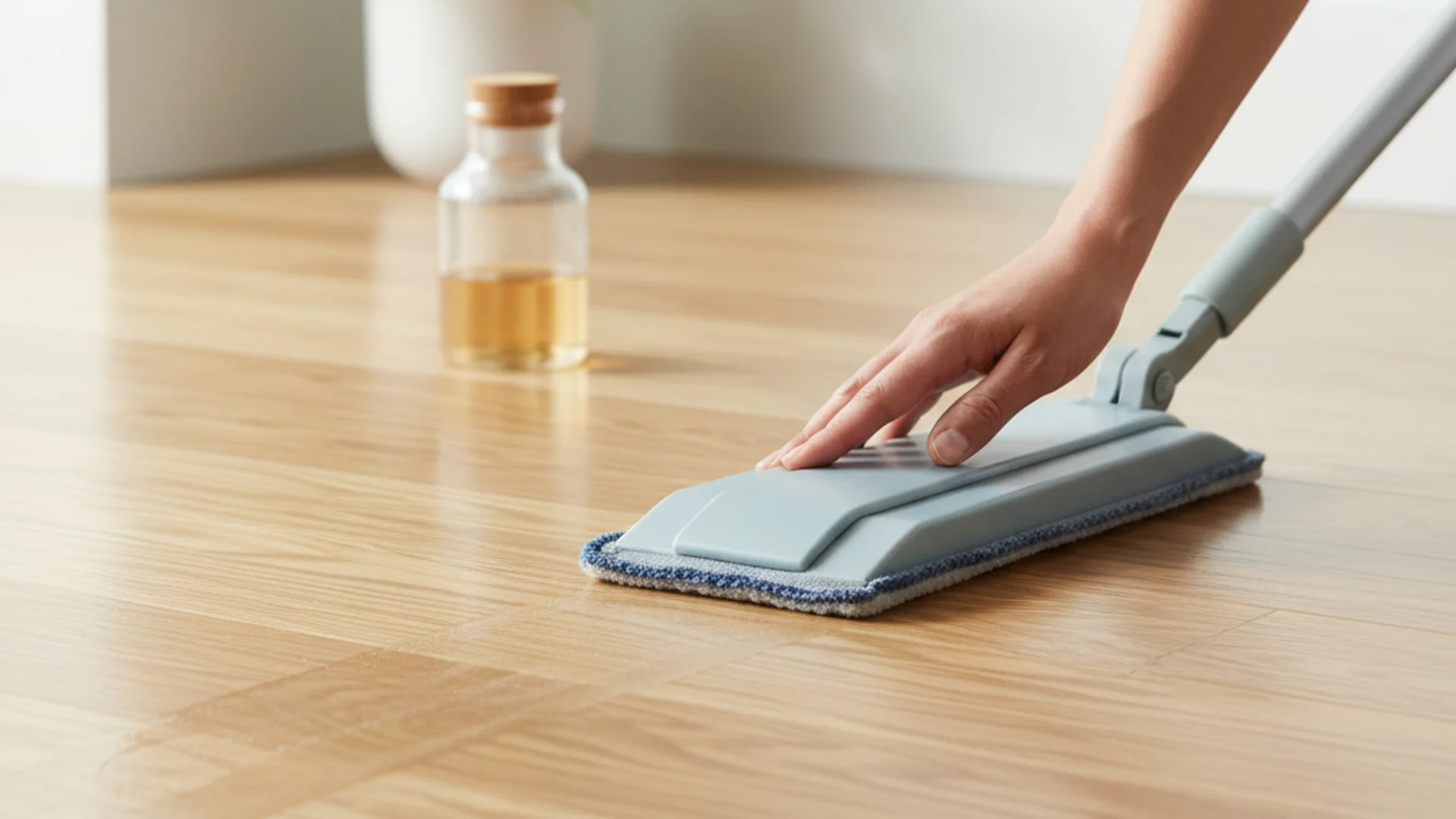
The best way clean engineered hardwood daily is with a high-quality microfiber dust mop. Microfiber uses static electricity to "grab" dust rather than just pushing it around. Unlike traditional brooms, which can have stiff bristles that scratch the wood, microfiber is soft and non-abrasive.
Step 2: Vacuuming (With Caution)
If you prefer vacuuming, ensure your vacuum has a "hard floor" setting.
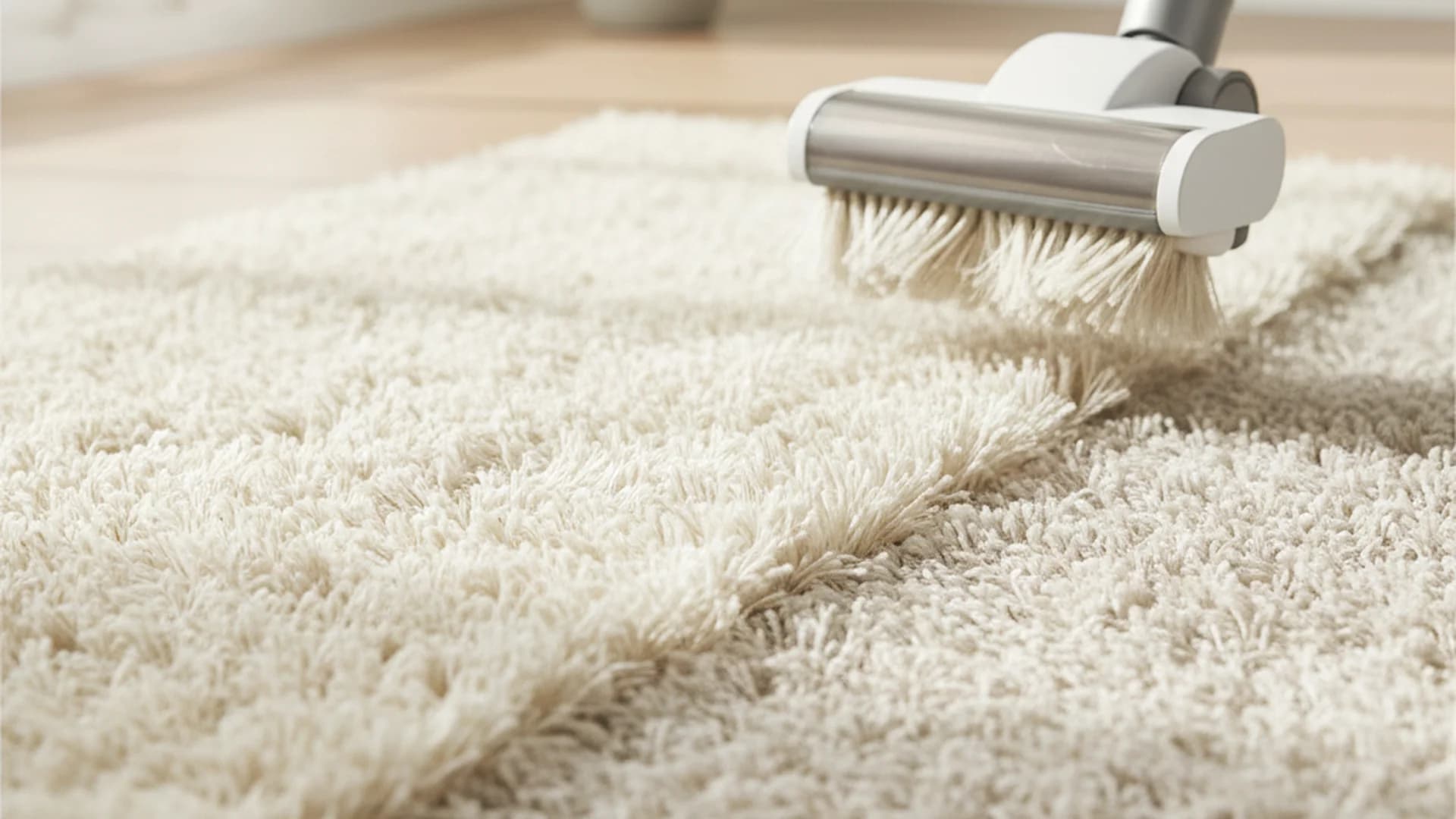
Warning: Never use a vacuum with a rotating beater bar on engineered hardwood. The stiff bristles of the brush roll are designed for carpets and will leave permanent swirl marks on your wood finish.
Deep Cleaning: The "Damp-Not-Wet" Rule
When it comes time for a deeper clean, moisture control is your top priority. While engineered wood is more stable in humid environments than solid wood, it is not waterproof.
Choosing the Right Cleaner
Always opt for a pH-neutral cleaner specifically formulated for wood. Products like Bona Hardwood Floor Cleaner or Weiman are industry favorites because they leave no residue and do not contain harsh chemicals that strip the finish.
Note: As of 2025, many homeowners are shifting toward "Eco-Labeling." Look for products with GREENGUARD Gold certification to ensure your cleaning routine isn't introducing harmful VOCs into your indoor air.
The Mopping Technique
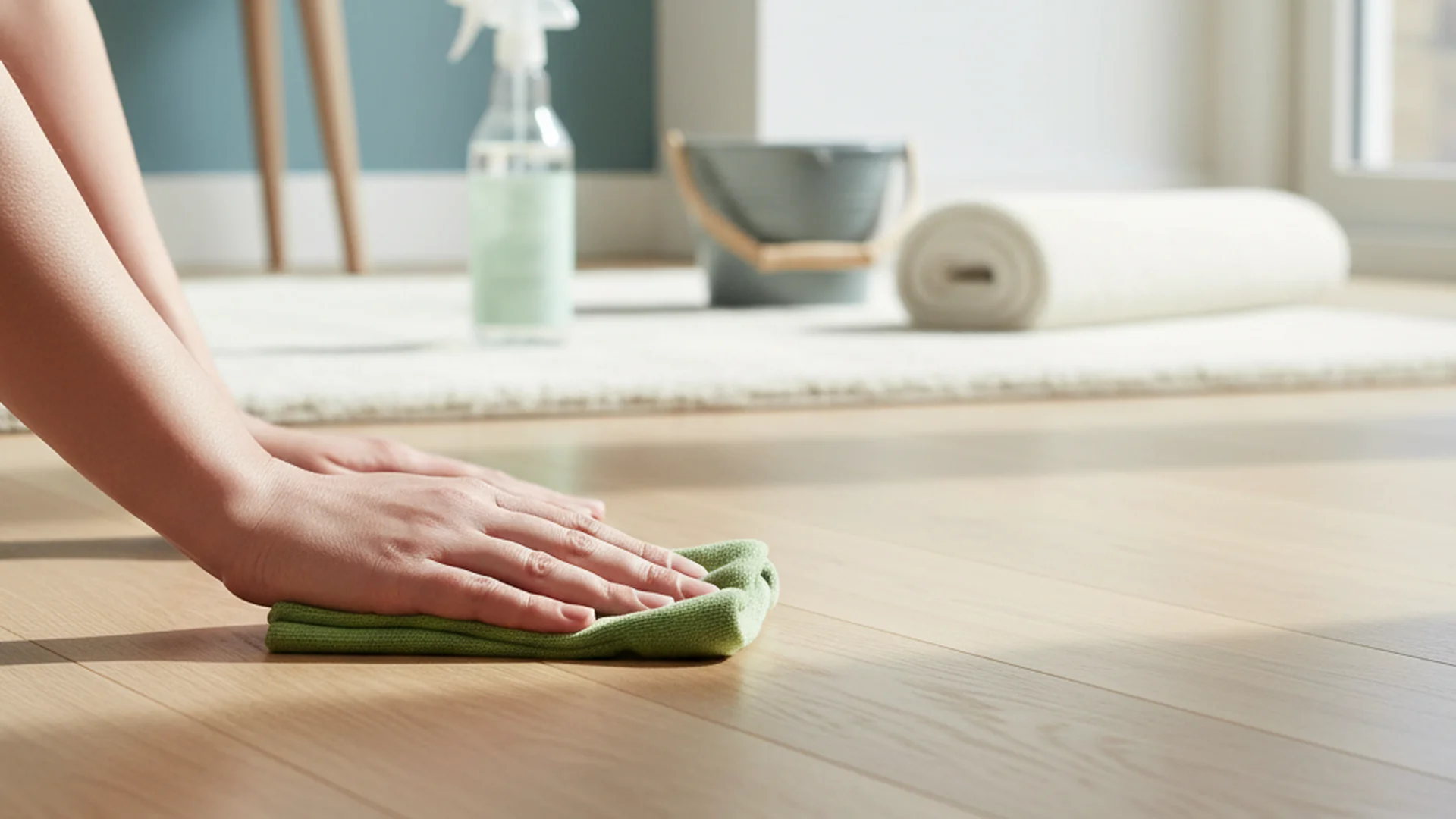
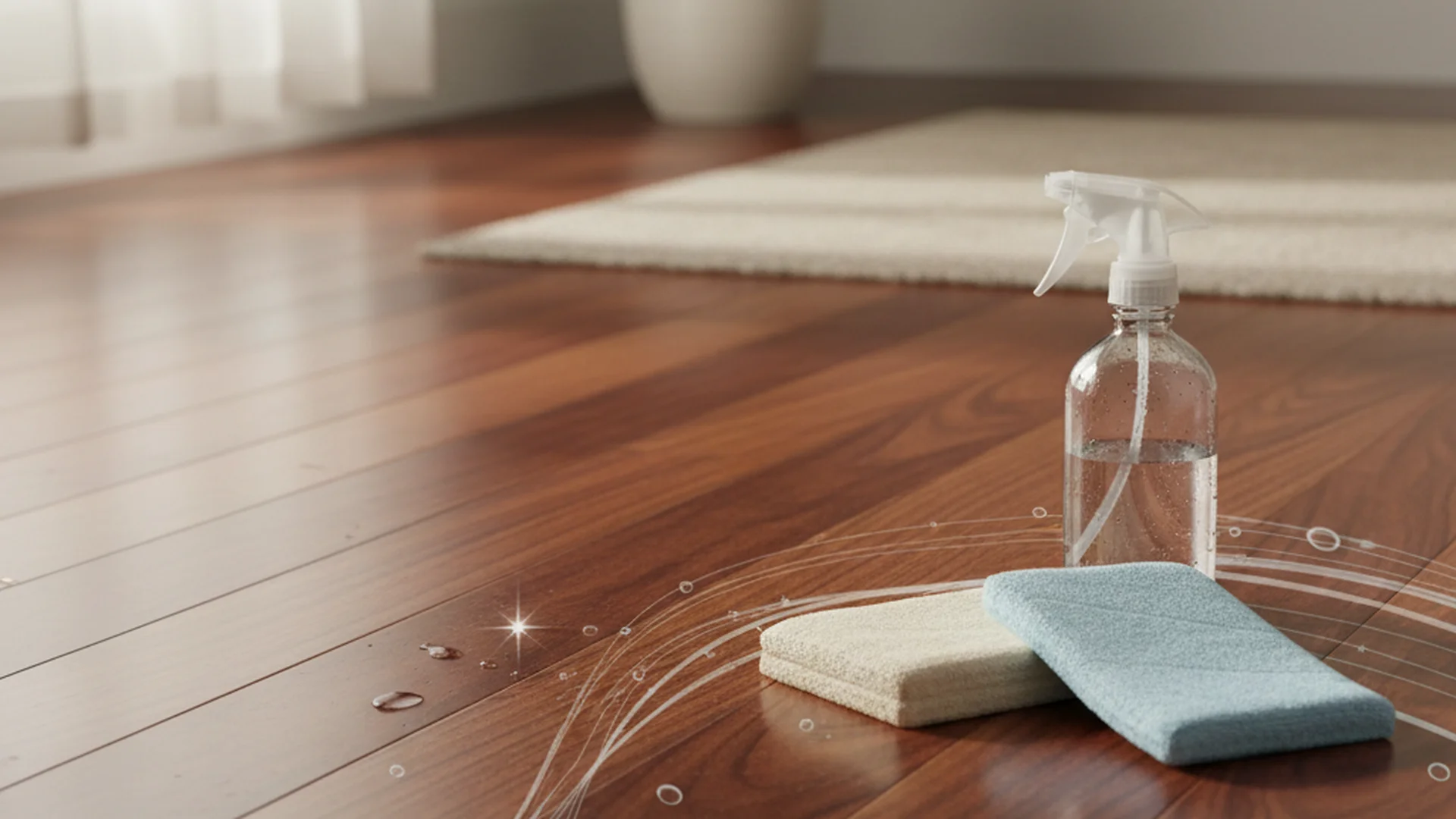
- Lightly Mist: Instead of dunking a mop into a bucket of water, use a spray bottle to lightly mist a microfiber pad.
- The Two-Minute Rule: Your floors should be dry within 60 to 120 seconds of mopping. If the floor remains wet longer than two minutes, you are using too much liquid.
- Spray the Pad, Not the Floor: Spraying cleaner directly onto the floor allows liquid to pool in the tiny gaps between planks, which can lead to core swelling.
How to Clean Engineered Hardwood Naturally
Many homeowners prefer to avoid commercial chemicals. You can clean engineered hardwood naturally using a simple DIY solution, provided it is used sparingly.
Natural Cleaning Recipe:
- 1 gallon of warm (not hot) water
- 1 cup of white distilled vinegar
- 1 drop of mild dish soap
While vinegar is a popular natural cleaner, its acidity can eventually break down the protective polyurethane seal if used daily. Reserve this method for once-a-month deep cleaning to remove any potential buildup.
Tip: For an extra boost of freshness, add two drops of lemon essential oil to your DIY mixture. It provides a natural scent without the "waxy" residue found in synthetic fragrances.
Real-World Examples: Handling Common Messes
Example 1: The Kitchen Coffee Spill
You drop a full mug of coffee on your matte-finish engineered wood.
- The Fix: Immediately blot (do not wipe) the liquid with a paper towel. Once the bulk is gone, use a damp microfiber cloth with a pH-neutral cleaner to remove the stickiness. Since matte finishes are the 2026 trend, they hide the spill well, but the acidity in coffee can stain if left to sit.
Example 2: Muddy Paw Prints
Your dog runs in from the rain, leaving muddy tracks across the entryway.
- The Fix: Let the mud dry slightly. It sounds counterintuitive, but wiping wet mud smears it into the grain. Once it is "tacky," vacuum it up with the beater bar off, then follow up with a damp microfiber mop.
Example 3: The "Mystery" Sticky Residue
You find a sticky patch from a child's sticker or dropped fruit.
- The Fix: Avoid using "Goo Gone" or heavy solvents. Instead, place a slightly damp, warm cloth over the spot for 30 seconds to soften the residue, then gently rub it away with a dry microfiber cloth.
Common Mistakes to Avoid
Even with the best intentions, it is easy to ruin an engineered floor. Avoid these common pitfalls:
- Using Steam Mops: Steam mops are the #1 cause of voided warranties. The high-pressure steam forces moisture deep into the HDF core, causing permanent warping and delamination.
- Oil Soaps and Waxes: Products like Murphy’s Oil Soap leave a greasy film. This film attracts more dirt and makes it impossible to apply a fresh coat of finish in the future without a full, deep sanding.
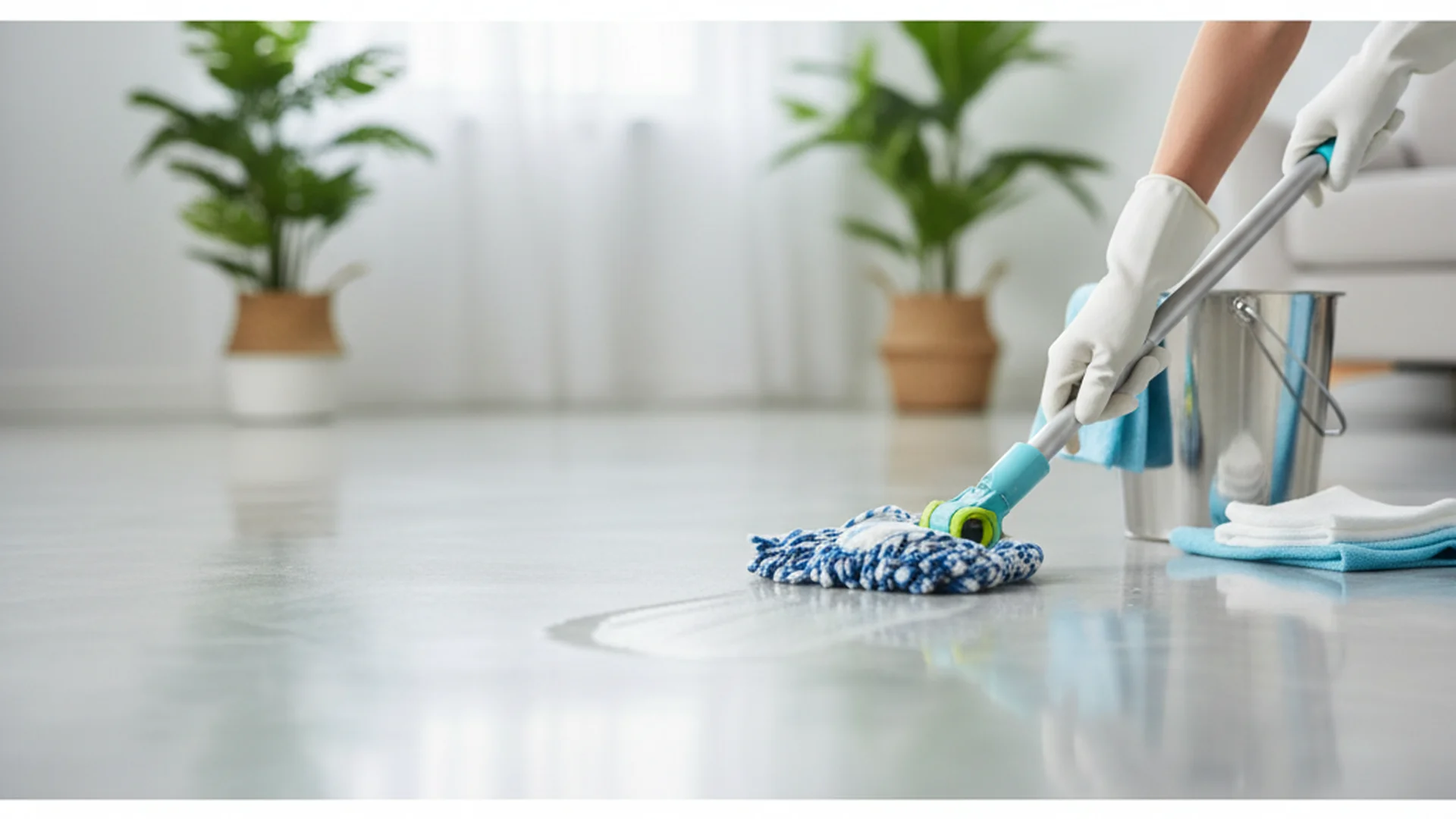
- Wet Mopping: A "sopping wet" mop is a death sentence for engineered wood. Always wring your mop until it is only slightly damp.
- Abrasive Tools: Never use steel wool or "magic eraser" sponges on wood. They contain micro-abrasives that will strip the sheen right off your floor.
2025-2026 Trends in Floor Care
The world of floor maintenance is evolving. Here is what is trending in the industry:
| Trend | Benefit |
|---|---|
| Matte Finishes | Better at hiding scratches and pet hair than high-gloss. |
| Densified Wood | New tech (like AHF Timber Legends) that makes wood 100% waterproof. |
| AI Robot Mops | New 2025 models like the Roborock Saros 10R use "low-moisture" precision. |
| Plant-Based Cleaners | High demand for VOC-free, scent-free wood cleaners. |
Frequently Asked Questions
Can I use a robot mop on engineered hardwood?
Is it okay to use a Swiffer?
Can engineered hardwood be sanded and refinished?
Will sunlight damage my floors?
Conclusion
Cleaning engineered hardwood doesn't have to be a source of stress. By focusing on grit removal through daily dusting and adhering to the "damp-not-wet" rule for mopping, you can maintain the luster of your floors for decades. Avoid the allure of steam mops and harsh chemicals, and stick to pH-neutral, wood-specific solutions.
Success: Consistent, gentle maintenance will keep your engineered hardwood looking brand new, preserving both the beauty of your home and the value of your investment.
Cleaning that keeps score
Every task earns points, every streak multiplies them, and Premium adds a household leaderboard plus a monthly Dustagorgon to beat.
- Free forever
- 30 badges to earn
- Up to 6 in a household
No card needed. Set up your rooms in a couple of minutes.