In this article
What you’ll learn
- Dry cleaning is more important than wet mopping for oak longevity.
- Avoid vinegar and steam mops to prevent finish degradation and warping.
- Maintain humidity between 30% and 50% to prevent wood gapping.
Oak flooring is often described as the "gold standard" of home design. Whether you have the warm, reddish hues of Red Oak or the trendy, neutral tones of White Oak, these floors represent a significant investment in your home’s value and aesthetic. However, knowing how to clean oak floors correctly is the difference between a surface that lasts 100 years and one that requires a costly full sand-and-refinish after just a decade.
As we move into 2025 and 2026, homeowners are shifting away from harsh chemicals and high-gloss finishes toward more organic, matte textures. This guide will walk you through the best way to clean oak floors using modern techniques, expert-approved tools, and safe, natural alternatives that protect your home’s character.
Why Oak Floors Require Special Care
Before grabbing a bucket and mop, it is essential to understand what makes oak unique. Approximately 66% of National Wood Flooring Association (NWFA) members report a massive surge in demand for natural, clear-finished white oak heading into 2025. This popularity is due to oak's impressive Janka Hardness rating—1290 for Red Oak and 1360 for White Oak—making it highly resistant to dents.
However, while oak is hard, its finish is vulnerable. Modern oak floors are typically sealed with polyurethane or oil-based finishes. When you clean, you aren't just cleaning the wood; you are maintaining that protective barrier.
Note: Properly maintained oak floors can increase your home's resale value by 1% to 10% compared to homes with carpet or laminate.
The Professional 4-Step Cleaning Sequence
To keep your floors pristine, follow this sequence used by professional cleaning services. This method minimizes the risk of micro-scratches and water damage.
1. The Dry Prep (Crucial Step)
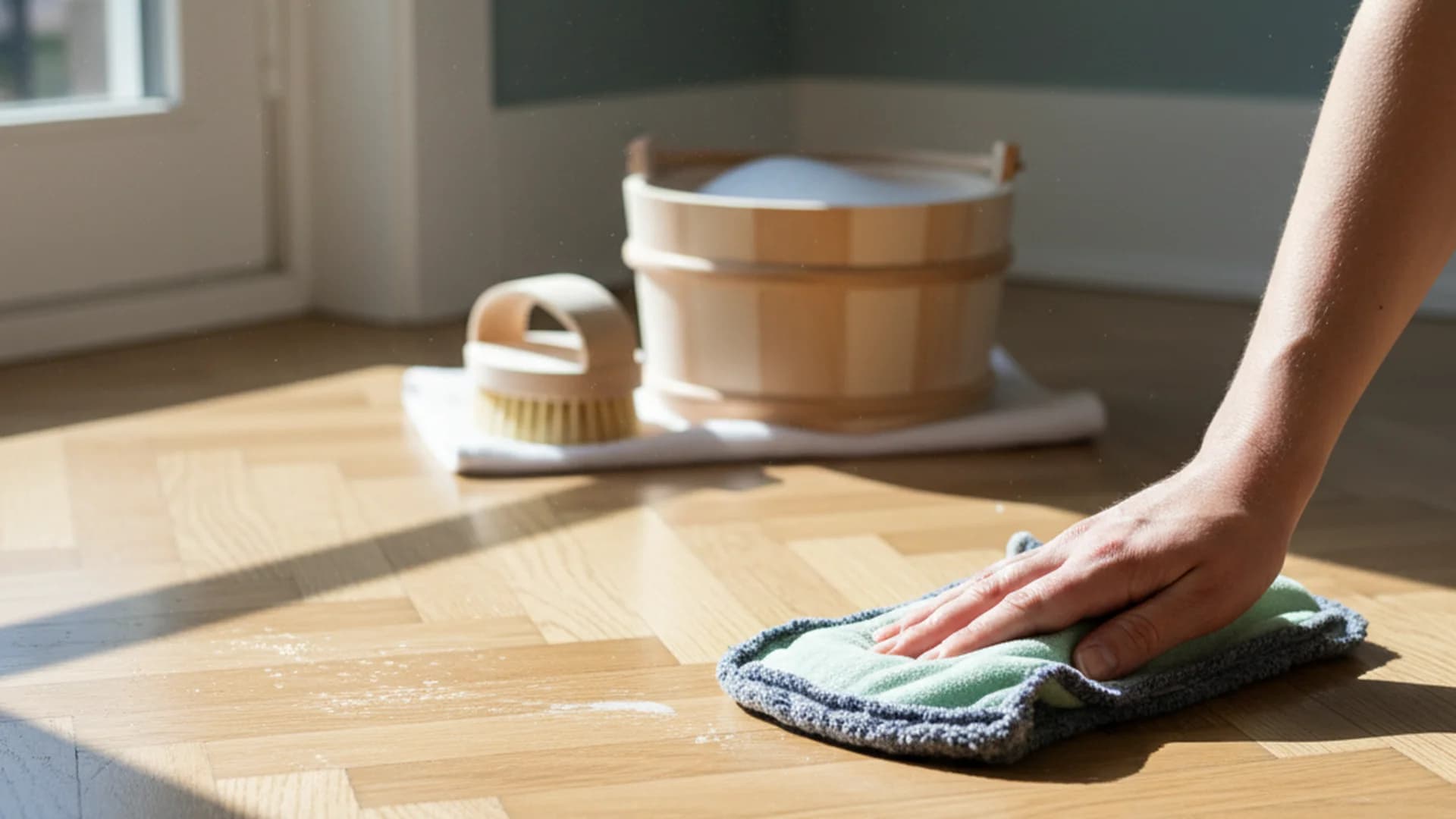
The most common mistake homeowners make is mopping a floor that still has loose grit on it. Dust and dirt act like sandpaper; if you move them around with a damp mop, you create microscopic scratches that dull the finish over time.
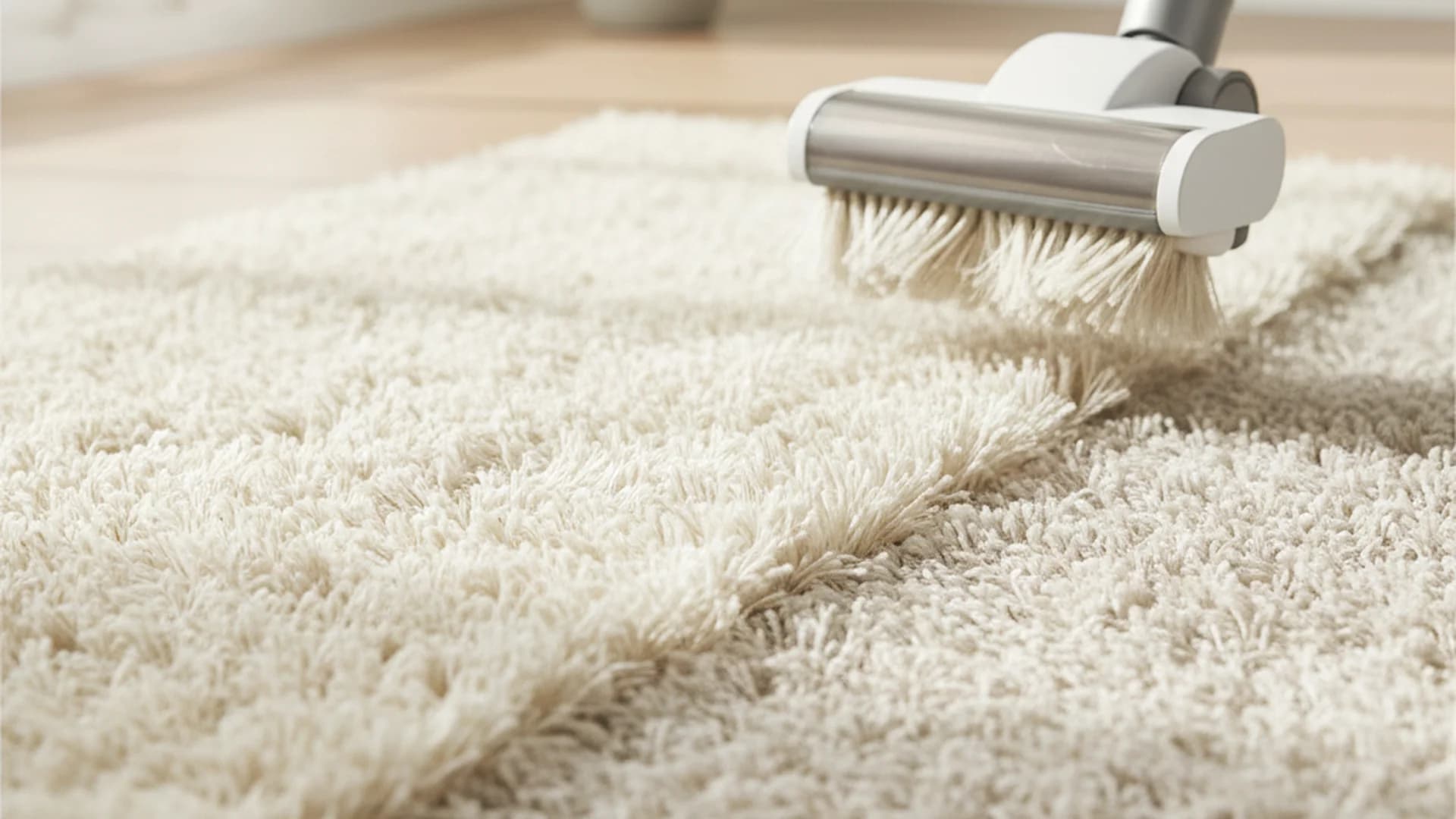
- Action: Use a vacuum with a "hard floor" setting (ensure the beater bar is turned off) or a microfiber dust mop daily.
- Pro Tip: Pay special attention to corners where "dust bunnies" accumulate and can hold moisture against the wood.
2. Choose the Right Cleaner
The best way to clean oak floors involves using a pH-neutral cleaner. Avoid "all-purpose" cleaners that contain ammonia, bleach, or high concentrations of citrus, as these can strip the finish.
| Cleaner Type | Recommendation | Why? |
|---|---|---|
| pH-Neutral | Highly Recommended | Maintains the integrity of the polyurethane seal. |
| Vinegar/Water | Use with Caution | Too acidic; can dull the floor over time. |
| Oil Soaps | Avoid | Leaves a sticky residue that attracts more dirt. |
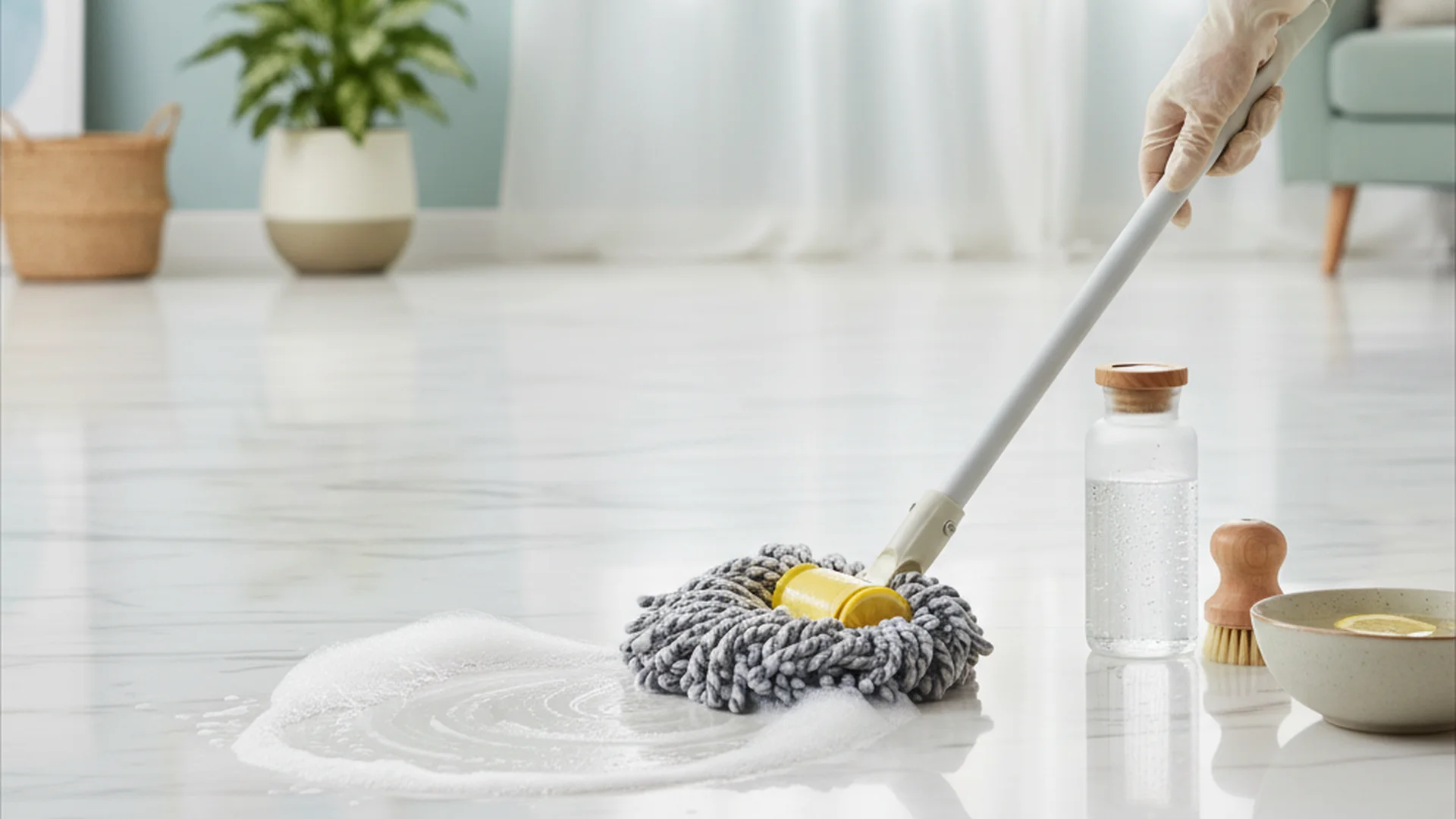
3. The "Damp, Not Wet" Rule
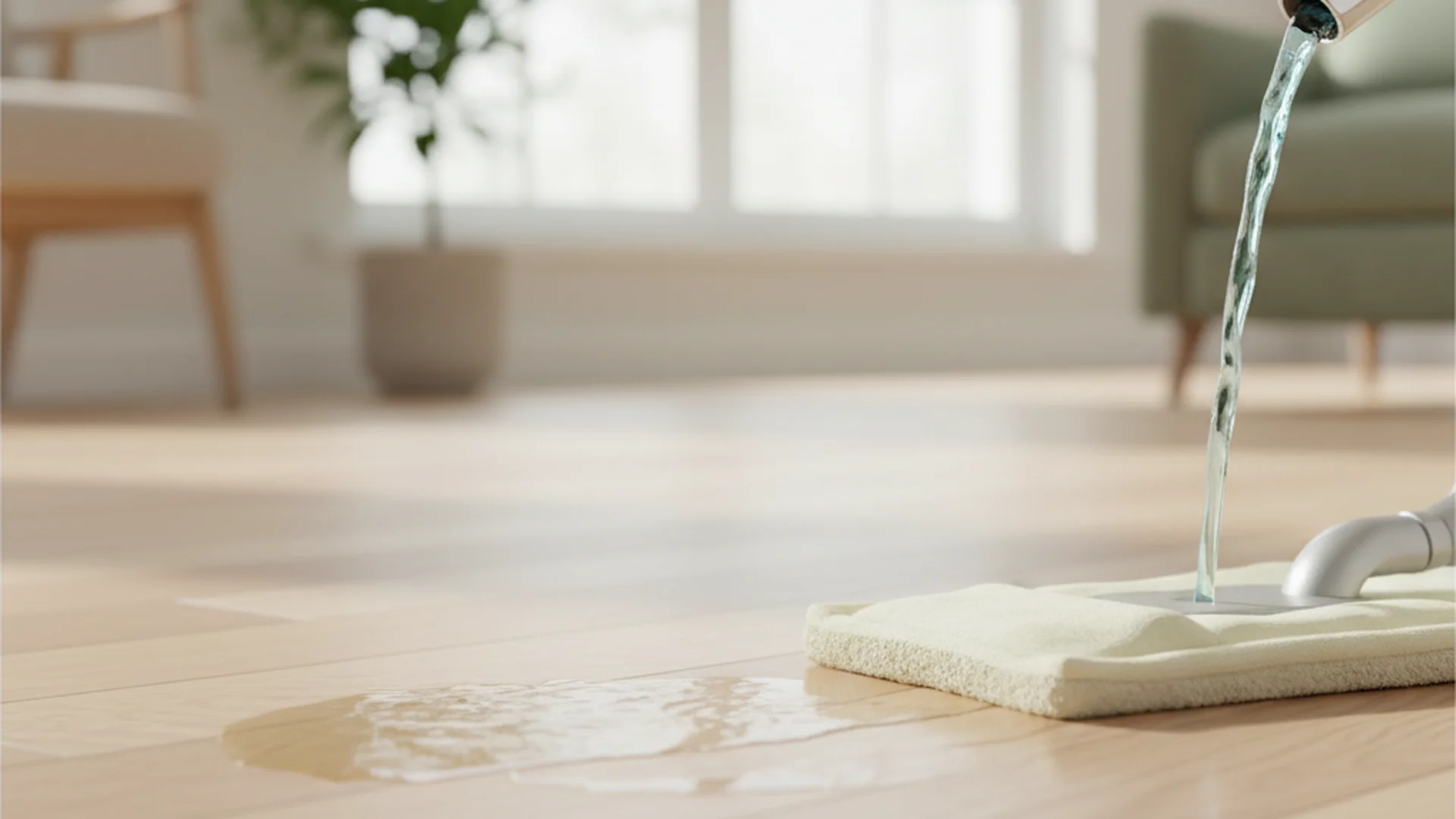
Oak is a porous material. Even though it is sealed, excessive water can seep into the seams between planks, causing them to "cup" or "crown."
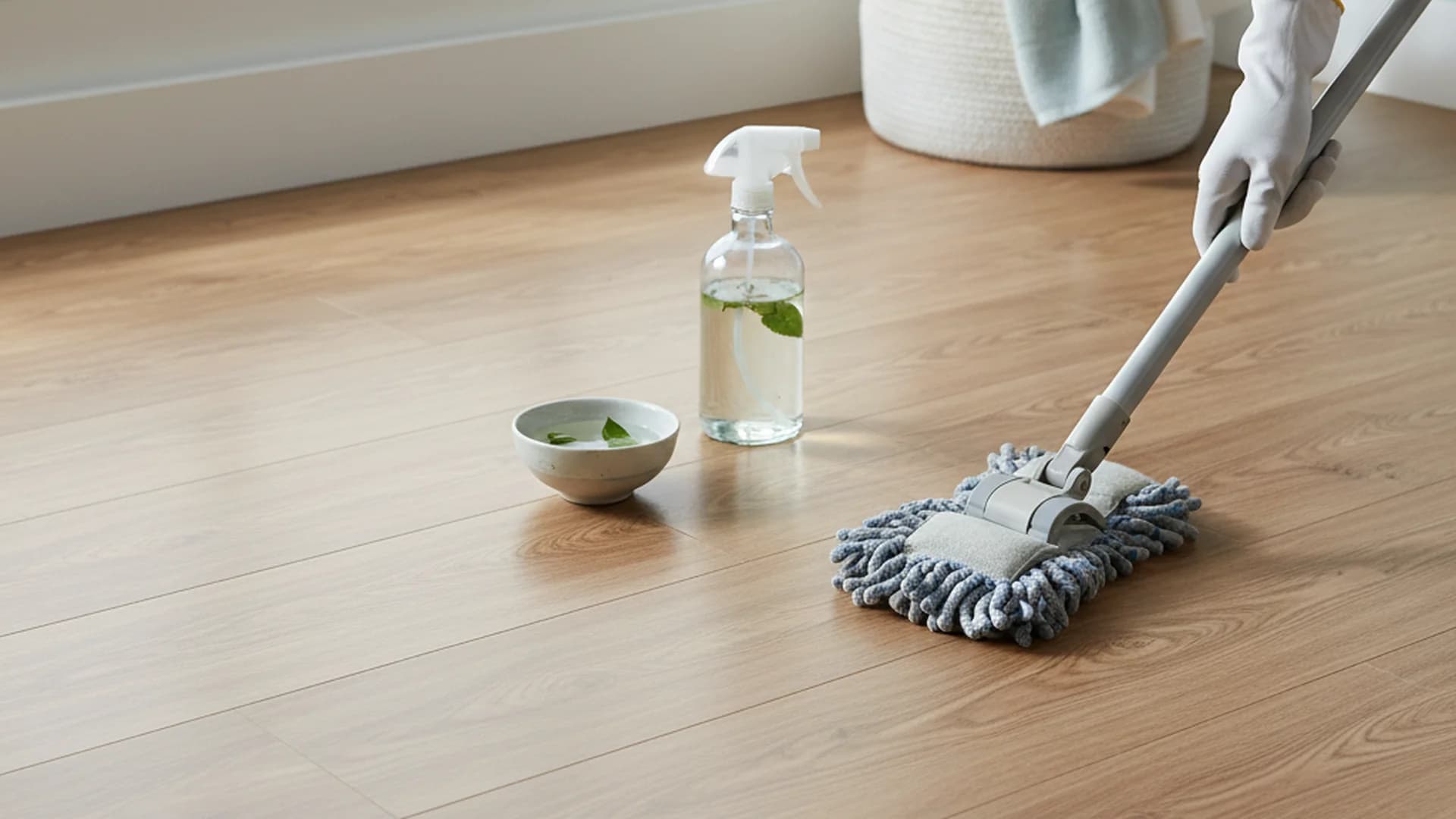
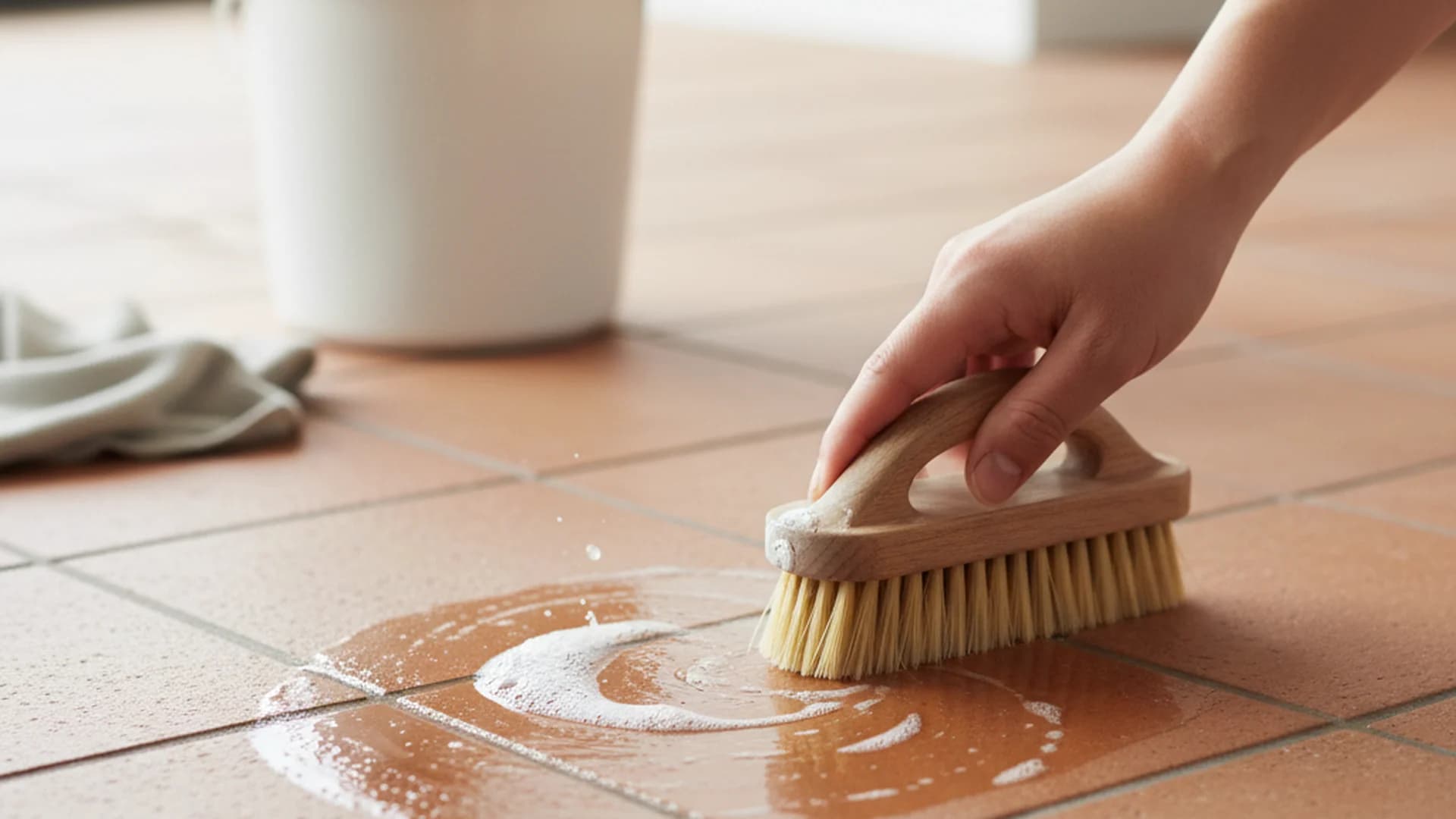
- Action: Use a spray-mop system (like Bona or O-Cedar) or a microfiber mop that has been thoroughly wrung out. You should never see standing water or "puddles" on the floor.
- Example: Imagine you are cleaning a mirror; you want enough moisture to lift the dirt, but not enough to leave streaks or drips.
4. Clean with the Grain
Always move your mop in the direction of the wood grain. This helps lift dirt from the natural texture of the oak and prevents visible streaks when the floor dries.
Tip: If you have a herringbone or chevron layout, which are resurfacing trends for 2026, you will need to change directions frequently to follow the intersecting grains.
How to Clean Oak Floors Naturally
Many homeowners want to clean oak floors naturally to avoid synthetic chemicals. While the "green" cleaning market is expected to account for 30% of the industry by the end of 2025, you must be careful with DIY recipes.
The Diluted Vinegar Method
If you must use vinegar, it has to be highly diluted. Mix one part white vinegar to 10 parts warm water.
Warning: Frequent use of vinegar can break down the protective finish due to its low pH (2–3). Only use this method occasionally for heavy grime.
The Castile Soap Solution
A safer natural alternative is a few drops of plant-based Castile soap in a gallon of warm water. It provides enough "slip" to lift oils without the acidic risks of vinegar or lemon juice.
2025-2026 Flooring Trends: Matte and Blonde Oak
We are seeing a major shift in how oak is finished. The "cool gray" trend of the early 2020s is over. In 2026, color palettes are favoring honey, amber, and light "Scandinavian" blonde oak tones.
These lighter, matte finishes are excellent at hiding pet hair and scratches, but they require a "less is more" cleaning approach. High-gloss cleaners or waxes will ruin the matte aesthetic. Additionally, the rise of "smart" robot mops, like the Roborock S-series, now allows for AI-precision cleaning where the device detects the wood and automatically limits water flow to prevent moisture damage.
Common Mistakes to Avoid
Even well-intentioned cleaning can ruin an oak floor if you aren't careful. Avoid these four common pitfalls:
- Using Steam Mops: Steam mops force heat and moisture into the wood's pores. This can cause the wood to warp, peel, or turn gray.
- Using Oil Soaps: Products like Murphy’s Oil Soap "nourish" the wood in theory, but in reality, they leave a film. This film makes it impossible to "screen and recoat" your floors later, forcing you to do a full, expensive sand-down.
- Ignoring Humidity: Wood is a living material. If your home is too dry, oak will shrink and gap; if it’s too humid, it will swell. Keep your indoor humidity between 30% and 50%.
- Walking in High Heels: A person in stilettos can exert over 2,000 PSI. This is enough to dent solid oak, regardless of the finish.
Success: Implementing a "shoes-off" policy at the front door can reduce the amount of floor cleaning required by up to 50%.
Frequently Asked Questions
Can I use vinegar to clean my oak floors?
How often should I mop?
Are steam mops safe for oak floors?
How do I get dog urine out of oak?
Real-World Cleaning Scenarios
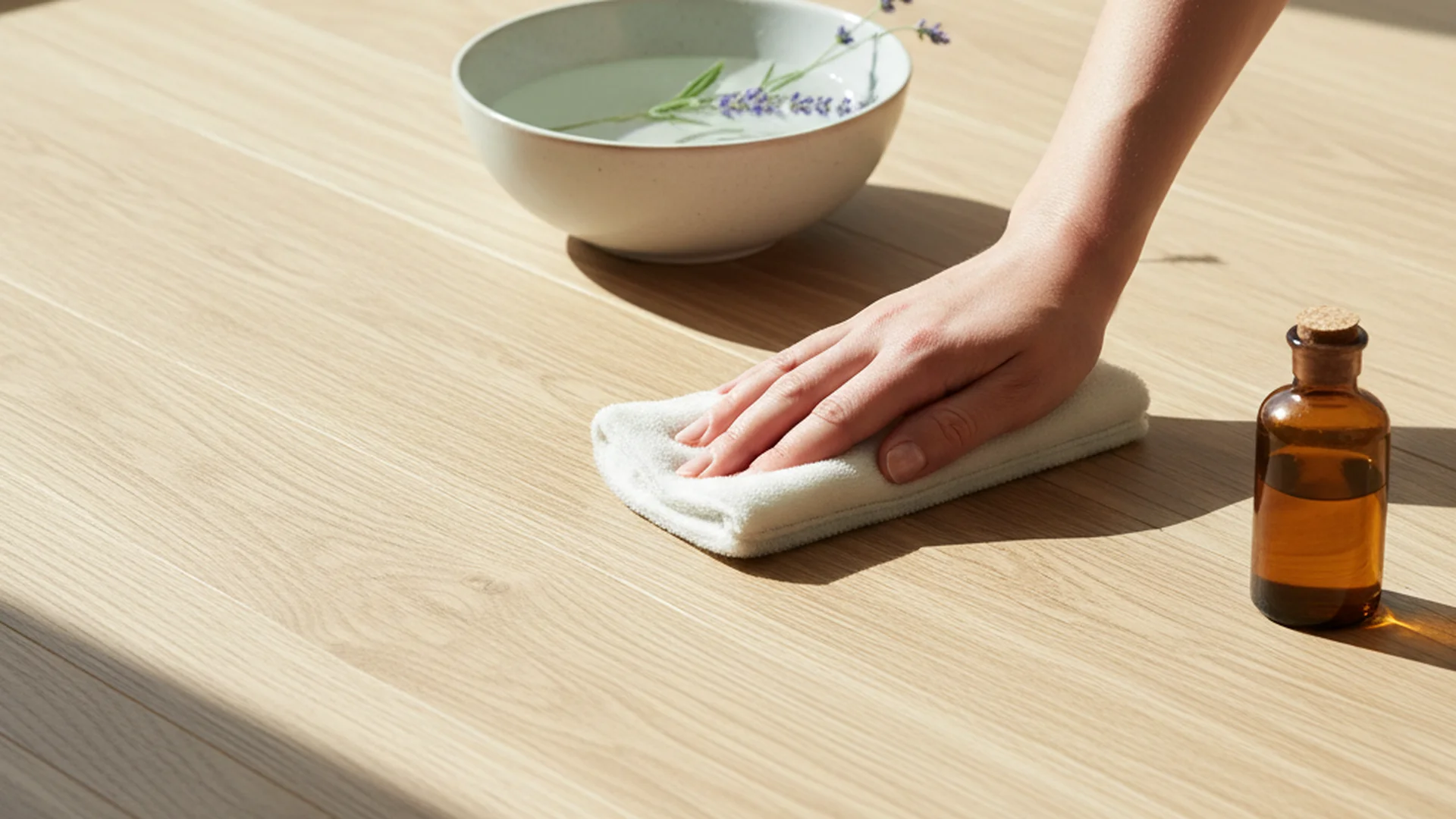
- The Muddy Paw Print: Don't scrub. Let the mud dry slightly, vacuum up the solids, and then use a damp microfiber cloth with a pH-neutral cleaner to lift the remaining pigment.
- The Kitchen Sink Splash: Keep a small rug or "landing mat" in front of the sink. Oak floors in kitchens are prone to water damage near the dishwasher and sink area.
- The Holiday Party: If someone spills wine, blot (don't rub) with a paper towel. Follow up with a wood-safe spray cleaner immediately to prevent the liquid from penetrating the grain.
Conclusion
Cleaning oak floors doesn't have to be a daunting task. By focusing on dry preparation, using pH-neutral cleaners, and avoiding excessive moisture, you can ensure your floors remain a stunning focal point of your home for decades. Remember, the goal is to protect the finish so it can protect the wood.
Cleaning that keeps score
Every task earns points, every streak multiplies them, and Premium adds a household leaderboard plus a monthly Dustagorgon to beat.
- Free forever
- 30 badges to earn
- Up to 6 in a household
No card needed. Set up your rooms in a couple of minutes.