In this article
What you’ll learn
- Never use acidic cleaners like vinegar or lemon on marble surfaces.
- Daily dry dusting is essential to prevent micro-scratches from grit.
- Use pH-neutral cleaners and distilled water for a streak-free finish.
Marble has long been the gold standard for luxury and elegance in interior design. However, owning these stunning surfaces comes with a unique set of responsibilities. If you are wondering how to clean marble floors effectively while preserving their mirror-like shine, you must understand that marble is not just "hard rock"—it is a sensitive, porous material that requires a specialized touch to avoid permanent damage.
The Science of Marble: Why Traditional Cleaning Fails
To master the best way clean marble floors, you first need to understand what you are working with. Unlike granite, which is volcanic and incredibly durable, marble is a metamorphic rock composed primarily of calcium carbonate. This chemical composition makes it extremely sensitive to acids.
In my years as a professional cleaning consultant, I have seen countless homeowners ruin five-figure installations because they applied "common sense" cleaning logic to a stone that behaves more like a hard sponge. When an acid—even a mild one—touches marble, a chemical reaction occurs that dissolves the surface of the stone. This results in "etching," which looks like dull, cloudy spots that no amount of scrubbing can remove.
The Daily Maintenance: The "Grit Guard" Routine
The most overlooked aspect of marble care is daily debris management. Because marble is relatively "soft," tiny grains of sand or dirt tracked in from outside act like sandpaper under your feet.
Dry Dusting
Use a clean, dry microfiber dust mop every single day. Avoid treated dust mops that contain oils, as these can seep into the pores of the stone and cause discoloration.
Immediate Spill Response
Marble is porous, meaning liquids can seep deep into the stone if left to sit.
- Example 1: Imagine a dinner party where a guest spills a glass of red wine. If you wipe it with a traditional cloth, you might spread the pigment. The professional approach is to blot the spill immediately with a soft paper towel, then clean the area with a damp microfiber cloth and a drop of pH-neutral soap.
Warning: Never use a vacuum cleaner with a beater bar (the rotating brush) on marble. The stiff bristles and the plastic housing can easily chip the edges of your tiles or leave deep scratches.
The Best Way to Clean Marble Floors: A Step-by-Step Guide
For your weekly deep clean, skip the supermarket "all-purpose" sprays. Most of them are too harsh for natural stone.
Step 1: Prepare Your Solution
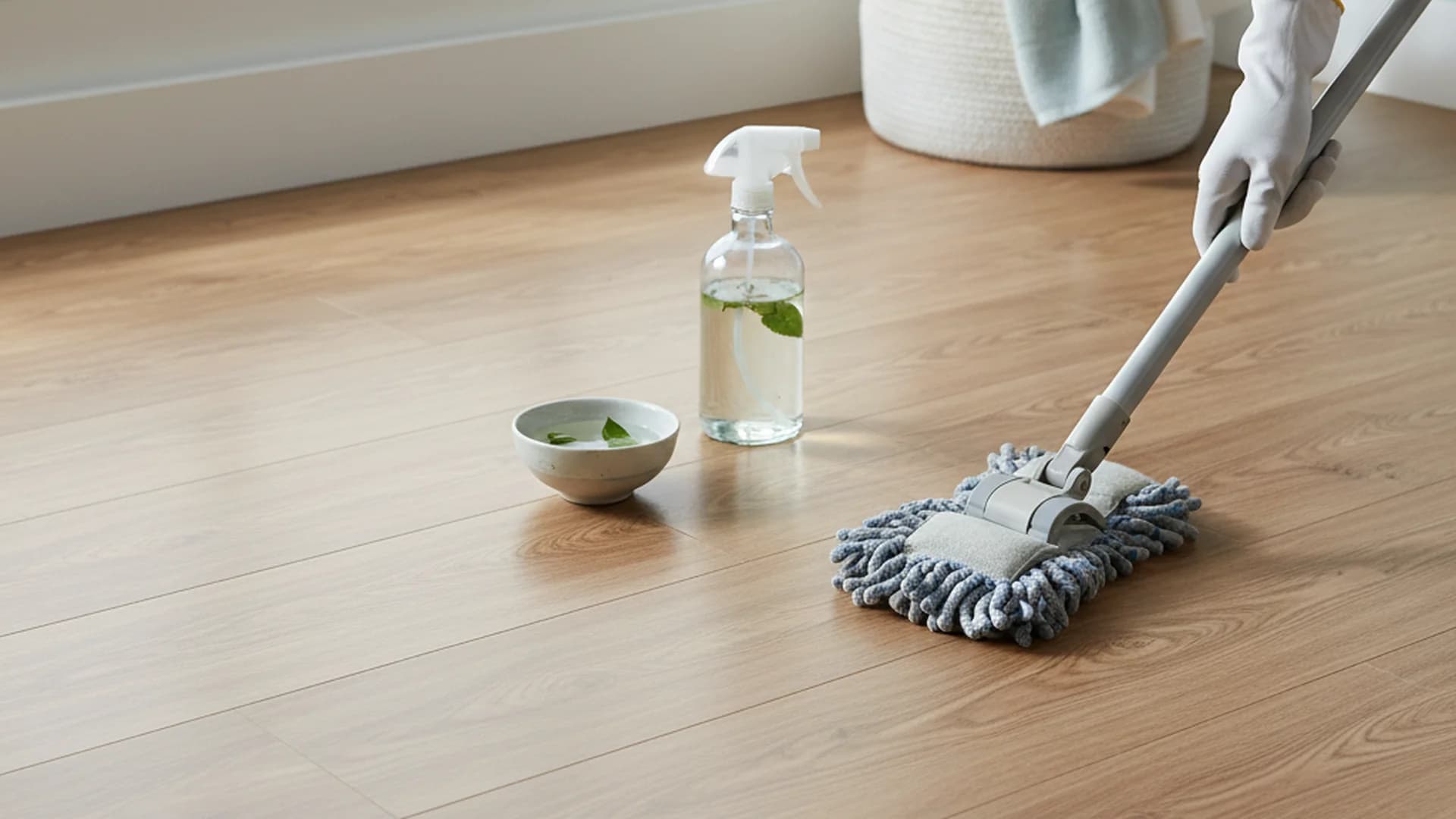
In 2025, the industry standard has shifted toward using distilled water. Tap water often contains minerals like magnesium and calcium which, ironically, can leave "ghosting" or white streaks on your shiny floor. Mix the distilled water with a few drops of a pH-neutral cleaner or a dedicated marble soap.
Step 2: The Damp Mop Technique
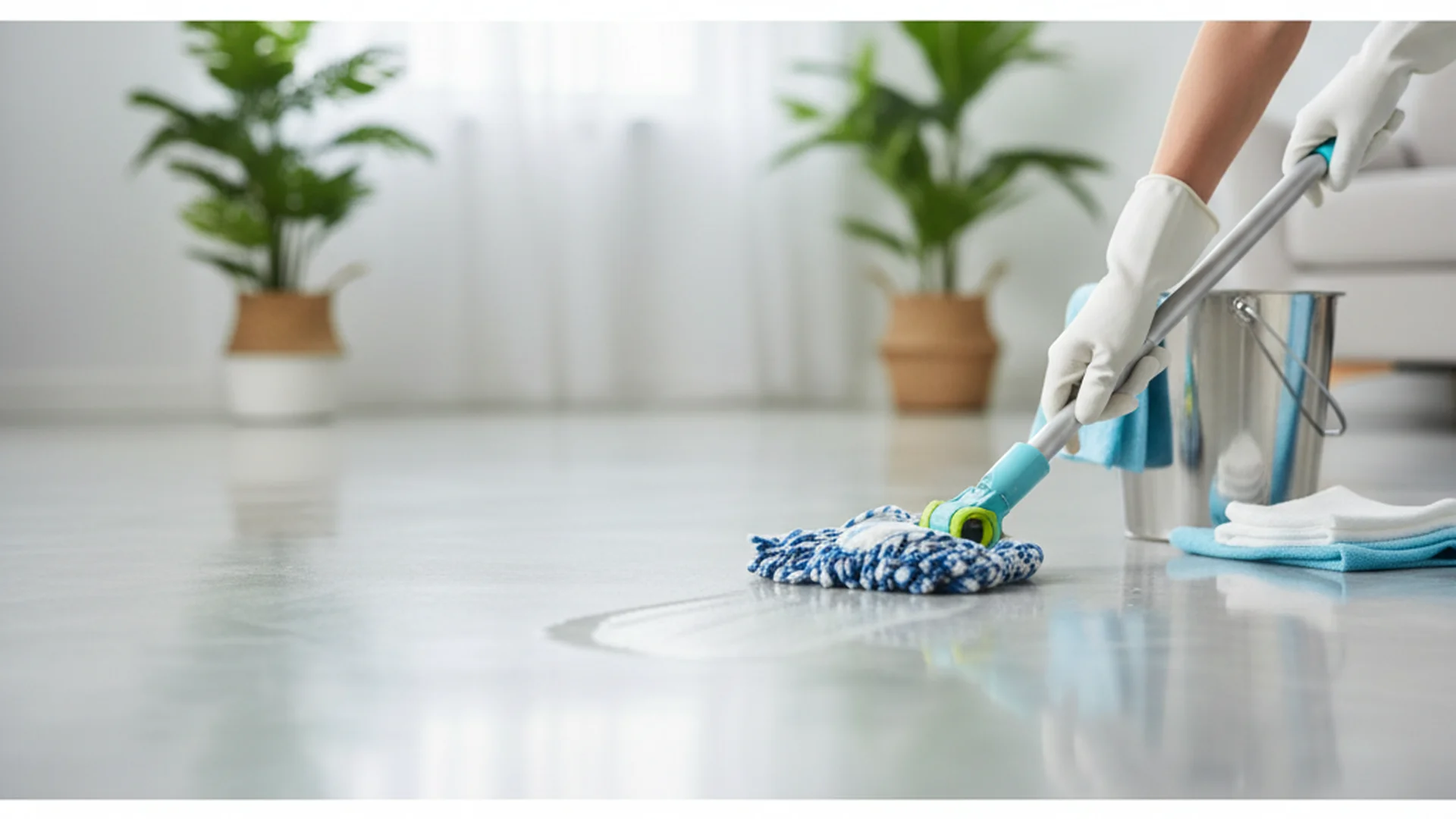
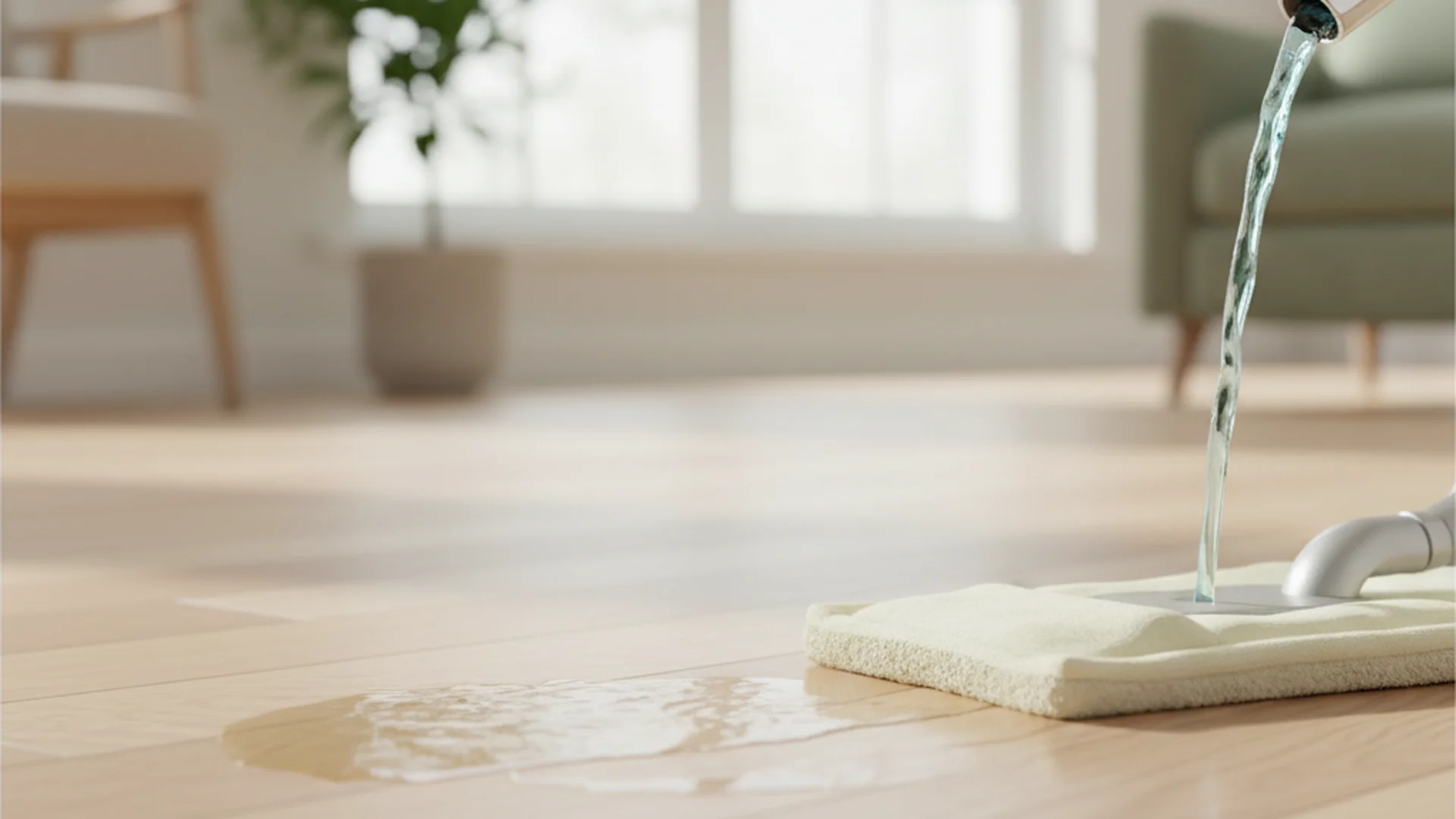
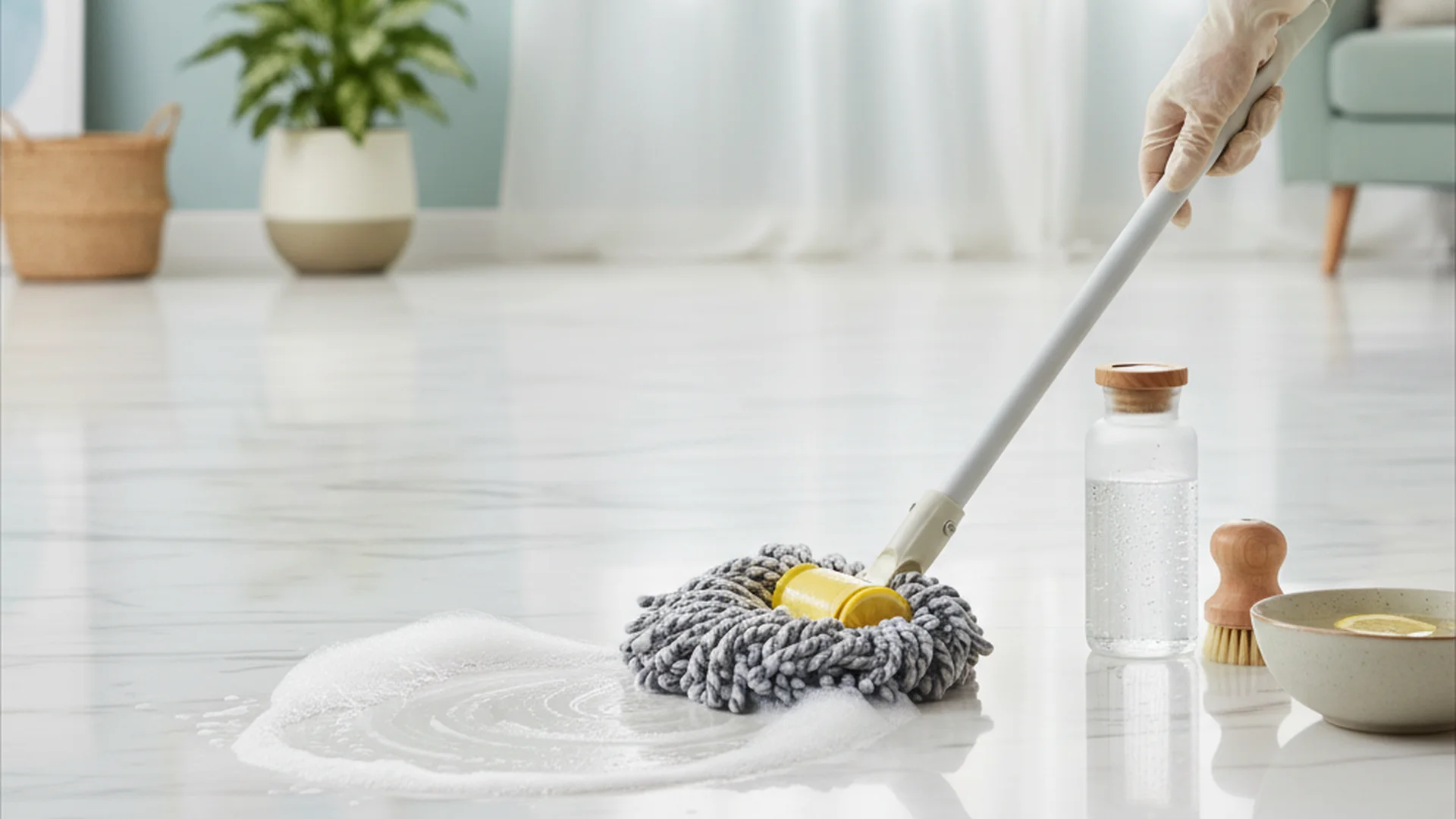
Submerge a microfiber mop in your solution and wring it out until it is only slightly damp. You should never see standing "puddles" on your marble.
Step 3: The Buffing Secret
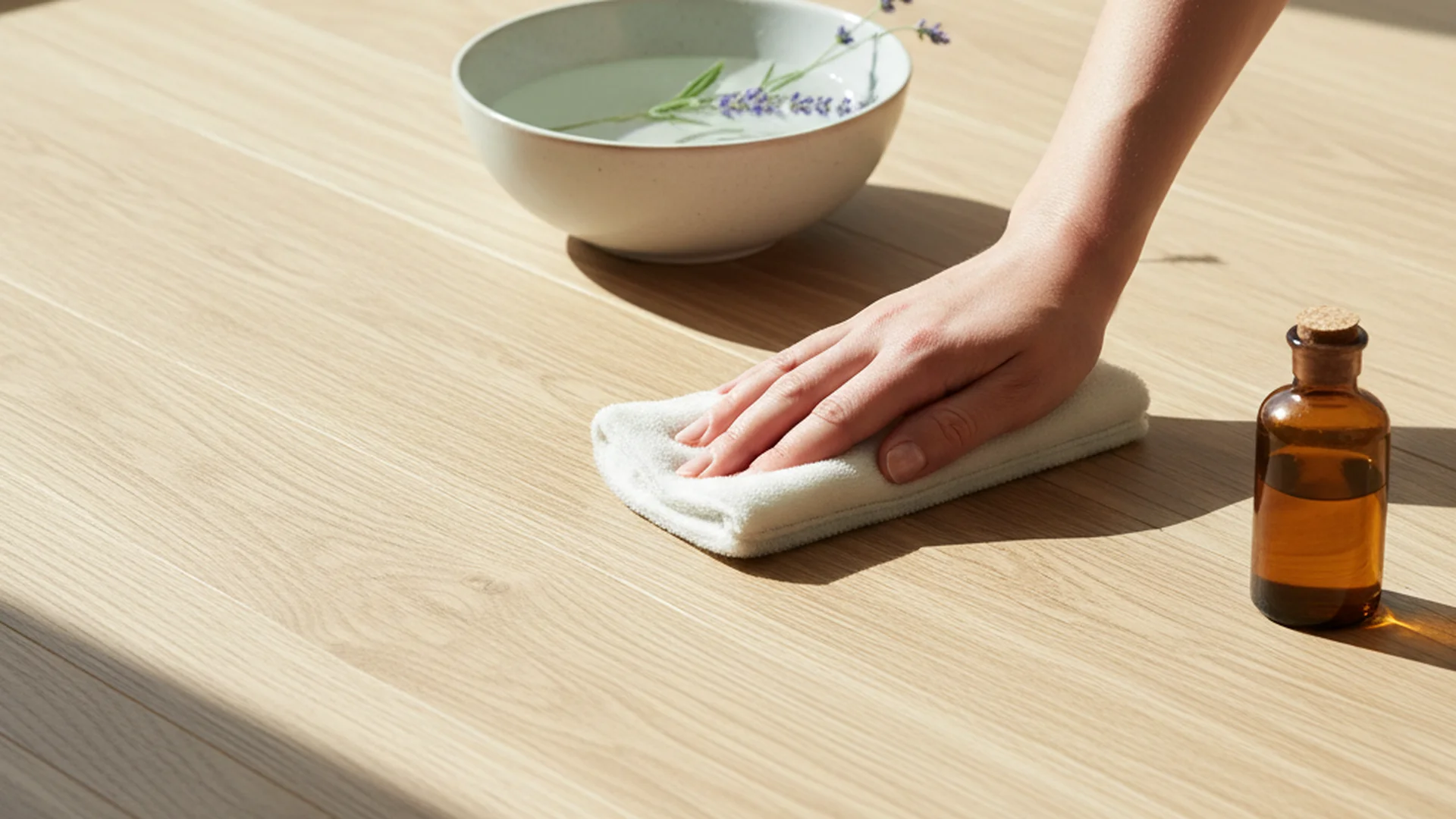
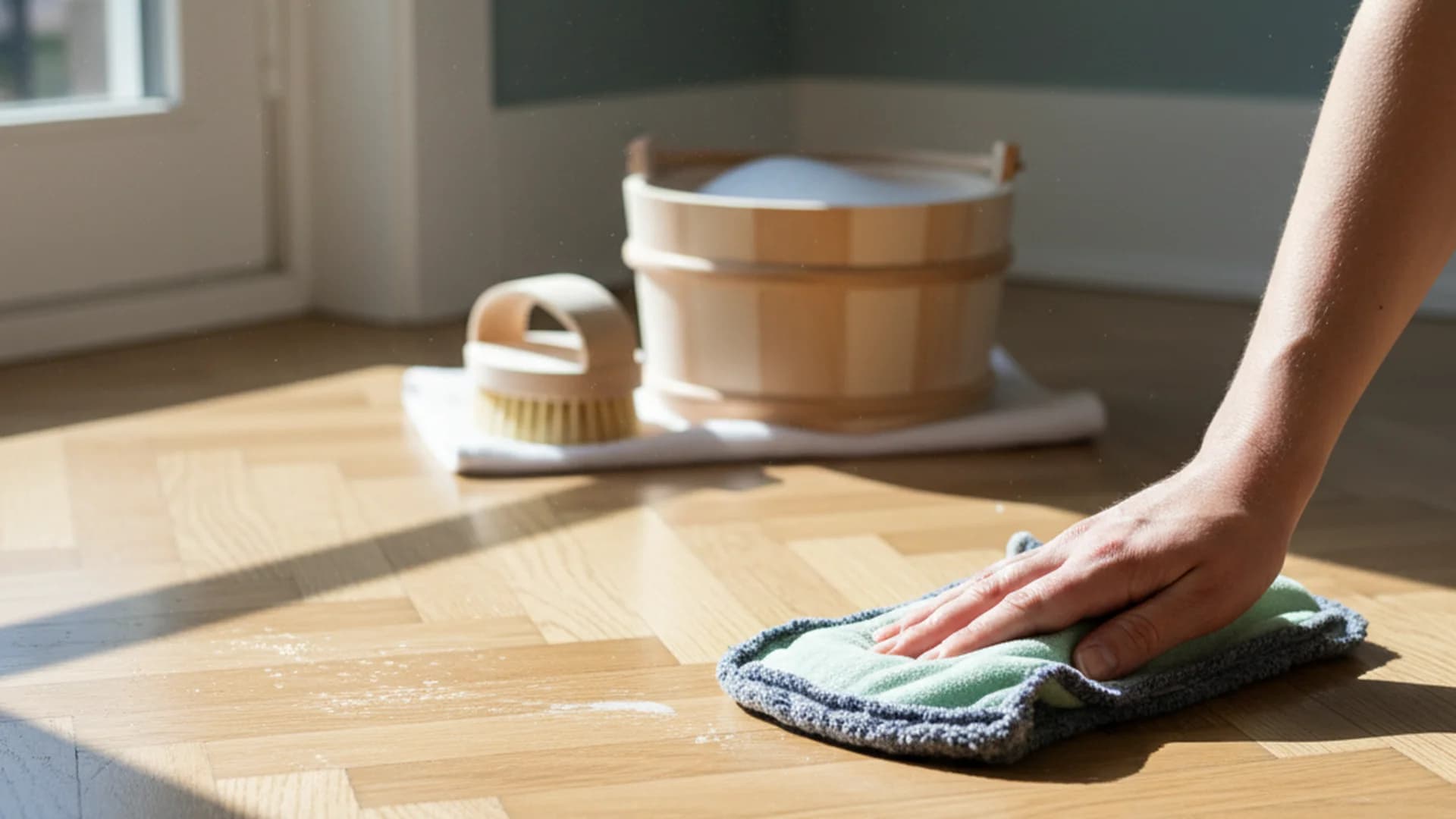
This is the step most DIYers skip. After mopping an area, go back over it immediately with a fresh, dry microfiber cloth. This prevents water spots and brings out the natural luster of the stone.
Success: Consistently buffing your floors dry after cleaning can extend the time between professional polishings by up to two years.
How to Clean Marble Floors Naturally
Many homeowners want to avoid synthetic chemicals. While you must avoid the "natural" favorites like vinegar or lemon juice, you can still clean marble floors naturally using safe, alkaline-leaning alternatives.
The Baking Soda Poultice for Oil Stains
If you have an oily stain (perhaps from a dropped piece of food in the kitchen), a "poultice" is your best friend.
- Example 2: A homeowner discovered a dark, oily patch near their kitchen island. By mixing baking soda and a little water into a paste the consistency of peanut butter, applying it to the stain, and covering it with plastic wrap for 24 hours, the baking soda literally "pulled" the oil out of the stone's pores through capillary action.
Castile Soap
Plain, unscented castile soap is an excellent natural surfactant that is gentle enough for marble. Use just one teaspoon per gallon of water to avoid leaving a soapy film.
Tip: If you are unsure if a cleaner is safe, look for the "pH 7" or "pH-Neutral" label on the bottle. Anything lower than 7 is acidic and will damage your floor.
2025–2026 Trends in Marble Maintenance
The world of stone care is evolving rapidly. Here is what is trending in the high-end residential market:
- Nano-Sealing Technology: Unlike traditional sealers that sit on top of the stone, 2025's nano-sealers penetrate at a molecular level, offering protection for up to 5 years.
- The Rise of Honed Finishes: High-gloss is being replaced by "honed" (matte) or "leathered" finishes. These are much easier to maintain because they don't show etches or scratches as clearly as polished marble.
- Laser Cleaning: For historic homes with century-old marble, professionals are now using laser technology.
- Example 3: In a recent restoration project of a 1920s estate, we used laser vaporization to remove decades of soot and grime from a marble fireplace without using a single chemical or drop of water, preserving the integrity of the antique stone.
Common Mistakes to Avoid
Even with the best intentions, it is easy to make a mistake that leads to an expensive restoration bill.
| Mistake | Consequence | Correct Action |
|---|---|---|
| Using a Steam Mop | Moisture forced into pores, grout cracking | Use a damp microfiber mop |
| Using "Magic" Sponges | Micro-abrasions that dull the finish | Use soft microfiber cloths only |
| Skipping the Sealer | Deep, permanent staining | Seal every 6-12 months |
| Using Vinegar/Lemon | Chemical etching (surface melting) | Use pH-neutral stone cleaner |
Note: The "Water Test" is the easiest way to see if your floor needs re-sealing. Drop a few beads of water on the surface; if they soak in and darken the stone within 5 minutes, your sealer has worn off.
Frequently Asked Questions
Can I clean marble floors with vinegar or lemon?
Is a steam mop safe for marble?
How often should I seal my marble floors?
How do I remove white rings from my marble?
Conclusion
Cleaning marble floors doesn't have to be a source of anxiety. By shifting your perspective from "scrubbing" to "preserving," you can maintain that breathtaking shine for decades. Remember to prioritize pH-neutral solutions, embrace the power of distilled water, and never underestimate the value of a daily dust mop. With over 60% of new luxury homes now featuring these surfaces, knowing how to care for them is a vital skill for any modern homeowner.
Success: By following this tiered maintenance schedule—daily dusting, weekly gentle washing, and annual sealing—you ensure that your marble remains an asset rather than a liability.
Cleaning that keeps score
Every task earns points, every streak multiplies them, and Premium adds a household leaderboard plus a monthly Dustagorgon to beat.
- Free forever
- 30 badges to earn
- Up to 6 in a household
No card needed. Set up your rooms in a couple of minutes.