In this article
What you’ll learn
- Avoid steam mops and excessive water to prevent warping.
- Use pH-neutral cleaners instead of acidic vinegar solutions.
- Maintain indoor humidity between 45% and 60% for wood health.
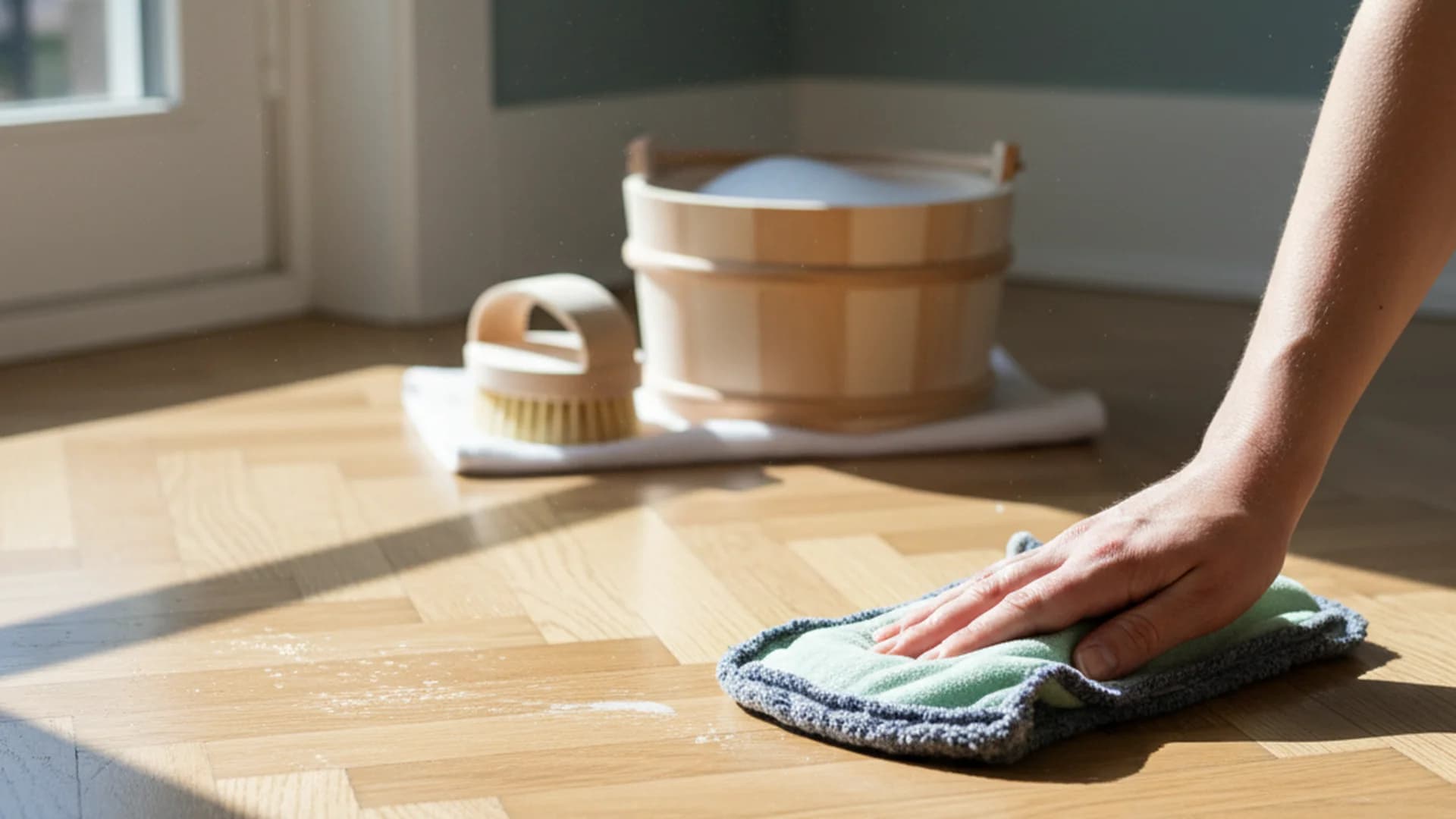
Parquet flooring is often described as the "jewel" of interior design. With its intricate geometric patterns and timeless appeal, it transforms a standard room into a sophisticated space. However, because of its complex construction involving many small wood blocks, knowing how to clean parquet floors correctly is vital to ensuring they last for generations. Unlike standard hardwood planks, parquet has numerous seams where moisture and grit can hide, making a specialized approach to maintenance essential for every homeowner.
Whether you have inherited a vintage herringbone pattern or just installed a modern "greige" chevron design, your cleaning routine will dictate the floor's lifespan. In fact, high-quality wood flooring can increase your home’s resale value by 5% to 15%, but only if it remains in pristine condition.
The Anatomy of Parquet: Why It Needs Special Care
Before grabbing a bucket and mop, it is important to understand what makes parquet unique. Unlike solid wood planks, parquet consists of short strips or blocks of wood arranged in decorative patterns. This means there are significantly more "joints" or seams per square foot than in traditional flooring.
These seams are the primary reason why parquet is sensitive. If water or cleaning chemicals seep into these gaps, the wood can swell, leading to "cupping" (edges rising) or "crowning" (the center of the block rising). Furthermore, because the grain directions often vary within a single square yard, standard scrubbing techniques can actually highlight scratches rather than hide them.
Note: Modern parquet is highly reactive to environmental changes. Experts at the National Wood Flooring Association (NWFA) recommend maintaining a consistent indoor humidity of 45% to 60% to prevent the wood pieces from shrinking or expanding.
The Ultimate Cleaning Routine: Daily, Weekly, and Monthly
Maintaining a beautiful floor doesn't require hours of labor every day. It requires consistency. By following a tiered approach, you can prevent the "sandpaper effect"—where micro-debris and dust are ground into the finish by foot traffic.
Daily Maintenance: Dusting and Debris Removal
The most important step in how to clean parquet floors is the daily removal of grit. Small particles of sand and dirt act like abrasive paper.
- Tool of Choice: Use a microfiber dust mop or a vacuum specifically designed for hard floors.
- The Golden Rule: Ensure your vacuum has no beater bar. Beater bars are designed for carpets and can leave tiny dents or scratches in the wood finish.
Success: Using a dedicated hardwood vacuum can pick up 70% more micro-debris than a standard broom, significantly extending the life of your floor's topcoat.
Weekly Cleaning: The "Damp, Not Wet" Rule
Once a week, you should perform a more thorough clean to remove sticky residues or spills. This is where most homeowners make mistakes by using too much water.
- Preparation: Clear the area of small rugs and furniture.
- The Two-Bucket Method: Fill one bucket with your cleaning solution and another with clean rinse water. This ensures you aren't just moving dirty water around the room.
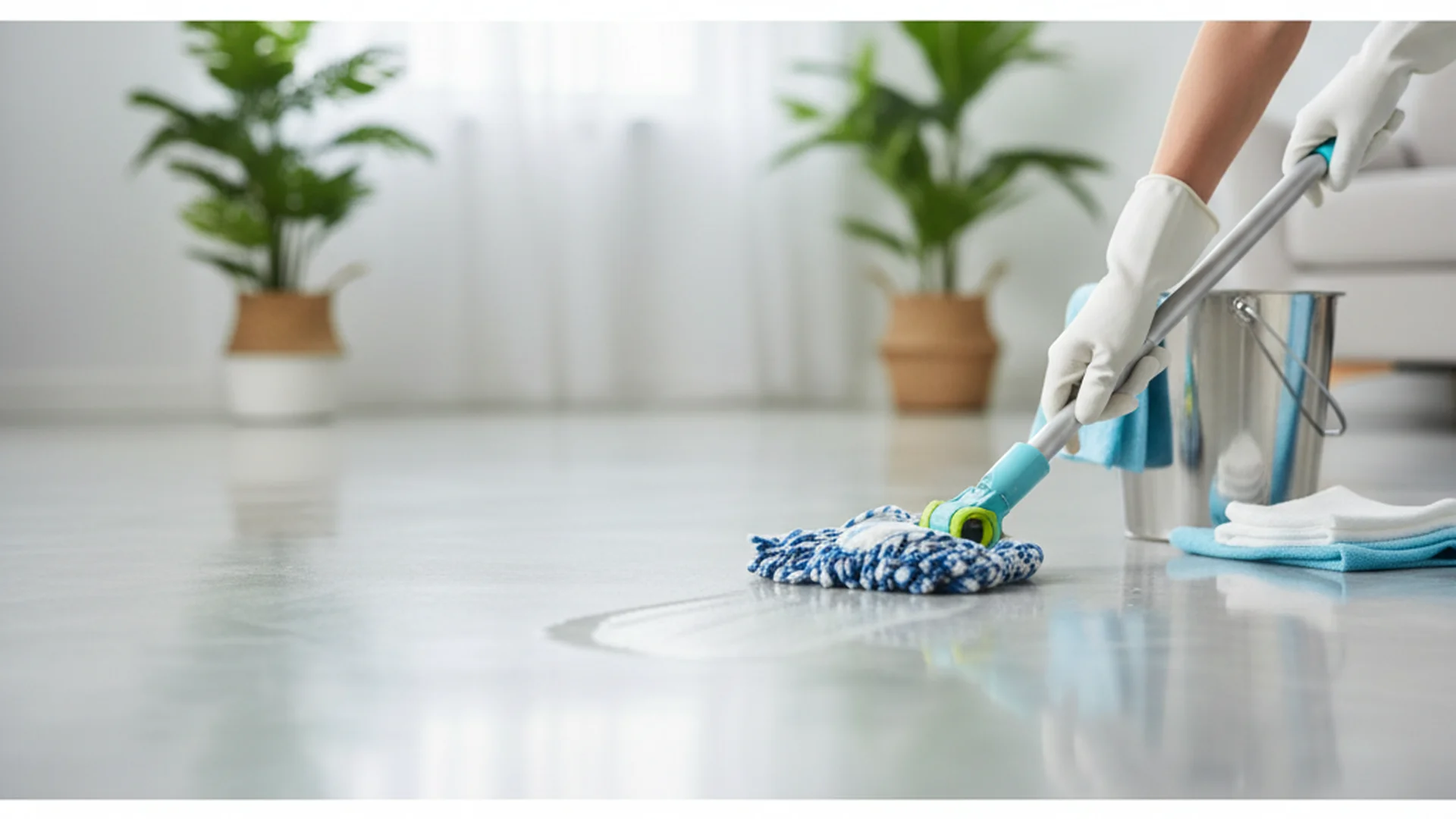
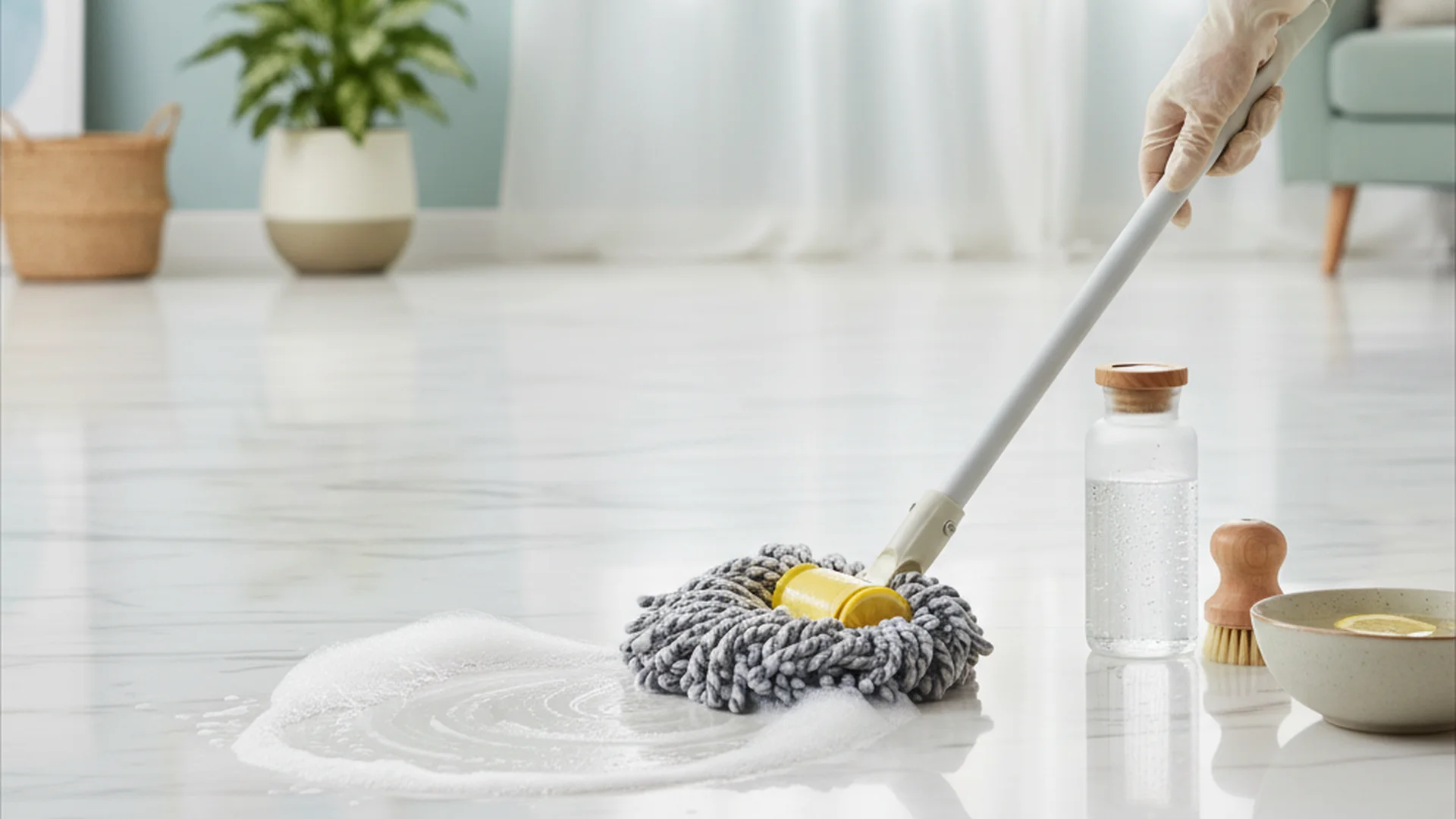
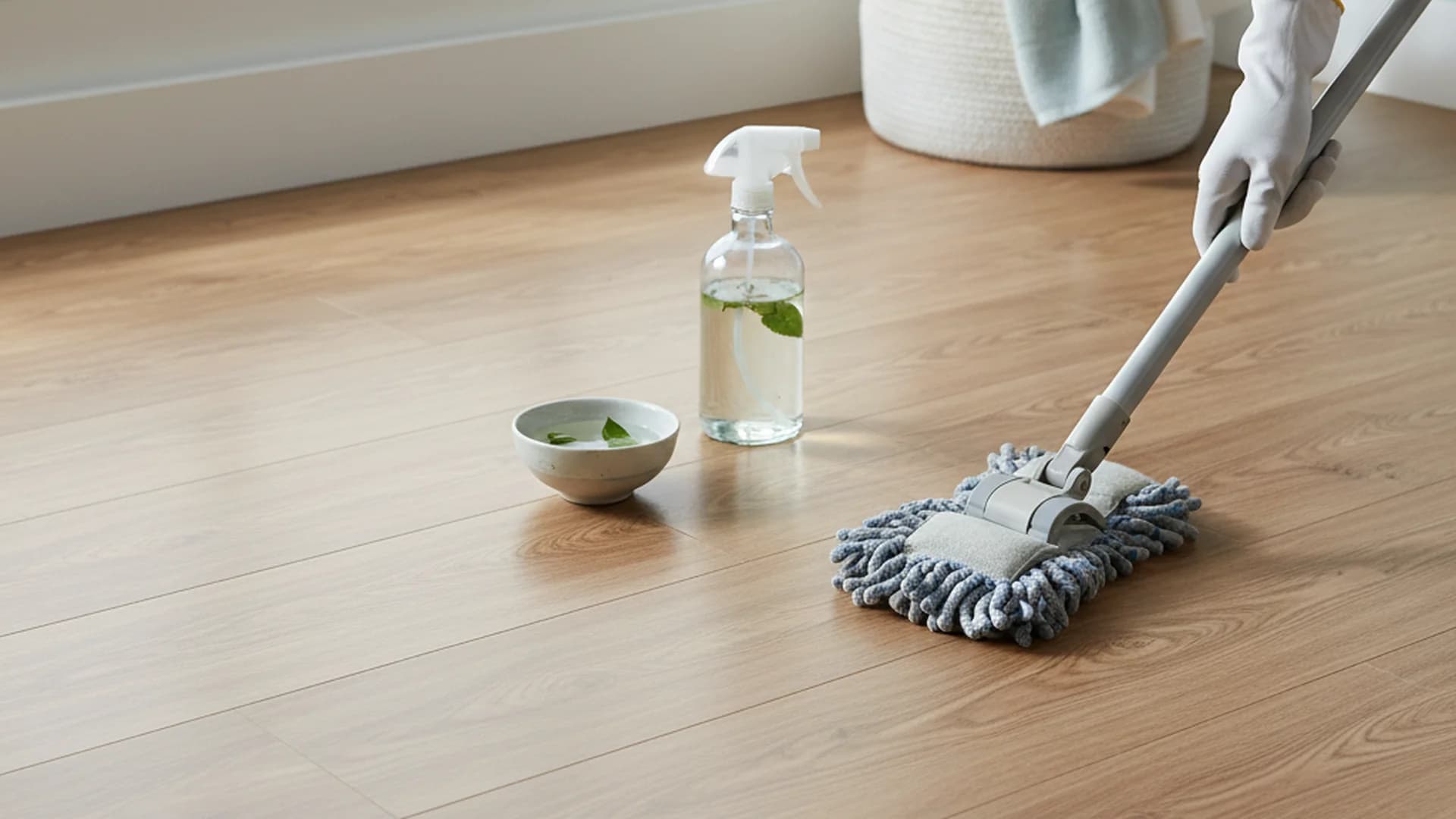
- The Technique: Dip your mop into the cleaning solution and wring it out until it is barely damp. It should feel almost dry to the touch.
- Drying: The floor should be dry within 1 to 2 minutes. If it stays wet longer, you are using too much moisture.
Monthly Deep Cleaning and Inspection
Once a month, take the time to inspect the "traffic lanes" of your home—the areas where people walk most often. Look for thinning of the finish or small scratches. This is the time to use a manufacturer-approved "refresher" or a high-quality pH-neutral wood cleaner to restore the luster without adding a wax buildup.
Natural vs. Commercial Cleaners: Which Should You Choose?
In 2025 and 2026, there is a significant shift toward bio-based cleaners. Homeowners are increasingly looking for ways to clean parquet floors naturally to avoid harsh chemicals and protect indoor air quality.
The Vinegar Myth
For decades, vinegar and water was the "go-to" DIY solution. However, modern experts warn against this. Vinegar is an acid (with a pH of 2-3). Over time, this acidity eats away at the polyurethane or lacquer finish, leaving the wood looking dull and unprotected.
The Best Way to Clean Parquet Floors Naturally
If you prefer a natural approach, look for enzymatic or bio-based cleaners.
- Aunt Fannie’s Vinegar-Free Hardwood Floor Cleaner: Uses plant-derived surfactants that are safe for pets and children.
- Diluted Murphy Oil Soap: A classic choice that uses vegetable oil, though it should be used sparingly to avoid buildup.
- Bio-based Surfactants: These use natural enzymes to break down grease and grime without stripping the wood's protective layer.
Top Commercial Recommendations
If you prefer a ready-to-use commercial product, the following are the 2026 gold standards:
- Bona Hardwood Floor Cleaner: Widely regarded as the safest pH-neutral option.
- Pallmann Clean: Excellent for both oil-finished and lacquered parquet.
- Loba: Often recommended by professional installers for high-end European parquet.
Tip: Always test a new cleaner on a small, inconspicuous area (like inside a closet) before applying it to the entire room.
Real-World Examples: Parquet Care in Action
To better understand these principles, let’s look at how they apply to real-life scenarios:
Example 1: The Busy Hallway "Sandpaper" Prevention In a household with two dogs and three kids, the main hallway parquet was becoming dull. The owner switched from a traditional broom to a high-efficiency vacuum with a soft brush attachment. Within three months, the "cloudiness" of the floor vanished because the micro-grit was no longer being rubbed into the finish.
Example 2: The Spilled Wine Incident A homeowner spilled red wine on a 1920s herringbone floor. Instead of scrubbing with a wet cloth, they blotted the liquid immediately. Because they had maintained the floor with a pH-neutral refresher, the wine didn't penetrate the wood grain, and a quick wipe with a damp microfiber cloth removed the residue completely.
Example 3: The Matte Transition Following the 2025 trend of matte finishes, a family refinished their glossy parquet to a satin "honey brown." They found that the matte finish was significantly better at hiding pet hair and small scratches, reducing their "visible" cleaning frequency from daily to every three days.
5 Common Mistakes That Are Ruining Your Floors
Even with the best intentions, certain habits can cause irreparable damage to your parquet. Up to 60% of flooring failures are caused by improper maintenance rather than wear and tear.
- Using a Steam Mop: This is the #1 cause of parquet buckling. The high heat forces moisture deep into the wood fibers and joints.
- Waxing Polyurethane Floors: If your floor has a modern polyurethane finish, never apply wax. It creates a "ghosting" effect and makes it impossible to apply a fresh coat of finish later without sanding the floor down to bare wood.
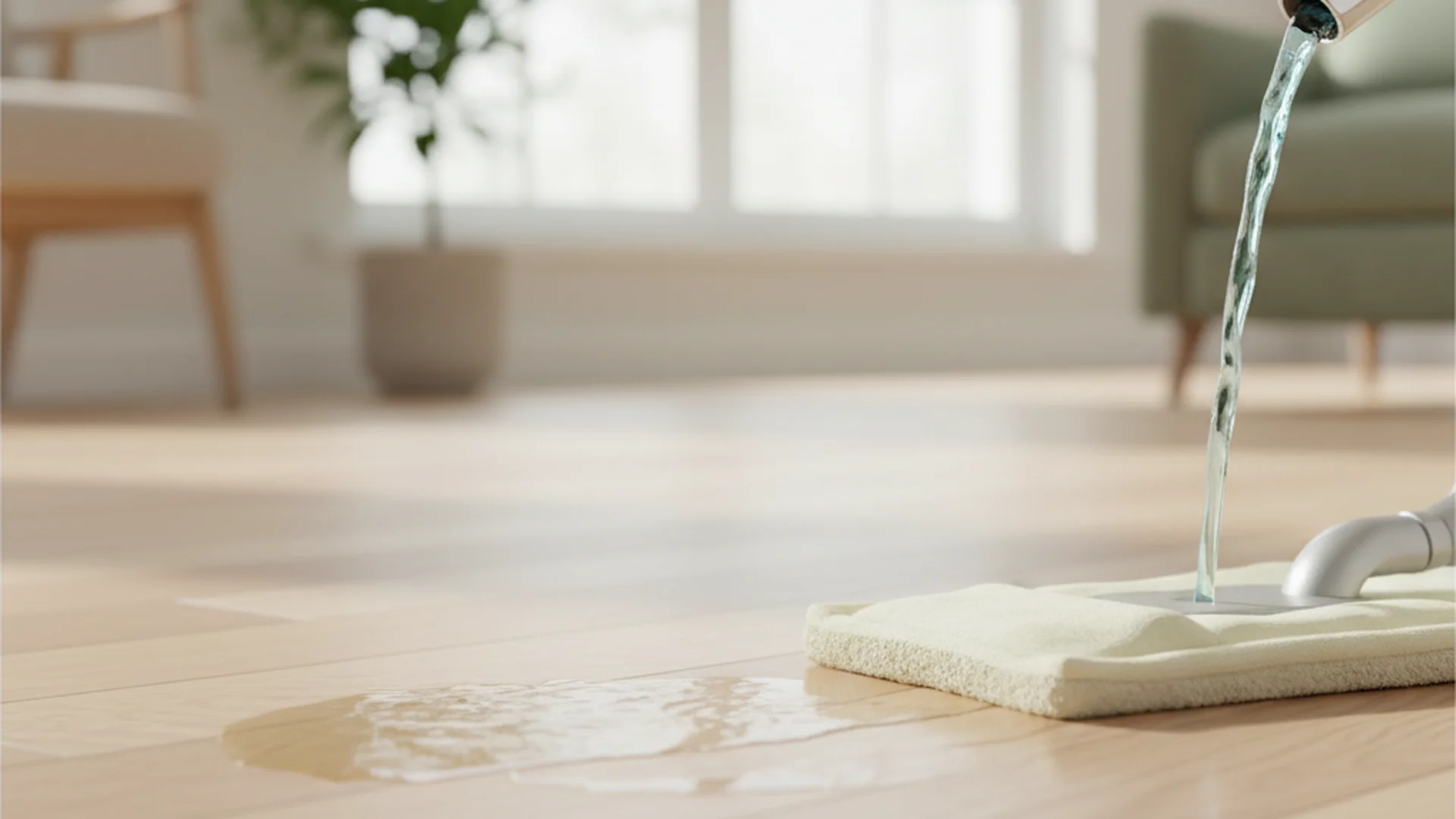
- Soaking the Floor: A dripping wet mop is the enemy. Water that sits in the seams can dissolve the adhesive holding the parquet blocks in place.
- Abrasive Scrubbers: Never use steel wool or scouring pads on wood. Stick to microfiber or soft cotton.
- Neglecting Furniture Pads: Because parquet is a mosaic of small pieces, dragging a chair can damage several wood grains at once. Always use heavy-duty felt pads on all furniture legs.
Warning: Never mix bleach with any wood cleaning product. Not only is it dangerous to your health, but it will permanently discolor and ruin the wood fibers.
Future-Proofing Your Home: 2026 Flooring Trends
As we move into 2026, the technology and aesthetics of parquet are evolving.
AI-Driven Low-Moisture Robots
New robotic mops are being released with "wood-safe" certifications. These devices use laser-precision sensors to detect the type of floor and adjust water dispersal to a minimum. For parquet owners, this means automated cleaning is finally a safe option, provided the robot uses a microfiber pad and minimal moisture.
The Rise of Matte and "Greige"
Glossy, dark "espresso" floors are out. The trend is moving toward warm neutrals, light walnuts, and "greige" (a mix of gray and beige). These lighter, matte finishes are much more forgiving for families and are easier to keep looking "clean" than high-gloss surfaces which show every footprint.
| Feature | Old Trend (2020-2022) | New Trend (2025-2026) |
|---|---|---|
| Finish | High Gloss | Matte / Satin |
| Color | Cool Grays / Espresso | Honey Browns / Greige |
| Cleaning | Steam Mops | pH-Neutral / Robots |
| Material | Synthetic Laminates | Bio-based Reclaimed |
Frequently Asked Questions
Can I use a steam mop on parquet floors?
Is vinegar safe for cleaning wood floors?
How often should I deep clean my parquet?
What is the best way to remove scratches from parquet?
How do I stop my parquet from "creaking"?
Conclusion
Cleaning parquet floors doesn't have to be a daunting task. By embracing the "damp, not wet" rule, avoiding acidic cleaners like vinegar, and staying consistent with grit removal, you can keep your floors looking like they were installed yesterday. As we look toward the trends of 2026, the focus is clearly on sustainability and the protection of natural textures through bio-based cleaners and matte finishes.
Your parquet floor is more than just a surface to walk on—it is a significant investment in your home's value and aesthetic. With the right care, it will remain the "jewel" of your home for decades to come.
Success: Consistent, gentle maintenance is the secret to a floor that looks better with age.
Cleaning that keeps score
Every task earns points, every streak multiplies them, and Premium adds a household leaderboard plus a monthly Dustagorgon to beat.
- Free forever
- 30 badges to earn
- Up to 6 in a household
No card needed. Set up your rooms in a couple of minutes.