In this article
What you’ll learn
- Use the "Damp, Not Wet" method to protect subfloors from moisture seepage.
- Avoid steam mops and beater bars to preserve the protective wear layer.
- Natural solutions like diluted apple cider vinegar are safe and effective.
In the landscape of modern home design, Luxury Vinyl Plank (LVP) has officially claimed its throne. Homeowners love its durability and aesthetic versatility, but many remain confused about long-term maintenance. If you are wondering how to clean lvp floors without damaging the finish or voiding your warranty, you aren't alone. Transitioning to these floors requires a shift in mindset—treating them less like indestructible plastic and more like a high-performance investment.
Understanding the "Waterproof" Myth
The biggest misconception currently circulating in the home improvement world is that "waterproof" means "wet-proof." While the planks themselves are often made of moisture-resistant PVC or rigid-core compounds, your subfloor is not.
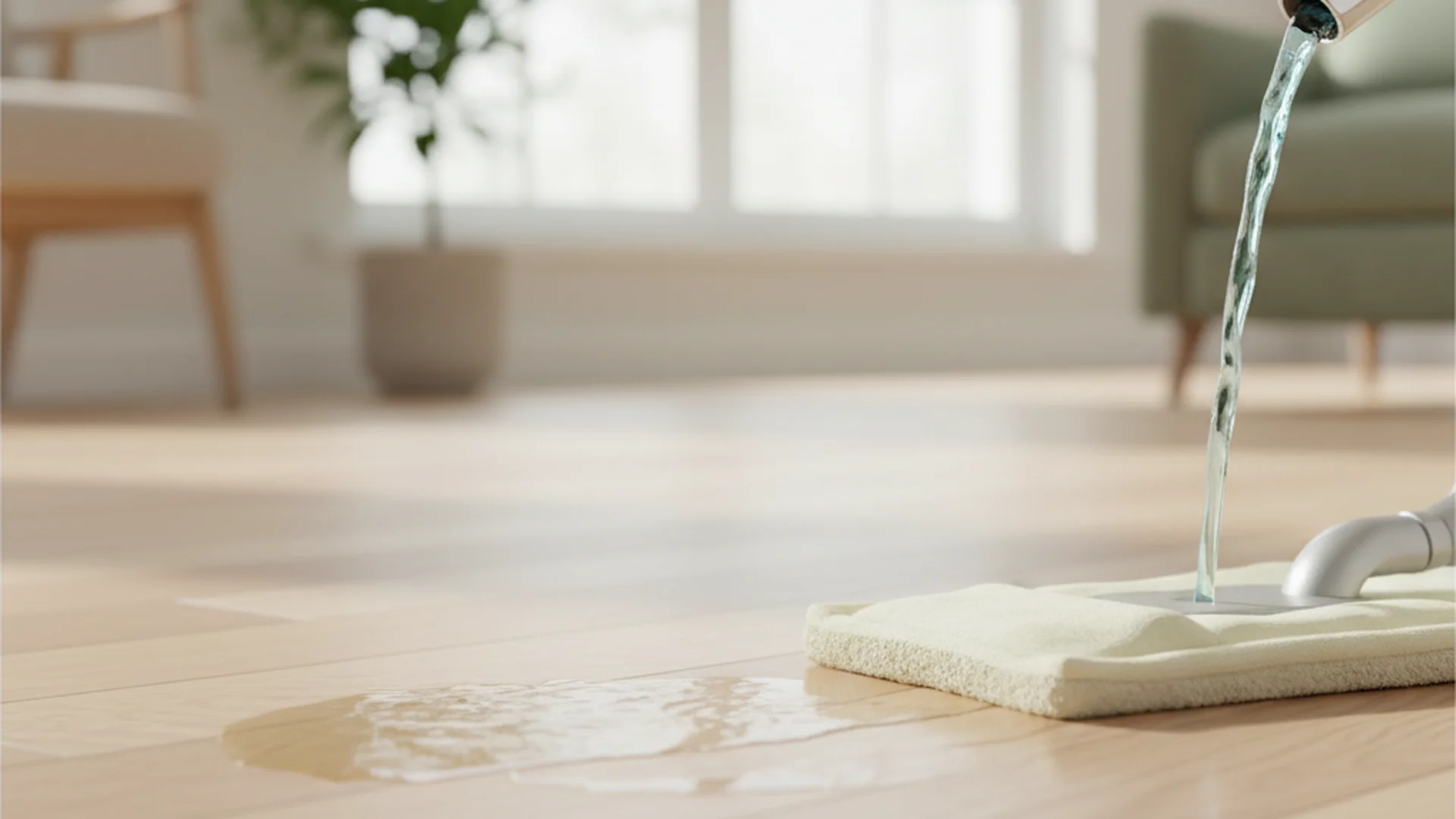
When you flood your floors with a mop and bucket, water can seep into the click-lock seams. Research shows that moisture trapped beneath the planks can lead to subfloor mold or adhesive failure within 24 to 72 hours. To maintain your floor’s integrity, you must prioritize moisture control.
Warning: Excessive water is the number one cause of LVP warranty claims. Never leave standing puddles on your planks.
The Three-Tier Cleaning System
To maximize the 20+ year lifespan of your flooring, experts recommend a tiered approach that balances daily care with deeper cleaning.
Tier 1: Daily Maintenance (The Dry Phase)
The secret to a long-lasting floor isn't a special chemical; it’s the removal of grit. Fine particles of sand and dirt act like sandpaper under your feet, creating micro-scratches that dull the matte or textured finish of modern LVP.
- Tools: Use a microfiber dust mop or a vacuum.
- Technique: Ensure your vacuum has the "beater bar" turned off.
Tip: If your vacuum doesn't have a hard-floor setting, avoid using it. Stiff rotating bristles can scuff the wear layer over time.
Tier 2: Weekly Cleaning (The Damp Phase)
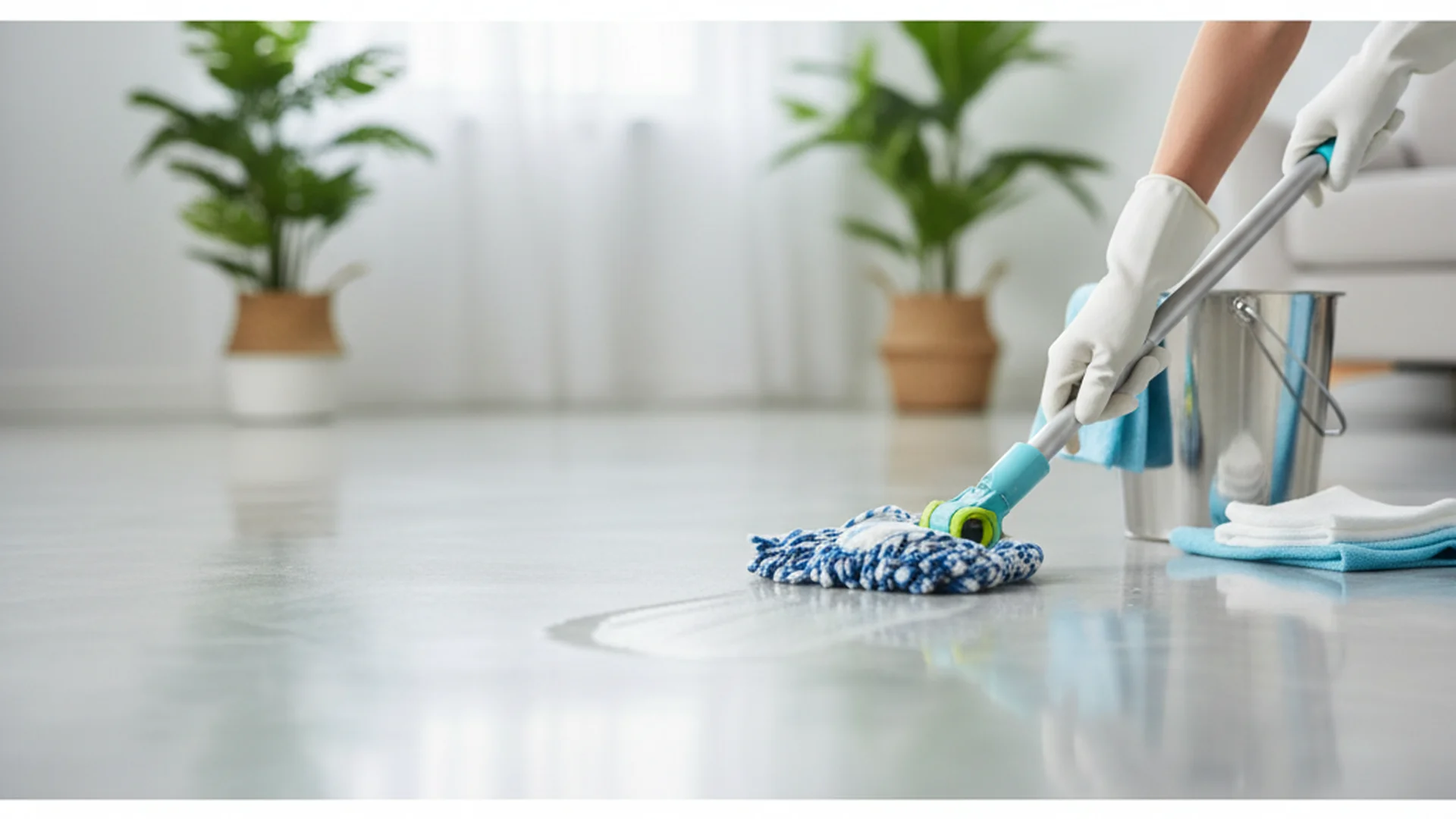
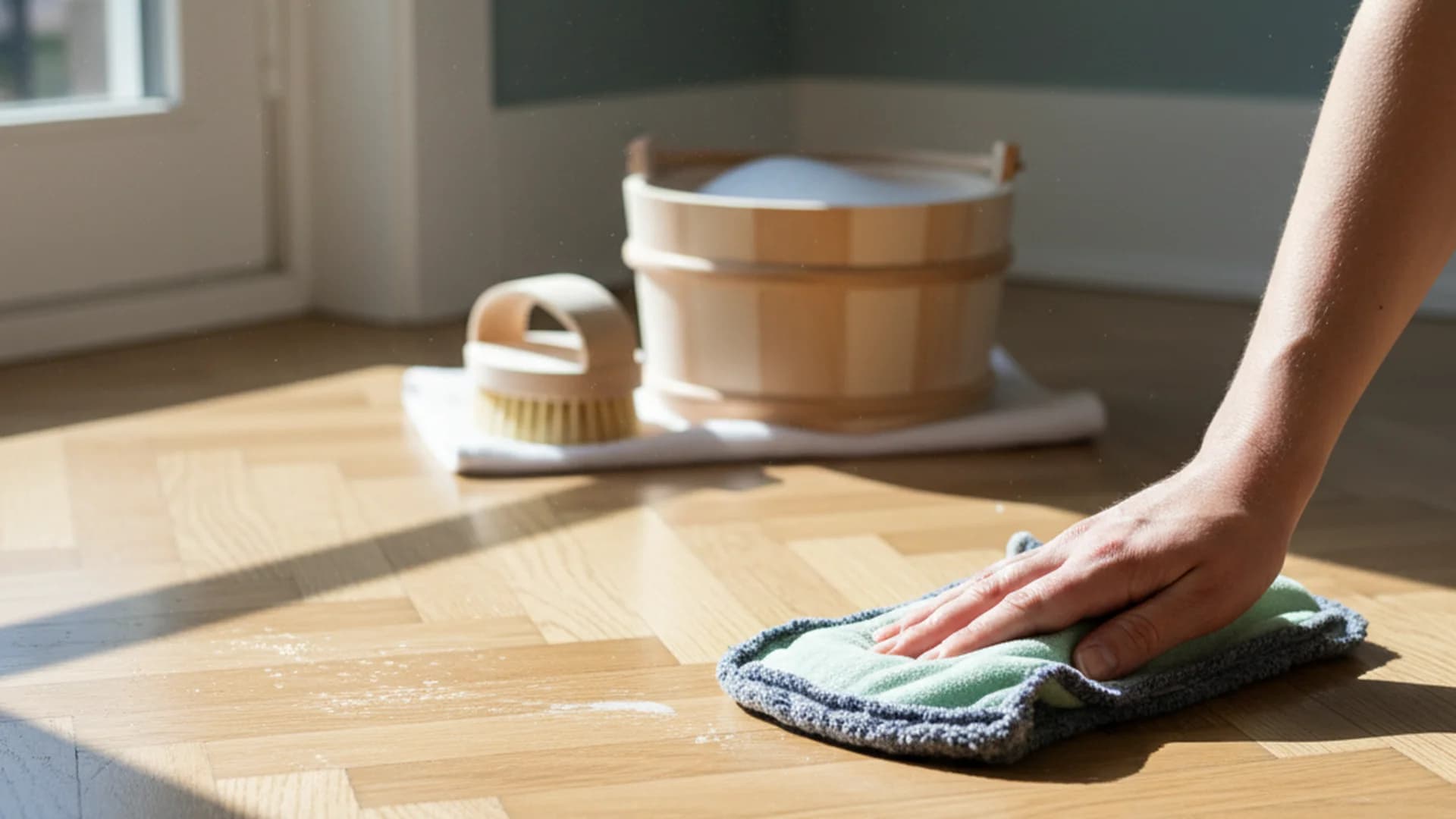
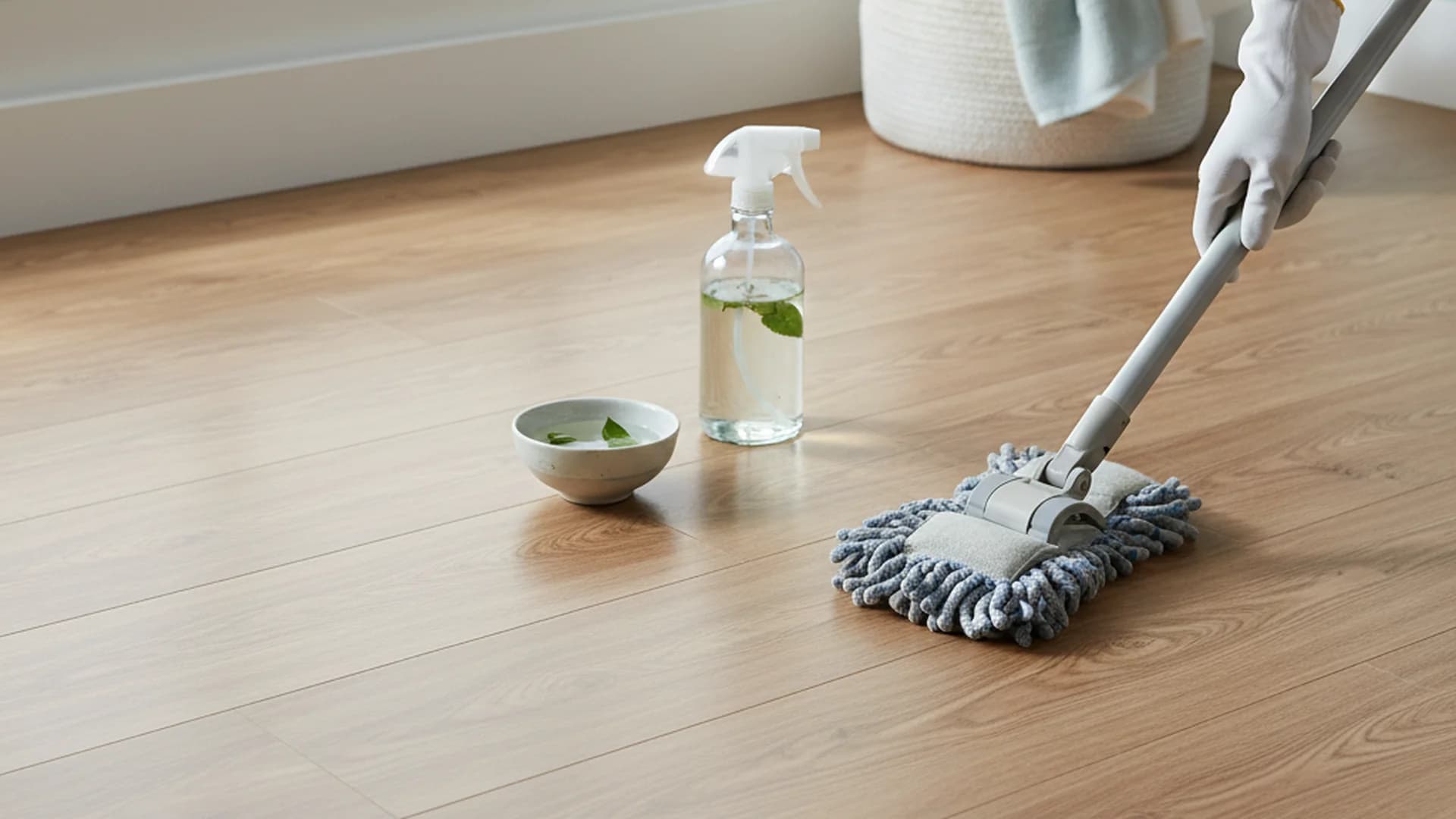
Once a week, or as needed, it’s time for the best way clean lvp floors: the damp mop. The mop should be barely moist to the touch—if you can wring out water, it’s too wet.
- Solution: Use a pH-neutral commercial cleaner specifically designed for vinyl.
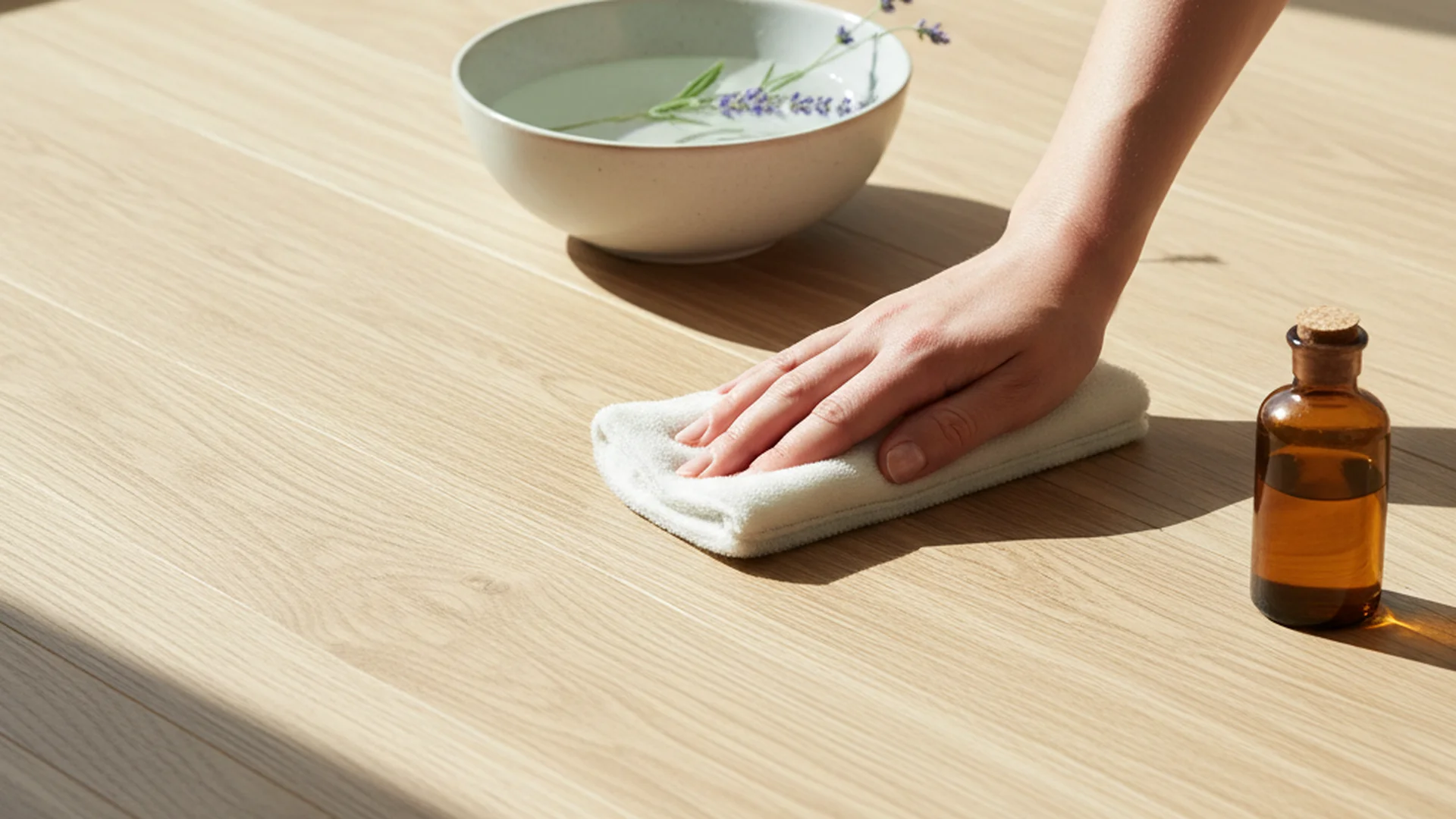
- The Rinse: If your cleaner leaves a scent or a slight film, follow up with a "rinse pass" using a microfiber cloth dampened only with plain water.
Tier 3: Spot & Stain Removal
Accidents happen. Whether it's a dropped glass of wine or a child’s crayon masterpiece, targeted treatment is better than scrubbing the whole floor.
- Scuffs: Use a clean tennis ball to rub out shoe scuffs. For stubborn marks, a drop of jojoba oil on a cloth works wonders.
- Stains: For ink or permanent markers, apply a tiny amount of rubbing alcohol to a cloth and dab gently.
How to Clean LVP Floors Naturally
Many homeowners in 2026 are moving away from synthetic chemicals in favor of eco-friendly alternatives. You can clean lvp floors naturally using common household items that are effective and safe for your family.
The Apple Cider Vinegar Solution
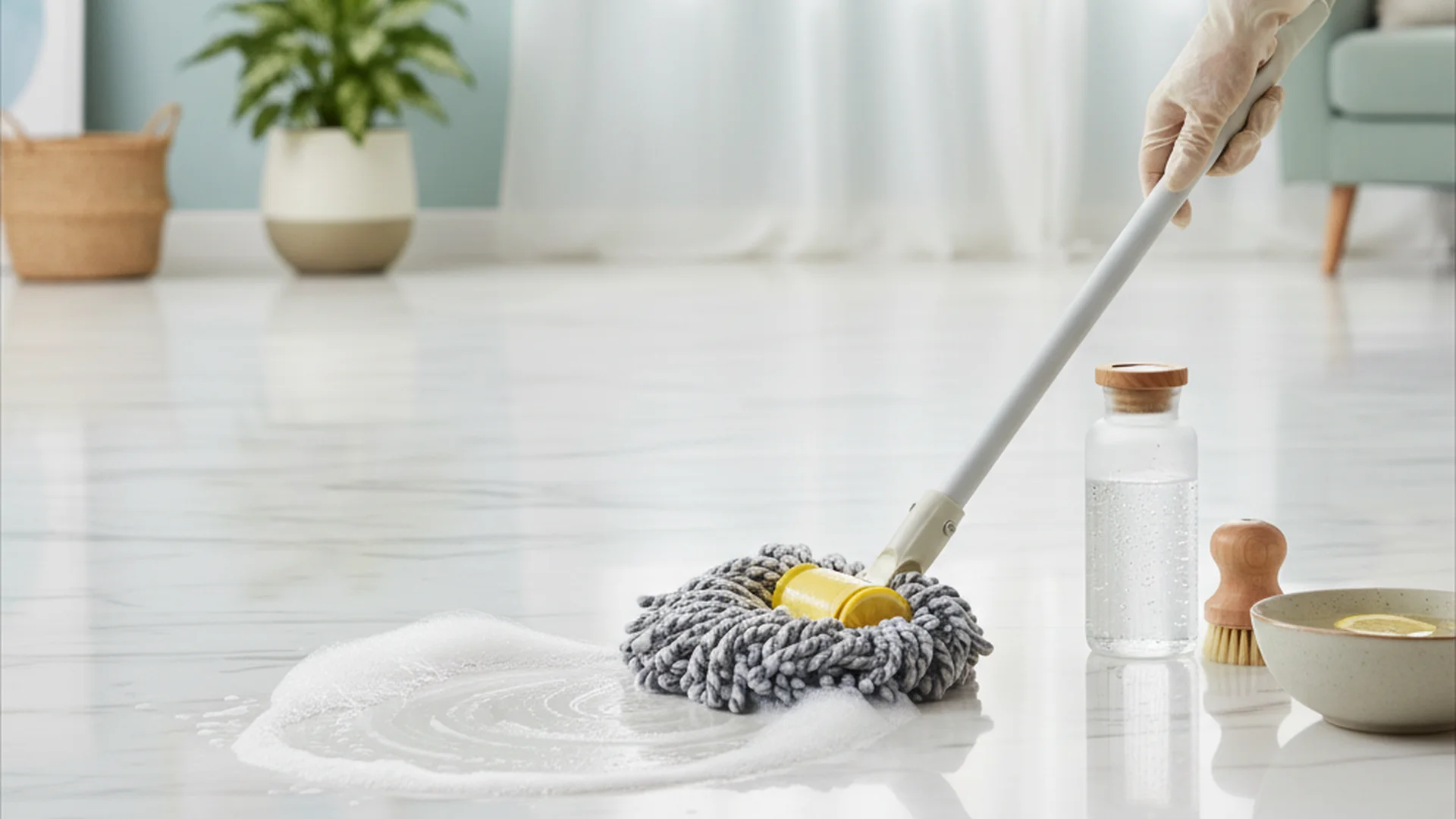
Vinegar is mildly acidic, making it perfect for breaking down dirt and grime without leaving the soapy residue that commercial cleaners often do.
- Mix 1 cup of apple cider vinegar with 1 gallon of warm (not hot) water.
- Add a few drops of essential oil (like lemon or lavender) for a fresh scent.
- Mop using a microfiber pad, ensuring the floor dries almost instantly.
The Baking Soda Paste
For dried-on food or "mystery" sticky spots, baking soda provides a gentle abrasive action that won't scratch the polyurethane wear layer.
- Mix equal parts baking soda and water to create a thick paste.
- Apply to the spot and let sit for 5 minutes.
- Wipe away with a damp cloth.
Success: Using natural cleaners reduces the VOC levels in your home, which is increasingly important as 2026 sustainability standards become more stringent.
Real-World Examples: LVP Maintenance in Action
Example 1: The "Post-Party" Recovery
Imagine you’ve hosted a dinner party and find several black scuff marks from guest shoes and a dried wine spill. Instead of mopping the whole house, you use a tennis ball for the scuffs and a quick spray of the vinegar solution for the wine. This targeted approach protects the surrounding floor from unnecessary moisture.
Example 2: The Muddy Paw Print Scenario
In a household with large dogs, mud is a daily reality. One homeowner found that by using a "smart" robot mop set to the lowest moisture setting, they could keep the matte-finish LVP clean without the risk of water seeping into the seams of their wire-brushed texture planks.
Example 3: The Kitchen Grease Challenge
Near the stove, LVP often develops a "filmy" feel. A homeowner used an enzymatic cleaner—a major trend for 2026—to break down organic grease molecules that standard soap couldn't touch, restoring the floor's original matte look without hard scrubbing.
Common Mistakes to Avoid
Even with the best intentions, it is easy to ruin Luxury Vinyl Plank if you use the wrong tools. Avoid these four "deal-breakers":
- Steam Mops: High heat can warp the vinyl layers and cause the adhesive to dissolve. Unless your manufacturer specifically clears it, stay away from steam.
- Wax and Polish: LVP has a built-in wear layer. Applying wax creates a sticky film that actually attracts more dirt and will eventually peel and look unsightly.
- Harsh Chemicals: Bleach and ammonia are too caustic. They can cause your floors to turn yellow or become cloudy over time.
- Abrasive Scrubbers: Never use steel wool or stiff "scrubby" sponges. These will permanently dull the finish.
| Tool/Product | Safe for LVP? | Reason |
|---|---|---|
| Microfiber Mop | Yes | Gentle and effective |
| Steam Mop | No | Heat warps planks |
| Diluted Vinegar | Yes | pH balanced and natural |
| Wax/Polish | No | Causes buildup/peeling |
| Beater Bar Vacuum | No | Scratches wear layer |
2026 Trends in Floor Care
As we move through 2026, the technology surrounding LVP maintenance is evolving.
- AI-Driven Robot Mops: New models now come with sensors that detect the difference between tile and LVP, automatically adjusting the water flow to prevent seam saturation.
- Matte and Wire-Brushed Finishes: High-gloss LVP is out. Matte finishes are the new standard, requiring cleaners that don't leave "streaks" or artificial shines.
- Bio-Based Cleaners: There is a massive shift toward enzymatic cleaners that use natural bacteria to "eat" odors and stains, particularly in homes with pets.
Note: Check if your LVP is "Low-VOC" certified. If it is, use certified green cleaners to ensure you aren't introducing reactive chemicals to the recycled resins used in the planks.
Frequently Asked Questions
Can I use a steam mop on LVP?
Is vinegar safe for LVP floors?
How often should I clean my floors?
Will a robot vacuum scratch my LVP?
Conclusion
Cleaning Luxury Vinyl Plank doesn't have to be a chore, nor does it require a closet full of expensive chemicals. By following the "Damp, Not Wet" philosophy and sticking to pH-neutral or natural cleaners, you can keep your floors looking brand new for decades. Remember: the best defense is a good offense—keep the grit off the floor, and the floor will stay beautiful.
Cleaning that keeps score
Every task earns points, every streak multiplies them, and Premium adds a household leaderboard plus a monthly Dustagorgon to beat.
- Free forever
- 30 badges to earn
- Up to 6 in a household
No card needed. Set up your rooms in a couple of minutes.