In this article
What you’ll learn
- Leverage dwell time to let chemicals do the heavy lifting
- Switch to enzymatic cleaners for long-term organic breakdown
- Use preventative measures like nano-coatings and squeegees to eliminate the need for deep cleans
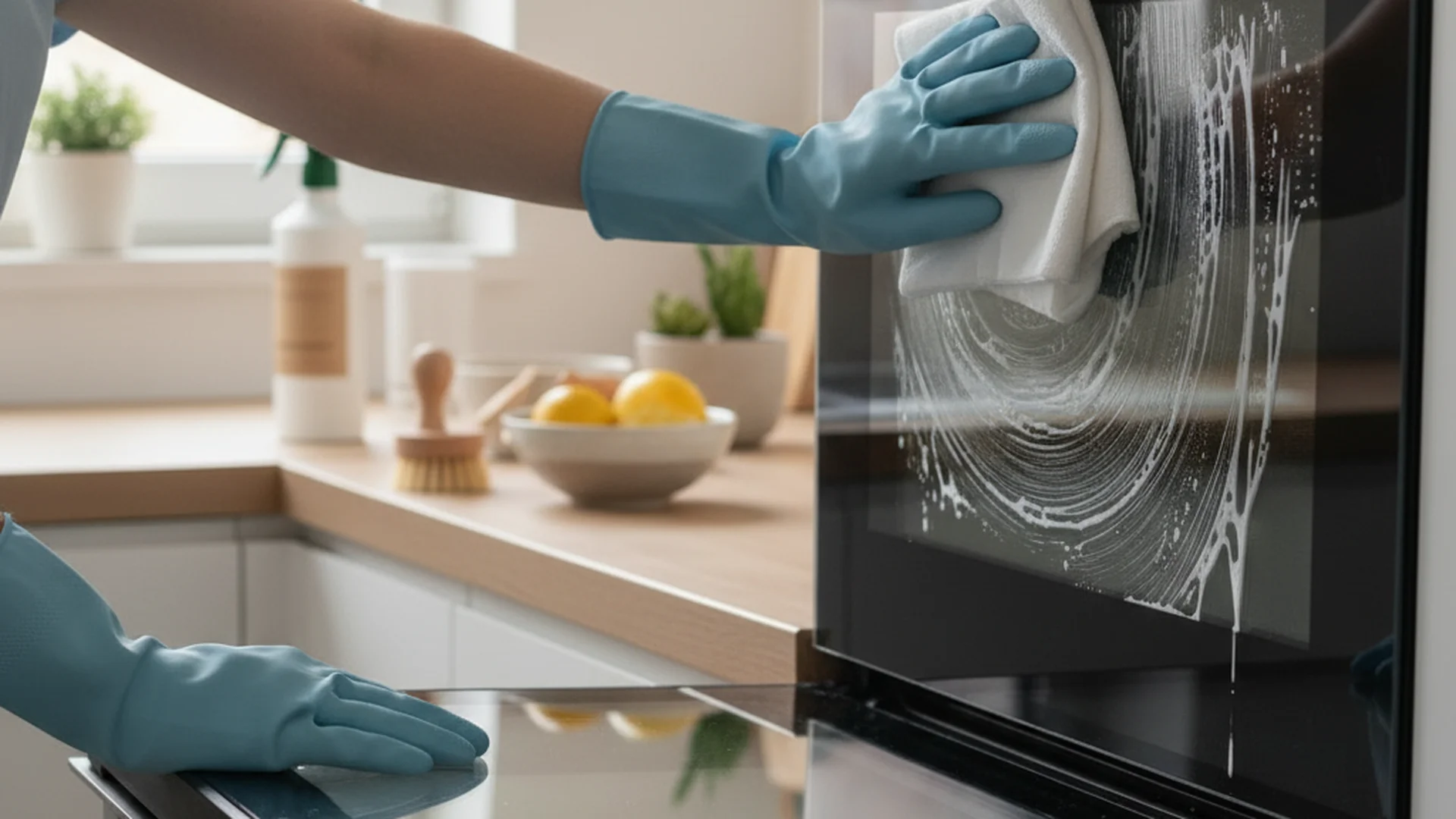
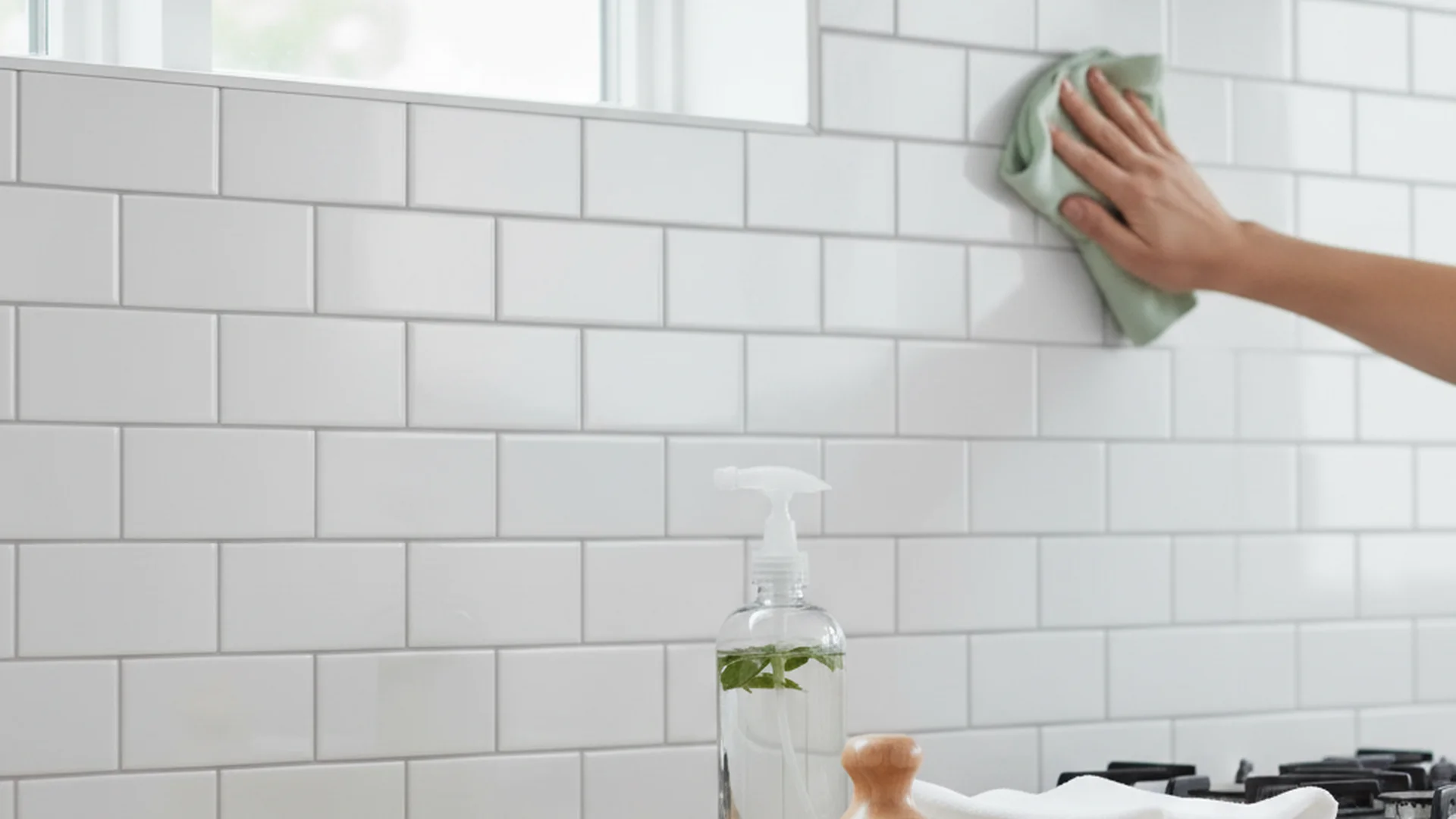
For many homeowners, the thought of cleaning the bathroom evokes images of sore knees, aching backs, and hours spent hunched over a tub with a stiff brush. It is no surprise that bathroom cleaning regularly tops the list of most hated household chores. But what if you could maintain a sparkling sanctuary without the manual labor? Learning how to clean tiles without scrubbing isn't just a dream—it’s a methodology based on chemistry and efficiency. By shifting from physical force to "dwell time" and enzymatic solutions, you can reclaim your weekend and achieve a deeper clean.
The Science of "No-Scrub" Cleaning
The traditional approach to cleaning relies on friction. We use elbow grease to physically tear soap scum and lime scale away from the tile surface. However, modern cleaning science focuses on breaking molecular bonds. To clean tiles without scrubbing easily, you must understand the relationship between surfactants, enzymes, and time.
When you spray a cleaner and wipe it immediately, you are doing all the work. If you allow the solution to sit, the surfactants lower the surface tension of the water, allowing the cleaner to penetrate the layers of grime. This is known as "dwell time." For most standard bathroom cleaners, 10–15 minutes is the sweet spot. For heavy-duty organic buildup, probiotic cleaners can work for up to 72 hours, effectively "eating" the dirt while you sleep.
The Rise of Enzymatic and Probiotic Cleaners
We are currently seeing a massive shift in the cleaning industry. Why? Because these cleaners use "good bacteria" to digest organic matter like skin cells and soap fats.
Tip: When using enzymatic cleaners, do not mix them with bleach. The bleach will kill the beneficial bacteria, rendering the "no-scrub" technology useless.
The Chemical Path: Best Products and Methods
If you want the best way to clean tiles without scrubbing, you need to choose your "chemical workforce" based on the specific type of dirt you are facing.
Dealing with Soap Scum and Hard Water
Soap scum is a combination of calcium carbonate (from hard water) and fatty acids (from soap). To dissolve this without a brush, you need an acidic or specialized surfactant cleaner.
- The Method: Apply a generous layer of a foaming bathroom cleaner. The foam clings to vertical surfaces, increasing the contact time.
- Real-World Example: Imagine a glass shower door covered in white film. Instead of scrubbing, apply a product like Wet & Forget Shower. You spray it once a week after the last shower of the day and rinse it the next morning. The active ingredients break down the film overnight, requiring only a water rinse to clear it away.
Eliminating Mold and Mildew
Black mold is the bane of grout lines. Bathroom hygiene matters to just about everyone, and mold is the primary enemy of that hygiene.
- The Method: Use an oxidizing agent like hydrogen peroxide or a specialized mold remover containing sodium hypochlorite.
- Warning: If mold has penetrated behind the silicone or grout, no amount of spray will fix it. This indicates a structural moisture issue that requires resealing rather than cleaning.
| Cleaner Type | Best For | Dwell Time |
|---|---|---|
| Enzymatic | Organic matter, odors | 1–24 hours |
| Acidic | Limescale, hard water | 10–15 mins |
| Oxidizing | Mold, mildew, stains | 5–10 mins |
| Alkaline | Grease, heavy oils | 10–20 mins |
The High-Tech Path: Cleaning in 2026
As we move into 2026, technology is replacing the sponge. If you are serious about never scrubbing again, consider these high-tech interventions.
Steam Cleaning
High-heat steam cleaners (reaching temperatures above 200°F) are the ultimate "no-scrub" tool. The heat instantly melts soap scum and kills 99.9% of bacteria and dust mites.
- Real-World Example: A homeowner uses a handheld steam wand on their floor grout. The pressurized steam blasts the dirt out of the porous grout and onto the surface, where it is simply wiped away with a microfiber cloth—no friction required.
Autonomous Bathroom Robots
The Hytron robot, debuting at CES 2026, represents the future of domestic efficiency. These AI-driven devices can navigate the bathroom floor and walls, using UV-C light to disinfect and specialized sprayers to maintain tile surfaces autonomously. While currently a high-end luxury, this technology is quickly becoming more accessible.
Note: Handheld UV-C disinfection wands are a great mid-point for 2026. They allow you to "zap" germs on tiles and handles without using any wet chemicals or physical scrubbing.
Prevention: The Key to a Scrub-Free Life
The most efficient way to clean tiles without scrubbing is to ensure they never get dirty in the first place. This is known as "proactive cleaning."
The Power of the Squeegee
It takes 30 seconds to squeegee your shower tiles after use. This simple act removes 90% of the water and soap residue before it has a chance to harden into "scum." It is the single most effective habit for maintaining a clean bathroom.
Nano-Coatings and the "Lotus Effect"
Architectural trends in 2026 are leaning toward nano-coatings. These are liquid glass (silica) treatments that fill the microscopic pores of your tiles.
- The Result: Water beads off the surface instantly, taking dirt with it. This is inspired by the "Lotus Effect" found in nature.
- Real-World Example: Applying a DIY ceramic coating to your bathroom tiles once a year can reduce your cleaning time by up to 80%.
Success: By combining a post-shower squeegee with a monthly enzymatic spray, most households can eliminate deep scrubbing entirely.
Common Mistakes to Avoid
Even with the best intentions, certain mistakes can damage your surfaces or even put your health at risk.
- Mixing Bleach and Acids: This is the most dangerous error. Mixing bleach with vinegar or ammonia-based cleaners creates toxic chlorine or chloramine gas. Always rinse one cleaner away completely before using another.
- Using Vinegar on Natural Stone: Many "green" cleaning guides suggest vinegar for everything. However, vinegar is acidic and will etch or dull natural stone like marble, travertine, and limestone. It can also weaken grout over time.
- Scrubbing Too Hard (When you do scrub): If you feel the need to use a tool, avoid steel wool. Abrasive tools create micro-scratches in the tile glaze. These scratches trap dirt more effectively, making the tiles harder to clean in the future.
- Neglecting the Grout Seal: Grout is porous. If you don't reseal it every 6–12 months, moisture and mold will live inside the grout, where no spray can reach them.
Frequently Asked Questions
Can I really clean tiles without scrubbing?
Is vinegar safe for all tiles?
How do I get rid of black mold without scrubbing?
Do "Daily Shower Sprays" actually work?
Conclusion
Transitioning to a scrub-free lifestyle is about working with chemistry rather than against it. By utilizing dwell time, embracing the 2026 trend of enzymatic cleaners, and protecting your surfaces with nano-coatings, you can maintain a hygienic, beautiful bathroom with a fraction of the effort.
Stop fighting the grime and start letting your cleaners do the work for you. Your back—and your schedule—will thank you.
Cleaning that keeps score
Every task earns points, every streak multiplies them, and Premium adds a household leaderboard plus a monthly Dustagorgon to beat.
- Free forever
- 30 badges to earn
- Up to 6 in a household
No card needed. Set up your rooms in a couple of minutes.