In this article
What you’ll learn
- Regular maintenance prevents fire risks and improves food flavor.
- Natural methods like baking soda and vinegar remain the gold standard for safety.
- Modern 2026 smart ovens require specific care to protect electronic sensors.
For many homeowners, the thought of having to clean inside oven cavities is enough to trigger an immediate afternoon of procrastination. However, maintaining a clean oven is about much more than just kitchen aesthetics. As we move into 2026, the intersection of kitchen hygiene and appliance longevity has never been more important. A dirty oven isn’t just an eyesore; it is a performance drain and a potential safety hazard that can impact the very taste of your food.
Carbonized food particles and grease buildup don't just sit there; they smoke, releasing acrid fumes that can taint a delicate cake or a Sunday roast. Even more concerning is the fire risk. Built-up grease and food residue inside cooking appliances is a common cause of kitchen fires. When you learn how to clean inside oven easily, you aren’t just checking off a chore; you are protecting your home and your health.
Why Oven Hygiene is More Important Than Ever
Modern consumers are increasingly aware of the "flashpoint" of kitchen grease. Grease has a self-combustion temperature between 750°F and 815°F. While standard baking happens well below this, modern self-cleaning cycles often exceed 900°F. This makes pre-cleaning large spills essential before you ever hit that "auto-clean" button.
Furthermore, more of us now look for non-toxic, low-fume ingredients. We no longer want our kitchens smelling like a laboratory. Finding the best way clean inside oven surfaces means balancing raw cleaning power with the safety of our indoor air quality.
The Natural Gold Standard: Baking Soda and Vinegar
If you want to clean inside oven easily without resorting to caustic chemicals that require a gas mask, the natural route is your best bet. This method is highly effective because it uses a base (baking soda) to break down acidic grease and an acid (vinegar) to create a lifting reaction.
The Step-by-Step Process
- Empty the Oven: Remove the racks, thermometer, and any pizza stones.
- Make the Paste: Mix a 3:1 ratio of baking soda to water. You want a spreadable "icing" consistency.
- Coat the Interior: Spread the paste over the entire interior, focusing on the dark, greasy spots. Avoid the heating elements.
- The Overnight Wait: Let the paste sit for at least 12 hours. This is the secret to the "easy" part—the chemistry does the work for you.
- Wipe and Spray: After 12 hours, wipe out the dried paste with a damp cloth. Spray a little white vinegar over any stubborn residue; it will foam up, making it easy to wipe away.
Tip: Use a plastic spatula to gently scrape away thick chunks of the baking soda paste before you start wiping with a cloth to save time and laundry.
The Professional "Steam Softening" Hack
If you are dealing with moderate grime and don't have 12 hours to spare, the steam method is a favorite among professional cleaners in 2025. This uses moisture to penetrate carbon deposits, making them pliable.
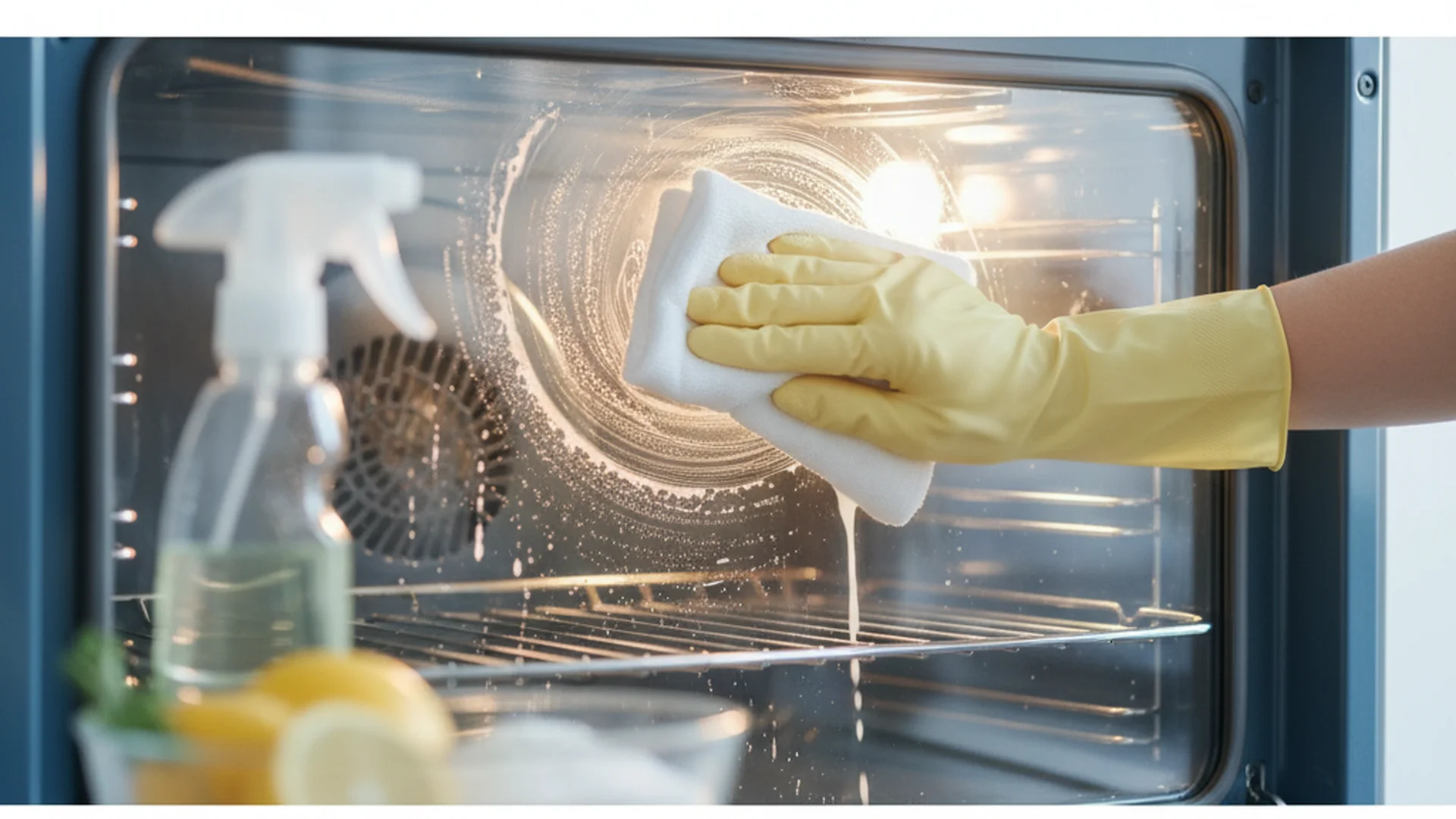
- Fill an oven-safe glass bowl with water and two halved lemons.
- Place it on the center rack and set the oven to 250°F.
- Run the oven for 20–30 minutes.
- Turn off the heat and keep the door closed for another 10 minutes to let the steam settle.
- Wipe the interior while it is still "slightly warm."
Success: This method not only loosens grease but also leaves your kitchen smelling incredibly fresh without any synthetic fragrances.
Cleaning Racks and Glass Like a Pro
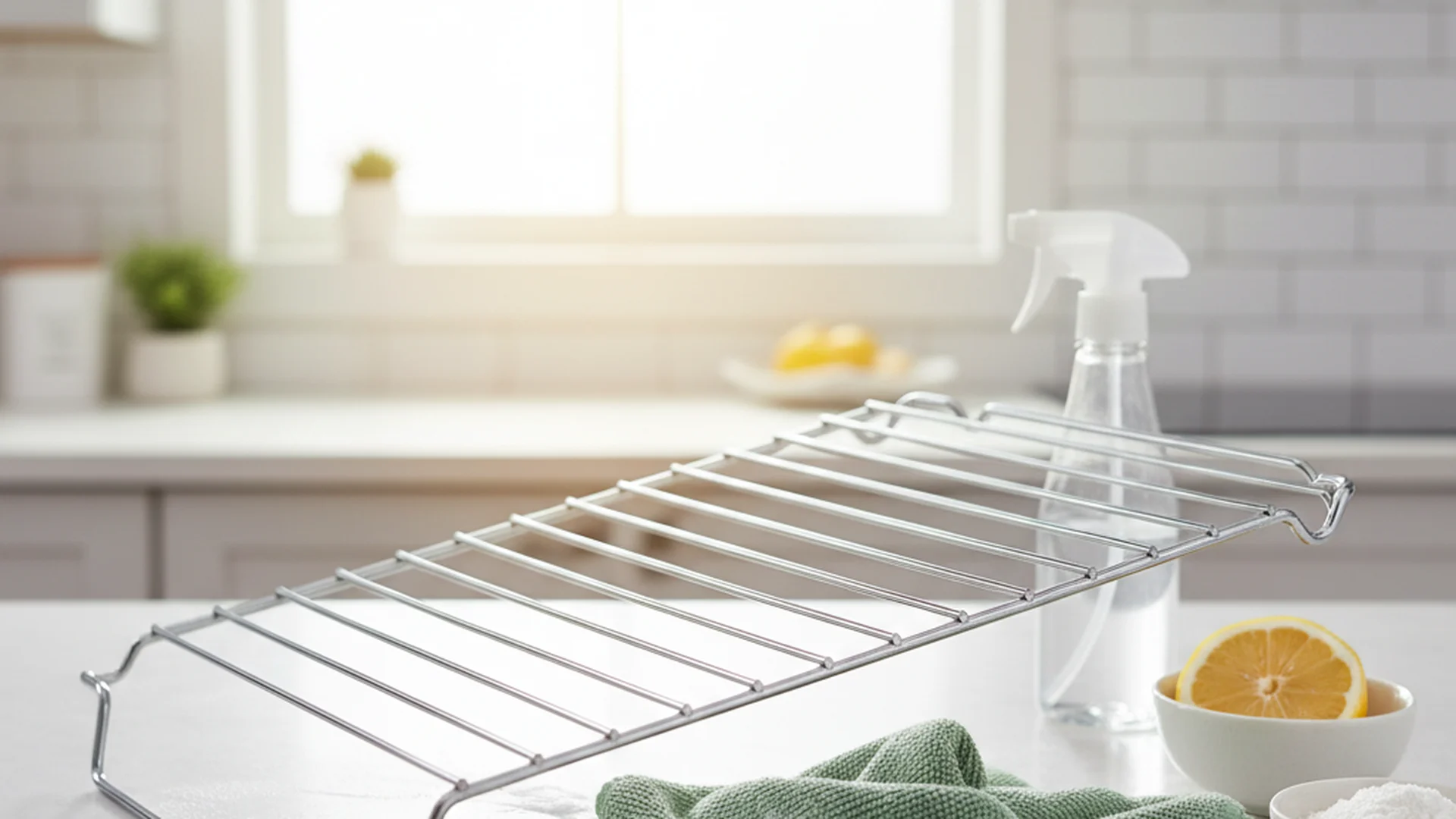
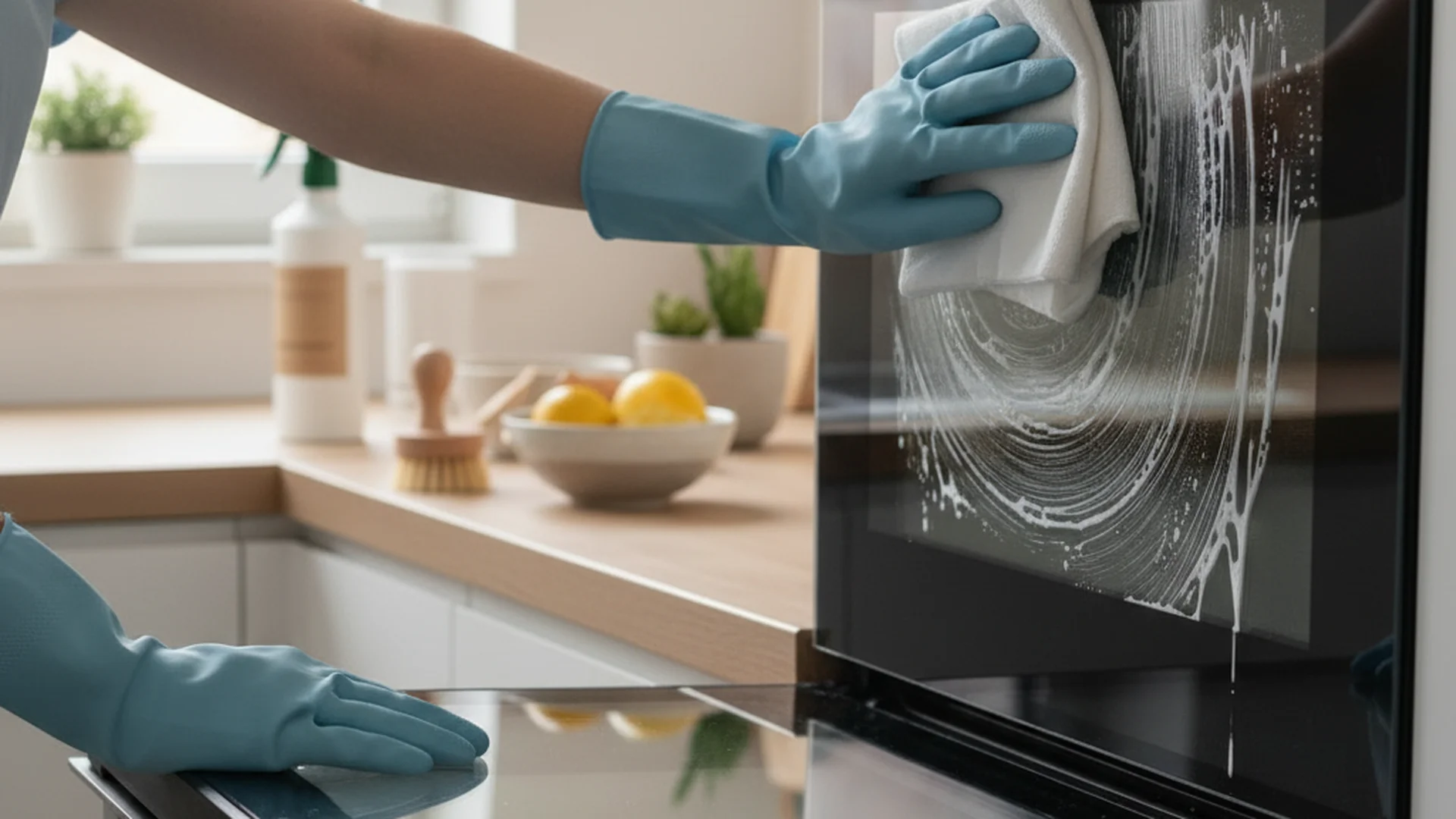
The racks and the glass door are often the hardest parts to get right. You should never use steel wool on oven glass, as it creates micro-scratches. Over time, these scratches weaken the tempered glass, potentially leading to a "shatter event" under high heat.
The Bathtub Soak for Racks
Instead of scrubbing for hours, take your racks to the bathtub. Line the tub with old towels (to prevent scratching the tub), lay the racks down, and fill with hot water. Add a few squirts of dish soap or two dissolved dishwasher tablets. Let them soak for 4 hours. The grease will literally slide off.
| Component | Cleaning Method | Tool to Use |
|---|---|---|
| Oven Glass | Baking Soda Paste | Specialized Glass Scraper |
| Metal Racks | Bathtub Soak | Non-abrasive Scrubby |
| Door Gasket | Damp Cloth | Microfiber |
| Heating Elements | Self-Cleaning (mostly) | None (leave alone) |
Warning: Never submerge or soak your oven's door gasket. Moisture trapped in the seal can lead to mold or cause the rubber to degrade, resulting in heat loss.
Real-World Examples: Success in the Kitchen
Example 1: The Holiday Pie Disaster During a busy Thanksgiving, Sarah’s cherry pie bubbled over, creating a sugary, burnt mess on the oven floor. Instead of waiting, she used the Salt Method. She sprinkled table salt over the bubbling mess immediately. Once the oven cooled, the salt had absorbed the moisture and grease, turning the spill into a brittle crust that she scraped away in seconds.
Example 2: The "Slightly Warm" Rule Marcus, a professional baker, never performs a "deep clean." Instead, he follows the slightly warm rule. Every time he finishes roasting, he waits 15 minutes for the oven to become safe to touch, then wipes the base with a damp microfiber cloth. This prevents food from "baking on" over multiple sessions.
Example 3: The Enzyme Revolution In 2026, many homeowners are switching to enzyme-based cleaners. These contain "living" bacteria that consume organic matter. Jessica used an enzyme spray on a 5-year-old oven she inherited in a new home. By spraying it and covering it with plastic wrap to keep it moist for 2 hours, the enzymes digested the grease, requiring zero scrubbing.
2026 Smart Oven Maintenance
Newer smart ovens (2026 models) now feature IoT-enabled cleaning sensors. These sensors track the efficiency of the heating elements. If grease buildup begins to interfere with thermal distribution, you’ll receive a notification on your smartphone.
However, be careful with the "Pyrolytic" (high-heat) self-clean mode. While modern versions are more energy-efficient than older ones, using them too frequently can burn out the sensitive electronic control boards. Stick to manual spot-cleaning for daily spills and reserve the high-heat cycle for once or twice a year.
Note: Always check your manual to see if your racks are "self-clean safe." Most are not and will lose their shiny finish and slide-ability if left inside during a high-heat cycle.
Common Mistakes to Avoid
- The Aluminum Foil Trap: Many people line the bottom of their oven with foil to catch drips. Do not do this. Foil can melt onto the oven floor, block vital airflow, and even cause the heating element to overheat and fail.
- The Chemical Cocktail: Never, under any circumstances, mix an ammonia-based oven cleaner with bleach. This creates toxic chloramine gas, which can be fatal.
- Neglecting the Seal: If your oven isn't holding temperature, check the rubber gasket. Grease buildup prevents a tight seal, making your appliance work harder and increasing your energy bills.
Frequently Asked Questions
How often should I deep clean my oven?
Can I clean the oven glass with a razor blade?
Why does my oven smell like chemicals after cleaning?
Is the self-cleaning cycle safe for my pets?
Conclusion
Finding the best way clean inside oven cavities doesn't have to be a daunting task. By utilizing natural reactions like baking soda and vinegar, or leveraging the power of steam, you can maintain a high-performance kitchen with minimal effort. Remember that the key to an easy clean is consistency. Addressing spills when they happen and performing a deep clean every few months will extend the life of your appliance and ensure your meals always taste their best.
Success: A clean oven heats more evenly, uses less energy, and significantly reduces the risk of kitchen fires.
Cleaning that keeps score
Every task earns points, every streak multiplies them, and Premium adds a household leaderboard plus a monthly Dustagorgon to beat.
- Free forever
- 30 badges to earn
- Up to 6 in a household
No card needed. Set up your rooms in a couple of minutes.