In this article
What you’ll learn
- Always check the manufacturer cleaning codes (W, S, S/W, X) before applying liquids.
- Vacuuming is the essential first step to prevent "mud" staining and remove up to 10,000 dust mites.
- Modern 2025 trends like UV-C sanitization and probiotic cleaners offer eco-friendly deep cleaning.
For many of us, the recliner is more than just a piece of furniture; it is the "throne" of the home. Whether you are unwinding after a long day or catching the big game, your recliner sees more action than almost any other seat in the house. However, because of this heavy use, it also becomes a magnet for sweat, crumbs, pet hair, and allergens. Learning how to clean recliner upholstery and maintain its mechanical components is essential for both your comfort and the longevity of your investment.
In 2025, home maintenance has taken a proactive turn. With so many households planning deep-clean routines this year, the demand for domestic efficiency is at an all-time high. Cleaning a recliner requires a delicate balance: you must treat the fabric with care while ensuring the metal reclining mechanism remains grit-free and functional. In this guide, we will explore the best way clean recliner units at home using professional-grade techniques and modern eco-friendly solutions.
Understanding Your Recliner’s Needs
Before you grab a scrub brush, you must understand what you are working with. Unlike a standard sofa, a recliner has moving parts and electrical components that can be damaged by improper cleaning.
Deciphering the Cleaning Codes
The most important step in learning how to clean recliner at home is finding the manufacturer’s tag. This is usually located under the footrest or behind the back flap.
| Code | Meaning | Cleaning Method |
|---|---|---|
| W | Water-based | Use water-based upholstery cleaner or mild dish soap. |
| S | Solvent-based | Use "dry clean" solvents only; water will leave rings. |
| S/W | Both | Safe for both water and solvent-based cleaners. |
| X | Vacuum Only | No liquids at all; professional cleaning recommended. |
Warning: Using a water-based cleaner on an "S" coded fabric can cause permanent shrinkage or water rings that are nearly impossible to remove.
The Essential Pre-Cleaning Checklist
Preparation is the difference between a refreshed chair and a ruined one. One of the most common mistakes is jumping straight to the liquid cleaner.
Step 1: The Deep Vacuum
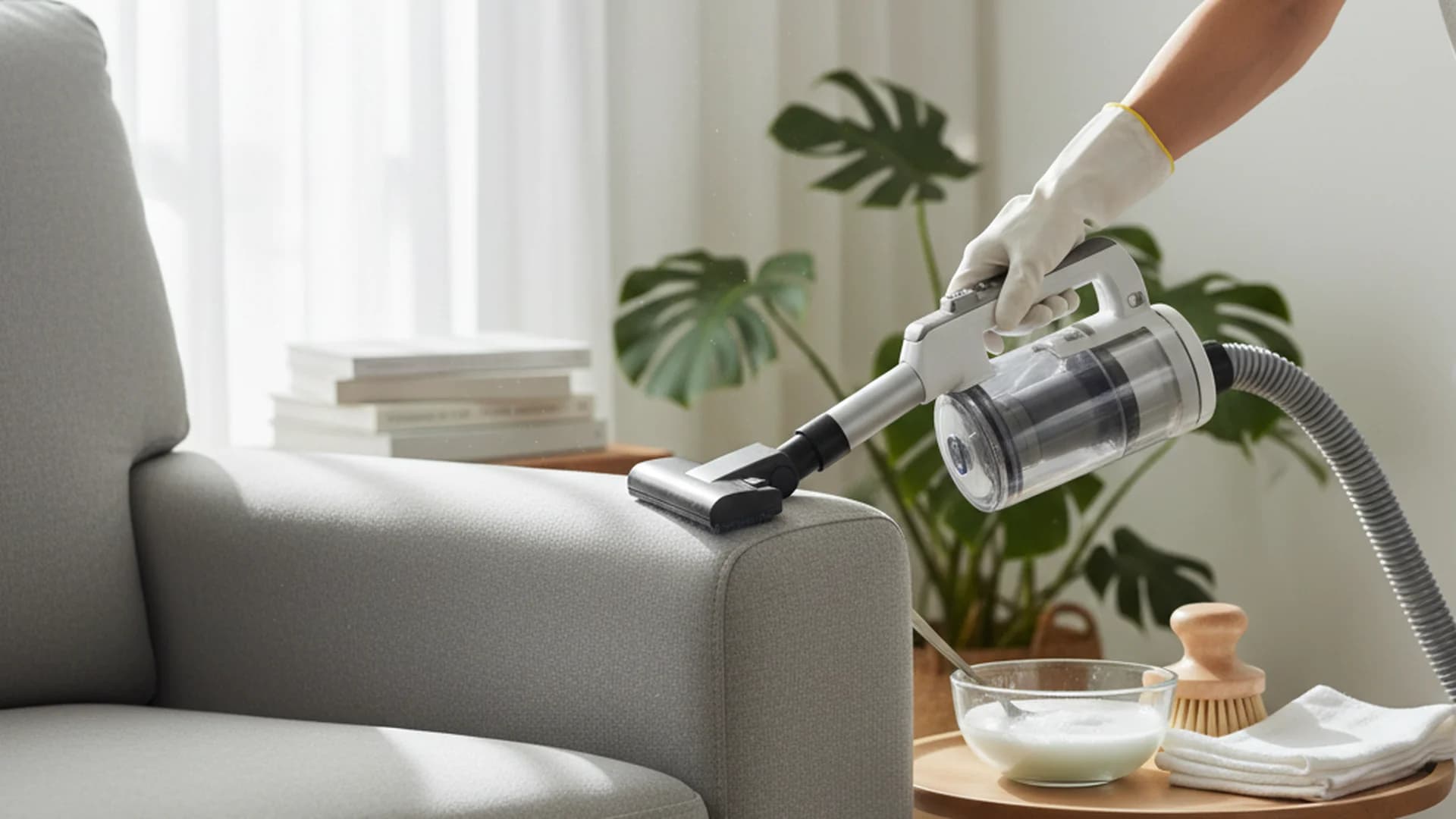
A recliner can harbor up to 10,000 dust mites and significant amounts of skin cells. Use a high-suction vacuum with a crevice tool. Ensure you extend the recliner fully to reach the "crumb trenches" where the seat meets the arms.
Tip: Always vacuum thoroughly before applying any liquid. Adding water to a dusty recliner creates "mud" that pushes deeper into the fibers.
Step 2: Mechanical Inspection
If you have a power recliner, unplug it now. Check the "track" for debris. Small items like coins, pet toys, or even pens can jam the motor or create friction that leads to mechanical failure.
Step-by-Step Guide: How to Clean Recliner Upholstery
Once you have identified your code and vacuumed the surface, follow this process for the best way clean recliner materials.
1. Spot Treatment (The "Blot, Don't Rub" Rule)
If you have specific stains—like a coffee spill or a grease mark—treat them first. Apply your cleaner to a white microfiber cloth, not the chair itself.
Success: Blotting pulls the stain up into the cloth. Rubbing pushes the stain deeper and can damage the fabric’s "nap" or texture.
2. General Surface Cleaning
For "W" or "S/W" fabrics, mix a small amount of mild detergent with distilled water.
Note: Using distilled water avoids the mineral rings often left by hard tap water.
Lightly mist the fabric and agitate with a soft-bristled brush in circular motions. For "S" fabrics, use a commercial upholstery solvent in a well-ventilated room.
3. Handheld Spot Extractors
In 2025, portable "spot" extractors (like the popular handheld Bissell models) have become the gold standard for DIY maintenance. These machines inject a cleaning solution and immediately suck it back out, preventing the moisture from reaching the inner foam.
Material-Specific Care Tips
Different materials require vastly different approaches to remain in peak condition.
Leather and Faux Leather
Leather is durable but porous. It absorbs body oils and salts, which can cause it to crack over time. Use a pH-balanced leather cleaner and always follow up with a leather conditioner every six months.
Warning: Avoid using baby wipes on leather. The alcohols and oils in wipes can degrade the protective topcoat of the leather over time.
Microfiber
Microfiber is notorious for water spotting. Often, microfiber responds best to high-percentage isopropyl alcohol in a spray bottle. It evaporates quickly, preventing the "ring" effect. Once dry, use a soft brush to restore the fabric’s softness.
Advanced 2025 Cleaning Trends
Domestic efficiency has evolved. Here are the latest methods worth trying this year:
- UV-C Sanitization: Many homeowners are now using handheld UV-C wands. After vacuuming, passing a UV-C light over the fabric kills bacteria and viruses without adding moisture.
- Probiotic Cleaners: These "living" cleaners use beneficial bacteria to "eat" organic stains like pet urine or food spills over 24–48 hours. They are 100% eco-friendly and prevent the need for harsh chemicals.
- Low-Moisture Encapsulation: This technology involves a foam that crystalizes around dirt particles, which can then be vacuumed away, meaning your chair is dry and ready to use in under an hour.
Common Mistakes to Avoid
Even the most well-intentioned cleaning can go wrong. Avoid these frequent pitfalls:
- Over-Wetting: The biggest mistake is soaking the cushion. If moisture reaches the inner foam, it can lead to mold and mildew within 48 hours.
- Skipping the Spot Test: Always test your cleaner on a hidden area (like the back-bottom of the chair) to check for colorfastness.
- Ignoring the Squeak: Cleaning the fabric won't fix a noisy chair. If your recliner squeaks, use a silicone-based lubricant on the metal joints—not WD-40, which can attract more dust.
Real-World Example: The "Toddler Trap"
David, a homeowner in Seattle, found his power recliner was moving slowly. Upon inspection, he found a small plastic toy wedged in the track. By clearing the debris and vacuuming the motor area, he saved the motor from burning out, proving that mechanical cleaning is just as vital as fabric care.
Frequently Asked Questions
What do the cleaning codes mean?
Can I use a steam cleaner on my recliner?
How often should I clean my recliner?
How do I stop my recliner from squeaking?
Conclusion
Mastering how to clean recliner furniture is about more than just aesthetics; it’s about hygiene, mechanical health, and comfort. By following the "blot, don't rub" rule, using distilled water, and staying updated with 2025's eco-friendly trends like probiotic cleaners, you can keep your favorite chair in showroom condition for years to match. Remember, the best way clean recliner units stay functional is through a combination of surface care and mechanical maintenance.
Success: Consistent maintenance can extend the life of your recliner by up to 50%, saving you thousands in replacement costs.
Cleaning that keeps score
Every task earns points, every streak multiplies them, and Premium adds a household leaderboard plus a monthly Dustagorgon to beat.
- Free forever
- 30 badges to earn
- Up to 6 in a household
No card needed. Set up your rooms in a couple of minutes.