In this article
What you’ll learn
- Always check the manufacturer's cleaning code (W, S, S-W, or X) before applying liquids.
- Microfiber is oleophilic, meaning it attracts skin oils and requires targeted cleaning.
- Cross-hatch grooming after drying is the secret to restoring a couch's soft texture.
Microfiber couches are a staple in modern homes for a reason: they are durable, stylish, and generally resistant to the chaos of daily life. However, because microfiber is a synthetic material—typically a polyester and nylon blend with fibers 1/100th the diameter of a human hair—it requires a specific touch when it comes to maintenance. If you have been wondering how to clean microfiber couch cushions without leaving behind unsightly water rings or a "crunchy" texture, you are in the right place.
Cleaning a microfiber couch at home doesn't have to be a daunting task. By understanding the science of the fabric and following a few professional protocols, you can extend the life of your furniture by three to five years. In this guide, we will break down the essential methods, from the "Alcohol Spritz" to the latest bio-enzymatic trends for 2025.
Understanding Your Microfiber Couch
Before grabbing a scrub brush, it is vital to understand what you are working with. Microfiber is "oleophilic," which is a fancy way of saying it loves oil. This is why you’ll notice headrests and armrests darkening over time; the fabric is literally drinking in human skin and hair oils.
Furthermore, the average American home generates about 4 pounds of dust per year. A significant portion of that dust settles into the dense weave of your couch. If you don't vacuum regularly, adding a liquid cleaner to a dusty couch creates a "mud" that gets pushed deeper into the cushions, making the stain even harder to remove.
Note: Regular maintenance, including weekly vacuuming, can prevent the "4-pound rule" of dust from degrading your sofa's synthetic fibers.
Step 1: Decode the Cleaning Tag
The most critical step in learning the best way clean microfiber couch surfaces is finding the care tag. Usually located under the cushions or on the bottom of the frame, this tag dictates which cleaning agents are safe.
| Cleaning Code | Meaning | Recommended Cleaning Agent |
|---|---|---|
| W | Water-based | Mild dish soap and water |
| S | Solvent-based | Rubbing alcohol or dry-cleaning solvent |
| S-W | Both | Water or solvent-based cleaners |
| X | Vacuum only | No liquids; professional cleaning only |
Warning: Using a water-based cleaner on an "S" coded couch can cause permanent water rings and fabric shrinkage. Always test a small, inconspicuous area first.
Step 2: The Best Cleaning Methods for 2025
Depending on your couch’s code, you will use one of the two primary methods below.
The "Alcohol Spritz" Method (For "S" and "S-W" Codes)
For couches that can't handle water, 70% or 91% isopropyl alcohol is your best friend. Unlike water, alcohol evaporates quickly and won't saturate the internal foam.
- Vacuum: Use an upholstery attachment to remove all loose debris.
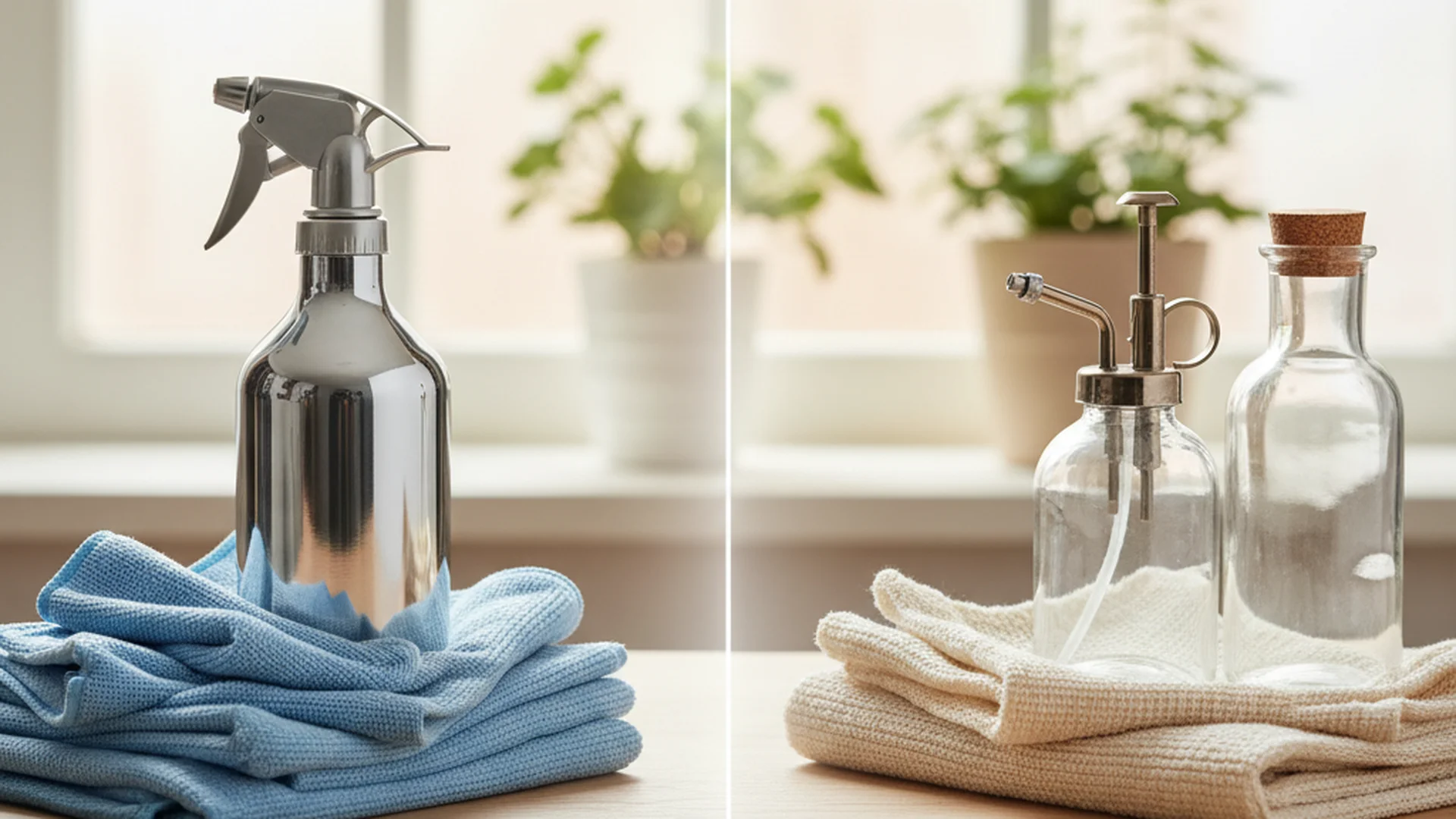
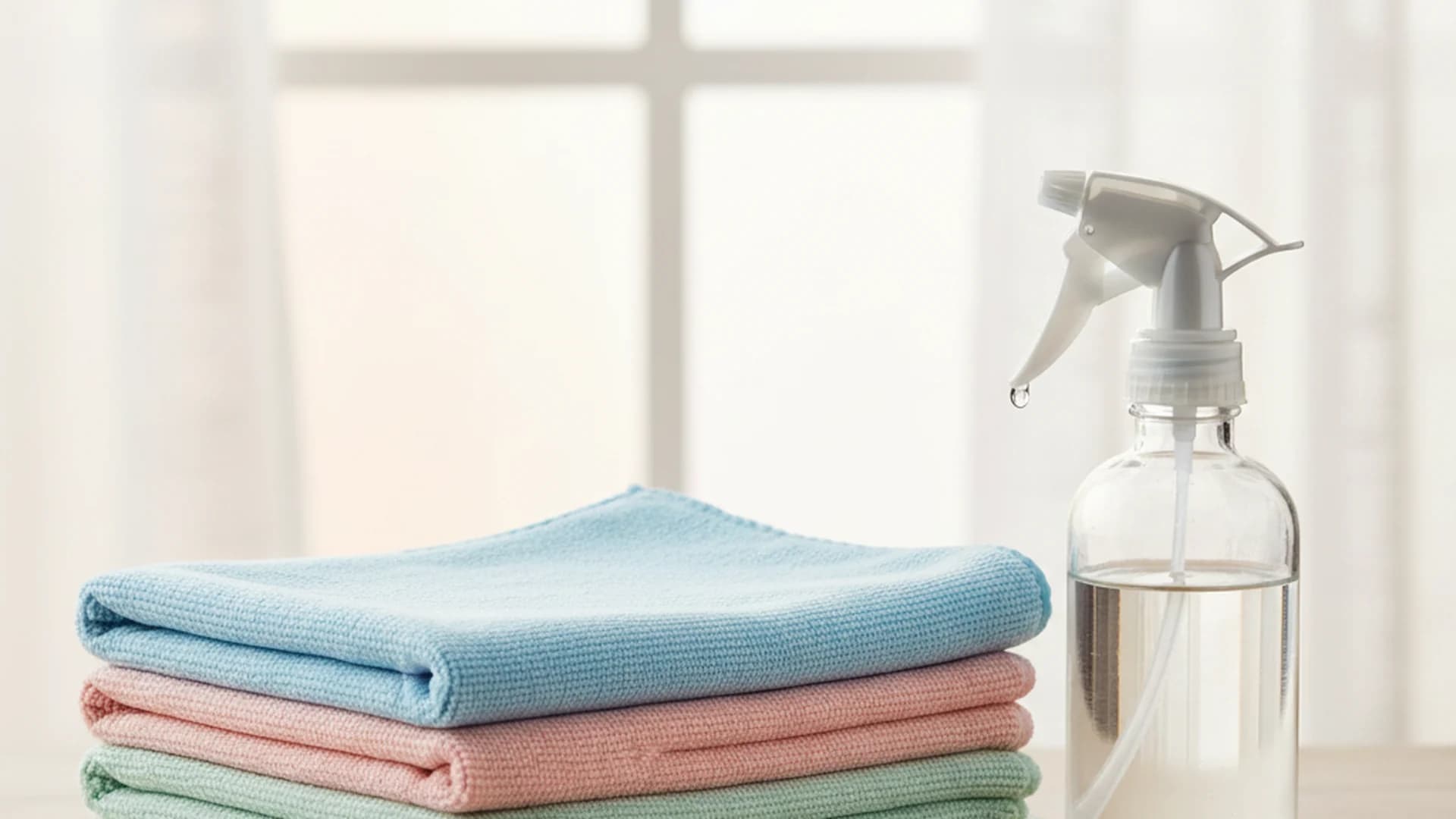
- Mist: Fill a spray bottle with rubbing alcohol and lightly mist a section.
- Scrub: Use a clean, white sponge (to avoid color transfer) and scrub in gentle, circular motions.
- Dry: The alcohol will evaporate quickly, but you can use a fan to speed up the process.
The "Suds Only" Technique (For "W" and "S-W" Codes)
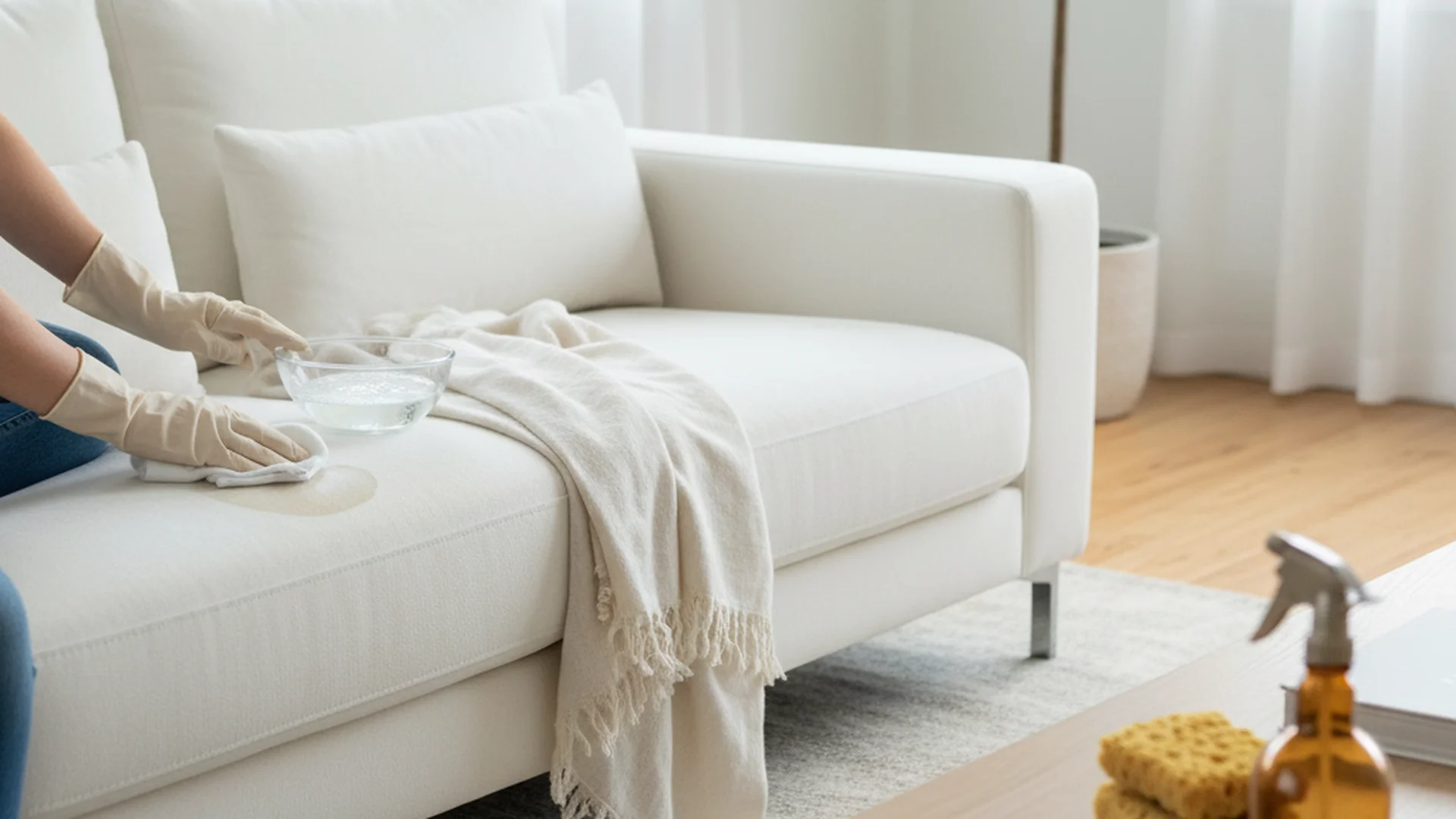
If your couch is water-safe, the biggest mistake you can make is dumping a bucket of soapy water on it. Instead, use the foam.
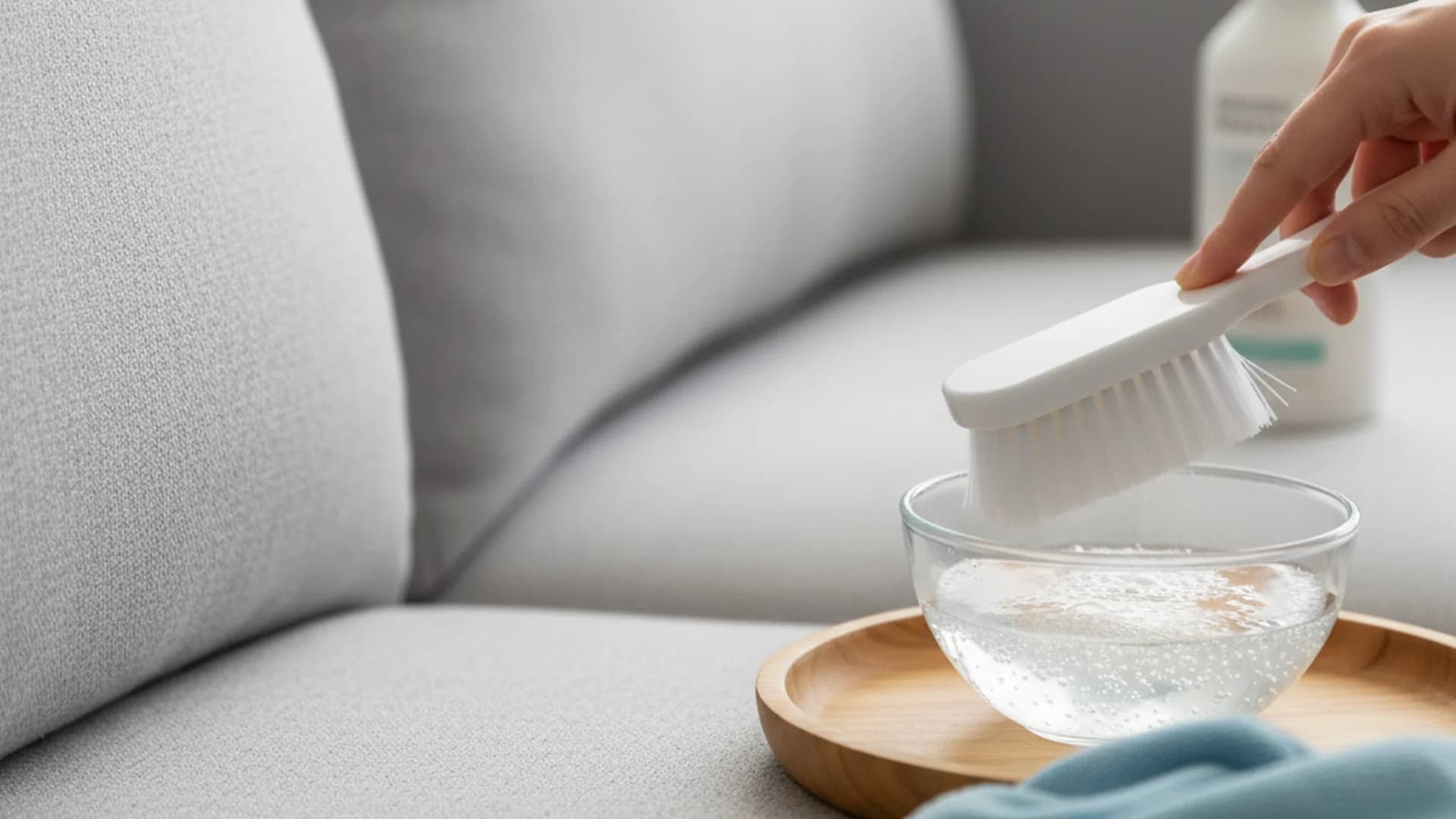
- Mix: Combine a few drops of clear dish soap with water in a bowl and whisk vigorously until a thick foam forms.
- Apply: Dip a soft-bristled brush only into the suds.
- Agitate: Lightly work the suds into the fabric. This prevents the moisture from soaking into the cushion foam, which can lead to mold.
Tip: For a modern 2025 approach, look for bio-enzymatic cleaners. These are increasingly popular because they "eat" organic oils and proteins (like pet dander or sweat) that traditional soaps might leave behind.
Step 3: Drying and Post-Clean Grooming
One of the most common complaints after a DIY clean is that the couch feels stiff. This happens because the tiny microfibers become matted during the drying process.
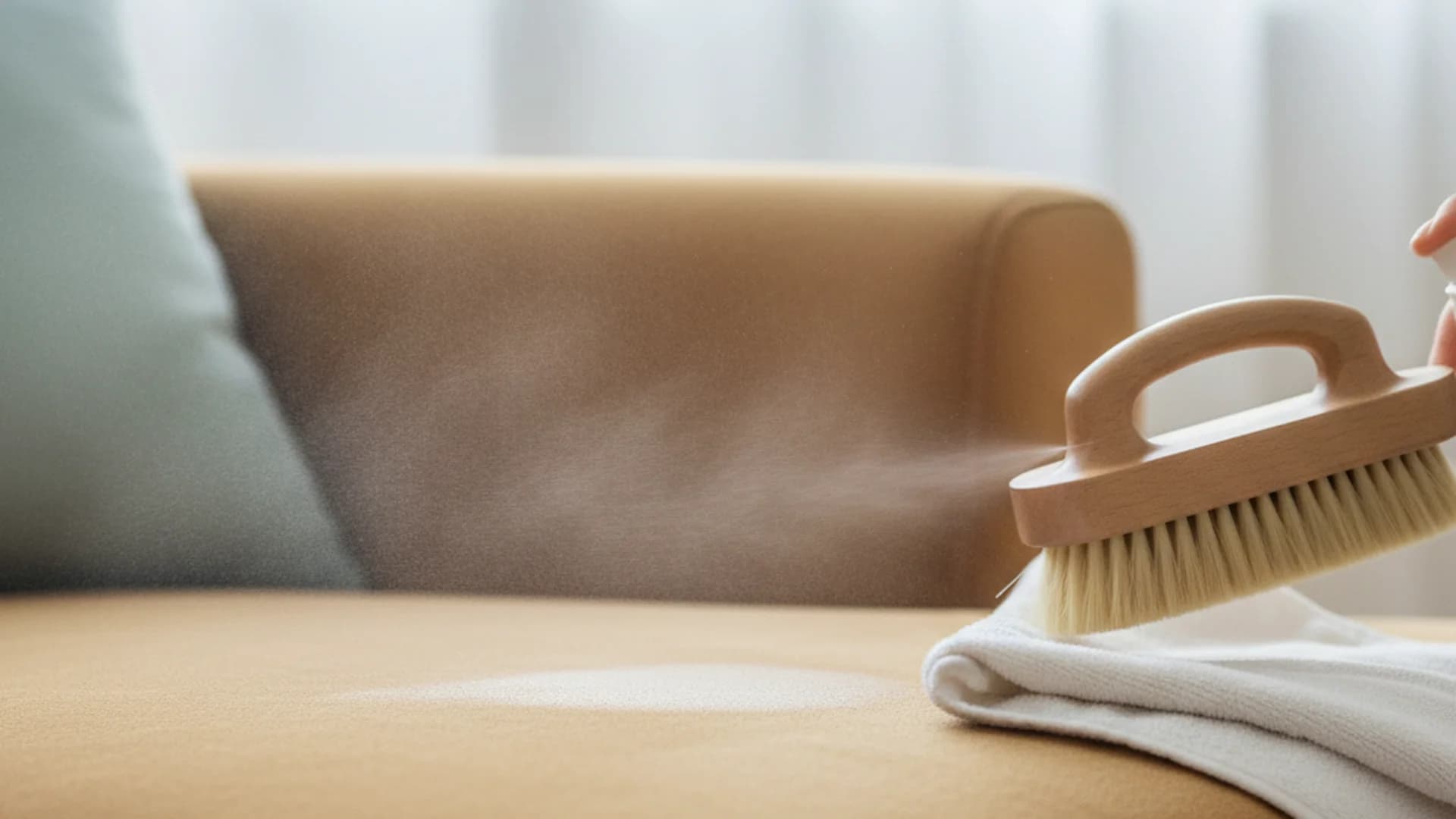
To fix this, wait until the couch is 100% dry. Then, take a soft-bristled brush (a suede brush or even a clean dish brush) and "groom" the fabric in a cross-hatch pattern. This breaks up the stiffness and restores that signature "peach-fuzz" feel.
Success: Properly grooming the fibers after a deep clean can make a five-year-old couch look and feel like it just left the showroom.
Real-World Examples
Example 1: The Coffee Spill
A homeowner with a "W" code couch spilled a latte. Instead of soaking the spot with water, they used the "Suds Only" technique. By using only the foam and drying the area immediately with a hairdryer on a "cool" setting, they prevented a water ring from forming.
Example 2: The Pet Odor Overhaul
A family with two golden retrievers noticed their microfiber sectional smelled like "wet dog." Following 2025 trends, they used a bio-enzymatic spray designed for "S" fabrics. The enzymes broke down the organic odors at the molecular level, rather than just masking them with fragrance.
Example 3: The "Crunchy" Recovery
After a deep clean, a user found their couch felt like sandpaper. They used a clean white scrub pad to gently "buff" the surface in circular motions. Within ten minutes, the fibers stood back up, and the softness returned.
Common Mistakes to Avoid
- Using Bleach or Ammonia: These harsh chemicals can strip the color from synthetic fibers and lead to "thin spots" or holes over time.
- Over-Saturating the Fabric: Microfiber is not waterproof. Once liquid breaks the surface tension, it is highly absorbent. Excess water can lead to mold and mildew inside the foam.
- Scrubbing Too Hard: Aggressive scrubbing can "burnish" the fibers, creating a permanent shiny or smooth patch that ruins the uniform look of the upholstery.
- Skipping the Vacuum: Applying liquid to a dusty couch is a recipe for disaster. Always vacuum thoroughly before you begin spot cleaning.
Note: If you are dealing with a new "Performance Fabric," remember that many feature a factory-applied water repellent. You usually have about 10 minutes to blot a spill before it actually soaks into the fiber.
Frequently Asked Questions
Why is my couch crunchy/stiff after cleaning?
How do I remove water rings from microfiber?
Can I use a steam cleaner on my microfiber couch?
How do I remove hair and skin oil stains?
Conclusion
Learning how to clean microfiber couch furniture is a skill that pays off in the long run. By identifying your cleaning code, using the right solvents, and never skipping the post-clean grooming, you can keep your living room looking pristine for years to come. Whether you are dealing with a fresh spill or years of accumulated dust, the "less is more" approach to moisture is always your best bet.
Cleaning that keeps score
Every task earns points, every streak multiplies them, and Premium adds a household leaderboard plus a monthly Dustagorgon to beat.
- Free forever
- 30 badges to earn
- Up to 6 in a household
No card needed. Set up your rooms in a couple of minutes.