In this article
What you’ll learn
- Always check the manufacturer cleaning code (W, S, WS, X) before applying liquids.
- Regular vacuuming and baking soda treatments clear out most of the dust and dust mites a couch collects.
- Never scrub a stain; blotting from the outside in prevents fiber damage and deep penetration.
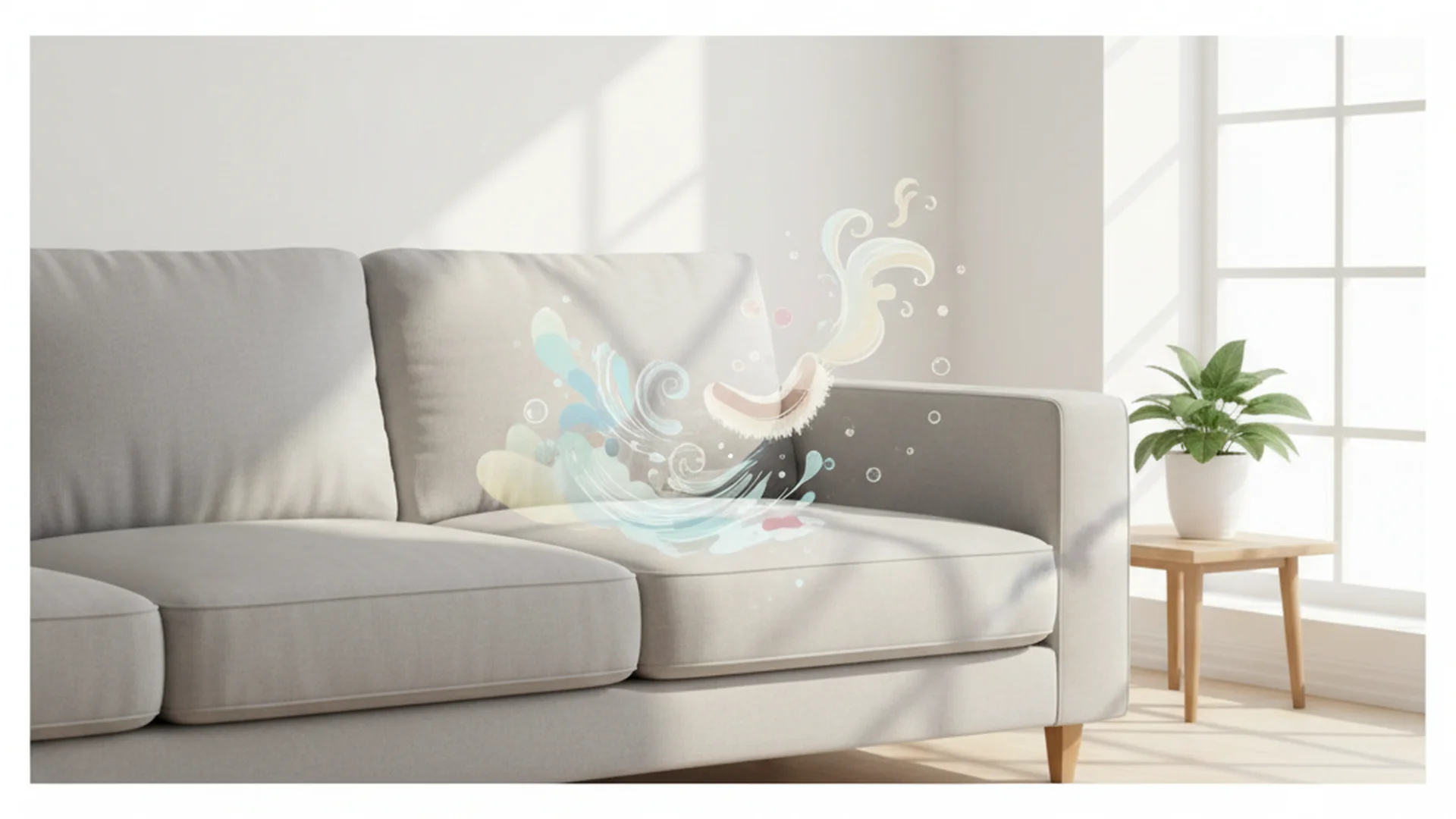
Your couch is the heart of your living room. It’s where you binge-watch your favorite shows, nap on Sunday afternoons, and host friends for coffee. However, because it is so central to your daily life, it also acts as a giant "dust magnet." Knowing how to clean couch surfaces effectively is about more than just aesthetics; it is essential for home hygiene and the longevity of your furniture. Sofas soak up a huge share of the dust mites and bacteria floating around a home, acting as a massive filter for your indoor air.
In this guide, we will explore the best way how to clean couch upholstery, from deciphering cryptic care tags to using the latest 2026 cleaning technologies. Whether you are dealing with a fresh wine spill or years of accumulated pet dander, these practical steps will help you restore your sofa to its former glory.
Understanding the "Invisible" Dirty Couch
Before we dive into the scrubbing and vacuuming, it is important to understand what is actually living in your cushions. A typical used couch can contain millions of microorganisms, and in homes with pets the allergen load on upholstery climbs considerably higher.
Furthermore, microscopic abrasive grit—the kind you can’t see—acts like sandpaper on fabric fibers. Every time you sit down, you grind that grit into the material. Professional deep cleaning every 6 to 12 months can meaningfully extend the lifespan of your furniture simply by removing these abrasive particles.
Note: Most allergens and pollutants are microscopic. A couch that "looks clean" can still harbor significant amounts of skin cells and dust mites.
Step 1: Deciphering the Cleaning Codes
The most critical step in learning how to clean couch fabric is looking at the care tag. Using the wrong cleaning agent can lead to permanent water rings, fabric shrinkage, or even chemical burns on the material.
| Code | Meaning | Cleaning Method |
|---|---|---|
| W | Water-based | Use water-based upholstery cleaner or mild soap. |
| S | Solvent-based | Use water-free solvents (dry clean only). |
| WS | Both | Safe for water-based or solvent-based cleaners. |
| X | Vacuum Only | No liquids at all; professional cleaning required for stains. |
Warning: Never use a steam cleaner on an "S" or "X" coded couch. Heat and moisture can shrink certain synthetic fabrics or ruin solvent-only materials.
Step 2: The Deep Vacuum and Prep
You cannot deep clean a couch if it is covered in loose debris. Start by removing all cushions. Use the crevice tool on your vacuum to get deep into the corners where crumbs, hair, and loose change congregate.
Don't Ignore the Frame
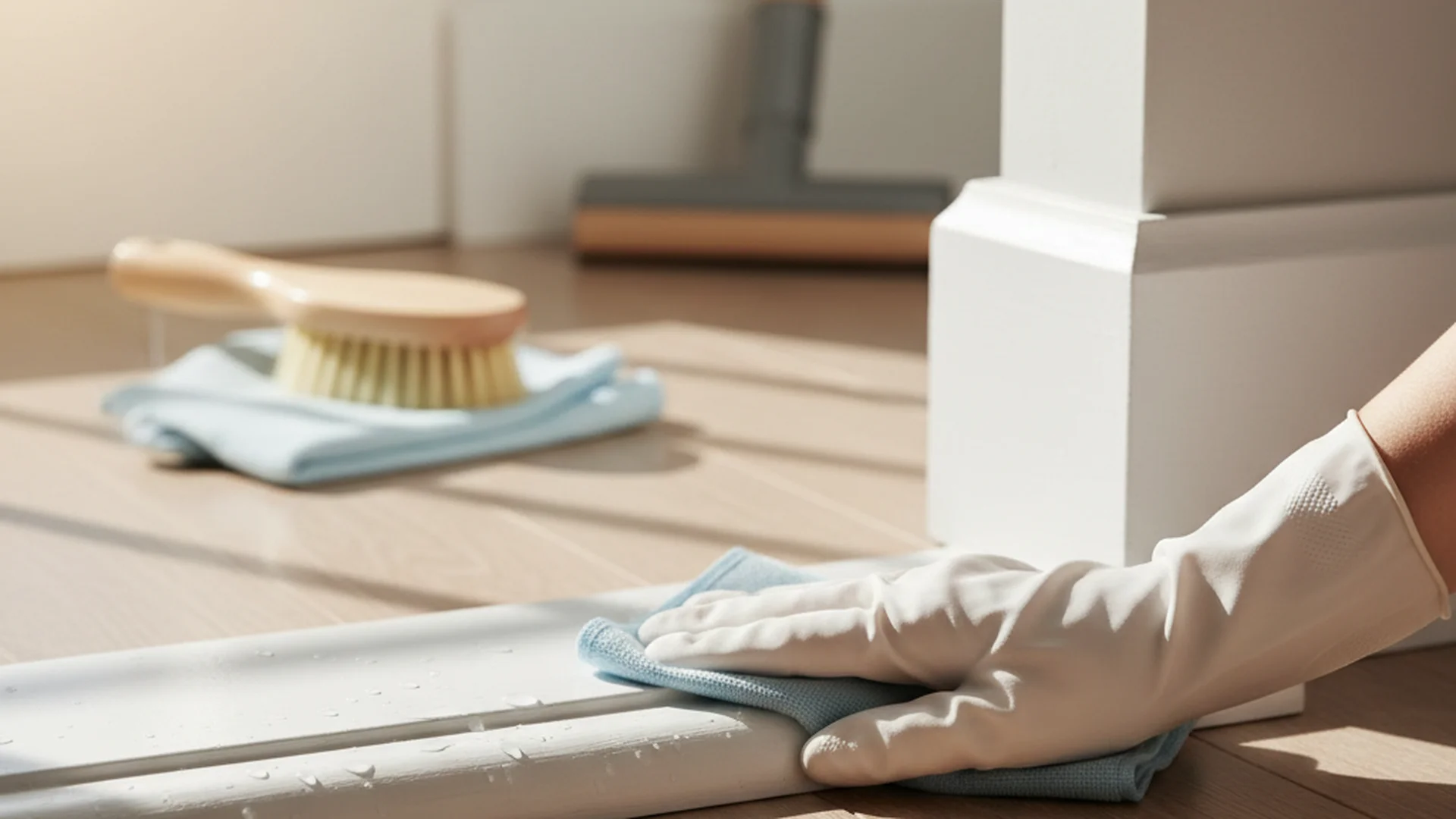
A common mistake is focusing only on the cushions. People often forget to wipe down the wooden or metal legs and the "inner" frame under the cushions, where most debris actually collects. Use a damp microfiber cloth for the hard surfaces of the frame.
Tip: Use a soft-bristled upholstery brush to "groom" the pile of velvet or microfiber sofas after vacuuming to prevent the fabric from looking matted.
Step 3: How to Clean Couch Quickly with Baking Soda
If you are looking for how to clean couch quickly to remove odors rather than deep stains, baking soda is your best friend. It is highly effective at neutralizing pH levels and absorbing oils.
- Sprinkle a generous layer of baking soda over the entire surface of the couch.
- Let it sit for at least 20 to 30 minutes.
- For heavy pet odors, let it sit for up to two hours.
- Vacuum thoroughly using the upholstery attachment.
Success: This method is a favorite for 2025-2026 home organizers because it is chemical-free and safe for homes with small children and pets.
Step 4: Material-Specific Cleaning Techniques
The best way how to clean couch upholstery depends heavily on the material. Here are three real-world examples of how to handle specific fabrics:
Example 1: The Microfiber Rubbing Alcohol Trick
Microfiber is notorious for "water spotting." If you use water to clean a spill, it often leaves a ring that looks worse than the original stain. Solution: Fill a spray bottle with rubbing alcohol. Mist the area and scrub lightly with a white sponge. Because alcohol evaporates faster than water, it won't leave a ring.
Example 2: The Red Wine Spill (Blot, Don't Scrub)
Imagine a glass of red wine tips over on your "W" coded fabric couch. Solution: Immediately grab a clean white cloth. Blot from the outside of the spill toward the center. This prevents the stain from spreading. Never scrub, as scrubbing pushes the liquid deeper into the foam padding and frays the fibers.
Example 3: Leather Conditioning
Leather doesn't need "washing" in the traditional sense; it needs hydration. Solution: Dust weekly with a dry microfiber cloth. Every six months, apply a dedicated leather conditioner. This prevents the leather from cracking due to sunlight or dry indoor air.
Tip: Keep your couch out of direct sunlight or use UV-blocking window films to prevent fabric fading and leather drying.
Recent Trends in Couch Cleaning (2025–2026)
As we move into 2026, cleaning technology has evolved. Here are the latest trends:
- UV-C Sanitization: Handheld UV-C light wands are now widely used to kill 99.9% of bacteria and viruses on upholstery without using a single drop of water or chemicals.
- Dry-Steam Technology: This professional-grade method uses high-pressure steam that contains only 5% water. It sanitizes deeply while allowing the couch to dry in under two hours, significantly reducing the risk of mold.
- Plant-Based Surfactants: More homeowners are ditching ammonia-based cleaners for biodegradable options (like those from Seventh Generation or Blueland) that are safer for the environment and indoor air quality.
Common Mistakes to Avoid
- Using Too Much Water: This is the #1 mistake. Over-wetting leads to "browning" (water stains), rusted staples, and internal mildew.
- Skipping the Test Patch: Never apply a new cleaner to the middle of a cushion. Always test a hidden spot (like the back or under the skirt) to check for color bleeding.
- Using Dish Soap Indiscriminately: While a tiny drop is fine, too much soap leaves a sticky residue that actually attracts more dirt once it dries.
- Ignoring the 24-Hour Rule: If a couch remains damp for more than 24–48 hours, mold spores can settle in the internal foam. If your couch isn't dry by the next day, use floor fans to accelerate the process.
Frequently Asked Questions
How often should I clean my couch?
How do I get rid of pet odors permanently?
Will a wet couch grow mold?
Can I use a carpet cleaner on my couch?
Conclusion
Mastering how to clean couch surfaces is a vital skill for any homeowner. By understanding your fabric's cleaning codes, utilizing the power of baking soda for quick refreshes, and avoiding the common pitfall of over-wetting, you can keep your living room's centerpiece looking and smelling brand new. Remember, the best way how to clean couch upholstery is through consistent maintenance and immediate action when spills occur.
Success: Following these steps will keep your home hygienic, improve your indoor air quality, and extend the life of your furniture by years.
Cleaning that keeps score
Every task earns points, every streak multiplies them, and Premium adds a household leaderboard plus a monthly Dustagorgon to beat.
- Free forever
- 30 badges to earn
- Up to 6 in a household
No card needed. Set up your rooms in a couple of minutes.