In this article
What you’ll learn
- High-quality split microfiber removes 99% of bacteria with just water.
- GSM (Grams per Square Meter) is the most critical metric for choosing the right cloth.
- Never use fabric softener or high heat, as they destroy the synthetic fibers.
In the world of domestic efficiency, few tools have revolutionized the way we maintain our living spaces as much as the microfiber cloth. As we move into 2025, the technology behind these synthetic wonders has evolved from basic cleaning rags into specialized instruments capable of microscopic precision. Finding the best microfiber cloths is no longer just about picking up a cheap pack at the grocery store; it is about understanding the science of fiber density, weave types, and sustainable manufacturing. Whether you are a car detailing enthusiast or a homeowner looking to reduce chemical usage, choosing the right microfiber can mean the difference between a streaky surface and a pristine, laboratory-clean finish.
The Science Behind the Best Microfiber Cloths
To understand why the best microfiber cloths 2025 recommendations consistently outperform traditional cotton, we have to look at the microscopic level. Microfiber is typically a blend of polyester and polyamide (nylon). However, the "magic" happens during the manufacturing process when these fibers are "split."
When fibers are split, they create a star-shaped cross-section. These tiny channels act like a vacuum, pulling in dust, grease, and even pathogens. While a standard cotton fiber is round and simply pushes dirt around, a split microfiber hooks onto particles and lifts them away from the surface.
The 1/100th Rule
A single microfiber is approximately 1/100th the diameter of a human hair. This incredible fineness allows the cloth to reach into the microscopic pores of surfaces like granite, stainless steel, and glass—crevices that standard cleaning tools simply skip over. This is why high-quality microfiber can remove up to 99% of bacteria and 93% of viruses using nothing but water.
Note: Not all microfiber is created equal. Cheap "non-split" microfiber is often found in the apparel industry. For cleaning, always ensure your labels specify "split microfiber" for maximum efficacy.
Top Recommendations: Best Microfiber Cloths Reviews for 2025–2026
Based on extensive testing and performance data for the 2025-2026 cycle, we have categorized the top performers in the market. These selections represent the pinnacle of durability, absorption, and task-specific engineering.
| Category | Top Pick | Key Feature |
|---|---|---|
| Best Overall (Home) | Mr. Siga Microfiber | Durable, 12-pack, color-coded for cross-contamination. |
| Best for Glass | E-Cloth Window Kit | Two-cloth system (waffle weave + polishing) that uses only water. |
| Best for Car Detailing | The Rag Company (The Gauntlet) | High GSM (70/30 blend) for scratch-free drying. |
| Best Anti-Microbial | Norwex EnviroCloth | Features "BacLock" (silver-ion) technology to self-purify. |
| Best Eco-Friendly | Bona Recycled Cloths | Made from 80% recycled post-consumer plastic. |
| Best Budget | Amazon Basics | 24-pack; ideal for high-grime tasks. |
Success: Using a dedicated glass cloth like the E-Cloth can eliminate the need for chemical sprays entirely, saving the average household over $50 a year in cleaning supplies.
Understanding GSM: The Weight of Quality
When reading best microfiber cloths reviews, you will frequently encounter the term "GSM," which stands for Grams per Square Meter. This is the industry standard for measuring the density and thickness of a cloth.
200–300 GSM: Light Duty
These are thin, often silky cloths. They are ideal for delicate tasks where you don't want a lot of bulk.
- Best For: Eyeglasses, smartphone screens, camera lenses, and light dusting of electronics.
- Pro Tip: Keep one in your laptop bag to remove oil from the screen without needing liquids.
300–400 GSM: Multi-Purpose
This is the "sweet spot" for general home cleaning. These cloths have enough "bite" to scrub away dried food on counters but are soft enough for most surfaces.
- Best For: Kitchen counters, bathroom sinks, and dusting furniture.
- Pro Tip: These are the workhorses of your cleaning arsenal.
400–600+ GSM: Heavy Duty and Polishing
These are thick, plush cloths that feel like a high-end bath towel. They are designed to hold massive amounts of water or to provide a "buffer" for delicate surfaces.
- Best For: Drying a car after a wash, buffing wax, or cleaning high-gloss piano finishes.
- Warning: Thick cloths can take much longer to dry, so ensure they are hung in a well-ventilated area to prevent mildew.
Expert Techniques for Maximum Efficiency
Owning the best microfiber cloths is only half the battle; how you use them determines their lifespan and effectiveness.
The Folding Technique
Professional cleaners rarely "scrunch" their cloths. Instead, they use the folding method. Fold a standard 16x16 inch cloth into quarters. This gives you four clean surfaces on one side. Once those are dirty, flip the fold to get four more. This provides 8 fresh cleaning surfaces per cloth, preventing you from simply wiping old dirt back onto a new surface.
Color-Coding Your Home
To maintain domestic hygiene, it is vital to prevent cross-contamination. You do not want the cloth used on the toilet to end up on the kitchen dining table.
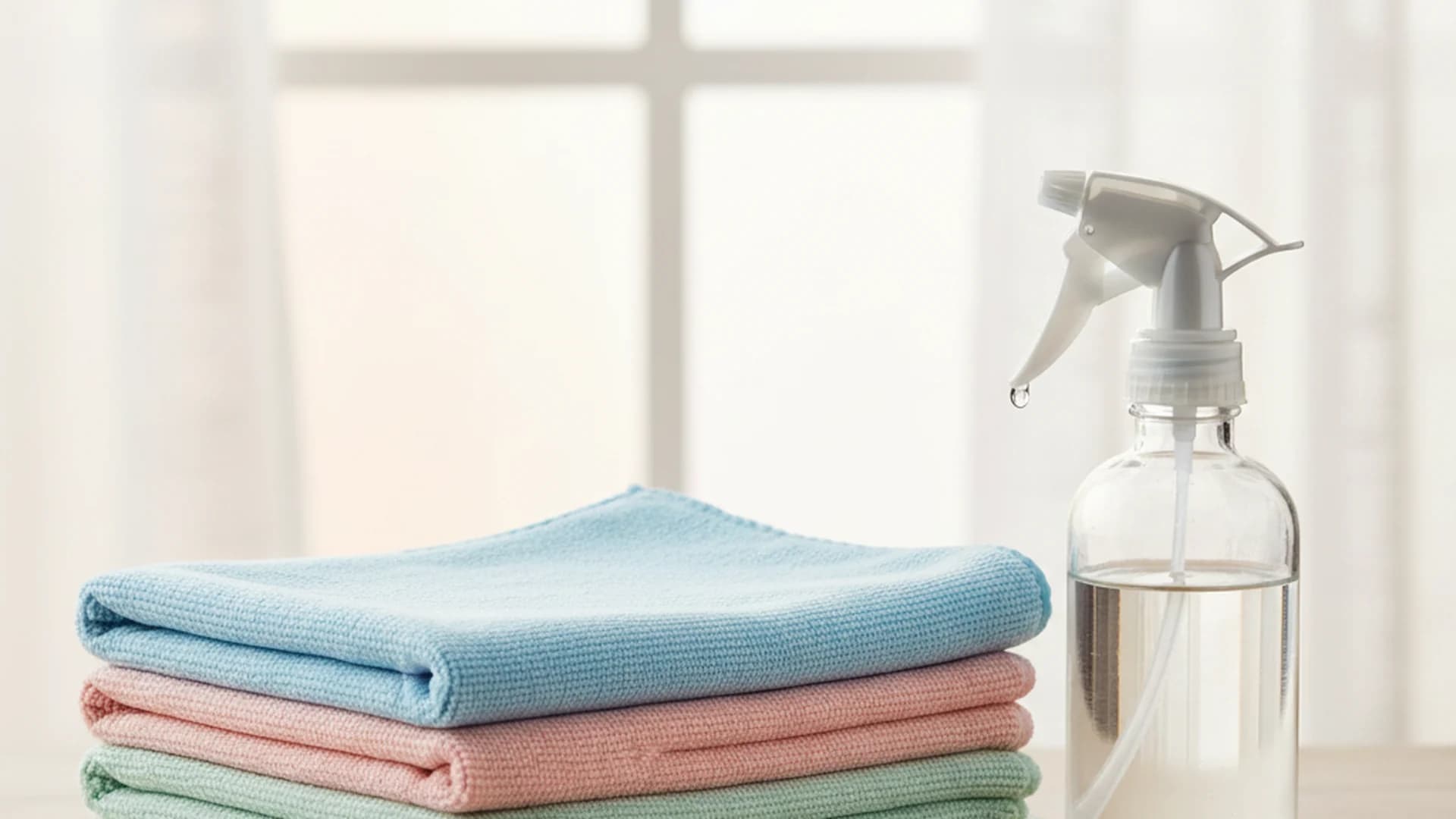
- Blue: Reserved for Glass and Mirrors.
- Yellow/Green: Kitchen and Living Areas.
- Red/Pink: Bathrooms and Toilets (High-germ zones).
Tip: Buy your cloths in multi-colored packs to make this system easy for the whole family to follow.
Real-World Examples of Microfiber in Action
Example 1: The Kitchen Grease Spill
Imagine a spill of olive oil on a marble countertop. A paper towel would require five or six sheets and likely leave an oily film behind. A high-quality 350 GSM microfiber cloth, used dry, can absorb the oil into its internal channels. Following up with a damp cloth removes the residue completely without the need for a degreasing spray.
Example 2: The Modern Car Detailer
Car enthusiasts use "The Gauntlet" from The Rag Company to dry a vehicle in minutes. Because of the high GSM and the "twist-loop" weave, the cloth traps dirt particles deep within the pile, preventing them from dragging across the clear coat and causing "swirl marks" or micro-scratches.
Example 3: The Mirror Master
Cleaning a bathroom mirror usually involves Windex and a lot of rubbing. With an E-Cloth window set, you simply dampen the "waffle weave" cloth with tap water, wipe the glass, and follow up immediately with the "polishing" cloth. The result is a streak-free shine that stays clean longer because there is no chemical residue left behind to attract dust.
Recent Trends & Updates (2025–2026)
The microfiber industry is currently undergoing a massive shift toward sustainability and advanced material science.
- Recycled Ocean Plastics (RPET): Brands like Bona and Norwex are leading the charge by creating cloths from diverted ocean-bound plastics. In 2026, expect to see "RPET" labeling become the gold standard for eco-conscious consumers.
- Silver-Ion Infusion: Anti-microbial technology (like Norwex’s BacLock) uses silver ions embedded in the fibers. These ions inhibit the growth of mold and odor-causing bacteria within the cloth as it dries.
- Task-Specific Weaves: We are seeing a move away from the standard "terry" texture. Waffle Weaves are now preferred for drying, Carbon Fiber blends are appearing for high-shine glass, and Diamond Weaves provide extra scrubbing power for grout without scratching the tile.
Common Mistakes to Avoid
Even the best microfiber cloths 2025 models can be ruined by improper care. Here are the three most common mistakes:
Mistake #1: Using Fabric Softener
Fabric softener is the "death" of microfiber. Softener works by coating fibers in a waxy, lubricating layer to make them feel soft. However, this layer clogs the "star-shaped" channels of the microfiber, making it repel water instead of absorbing it. If you accidentally use softener, re-wash the cloths with a strip of white vinegar to try and dissolve the wax.
Mistake #2: High-Heat Drying
Microfiber is essentially plastic (a blend of polyester and nylon). If you put your cloths in a dryer on the "high" setting, you can actually melt the microscopic tips of the fibers. This makes the cloth feel "crunchy" and, more importantly, it can cause the cloth to scratch delicate surfaces like car paint or glasses.
Mistake #3: Washing with Cotton
Never mix your microfiber with cotton towels in the laundry. Microfiber is designed to be a "magnet" for lint. If washed with cotton, the microfiber will strip the lint off your cotton towels, becoming hopelessly clogged with debris that is nearly impossible to remove.
Warning: Always wash microfiber with other microfiber or synthetic materials only.
Frequently Asked Questions
Can I use bleach on microfiber?
Do microfiber cloths scratch car paint?
How long do they last?
Can I use them on my 4K TV or monitor?
Are microfiber cloths bad for the environment?
Conclusion
Finding the best microfiber cloths for your specific needs is an investment in both your home's hygiene and your personal efficiency. By moving away from disposable wipes and cotton rags, you are embracing a technology that cleans deeper, lasts longer, and reduces chemical dependency. Remember to look for high GSM for heavy tasks, utilize a color-coding system to stay organized, and—most importantly—keep your cloths away from fabric softener and high heat. With the right care, a set of premium microfiber cloths will keep your living space sparkling for years to come.
Success: Transitioning to high-quality microfiber can reduce your household's chemical cleaning footprint by up to 80%.
Cleaning that keeps score
Every task earns points, every streak multiplies them, and Premium adds a household leaderboard plus a monthly Dustagorgon to beat.
- Free forever
- 30 badges to earn
- Up to 6 in a household
No card needed. Set up your rooms in a couple of minutes.