In this article
What you’ll learn
- DIY cleaners can save up to 90% on household maintenance costs.
- Using distilled water and amber glass extends shelf life and maintains potency.
- 2025 trends favor microbiome-friendly and probiotic-boosted solutions.
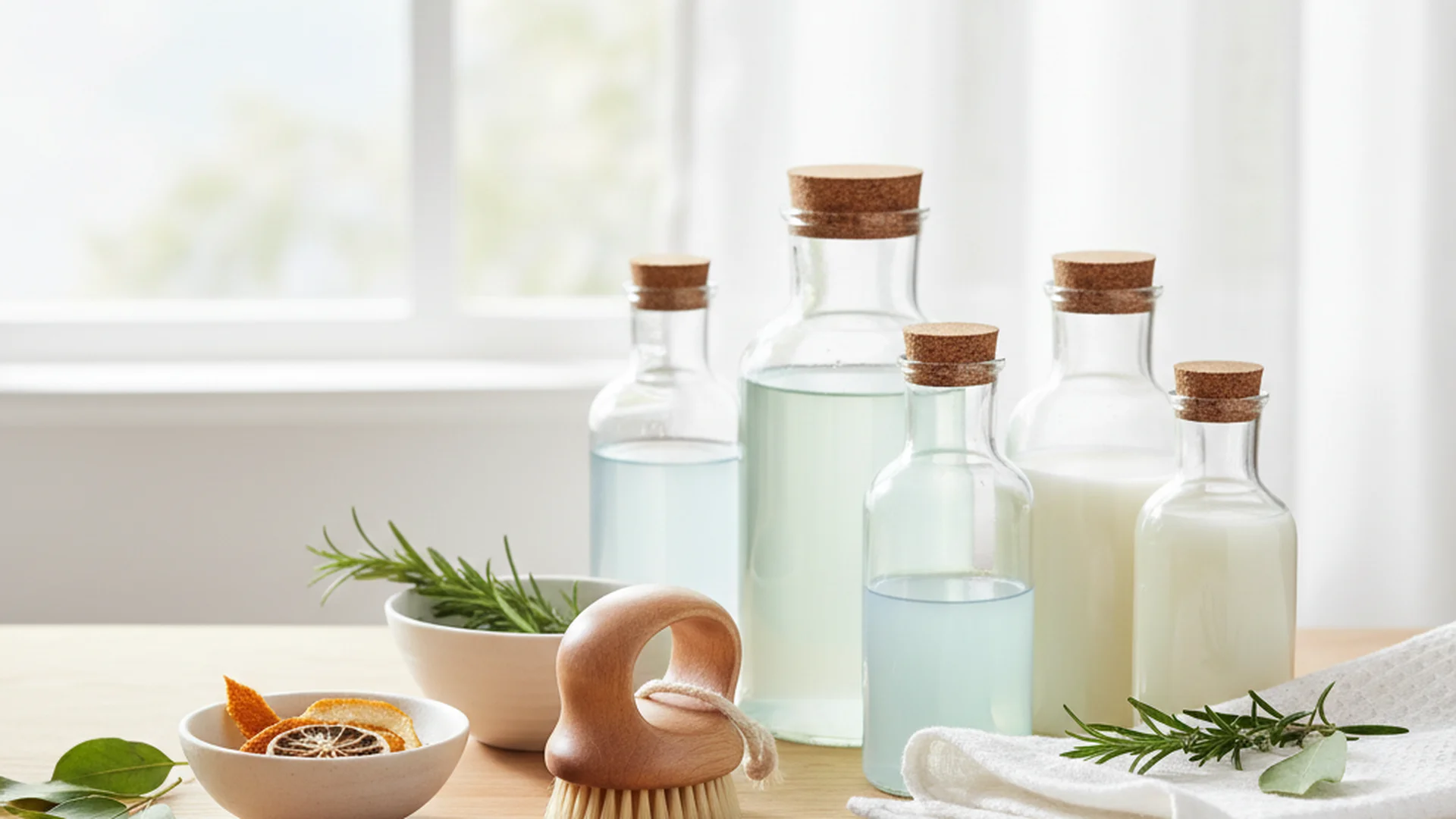
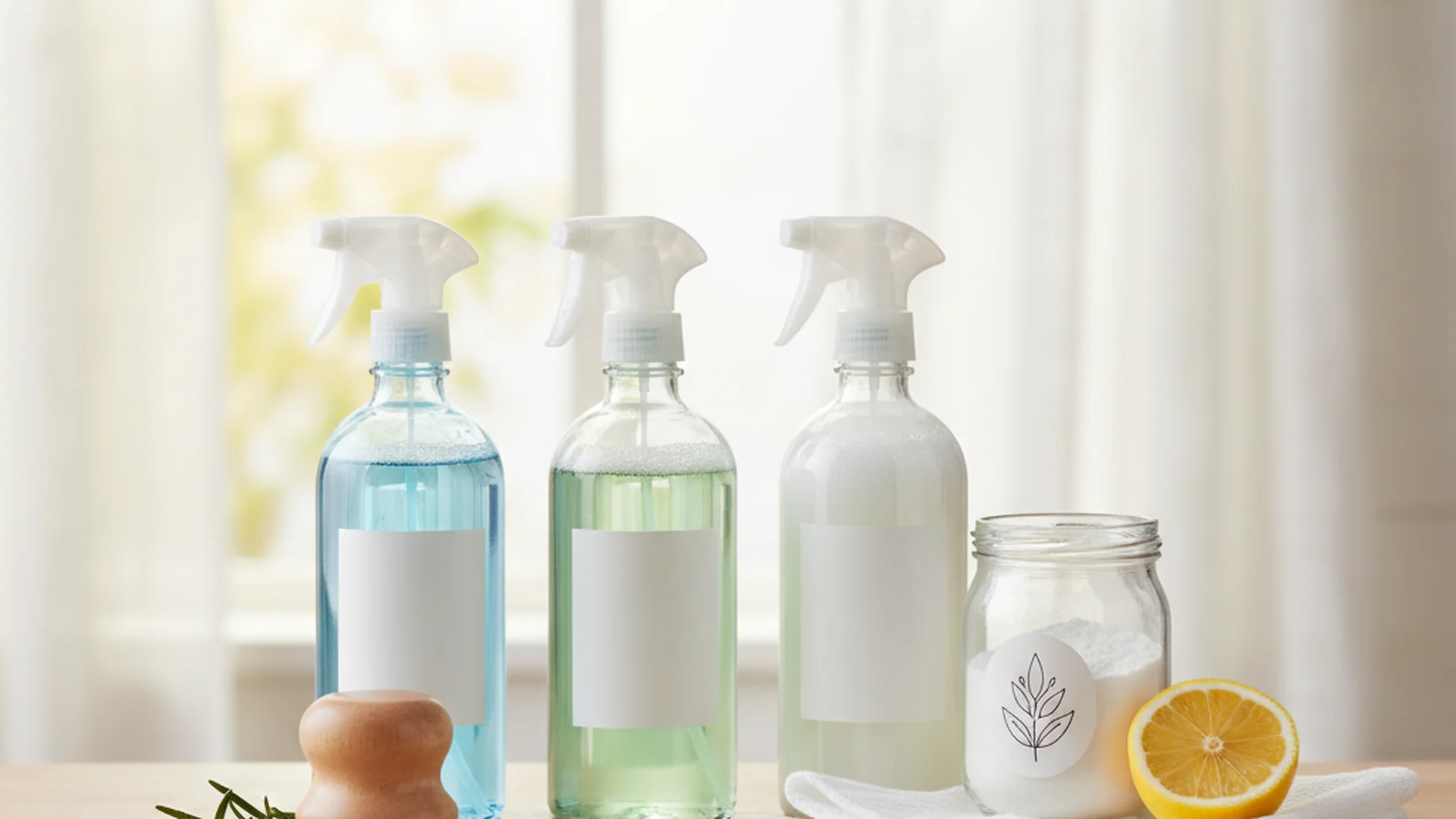
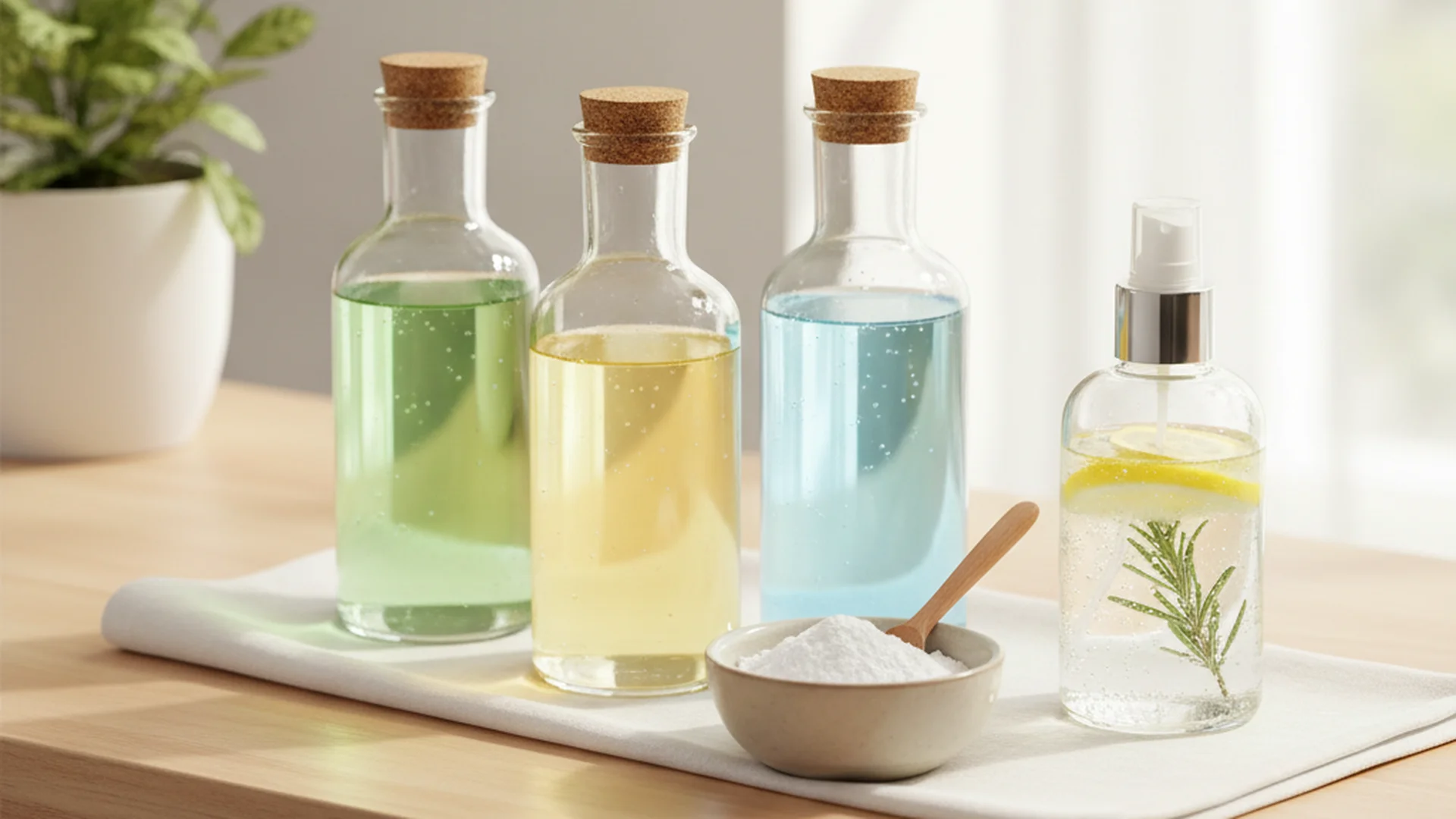
As we move through 2025, the shift toward sustainable living has evolved from a niche hobby into a global standard. Shoppers increasingly reach for greener options, making diy cleaning products more relevant than ever. Whether you are looking to reduce your environmental footprint, protect your family from harsh Volatile Organic Compounds (VOCs), or simply cut down on your monthly grocery bill, making your own supplies is the ultimate home hack. This guide explores the latest advancements in natural home care, providing you with effective, well-tested recipes that rival even the most expensive commercial brands.
The State of DIY Cleaning Products in 2025
However, the most significant growth isn't coming from traditional chemical giants, but from the organic and natural sectors. Consumers are increasingly wary of "quats" (quaternary ammonium compounds) and synthetic fragrances that trigger respiratory issues. In response, the diy cleaning products 2025 landscape has shifted toward "functional cleaning"—using ingredients that don't just remove dirt, but support a healthy home microbiome.
Why the Switch is Essential
Modern commercial cleaners are often "over-engineered." While they provide a sterile environment, they often do so at the cost of air quality. By transitioning to DIY solutions, you eliminate the risk of lingering VOCs. Furthermore, the sustainability factor cannot be ignored. By reusing high-quality glass containers and buying bulk ingredients like white vinegar and castile soap, the average household can prevent dozens of plastic bottles from entering landfills each year.
Essential Ingredients for Your DIY Arsenal
Before you start mixing, you need a foundation of high-quality ingredients. The efficacy of your cleaners depends heavily on the purity of your base components.
- Distilled Water: Unlike tap water, distilled water is free of minerals and bacteria that can cause streaks or premature spoilage.
- White Vinegar (5% Acidity): The workhorse of DIY cleaning, perfect for cutting through grease and mineral deposits.
- Baking Soda: A mild abrasive and powerful deodorizer.
- Castile Soap: A plant-based surfactant that lifts dirt without toxic residues.
- Hydrogen Peroxide (3%): A safe, non-toxic alternative to bleach for brightening and sanitizing.
- Essential Oils: Lemon, tea tree, and eucalyptus provide antimicrobial properties and natural fragrance.
Tip: Always use 100% pure, therapeutic-grade essential oils to ensure you aren't accidentally adding synthetic "fragrance" back into your natural cleaners.
Top-Rated DIY Recipes for 2025
Based on recent diy cleaning products reviews, these three formulas have been identified as the most effective for modern household challenges.
1. The Probiotic All-Purpose Spray
A major trend for 2025–2026 is moving away from total sterilization toward "microbiome-friendly" cleaning. By adding a probiotic strain to your spray, you introduce "good" bacteria that continue to clean surfaces for up to 72 hours.
- Ingredients: 2 cups distilled water, 1 tbsp castile soap, 10 drops lemon essential oil, 1 capsule of a surface-safe probiotic (S. boulardii or similar).
- Usage: Counters, baseboards, and non-porous surfaces.
2. The Citrus-Enzyme Heavy Degreaser
Instead of harsh chemical solvents, 2025 enthusiasts are upcycling food waste. Fermenting citrus peels in vinegar creates d-limonene, a powerful natural degreaser.
- Ingredients: Fill a jar with orange or lemon peels, cover with white vinegar, and let sit for 2 weeks. Strain and dilute 1:1 with water.
- Usage: Stovetops, range hoods, and greasy backsplash tiles.
3. The "Glass Gold" Standard
For mirrors and windows, nothing beats the classic vinegar-alcohol hybrid. It evaporates quickly, leaving no residue behind.
- Ingredients: 1 cup distilled water, 1 cup isopropyl alcohol (70%), 1 tbsp white vinegar.
- Usage: Windows, mirrors, and chrome fixtures.
Note: For the best results on glass, use a clean microfiber cloth or even old newspaper rather than paper towels, which can leave lint behind.
Expert Best Practices for Safety and Potency
Making the products is only half the battle; how you store and use them determines their success.
Use Glass Over Plastic
You should always store DIY solutions in amber glass spray bottles. Essential oils are potent and can degrade plastic over time, leading to chemical leaching. Amber glass also protects light-sensitive ingredients (like hydrogen peroxide) from losing their potency.
The "Dwell Time" Rule
One of the most common complaints in diy cleaning products reviews is that they don't work as fast as "yellow-bottle" commercial cleaners. This is usually due to a lack of "dwell time." Because natural ingredients are less corrosive, they need to sit on the surface for 3–5 minutes to effectively break down grime before you wipe.
Shelf Life and Preservatives
Water-based DIY cleaners without chemical preservatives typically last 2 to 4 weeks. If you want to extend this, use distilled water and store the bottles in a cool, dark place. For larger batches, consider adding a natural preservative like Geogard ECT.
Warning: Never store DIY cleaners in old food or drink containers. Even if labeled, they can be mistaken for beverages by children or guests.
Cost Comparison: DIY vs. Commercial
Is it really cheaper to make your own? The math says a resounding yes. When we look at the cost per ounce, the savings are undeniable.
| Product Type | Commercial Price (Avg) | DIY Cost (Avg) | Annual Savings (Est) |
|---|---|---|---|
| All-Purpose | $5.50 / 16oz | $0.45 / 16oz | $60.00 |
| Glass Cleaner | $4.80 / 16oz | $0.35 / 16oz | $45.00 |
| Heavy Degreaser | $7.25 / 16oz | $0.80 / 16oz | $75.00 |
| Floor Cleaner | $9.00 / 32oz | $1.10 / 32oz | $80.00 |
Success: By switching to a full DIY cleaning kit, the average household can save over $260 per year while significantly improving indoor air quality.
Common Mistakes to Avoid
Even with the best intentions, DIY cleaning can go wrong if you aren't aware of the underlying chemistry.
The Neutralization Trap
Mixing vinegar (an acid) and baking soda (a base) creates a satisfying fizz. While this looks like "cleaning power," the chemical reaction actually results in mostly water and a bit of sodium acetate. You’ve essentially neutralized the strengths of both. Instead, use baking soda as a scrub first, then rinse with vinegar for a chemical-free reaction that actually lifts dirt.
Toxic Combinations
This cannot be overstated: Never mix vinegar with bleach. This combination creates toxic chlorine gas, which can be fatal. Similarly, mixing hydrogen peroxide and vinegar in the same bottle creates peracetic acid. While used in some industrial settings, it is highly corrosive and can irritate the skin, eyes, and respiratory system when mixed haphazardly at home.
Etching Natural Stone
If you have marble, granite, or limestone countertops, keep the vinegar and lemon juice away. The acid in these natural cleaners will "etch" the stone, causing permanent dull spots and damage that require professional restoration. For stone, stick to a mix of warm water and a few drops of pH-neutral castile soap.
2025–2026 Trends: The Future of DIY
The "Smart Home" is finally meeting the "DIY Home." In late 2025, we are seeing a rise in IoT-enabled "smart dosing" bottles. These devices allow users to dock DIY concentrates (like a high-strength vinegar or soap base) and automatically dilute them with the perfect ratio of tap or distilled water.
Additionally, the rise of Dry Steam Sanitization is changing the game. Handheld devices like the Dupray Neat use high-heat vapor (up to 275°F) to kill 99.9% of bacteria and viruses without a single drop of chemical cleaner. For those who want the ultimate "DIY" experience—cleaning with nothing but water—steam is the gold standard for 2026.
Frequently Asked Questions
Are DIY cleaners as effective as bleach?
Is it safe to use essential oils in cleaners if I have pets?
Why does my DIY cleaner smell like "off" water after a month?
Can I use DIY cleaners on my hardwood floors?
Conclusion
Embracing diy cleaning products in 2025 is about more than just saving a few dollars at the grocery store. It is about taking control of your environment, reducing your chemical exposure, and participating in a circular economy that values sustainability over convenience. By understanding the chemistry behind your ingredients and following expert best practices, you can maintain a home that is not just "clean" to the eye, but truly healthy for its inhabitants.
Success: You are now equipped with the knowledge to replace 90% of your under-sink chemicals with safe, effective, and eco-friendly alternatives.
Cleaning that keeps score
Every task earns points, every streak multiplies them, and Premium adds a household leaderboard plus a monthly Dustagorgon to beat.
- Free forever
- 30 badges to earn
- Up to 6 in a household
No card needed. Set up your rooms in a couple of minutes.