In this article
What you’ll learn
- Microfiber removes 99% of bacteria while cotton removes roughly 30%.
- Cotton is superior for large liquid spills and high-heat surfaces.
- 2026 regulations will target microplastic shedding in synthetic cloths.
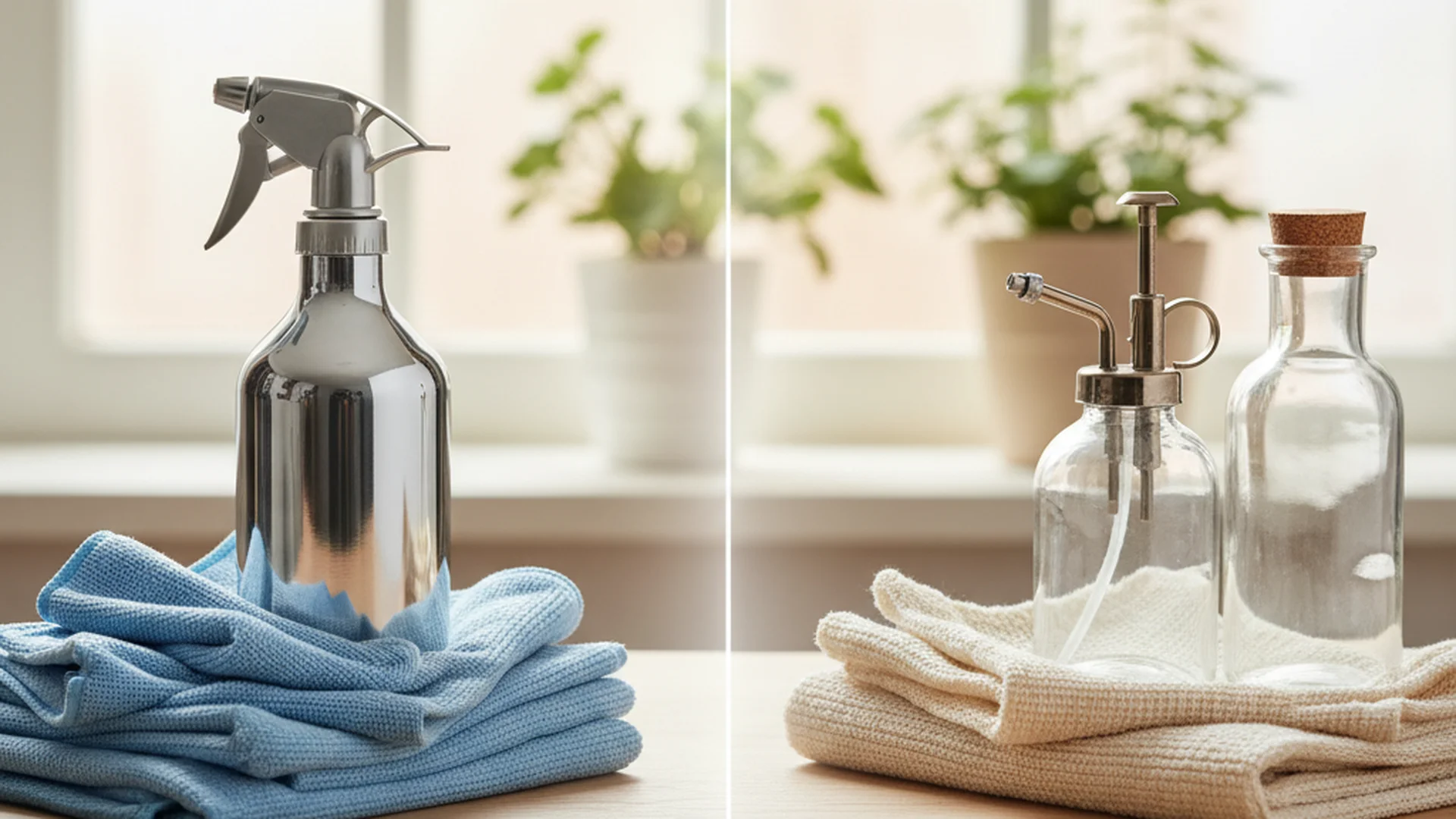
In the world of professional sanitation, the debate over microfiber vs cotton cloths has shifted from a matter of preference to a matter of science. As we move into the 2025–2026 cleaning landscape, the choice between these two materials isn't just about what feels softer in your hand—it’s about microbial removal, environmental footprints, and long-term cost-efficiency. Whether you are a homeowner looking for the streak-free mirror or a facility manager overseeing a hospital wing, understanding which is better microfiber vs cotton cloths is essential for maintaining a truly hygienic environment.
The Anatomy of the Cloth: Science Behind the Fibers
To understand why these materials perform differently, we have to look at them under a microscope. Cotton is a natural, organic fiber derived from the cellulose of the cotton plant. Its fibers are rounded and relatively large. In contrast, microfiber is a synthetic blend—typically 80% polyester and 20% polyamide—that is "split" during manufacturing to create millions of tiny hooks and loops.
How Microfiber Works
The "split" nature of microfiber is its secret weapon. Because the fibers are smaller than a human hair, they can reach into the microscopic pores of a surface. These fibers create a mechanical suction that "grabs" and holds onto dirt, oils, and pathogens rather than simply pushing them across a surface.
How Cotton Works
Cotton relies on its natural thirst. It is a hollow fiber that absorbs liquid into its core. While this makes it excellent for soaking up a spilled glass of water, it lacks the "grasping" ability of synthetic microfibers. On a microscopic level, a cotton cloth often leaves behind a thin film of moisture and bacteria that it couldn't quite trap.
Note: High-quality microfiber uses a "split" process. You can test this by running the cloth over your palm; if it feels like it’s "grabbing" your skin, it is a high-quality split fiber designed for disinfecting.
Efficacy and Performance Comparison
When we look at the raw data provided by organizations like the EPA and recent 2025 studies from ResearchGate, the performance gap is significant.
| Feature | Microfiber Cloths | Cotton Cloths |
|---|---|---|
| Material | Synthetic (Polyester/Polyamide) | Natural fiber (Cellulose) |
| Microbe Removal | 99% bacteria / 93% viruses | ~30% bacteria removal |
| Absorbency | 7–8x its weight | Up to 25x its weight |
| Lifespan | 500+ washings | 50–100 washings |
| Drying Speed | Fast (Synthetic/Breathable) | Slow (Holds moisture in core) |
Real-World Example 1: The Hospital Setting
In a 2025 clinical study, a healthcare facility switched from traditional cotton mops and cloths to a color-coded microfiber system. The result was a 45% reduction in cross-contamination events. Because microfiber removes 99% of bacteria with just water, it allowed the facility to reduce their reliance on harsh chemical disinfectants, creating a safer environment for patients with respiratory sensitivities.
The Environmental Impact: A 2025 Perspective
The environmental debate is more nuanced than "Natural = Good" and "Synthetic = Bad." While cotton is biodegradable, its "water footprint" is massive. Producing just 17 small cotton rags requires approximately 300 gallons of water. Furthermore, traditional cotton is a pesticide-heavy crop.
Microfiber, while made from petroleum-based plastics, has a lower lifecycle impact due to its longevity. A single microfiber cloth can replace 5 to 10 cotton cloths over its lifespan. However, the issue of microplastics remains a concern.
Warning: By 2026, new regulations (such as California’s SB 405) will likely require washing machines to have built-in filters to catch the microplastics shed by synthetic cloths like microfiber.
Best Practices for Laundering and Maintenance
To get the most out of your investment, you must treat these materials differently. Washing them together is one of the most common mistakes in the industry.
How to Care for Microfiber
Microfiber is sensitive to heat and chemicals.
- Wash Separately: Never wash microfiber with cotton. Cotton sheds lint, and the "hooks" in microfiber will trap that lint, rendering the cloth useless for streak-free cleaning.
- Temperature: Use warm water. Cold water doesn't open the fibers to release trapped dirt, but boiling water can melt the plastic fibers.
- Detergent: Use a "free and clear" liquid detergent.
Warning: Never use fabric softeners or dryer sheets with microfiber. These products coat the fibers in a layer of wax, which eliminates the static charge and the "split" fiber's ability to grab dirt.
How to Care for Cotton
Cotton is rugged and can handle more aggressive laundering.
- Hot Water: Wash in hot water to kill any bacteria living in the core of the fibers.
- High Heat Drying: Unlike microfiber, cotton can handle high heat. Ensure it is bone-dry before storing to prevent the "sour" mildew smell.
Success: Following a strict laundering protocol can extend the life of a microfiber cloth to over 500 washes, making it significantly more cost-effective than cotton over a three-year period.
When to Use Which: Expert Strategic Recommendations
As a professional cleaning consultant, I don't recommend throwing away your cotton cloths entirely. Both have a place in a professional cleaning kit.
Use Microfiber For:
- Dusting: The static charge pulls dust away from surfaces rather than sending it airborne.
- Mirrors and Glass: For a streak-free finish without chemical sprays.
- Disinfecting: High-touch points like doorknobs, light switches, and remote controls.
- Electronics: Special high-density microfiber is safe for screens (ensure it is clean and grit-free).
Use Cotton For:
- Bulk Liquid Spills: If a gallon of milk hits the floor, cotton’s 25x weight absorbency will clean it up faster than microfiber.
- Heavy Grease: In automotive or industrial kitchen settings, heavy grease can permanently clog microfiber. Use cotton rags that can be discarded if they become too saturated.
- High-Heat Surfaces: Use cotton for wiping down a warm stove or oven. Microfiber will melt if it touches a surface above 140°F.
Real-World Example 2: The Commercial Kitchen
A restaurant manager uses cotton "bar mops" for the heavy-duty task of wiping down the line and handling hot pans. However, for the front-of-house tables where customers sit, they use a blue microfiber cloth with a mild sanitizer. This ensures that the dining area is truly disinfected, while the kitchen remains functional and heat-safe.
Recent Trends and Updates (2025–2026)
The cleaning industry is undergoing a massive technological shift. Here is what we are seeing in the 2025–2026 market:
1. Bio-based Microfibers
To solve the microplastic crisis, 2025 has seen the rise of compostable microfibers. These are made from wood pulp or cornstarch but are engineered to have the same "split" structure as polyester. They provide the cleaning power of synthetic fibers with the end-of-life biodegradability of natural fibers.
2. Antimicrobial Infusions
New premium lines of microfiber are now being infused with silver or copper ions. These metals are naturally antimicrobial, meaning the cloth itself kills bacteria trapped in its fibers between uses. This prevents the cloth from becoming a breeding ground for germs if it stays damp.
3. RFID Smart Tracking
In commercial settings, smart cleaning is taking over. Microfiber cloths are being embedded with tiny RFID tags. These tags allow AI-driven systems to track how many times a cloth has been washed. When a cloth reaches its 500th wash, the system alerts the staff to retire it before its cleaning efficacy drops.
Tip: If you are a business owner, look into RFID-enabled cloths to ensure your cleaning standards never slip due to "worn-out" materials.
Common Mistakes to Avoid
Even the best tools won't work if they are used incorrectly. Avoid these common pitfalls:
- Using Bleach on Microfiber: Bleach is too harsh for the polyamide (nylon) in microfiber. It will cause the fibers to become brittle and break, leading to shedding and loss of "grip."
- Buying "Non-Split" Microfiber: Many "bargain" microfiber cloths sold in bulk are not actually split. They feel soft (like a t-shirt) but don't clean any better than cotton. Always do the "hand-snag" test.
- Cross-Contamination: Using the same cloth for the bathroom and the kitchen is a recipe for disaster.
- Using Microfiber with High Heat: Never use these cloths as pot holders or to wipe down a hot grill. The plastic will melt and can ruin your surface or the cloth itself.
Real-World Example 3: The Residential Mistake
A homeowner noticed her windows were looking "cloudy" after cleaning. Upon inspection, it was discovered she was washing her microfiber cloths with her cotton bath towels and using a dryer sheet. The cotton lint from the towels had filled the "hooks" of the microfiber, and the dryer sheet wax had coated the remaining fibers. Once she switched to separate washing and "free and clear" detergent, her windows returned to a crystal-clear finish.
Frequently Asked Questions
Can I wash microfiber and cotton cloths together?
Is microfiber bad for the environment?
Is cotton better for spills?
Is microfiber safe for all surfaces?
Conclusion
When weighing microfiber vs cotton cloths, the winner depends on your specific goal. For superior disinfection, dusting, and long-term durability, microfiber is the undisputed champion of 2025. Its ability to mechanically remove pathogens makes it a cornerstone of modern hygiene. However, cotton remains a vital tool for handling high-heat environments and massive liquid spills.
By adopting a strategic, color-coded system that utilizes both materials for their strengths, you can achieve a level of cleanliness that is both efficient and sustainable.
Success: By switching to a high-quality microfiber system for your daily dusting and disinfecting, you can reduce your chemical spend by up to 60% while achieving a 99% reduction in surface bacteria.
Cleaning that keeps score
Every task earns points, every streak multiplies them, and Premium adds a household leaderboard plus a monthly Dustagorgon to beat.
- Free forever
- 30 badges to earn
- Up to 6 in a household
No card needed. Set up your rooms in a couple of minutes.