In this article
What you’ll learn
- Steam mops kill 99.9% of bacteria without using harsh chemicals.
- Traditional mops are safer for unsealed or heat-sensitive flooring like laminate.
- 2026 hybrid models now combine vacuuming and steaming in one cordless unit.
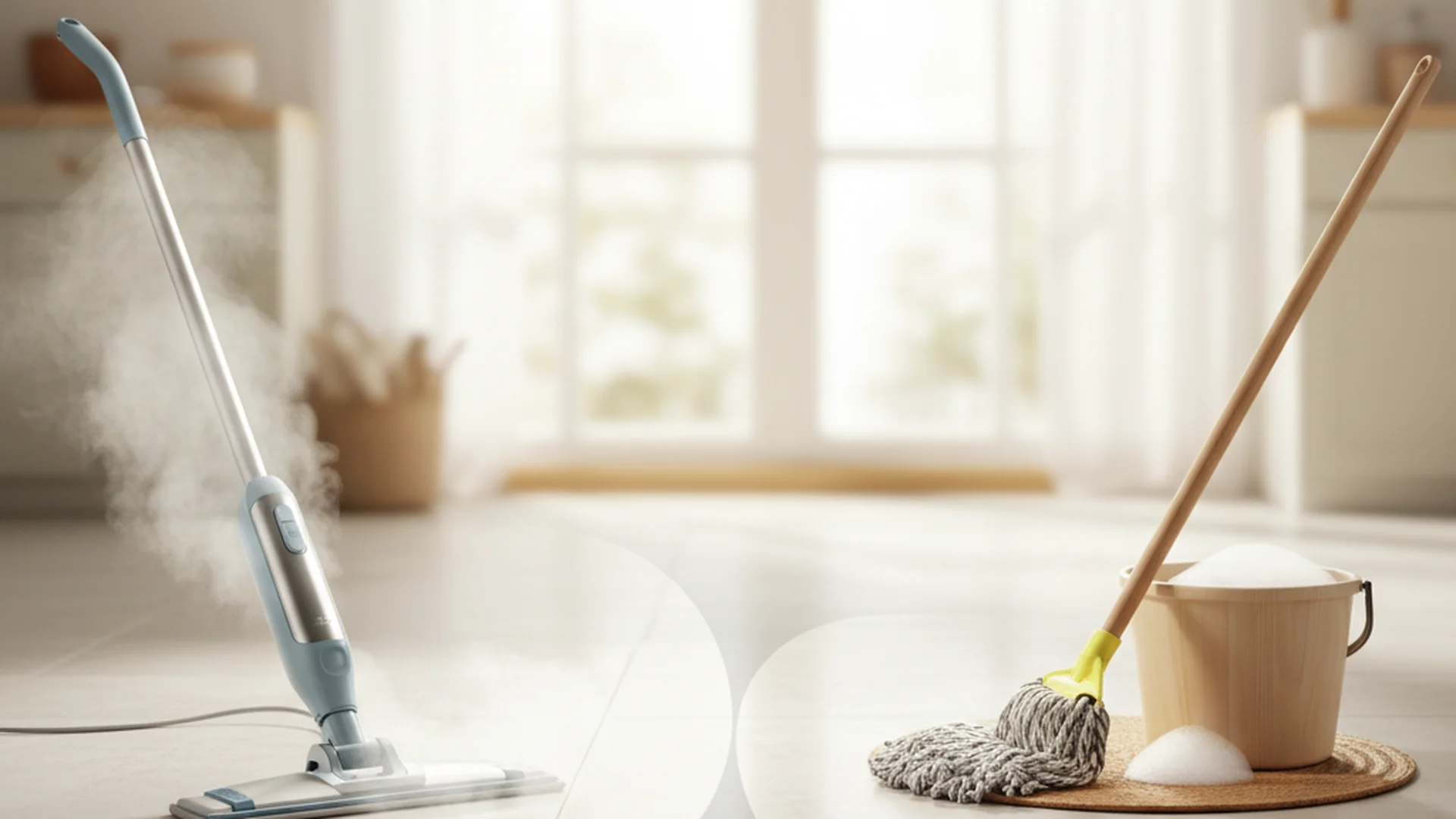
For decades, the bucket and string mop were the undisputed kings of home hygiene. We’ve all been there: hauling a heavy bucket of graying water across the kitchen, smelling the sharp sting of bleach, and waiting for what feels like hours for the floor to dry. However, as we move into 2025 and 2026, the debate of steam mop vs regular mop has shifted dramatically toward high-tech efficiency.
Whether you are a minimalist looking to ditch the chemical cabinet or a parent concerned about the "lick-ability" of your floors, choosing between these two tools is about more than just moving dirt. It’s about science, surface preservation, and time management. In this guide, we will break down which is better steam mop vs regular mop by looking at the latest data on sanitization, cost-efficiency, and the revolutionary smart features hitting the market this year.
The Science of Clean: How Steam Changes the Game
The primary difference between a steam mop and a regular mop isn't just the heat—it’s the mechanism of sanitization. Traditional mopping relies on surfactants (soap) to lift dirt and disinfectants (like bleach or pine oil) to kill germs. Steam, however, uses thermal energy.
High-quality steam mops are scientifically proven to kill 99.9% of common household germs, including notorious pathogens like E. coli, Salmonella, and Staphylococcus. To achieve this, the internal heating element of a modern steam mop reaches temperatures as high as 250°F (121°C). By the time the steam hits your floor, it maintains a surface temperature of 190°F to 212°F. This is more than enough to rupture the cell walls of bacteria and viruses without a single drop of poison.
Note: Sanitization isn't instantaneous. To truly kill 99.9% of germs, you must hold the steam mop over the specific area for 5 to 15 seconds, depending on the manufacturer's instructions.
Head-to-Head: Steam Mop vs Regular Mop
When deciding which tool deserves a spot in your utility closet, it helps to see the data side-by-side. The following table highlights the key performance metrics based on 2025 consumer testing.
| Feature | Steam Mop | Regular Mop (String/Strip) |
|---|---|---|
| Sanitization | 99.9% (Heat-based) | Varies (Chemical-based) |
| Drying Time | 30 seconds – 2 minutes | 15 – 30 minutes |
| Upfront Cost | $50 – $200 | $10 – $40 |
| Ongoing Cost | Low (Water/Electricity) | High (Cleaners/Replacement Heads) |
| Effort Level | Low (Self-propelled options) | High (Scrubbing/Wringing) |
| Floor Safety | Sealed floors only | Most floor types |
Success: Because steam mops leave the floor nearly dry, they eliminate the "slip and fall" risk common with traditional mopping—a massive benefit for households with elderly residents or active toddlers.
The Floor Compatibility Guide: Safe or Sorry?
The most common question I receive as a home organization expert is: "Will a steam mop ruin my floors?" The answer depends entirely on your floor's "seal."
Safe for Steam (The "Go" List)
- Sealed Ceramic and Porcelain Tile: These are the champions of steam. They can handle high heat and moisture without any risk of damage.
- Sealed Stone: Marble, granite, and slate thrive under steam, provided they have been properly sealed to prevent moisture from seeping into the stone’s pores.
- Luxury Vinyl Plank (LVP): Most modern LVP is rated for steam, but you should always check with the manufacturer.
Dangerous for Steam (The "Stop" List)
- Unsealed Hardwood: If water can soak into the wood, steam will force it in even deeper, causing the wood to swell, warp, and eventually rot.
- Laminate Flooring: Many people think laminate is plastic and therefore safe. In reality, it is a "sandwich" of compressed wood fibers. High-pressure steam can get into the seams, causing the edges to "peak" or bubble.
- Engineered Wood: Much like laminate, the layers of engineered wood are held together by adhesives that can break down under intense heat.
Warning: To check if your wood floor is sealed, place a single drop of water on an inconspicuous area. If the water beads on the surface, it is sealed. If it soaks in and darkens the wood, do not use a steam mop.
Real-World Examples of Steam vs. Traditional Use
To better understand which tool you need, let's look at three common household scenarios:
- The "Muddy Paw" Entryway: A regular mop is often better for heavy, chunky mud. A steam mop is designed for surface grime and sanitization; trying to steam through thick mud often results in a smeared mess. For heavy debris, use a traditional mop first, then follow up with steam to sanitize.
- The Kitchen Grease Zone: Steam mops excel here. The high heat emulsifies grease and dried food splatters much faster than cold chemical cleaners, lifting "stuck-on" messes with minimal scrubbing.
- The Bathroom Floor: This is where the 99.9% bacteria kill rate shines. Using a steam mop around the base of a toilet provides a level of deep sanitization that a traditional mop—which often just spreads bacteria around—cannot match.
2025–2026 Tech Spotlight: The Future of Mopping
We are currently witnessing a massive shift in floor care technology. If you haven't looked at mops in a few years, the 2026 models will surprise you.
The Rise of "Hybrid" Cleaners
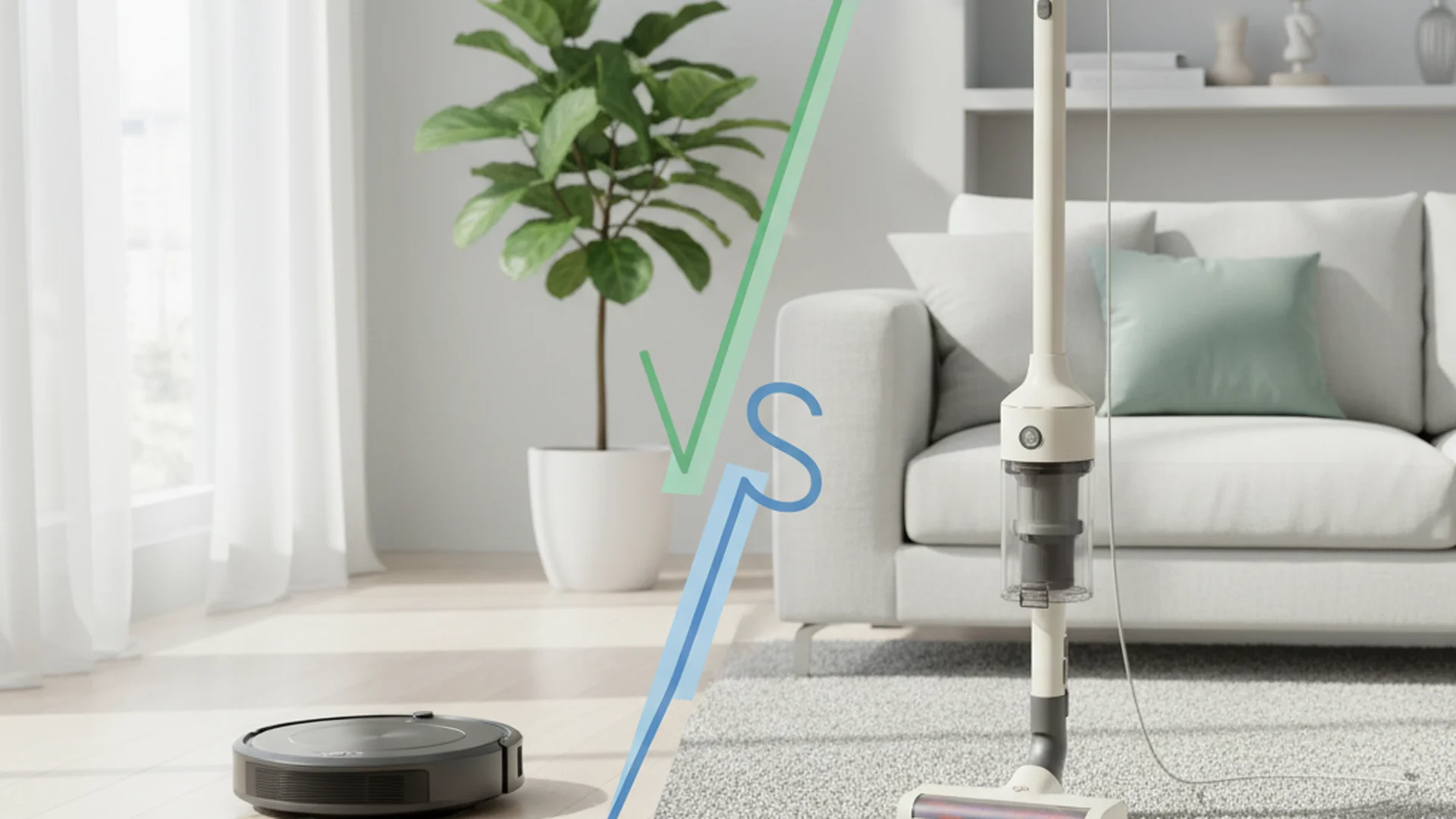
The biggest trend this year is the Vacuum-Steam-Mop combo. Brands like Shark and Tineco have moved beyond single-function tools. These 3-in-1 units vacuum up dry debris while simultaneously steam-mopping the floor. This eliminates the "Pre-Clean Rule" and cuts floor chores in half.
Cordless Steam Revolution
Historically, steam mops were tethered to the wall because heating water to 250°F requires significant energy. However, 2026 has seen the integration of solid-state battery technology. New high-end models now offer up to 30 minutes of continuous, high-temperature steam on a single charge, providing the freedom to move through the house without hunting for outlets.
AI Soil Sensors
The smartest mops of 2026 now feature infrared sensors located near the mop head. These sensors "see" the level of grime on the floor and automatically adjust the steam output and temperature. If you hit a particularly dirty patch of tile, the mop ramps up the heat; once the area is clean, it scales back to conserve battery life and water.
Tip: If you are shopping for a new unit in 2026, look for a model with "Continuous Steam" triggers rather than "Pump-Action" handles to reduce hand fatigue.
Best Practices for Steam Mop Success
To get the most out of your investment and ensure your machine lasts for years, follow these expert recommendations.
Use Distilled Water
The #1 cause of steam mop failure is mineral buildup. Tap water contains calcium and magnesium which, when heated, turn into "scale" that clogs the internal boilers. Using distilled or demineralized water is the simplest way to double the lifespan of your machine.
The Fresh Pad Rule
Using one microfiber pad for the entire house is like washing your face with a dirty towel. You are simply moving bacteria from the bathroom to the kitchen. Use a fresh pad for every room. Most modern steam mops come with a "touchless" pad release so you never have to handle the grime.
Never Leave it Stationary
Even on sealed floors, concentrated heat can be damaging. If you get a phone call or someone at the door, turn the steam off and move the mop to a cooling mat or a tiled surface. Leaving a hot mop sitting on a vinyl or wood floor can cause the finish to cloud or the adhesive underneath to fail.
Common Mistakes to Avoid
- Mopping yourself into a corner: This is the classic "wet paint" mistake. Because steam mops are often corded, plan your route so you end at the doorway, rather than having to walk across the hot, freshly sanitized floor to unplug the unit.
- Adding detergent to the tank: Unless your model specifically has a dual-tank system designed for it, never put floor cleaner in the water tank. It will gum up the heating element and void your warranty.
- Skipping the vacuum: A steam mop is a polisher and sanitizer, not a sweeper. If you don't remove hair and grit first, the steam will simply "cook" that debris into a smeary, gray film on your floors.
- Using on Laminate: Despite marketing claims, steam is the enemy of laminate. The high-pressure moisture can cause "peaking" at the seams that is impossible to repair.
Frequently Asked Questions
Is a steam mop safe for all floor types?
Does steam mopping replace vacuuming?
Can I put detergent in my steam mop?
Is steam cleaning safe for homes with pets?
Do I really need distilled water?
Conclusion
When weighing the pros and cons of steam mop vs regular mop, the winner depends on your lifestyle and your flooring. If you have a home filled with sealed tile, children, or pets, the steam mop is a revolutionary upgrade that offers superior sanitization and massive labor savings. The ability to kill 99.9% of germs using only water is a win for both your health and your wallet.
However, the traditional mop still holds a place in the modern home for those with sensitive laminate flooring or for tackling heavy, outdoor-grade mud. As we look toward the innovations of 2026, the gap is closing, but the golden rule remains: know your floor type before you apply the heat.
Cleaning that keeps score
Every task earns points, every streak multiplies them, and Premium adds a household leaderboard plus a monthly Dustagorgon to beat.
- Free forever
- 30 badges to earn
- Up to 6 in a household
No card needed. Set up your rooms in a couple of minutes.