In this article
What you’ll learn
- Zone cleaning prevents burnout by breaking tasks into manageable 15-minute daily sessions.
- Room cleaning offers immediate visual satisfaction and is ideal for smaller living spaces.
- 2026 trends emphasize AI-integrated "Digital Zones" and steam-based, chemical-free sanitization.
For many of us, the weekend used to be synonymous with a bucket of soapy water and a sense of impending dread. We’ve all been there: staring at a house that needs a full "reset," only to spend six hours of our precious Saturday scrubbing floors and dusting baseboards until our backs ache. As we move into 2026, the conversation around home maintenance has shifted from "how much can you clean" to "how smartly can you clean." When it comes to maintaining a healthy environment, the debate of zone vs room cleaning is at the heart of this evolution.
The central question remains: which is better zone vs room cleaning for your specific lifestyle? Whether you are a busy professional managing a high-rise apartment or a parent navigating a sprawling suburban home, the method you choose can be the difference between a restful sanctuary and a source of constant stress.
The Core Concept: Zone vs Room Cleaning
Before diving into the nuances, we must define our contenders. While both methods aim for a clean home, their philosophies regarding time management and "completion" are worlds apart.
What is Zone Cleaning?
Zone cleaning is a strategy where you divide your home into roughly five geographic "zones." Instead of trying to clean the whole house at once, you focus on one zone per week. You spend approximately 15 to 20 minutes a day performing deep-cleaning tasks within that specific area. By the end of the month, every inch of your home has received dedicated attention without you ever having to pull an "all-nighter" with a vacuum.
What is Room Cleaning?
Room cleaning is the traditional "marathon" approach. You pick a specific room—the kitchen, for example—and clean it from top to bottom in a single session. This usually involves a 1-to-2-hour commitment. It is the go-to method for those who prefer the psychological "win" of seeing a finished, sparkling room all at once.
Note: Physical clutter competes for your attention, which drags down your performance and winds up your stress levels. Regardless of the method you choose, the goal is to reduce that cognitive load.
The Case for Zone Cleaning: Efficiency and Consistency
Zone cleaning, popularized by the "FlyLady" method and updated for the high-tech era of 2026, is built on the foundation of "progress, not perfection." Plenty of people lose the better part of a day every week to cleaning, which takes a real physical toll. Zone cleaning seeks to eliminate this "marathon burnout."
Why it works for Large Homes
In a larger home, the sheer square footage can make room-by-room cleaning feel like an impossible climb. Zone cleaning breaks the mountain into molehills. If you have five bedrooms and three bathrooms, you aren't cleaning them all at once. You might spend Week 1 in the "Entrance and Dining Zone," Week 2 in the "Kitchen Zone," and so on.
The 15-Minute Rule
The magic of zone cleaning lies in the timer. By setting a 15-minute limit, you prevent "distraction cleaning"—that phenomenon where you start cleaning the microwave, wander into the laundry room to drop off a cloth, and end up reorganizing the linen closet while the microwave stays dirty.
Tip: Set a digital timer on your phone or smart home device. When the 15 minutes are up, stop. This prevents the "All or Nothing" trap that leads to resentment toward household chores.
The Case for Room Cleaning: The Satisfaction of One-and-Done
While zone cleaning is excellent for long-term maintenance, room cleaning remains the champion of immediate gratification. For many, especially those living in smaller apartments, there is a distinct mental health benefit to walking into a room that is 100% complete.
Why it works for Small Spaces
In a 600-square-foot apartment, "zones" can feel arbitrary. Cleaning a single room—like the bathroom—can often be done in 30 minutes. In these environments, room cleaning allows you to cycle through the entire home in a single morning, leaving you with a completely clean slate for the rest of the week.
Generational Preferences
Gen Z and Millennials tend to clean their common areas more often than Baby Boomers do. This younger demographic often leans toward room-specific "burst cleaning" to prepare for social gatherings or to clear their minds after a long work-from-home session.
Success: Completing a full room cleaning session provides an immediate "dopamine hit" that can boost productivity in other areas of your life, such as work or creative hobbies.
Real-World Examples: Choosing Your Path
To better understand how these methods play out, let's look at three typical scenarios in 2026.
Example 1: The Busy Professional (Zone Cleaning)
Sarah is a software engineer who works 50 hours a week. She used to spend her entire Saturday cleaning her 3-bedroom home, leaving her exhausted for Sunday. By switching to zone cleaning, she spends 15 minutes every morning before work dusting or scrubbing one specific area. By Saturday, her house is already 80% clean, allowing her to actually enjoy her weekend.
Example 2: The Studio Dweller (Room Cleaning)
David lives in a studio apartment in the city. For him, "zones" don't make sense because his kitchen is three steps from his bed. He practices room-based cleaning, focusing on the "Living Zone" on Tuesdays and the "Kitchen/Bath Zone" on Fridays. This keeps his small space from feeling claustrophobic.
Example 3: The Hybrid Family (The Best of Both)
The Henderson family uses a hybrid approach. They use "Daily Resets" (a form of quick room cleaning) for the kitchen and living room to keep them functional. However, they use zone cleaning for deep tasks—like scrubbing baseboards or cleaning behind the fridge—ensuring that the "heavy lifting" is spread out across the month.
Deep Dive: 2026 Trends in Home Maintenance
As we navigate 2026, technology and wellness have significantly influenced how we approach the "zone vs room cleaning" debate.
Smart Zone Integration
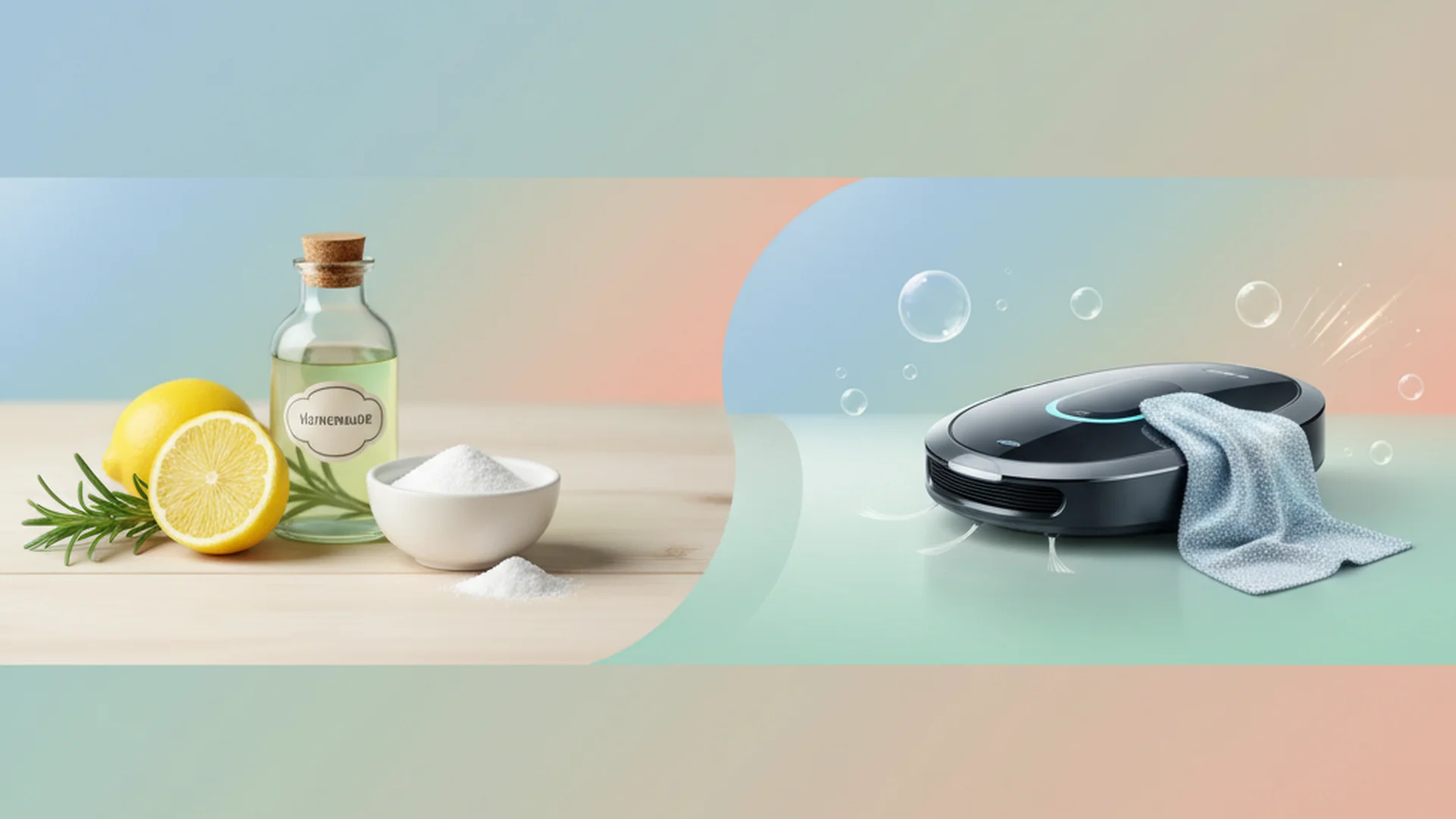
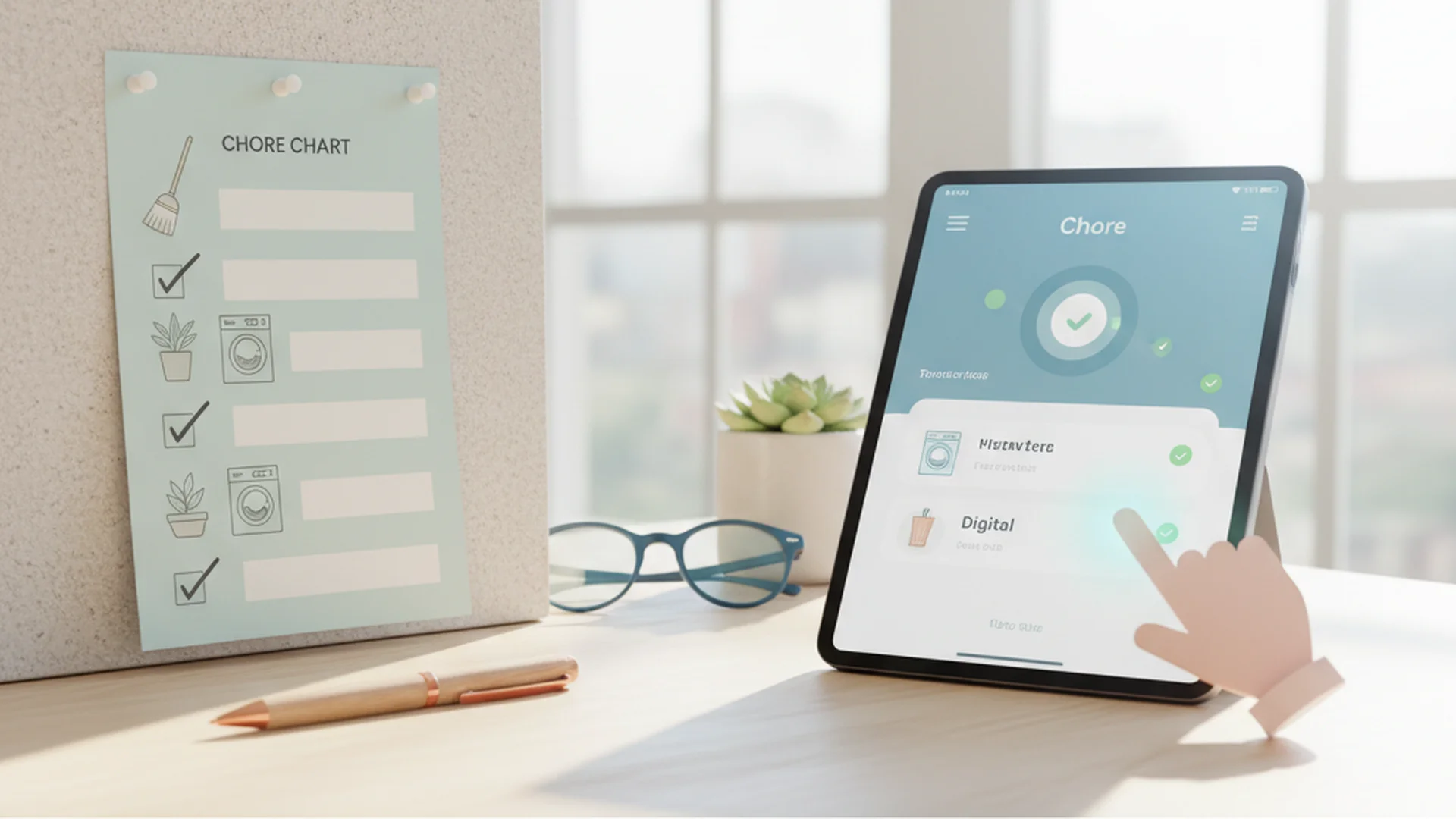
Modern robot vacuums and mops have evolved. In 2026, most mid-to-high-range models allow for "Digital Zones." You can now schedule your robot to perform a high-intensity "Kitchen Zone" scrub every evening after dinner, while you manually focus on the "Bathroom Zone" deep clean. This human-AI partnership makes zone cleaning more effective than ever.
Steam Over Chemicals
The "wellness-driven cleaning" trend has pushed many away from harsh bleaches and toward high-pressure steam. Steam cleaners are perfect for both methods, but they shine in room cleaning where you can sanitize an entire bathroom—from tile grout to shower glass—without a single chemical fume, promoting better air quality for sleep and focus.
Subscription Concentrates
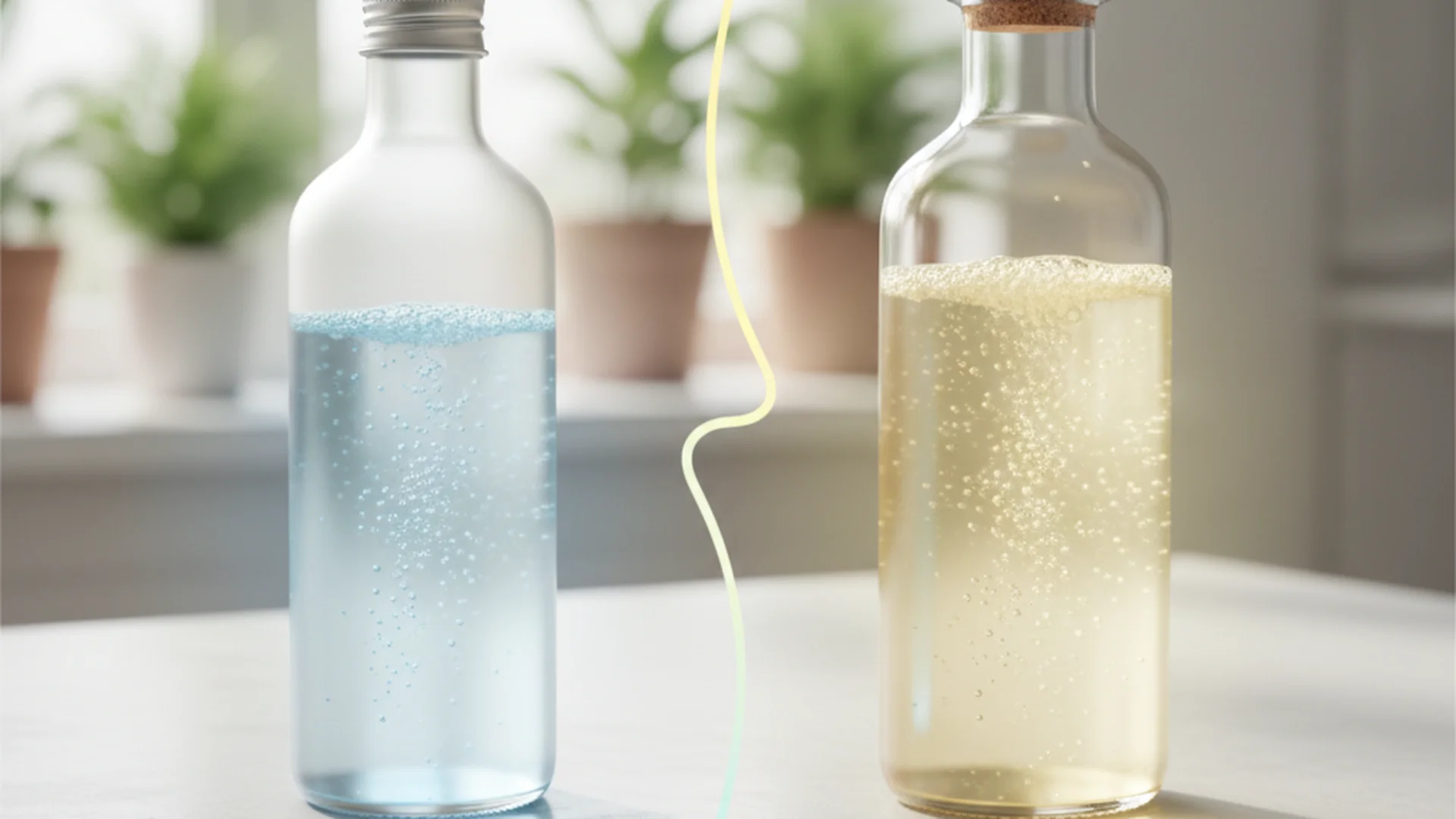
Instead of a cupboard full of various plastic bottles, 2026 has seen a rise in "zone kits." These are universal cleaning concentrates that you dilute in glass bottles. Many enthusiasts now color-code their kits by zone (e.g., Green for the "Garden/Entry Zone," Blue for "Living Areas") to streamline the process.
| Feature | Zone Cleaning | Room Cleaning |
|---|---|---|
| Time Investment | 15–20 mins daily | 1–2 hours per session |
| Mental Load | Low (routine-based) | High (project-based) |
| Satisfaction | Delayed/Cumulative | Immediate |
| Best For | Large homes/Busy people | Small homes/Deep cleans |
| 2026 Tech | Automated scheduling | High-power steam tools |
Common Mistakes to Avoid
Regardless of which side of the zone vs room cleaning fence you sit on, avoid these common pitfalls that can ruin your efficiency.
1. Cleaning the Floors First
This is the cardinal sin of cleaning. Always work from the ceiling down. Dust falls; if you mop the floors and then dust the ceiling fan, you will have to mop the floors again.
2. The "All or Nothing" Trap
In room cleaning, people often start a project (like cleaning out the pantry) and give up halfway through when they realize how big the job is. If you find yourself doing this, switch to zone cleaning to lower the barrier to entry.
3. Using One Cloth for Everything
Cross-contamination is a major hygiene risk. The 2026 standard is color-coding: use Red microfiber for bathrooms, Blue for living areas, and Yellow for the kitchen. This prevents bathroom bacteria from ending up on your dining table.
4. Neglecting High-Touch Areas
It’s easy to focus on the big surfaces like floors and counters, but light switches, doorknobs, and remote controls are the primary reservoirs for bacteria. Ensure these are included in your weekly zone or room checklist.
Warning: Never mix different cleaning chemicals, particularly bleach and ammonia. The resulting fumes are toxic. Always stick to one product or use steam for a safer alternative.
Step-by-Step: Transitioning from Room Marathons to Zone Consistency
If you’re tired of spending your weekends cleaning, here is how to transition to a zone-based system:
- Map Your Home: Divide your house into 5 zones. (e.g., Zone 1: Kitchen, Zone 2: Living Room, Zone 3: Bathrooms, Zone 4: Bedrooms, Zone 5: Storage/Outdoor).
- Create a Task List: For each zone, list 5 deep-cleaning tasks that aren't part of your daily "reset" (like wiping the inside of the windows or vacuuming under the couch).
- Assign a Week: Assign Zone 1 to the first week of the month, Zone 2 to the second, and so on.
- The 15-Minute Commitment: Every day, set your timer for 15 minutes. Pick one task from your current zone list and do it.
- Maintain the Daily Reset: Don't stop doing the dishes or making the bed! These are "Daily Resets" that keep the house functional while your zone work keeps it deep-clean.
Frequently Asked Questions
Which is better zone vs room cleaning for a working parent?
Can I combine both methods?
How do I stop "distraction cleaning" during my 15-minute zone?
Do I need different supplies for zone cleaning?
Conclusion
In the battle of zone vs room cleaning, there is no objective "winner"—only a method that wins for you. As we prioritize mental wellness and efficiency in 2026, the trend is clearly leaning toward the consistent, low-stress nature of zone cleaning. However, the psychological satisfaction of a deep room scrub will always have its place in a healthy home routine.
By understanding your own personality—whether you crave the "one-and-done" victory or the "slow and steady" peace of mind—you can stop fighting your home and start enjoying it. Embrace the "S" pattern, ditch the harsh chemicals for steam, and remember: a clean home is not just a chore, it’s a form of self-care.
Cleaning that keeps score
Every task earns points, every streak multiplies them, and Premium adds a household leaderboard plus a monthly Dustagorgon to beat.
- Free forever
- 30 badges to earn
- Up to 6 in a household
No card needed. Set up your rooms in a couple of minutes.