In this article
What you’ll learn
- Minimalism focuses on owning less, while organization focuses on efficient arrangement.
- Research shows cluttered homes lead to higher cortisol levels in residents.
- The "Edit Before You Arrange" rule is the gold standard for professional organizers in 2025.
In the modern era of consumption, we often find ourselves suffocated by our own belongings. As a professional cleaning consultant, I frequently see clients trapped between two popular philosophies: minimalism and organization. While they are often mentioned in the same breath, they represent fundamentally different approaches to managing your environment. Finding the right minimalism vs organization tips can be the difference between a home that feels like a sanctuary and one that feels like a beautifully labeled warehouse.
As we move into 2025 and 2026, the conversation is shifting. We are moving away from the stark, cold aesthetics of the past and toward "Warm Minimalism" and "Digital Sobriety." Whether you are looking to clear out a guest room or reclaim your mental clarity, understanding the nuance of which is better minimalism vs organization tips will help you build a sustainable lifestyle rather than a temporary fix.
Defining the Great Divide: Minimalism vs. Organization
To choose the right path, we must first define the boundaries. Minimalism is the practice of intentionally living with only the things you truly need or love. It is about the content of your life. Organization, on the other hand, is the practice of arranging your items efficiently so they are easy to find and use. It is about the system of your life.
The Philosophy of Minimalism
Minimalism asks the question, "Why do I have this?" In 2025, this has evolved into "Eco-Minimalism." It’s no longer just about having an empty shelf; it’s about reducing waste and choosing one high-quality, sustainable item over ten disposable ones. It’s a proactive stance against the "clutter creep" that defines modern consumerism.
The Logic of Organization
Organization asks, "Where does this go?" It assumes that the items you own serve a purpose, and therefore, they need a "home." This is essential for people with active hobbies, large families, or specialized professions. However, without a minimalist foundation, organization can quickly turn into "organized hoarding."
| Feature | Minimalism | Organization |
|---|---|---|
| Primary Goal | Owning fewer things | Arranging things efficiently |
| Focus | The content of your life | The system of your life |
| Mental Benefit | Reduces visual overstimulation | Reduces daily friction and searching |
| Cost | Free (saves money over time) | Often requires investment in storage |
| Ideal for... | People feeling overwhelmed/burnt out | People with active hobbies or large families |
| 2026 Trend | Warm Minimalism / Digital Sobriety | Eco-friendly / AI-aided systems |
The Science of Space: Why Your Brain Craves Order
The debate over minimalism vs organization tips isn't just about aesthetics; it’s about biology. Research published in the Personality and Social Psychology Bulletin has proven that women who describe their homes as "cluttered" or full of "unfinished projects" show significantly higher levels of cortisol throughout the day. Cortisol is the body’s primary stress hormone, and chronic elevation can lead to anxiety, sleep disruption, and even weight gain.
Note: Minimalism is generally cited as better for long-term anxiety reduction because it reduces the "visual noise" that competes for your brain’s attention.
When we reduce the number of items (minimalism) and then place the remaining items in logical spots (organization), we give our brains a "restorative" environment. This is why you feel a sense of relief when you walk into a clean hotel room; there is no visual "to-do list" screaming for your attention.
Minimalism in 2025: The Rise of "Warm Minimalism"
For years, minimalism had a PR problem. It was seen as cold, sterile, and unachievable for anyone with children or a personality. In 2025 and 2026, we are seeing the mainstream adoption of "Warm Minimalism."
Embracing Texture and Tone
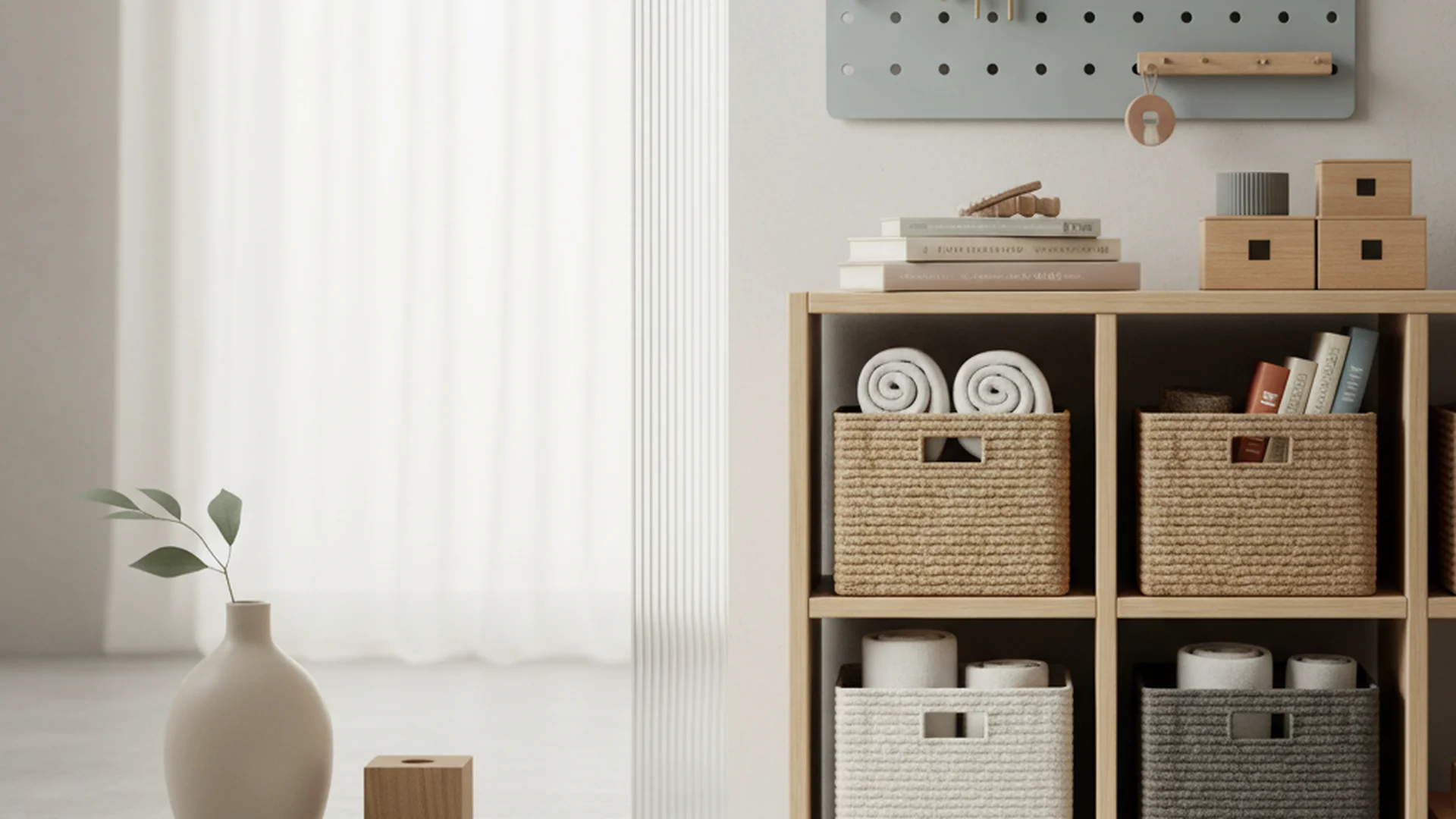
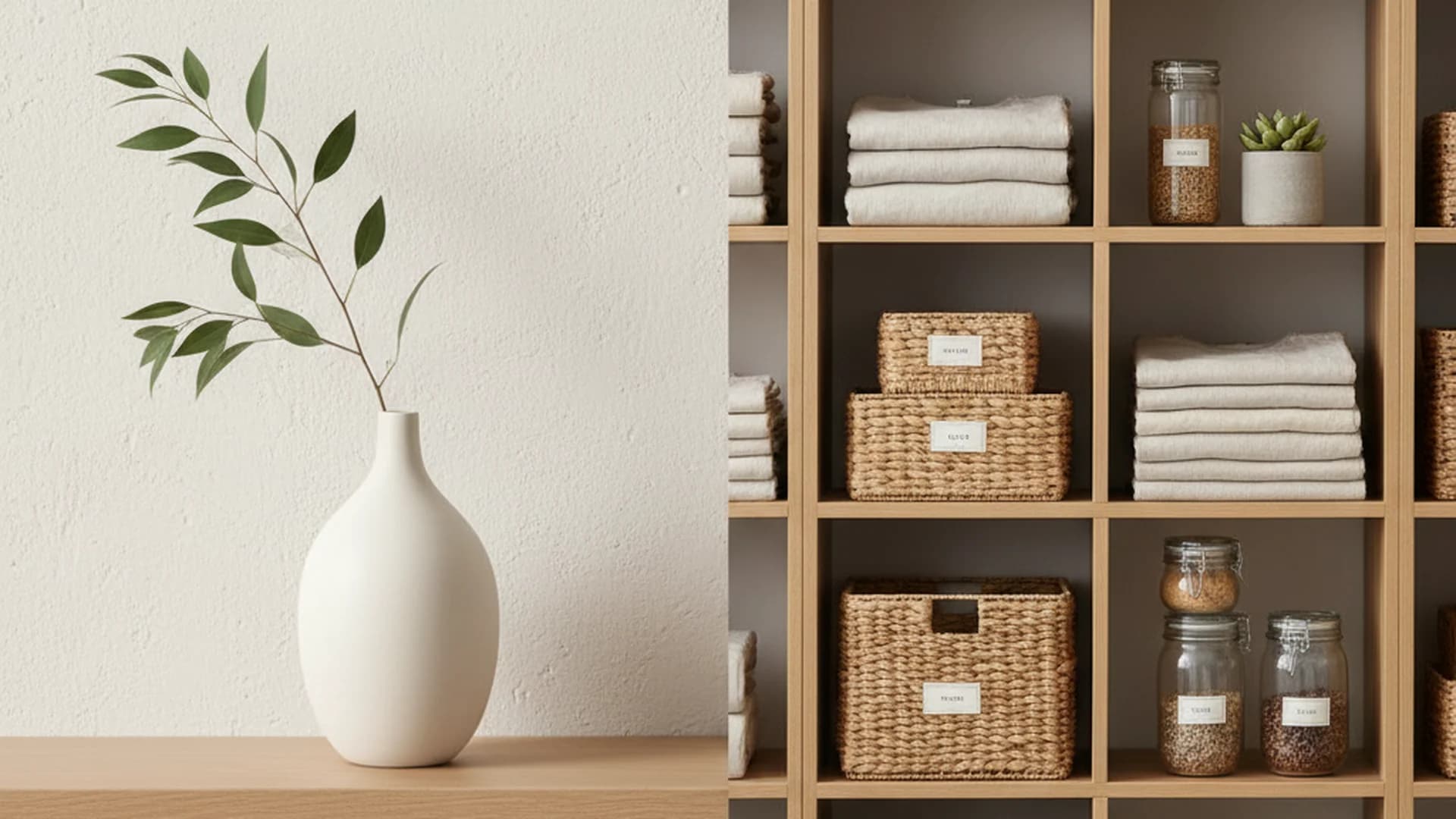
Unlike the "surgical" look of the 2010s, Warm Minimalism embraces earthy tones like clay, sage, and terracotta. It utilizes natural materials—think rattan, wood, and linen. The goal is to have fewer items, but for those items to have a high sensory value.
Real-World Example: The Curated Living Room
Instead of a bookshelf packed with 200 paperbacks you’ll never read again, a Warm Minimalist living room might feature a single, beautiful wooden shelf holding five meaningful books, a thriving potted plant, and a piece of hand-crafted pottery. The space feels full of life, yet it takes only seconds to clean.
Tip: If you're moving toward minimalism, follow the 20/20 rule: If you can replace an item for under $20 in under 20 minutes, you can safely let it go.
Organization in the Modern Age: AI and Sustainability
While minimalism reduces the volume, organization ensures the remaining items don't become a mess. The 2025-2026 trends in organization are focused on two things: technology and the environment.
AI-Enhanced Cataloging
We are now seeing the rise of AI apps that allow users to photograph their pantry or closet. The AI tracks what you use and, more importantly, what you don't use. After six months, the app might suggest a "minimalist edit" for your winter wardrobe based on the fact that you haven't touched three specific sweaters.
Moving Away from Plastic
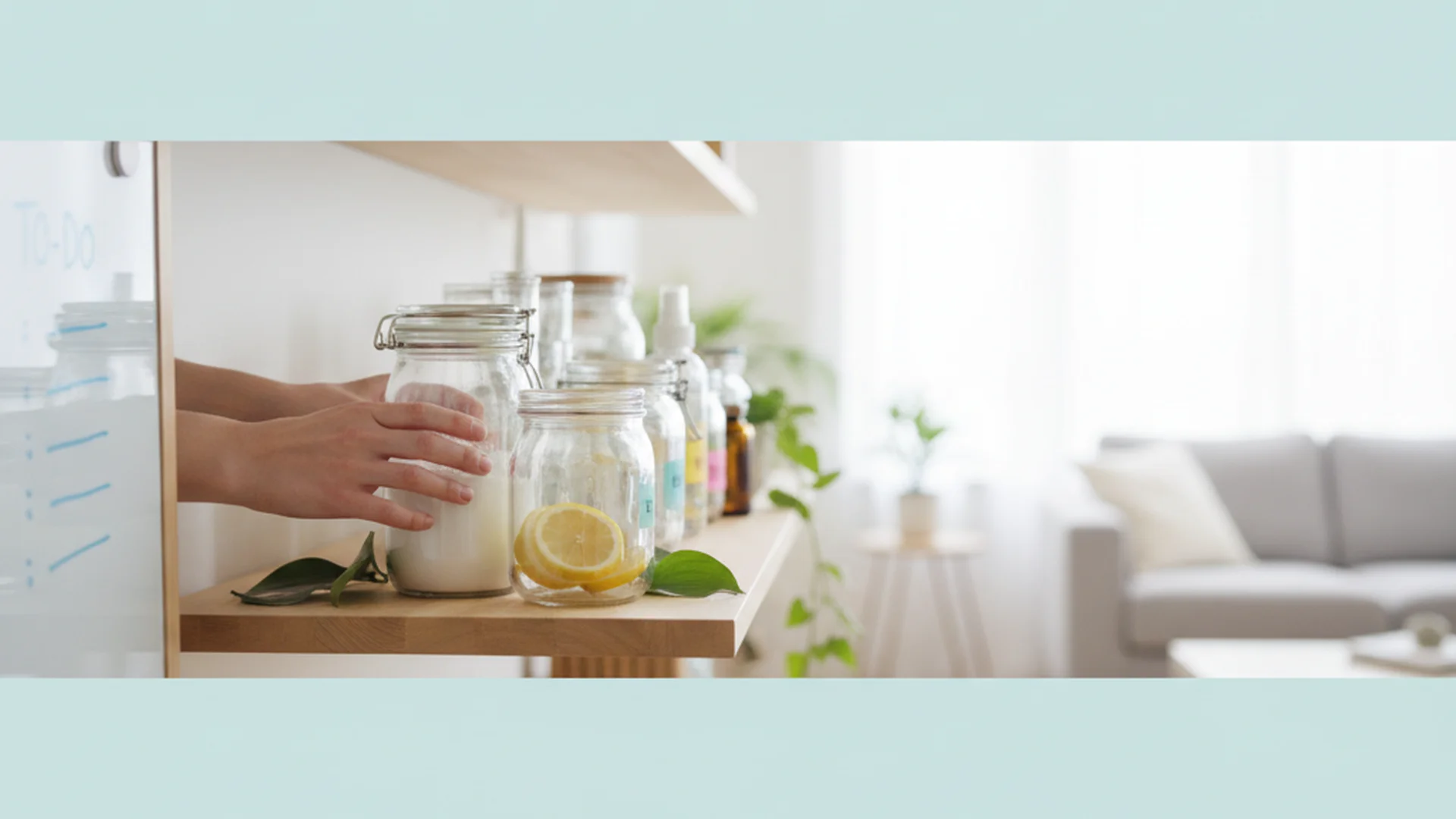
The era of the "acrylic bin" is fading. Sustainable organization now favors repurposed wooden crates, glass jars, and textile-based storage. Consumers are realizing that organizing with plastic often just adds more "stuff" to the planet.
Warning: Beware of the "Container Trap." Thinking that buying more bins is "getting organized" is a fallacy. Most people don't have an organization problem; they have a volume problem.
Minimalism vs Organization: Which is Better for You?
When deciding which is better minimalism vs organization tips, the answer depends on your current lifestyle and psychological state.
Choose Minimalism if:
- You feel constantly overwhelmed by your home.
- You spend hours every weekend cleaning just to stay afloat.
- You want to save money and reduce your environmental footprint.
- You struggle with "decision fatigue" when choosing clothes or meals.
Choose Organization if:
- You have a large family with diverse needs.
- You have specialized equipment for hobbies (e.g., skiing, crafting, woodworking).
- You actually enjoy the process of maintaining systems and labeling.
- You have a large home but struggle to find your keys or mail.
The Hybrid Approach: "Edit Before You Arrange"
The most successful strategy in 2025 is to treat these as a sequence rather than a choice. Professional organizers now recommend a strict "Minimalism First" approach. You should never buy an organizing bin until you have decluttered the category entirely.
Success: By editing your belongings first, you reduce the number of storage solutions you need to buy, saving you money and physical space.
Common Mistakes to Avoid
Even with the best intentions, it's easy to fall into traps that lead back to clutter.
- Treating Minimalism as a Destination: Minimalism is a maintenance lifestyle. If you don't change your shopping habits, the clutter will return within six months.
- The "Just in Case" Fallacy: Keeping a box of old cables or "thin clothes" for a hypothetical future. This creates "mental weight" that prevents you from enjoying the present.
- Ignoring Digital Clutter: In 2026, digital clutter is just as damaging as physical clutter. Having 50,000 unread emails or a phone full of unused apps causes significant notification fatigue.
- Focusing on Perfection: Your home shouldn't look like a museum. It should look like a place where a person lives intentionally.
Real-World Example: The Digital Sobriety Shift
Consider the "App-Shucking" movement of 2026. Instead of organizing your 100+ apps into neat little folders (Organization), Digital Sobriety encourages you to delete all but the essentials (Minimalism). This reduces the impulse to check your phone and reclaims your "analog hours."
Expert Best Practices for 2025
As a Professional Cleaning Consultant, these are the three habits I recommend to every client:
1. The "One-In, One-Out" Policy
To prevent "clutter creep," establish a rule: for every new item brought into the home, one must be donated, sold, or recycled. This forces you to evaluate the value of every new purchase.
2. Intentional Friction
Make it harder to buy things. I recommend a "48-hour cooling period" for online carts. If you still feel you need the item after two days, then you can proceed. This simple step eliminates most dopamine-driven impulse buys.
3. Visual vs. Hidden Storage (The ADHD Tip)
For neurodivergent individuals, "out of sight" often means "out of mind." If you have ADHD, use clear bins and open shelves. This is a form of organization that acknowledges the need for visual cues to prevent duplicate buying.
Tip: Use a "label maker" not just for names, but for "intent." Label a bin "Holiday Decor" to ensure it doesn't become a "miscellaneous junk" bin.
Frequently Asked Questions
Can I be organized without being a minimalist?
Which is better for mental health?
Is minimalism more expensive?
Do I have to live in a white, empty room to be a minimalist?
How do I deal with "sentimental" clutter?
Conclusion
When we look at minimalism vs organization tips, it’s clear that neither is a "magic bullet" on its own. Organization provides the structure we need to function, while minimalism provides the freedom we need to breathe. In the coming years, the most successful homes will be those that embrace "Warm Minimalism"—a curated, sustainable, and stress-free environment that prioritizes people over possessions.
By implementing the "Edit Before You Arrange" rule and staying mindful of the "Container Trap," you can create a home that supports your mental health and reflects your values. Remember, the goal isn't to have a perfect house; it's to have a perfect life that happens to take place in a house you love.
Success: Starting with a minimalist edit can reduce the time you spend cleaning by up to 40%, giving you back hours of your life every week.
Cleaning that keeps score
Every task earns points, every streak multiplies them, and Premium adds a household leaderboard plus a monthly Dustagorgon to beat.
- Free forever
- 30 badges to earn
- Up to 6 in a household
No card needed. Set up your rooms in a couple of minutes.