In this article
What you’ll learn
- Daily cleaning lowers everyday stress and prevents chore burnout.
- Weekly cleaning is essential for deep sanitation and allergen control.
- A hybrid approach is the most sustainable method for 2026 lifestyles.
In the fast-paced world of 2025 and 2026, the age-old debate of weekly vs daily cleaning has evolved beyond simple chores; it is now a matter of mental well-being and home automation. We have all faced the dilemma: do you spend 20 minutes every evening tidying up, or do you sacrifice your entire Saturday morning to scrub the house from top to bottom? Choosing which is better weekly vs daily cleaning often depends on your family size, work-from-home status, and your personal tolerance for clutter. As a professional cleaning consultant, I have seen that the most successful households aren't the ones that clean the most, but the ones that clean the smartest.
The Daily Cleaning Philosophy: Maintenance and Mental Peace
Daily cleaning is often misunderstood as "constant" cleaning. In reality, the daily approach is about maintenance—keeping the home at a baseline level of order so that it never reaches a "point of no return."
People who implement a "15-minute rule"—performing just 15 minutes of proactive cleaning daily—tend to feel noticeably less stressed by their homes. This is because a tidy environment prevents the visual "noise" that leads to decision fatigue, which matters even more for remote workers who share their living space with their office.
The Non-Negotiable Daily Tasks
To make a daily schedule work without it feeling like a second job, you must focus on high-traffic "hotspots." These are areas where bacteria and clutter accumulate fastest.
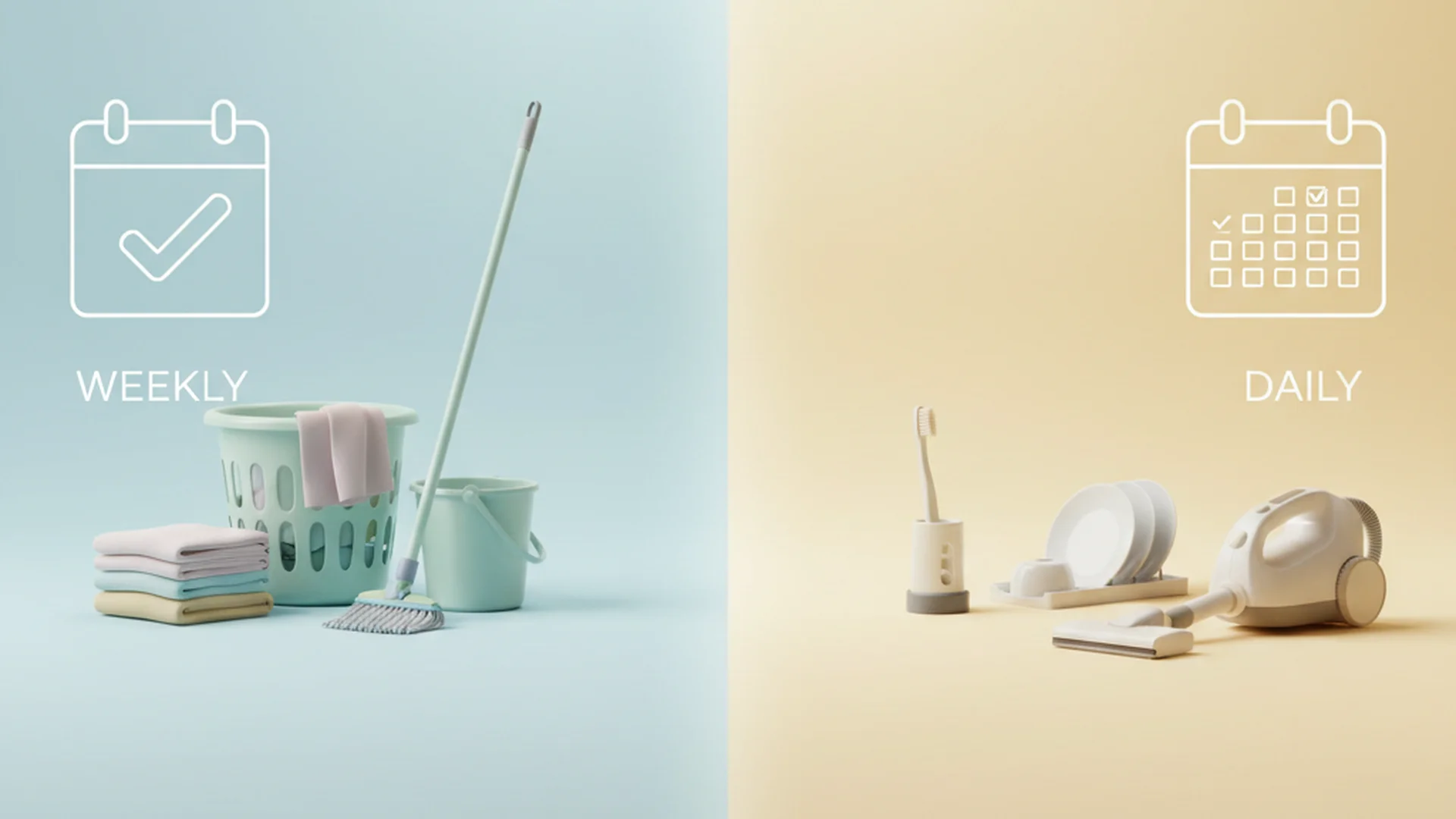
- Dish Management: Emptying the dishwasher in the morning and loading it at night.
- Surface Wiping: A quick wipe of kitchen counters after meals to prevent grease buildup.
- The 5-Minute Reset: Walking through the living room to fold blankets and put away stray items.
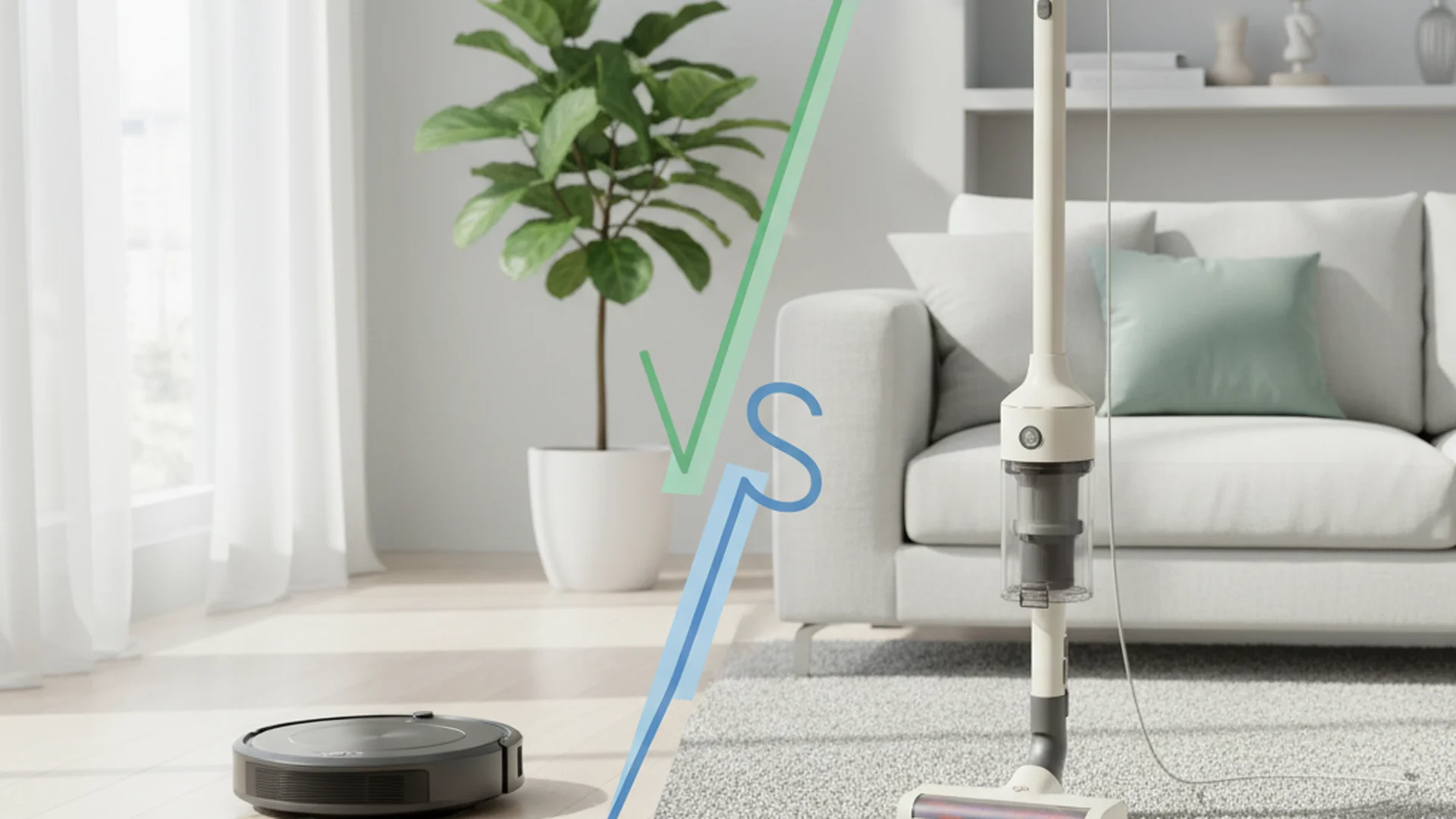
- Floor Maintenance: A quick sweep or robot vacuum run in the kitchen and entryway.
Tip: Use the "One-Touch Rule"—if you pick an object up, put it in its final destination immediately rather than placing it on a "temporary" spot like the mail pile or the kitchen island.
The Weekly Cleaning Philosophy: Deep Sanitation
While daily cleaning keeps the house looking good, weekly cleaning keeps it healthy. Weekly tasks are designed to tackle the grime that isn't always visible to the naked eye, such as dust mites in linens or bacteria colonies in the bathroom.
The argument for a weekly-heavy focus is that it allows for deep focus. Instead of switching gears every day, you dedicate a block of time to high-intensity tasks like mopping and scrubbing. This is often preferred by those with high-intensity jobs who prefer to "clock out" of household responsibilities during the work week.
Essential Weekly Tasks
- Bathroom Sanitization: Scrubbing toilets, showers, and disinfecting sinks.
- Floor Care: Mopping hard floors and vacuuming under furniture.
- Dusting: Using microfiber cloths on all visible surfaces and electronics.
- Bedding: Changing sheets and pillowcases to reduce allergen buildup.
- Appliance Care: Cleaning the microwave interior and wiping down the fridge shelves.
Warning: Waiting until the end of the week to clean kitchen counters is a health risk. Bacteria multiply quickly on food-prep surfaces, often within a single day.
Which Is Better: Weekly vs Daily Cleaning?
When deciding which is better weekly vs daily cleaning, the answer is rarely one or the other. Instead, 2026 trends point toward a Hybrid Model. Without daily maintenance, a weekly clean becomes a "marathon" that can take 5–6 hours, leading to resentment and exhaustion. Conversely, without a weekly deep clean, a home that "looks" clean daily will eventually suffer from hidden grime and poor air quality.
Comparison Overview
| Feature | Daily Cleaning | Weekly Cleaning |
|---|---|---|
| Primary Goal | Clutter Control & Mental Peace | Sanitation & Surface Care |
| Time Investment | 15–30 Minutes | 2–4 Hours |
| Key Advantage | Prevents "Chore Burnout" | Addresses hidden germs/allergens |
| Best For | Busy professionals & families | Deep-level home maintenance |
| 2026 Trend | AI-prompted "Micro-tasks" | "Scent-mapped" deep cleans |
Note: For large families, the "daily" portion is non-negotiable. Without daily tidying, most homes reach a "chaos point" by Wednesday afternoon.
Real-World Examples: Choosing Your Path
Example 1: The Remote Professional
Sarah works from home in a high-pressure tech role. She found that saving all cleaning for Saturday ruined her weekend. She transitioned to a daily-heavy schedule, spending 10 minutes every morning "resetting" her workspace and kitchen. By Friday, her home felt fresh, and her weekly "deep clean" was reduced to just 90 minutes of bathroom and floor work.
Example 2: The Large Family (4+ People)
The Miller family struggled with a weekly schedule because the laundry and dishes became insurmountable by Tuesday. They adopted the "Zone Method." Each child is responsible for a 5-minute daily "reset" of their own room, while the parents handle one "Weekly Task" per day (e.g., Bathroom Monday, Vacuum Tuesday). This prevents the "Saturday Marathon" entirely.
Example 3: The Minimalist Apartment Dweller
Mark lives alone in a 600-square-foot apartment. For him, a weekly schedule works best. Because there is low foot traffic and no children, he can get away with a single 2-hour session on Sunday mornings, keeping his weekdays completely free for hobbies and social life.
New Trends in 2025–2026: The Rise of Smart Cleaning
As we move through 2026, the way we manage these schedules is shifting thanks to technology and wellness trends.
AI-Integrated Scheduling
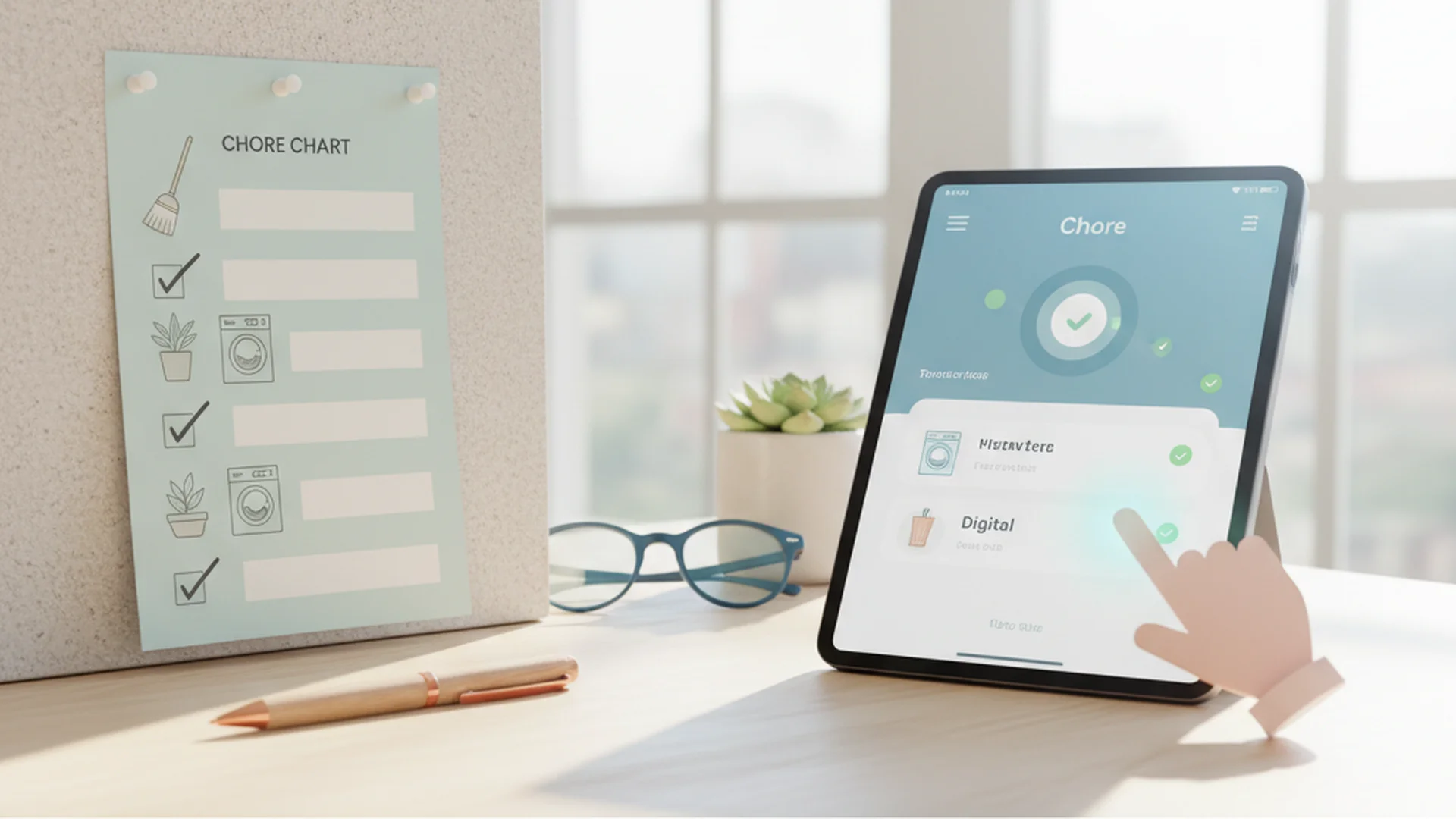
Modern smart home systems now use sensors to suggest cleaning based on actual usage rather than the day of the week. For example, your vacuum may prompt a "Weekly Deep Clean" notification after detecting high pet dander levels or increased foot traffic after a rainy day. This removes the guesswork from the "weekly vs daily" debate.
"Micro-Cleaning" Sprints
Moving away from the traditional "Spring Clean," 2026 trends favor 10-minute bursts triggered by habit stacking. This might involve cleaning the bathroom mirror while brushing your teeth or wiping down the fridge handles while waiting for the coffee to brew.
Sensory Cleaning and Scent-Mapping
A popular movement in the "Wellness Home" sector involves using different scents for daily vs. weekly tasks. Daily cleaning might use citrus scents to boost energy, while the weekly deep clean uses lavender or eucalyptus to signal the brain that the "heavy work" is done and the home is now a sanctuary.
Success: Integrating scent-mapping can help your brain transition from "work mode" to "relaxation mode" in less than 5 minutes.
Common Mistakes to Avoid
- Waiting for "Dirty" to Clean: Cleaning should be preventative. If you wait until you see mold in the shower, you are already dealing with matured spores that are harder to kill and potentially harmful to breathe.
- Over-reliance on Daily Cleaning: Some homeowners "surface clean" every day but never move the rug or clean under the bed. This leads to massive allergen buildup that can cause respiratory issues over time.
- Using the Same Product for Everything: Daily cleaning usually only requires mild, eco-friendly soaps. Weekly cleaning often requires targeted disinfectants or descalers. Using harsh chemicals every day can degrade your air quality and damage delicate surfaces.
- The "All or Nothing" Mentality: If you miss your daily 15 minutes, don't give up on the week. Simply pick up where you left off the next day.
Frequently Asked Questions
Is it better to clean a little every day or all at once?
How do I stop cleaning all day?
What are the non-negotiable daily cleaning tasks?
Can a weekly cleaning schedule be effective for large families?
Final Verdict: Consistency Over Perfection
In the battle of weekly vs daily cleaning, the winner is consistency. Preventing deep-set grime through daily maintenance saves you hours of hard scrubbing later. By combining a 15-minute daily "reset" with a targeted 2-hour weekly "sanitization session," you can maintain a home that is both aesthetically pleasing and medically hygienic.
Stop looking at cleaning as a massive hurdle to overcome once a week. Instead, view it as a series of small, manageable "micro-wins" that protect your health and your peace of mind.
Success: Following a hybrid schedule ensures your home remains a sanctuary rather than a source of stress.
Cleaning that keeps score
Every task earns points, every streak multiplies them, and Premium adds a household leaderboard plus a monthly Dustagorgon to beat.
- Free forever
- 30 badges to earn
- Up to 6 in a household
No card needed. Set up your rooms in a couple of minutes.