In this article
What you’ll learn
- Always identify your couch’s cleaning code (W, S, S-W, or X) before applying liquids.
- Natural suede is highly porous and requires solvent-based or "dry" cleaning methods.
- Use cornstarch for oil stains and a suede eraser for dry scuffs to maintain the nap.
Suede furniture is the epitome of interior luxury, offering a tactile warmth and sophisticated aesthetic that few other materials can match. However, for many homeowners, the fear of a single spilled glass of water or a greasy snack prevents them from fully enjoying their investment. If you are wondering how to clean suede couch without causing permanent damage, you have come to the right place.
As we move into 2025, the technology behind both natural and synthetic suede has evolved, but the fundamental rules of care remain rooted in understanding the material's unique "nap." Natural suede is the underside of animal hide and is 100% more absorbent than finished leather. This means traditional cleaning methods—like soap and water—can be disastrous. In this guide, we will explore the best way to clean a suede couch at home while utilizing professional-grade secrets to keep your furniture looking brand new.
Understanding Your Suede: Natural vs. Microsuede
Before you grab a cleaning cloth, you must identify what your couch is actually made of. The "best way clean suede couch" varies significantly depending on whether the material is organic or synthetic.
Natural suede is highly porous. Because it lacks the protective outer grain of standard leather, it absorbs liquids almost instantly. Microsuede, on the other hand, is a high-tech polyester blend. It is designed to mimic the feel of suede while offering much higher resistance to stains and moisture.
Note: Professional cleaning costs in 2025 range from $200 to $500. Knowing how to handle minor spills yourself can save you thousands over the life of your furniture.
Deciphering the Cleaning Codes
Every reputable suede couch will have a care tag, usually located under the seat cushions. You must follow these codes strictly to avoid shrinking the hide or creating permanent water rings.
| Code | Meaning | Cleaning Method |
|---|---|---|
| W | Water-based | Can use water-based foam or upholstery shampoo. |
| S | Solvent-based | Must use "dry" cleaning solvents; no water. |
| S-W | Both | Safe for water or solvents. |
| X | Vacuum Only | Professional cleaning required for any stains. |
The Essential Toolkit for Suede Care
To clean a suede couch at home effectively, you need more than just a vacuum. Stock your cleaning caddy with these essentials:
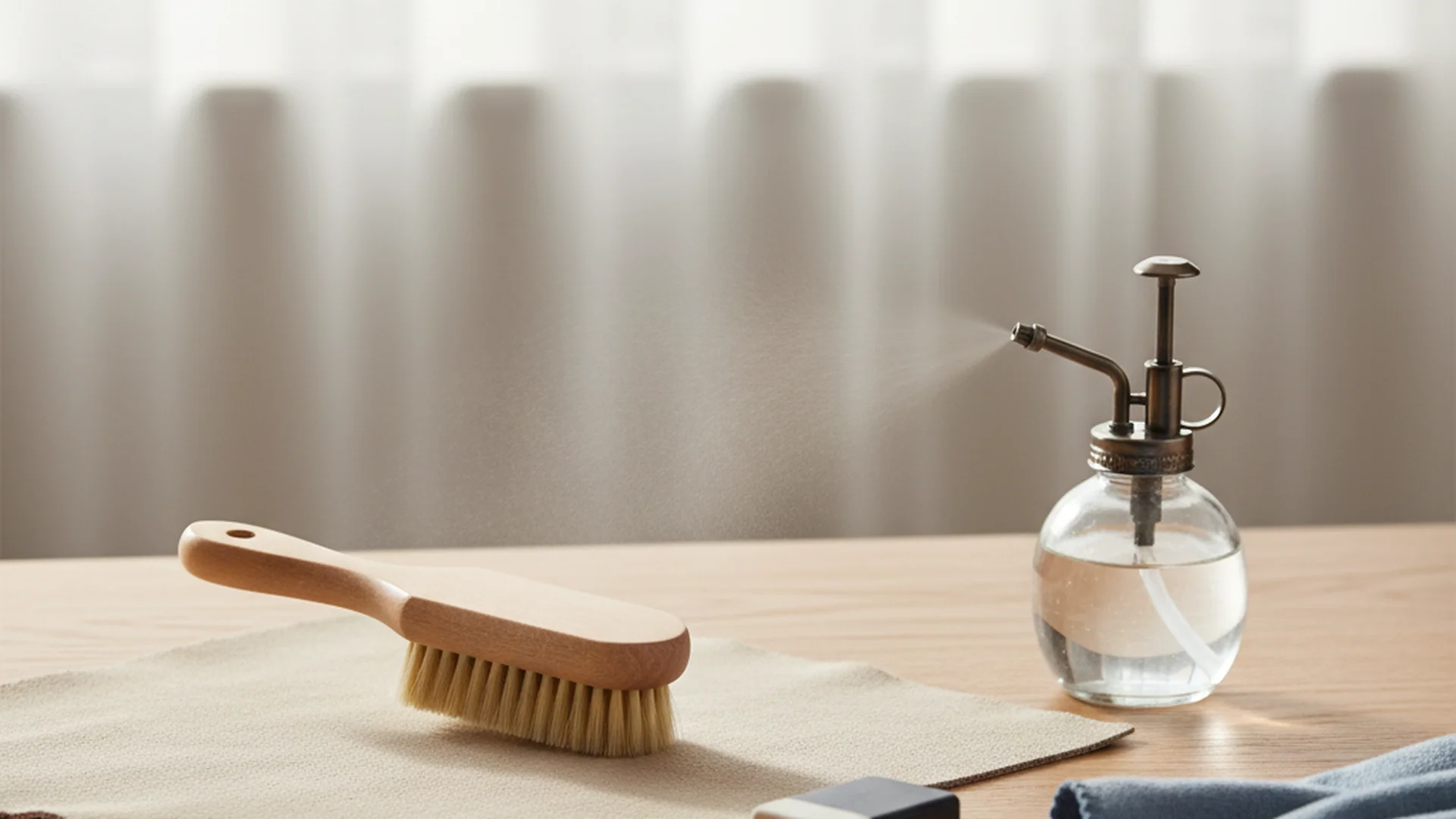
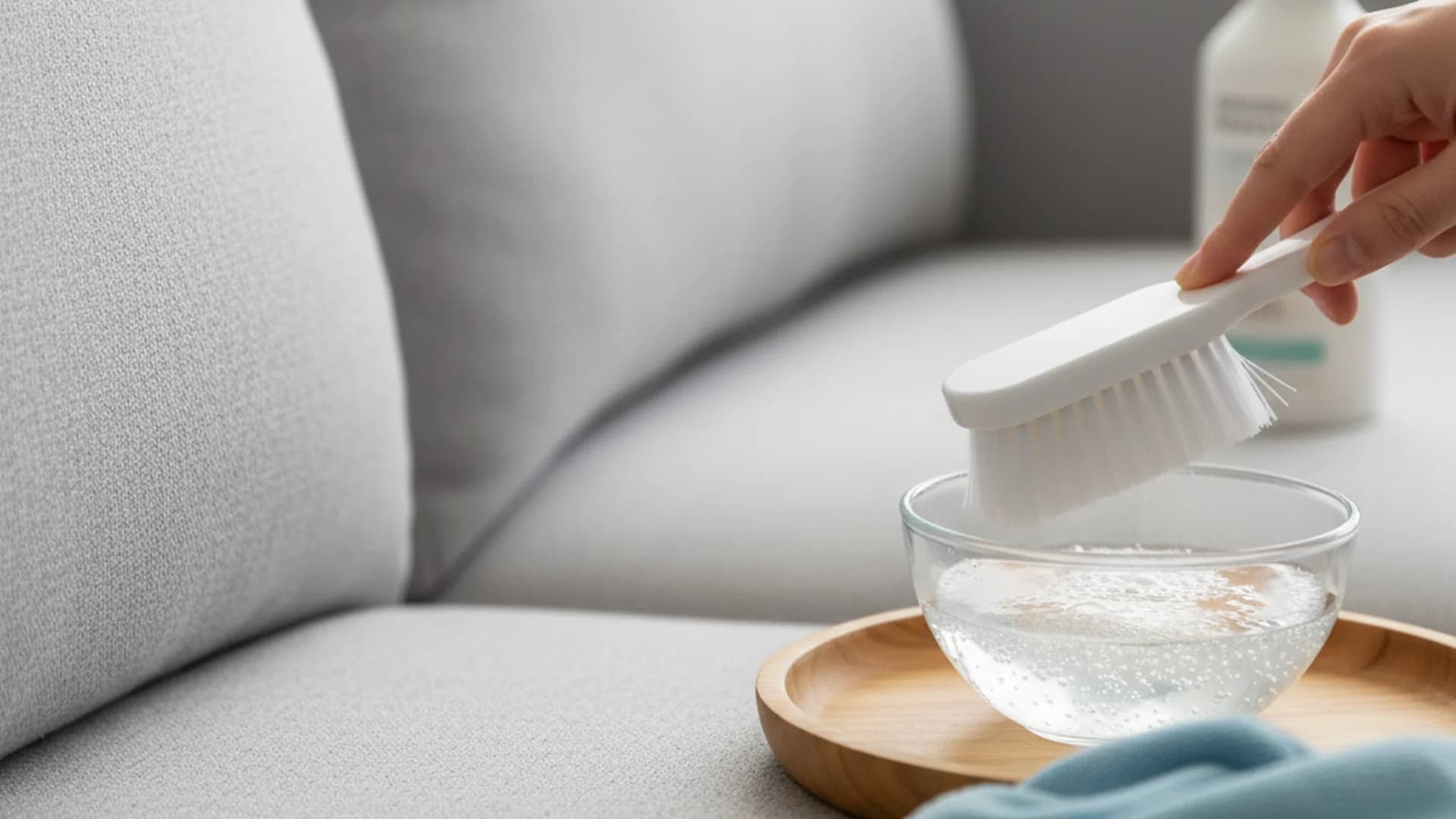
- Suede Brush: A dual-sided brush with soft bristles and rubber "fingers."
- Suede Eraser: A specialized tool for lifting dry stains (a clean pencil eraser works in a pinch).
- Cornstarch or Baking Soda: Essential for oil and grease extraction.
- White Microfiber Cloths: To prevent dye transfer during blotting.
- Rubbing Alcohol (70%): Primarily for microsuede (S-coded) fabrics.
Tip: Always perform a "spot test" on a hidden area, such as the back of the couch or the underside of a cushion, before applying any solvent to a visible area.
Step-by-Step: The Best Way to Clean Suede Couch
Step 1: Dry Soil Removal
The most common cause of a "dingy" looking couch is dust and skin cells trapped in the nap. Use a vacuum with a soft brush attachment. Work in long, even strokes to lift debris without scratching the surface.
Step 2: Spot Cleaning with the "Dry Method"
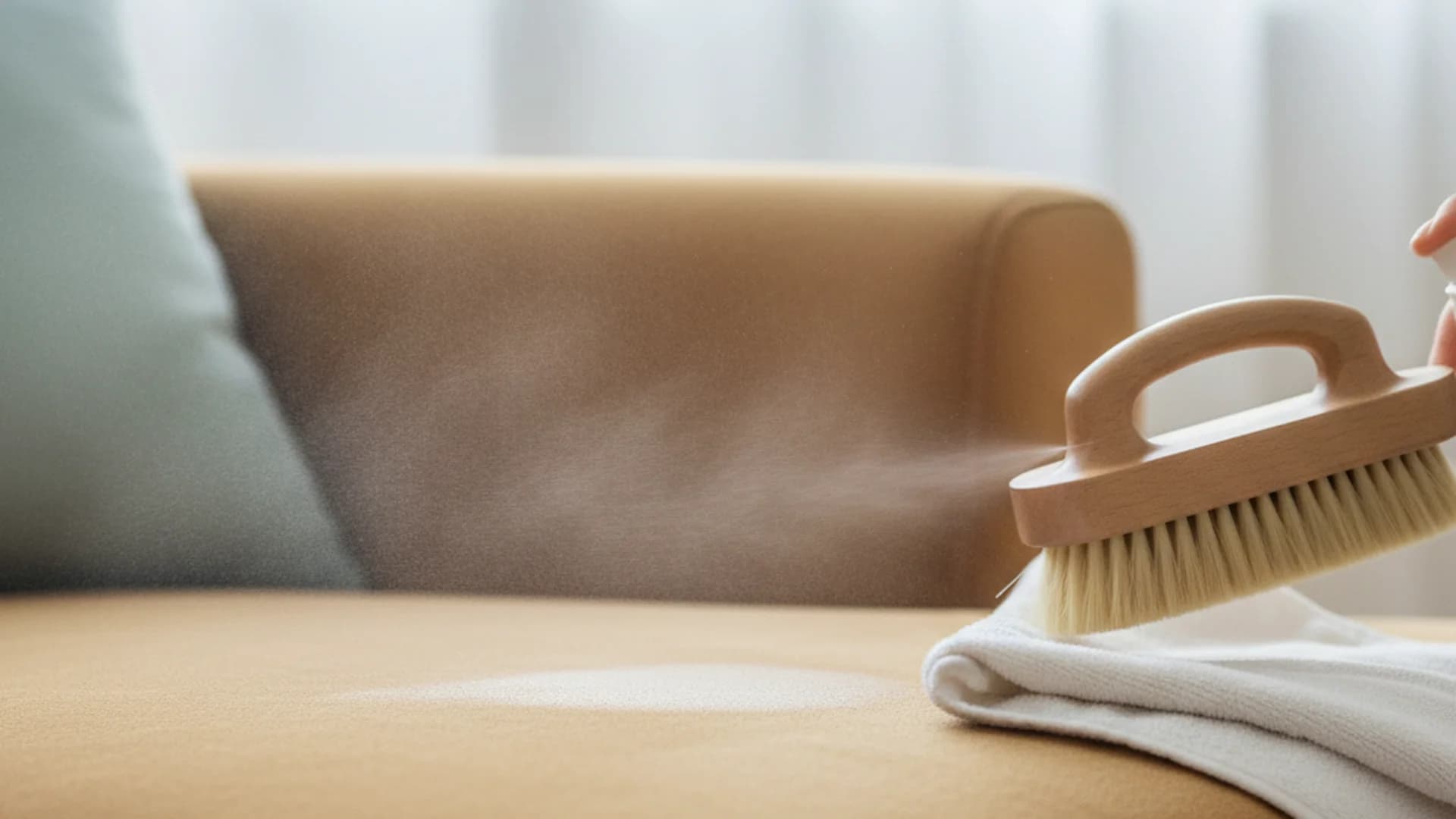
For dry marks like scuffs or pencil lines, use your suede eraser. Rub the spot gently in a circular motion. Once the mark is gone, use the suede brush to "wake up" the fibers and restore the texture.
Step 3: Tackling Oil and Grease Stains
If you’ve dropped a piece of pizza or noticed dark patches where heads or hands rest (body oils), do not use water.
Example: The Pizza Grease Incident Imagine a slice of pepperoni pizza lands face-down on your natural suede sectional. Instead of reaching for a wet rag, immediately cover the spot with a thick layer of cornstarch. Let it sit for 24 hours. The starch will draw the oil out of the porous fibers. The next day, simply brush it away.
Step 4: Removing Water Spots
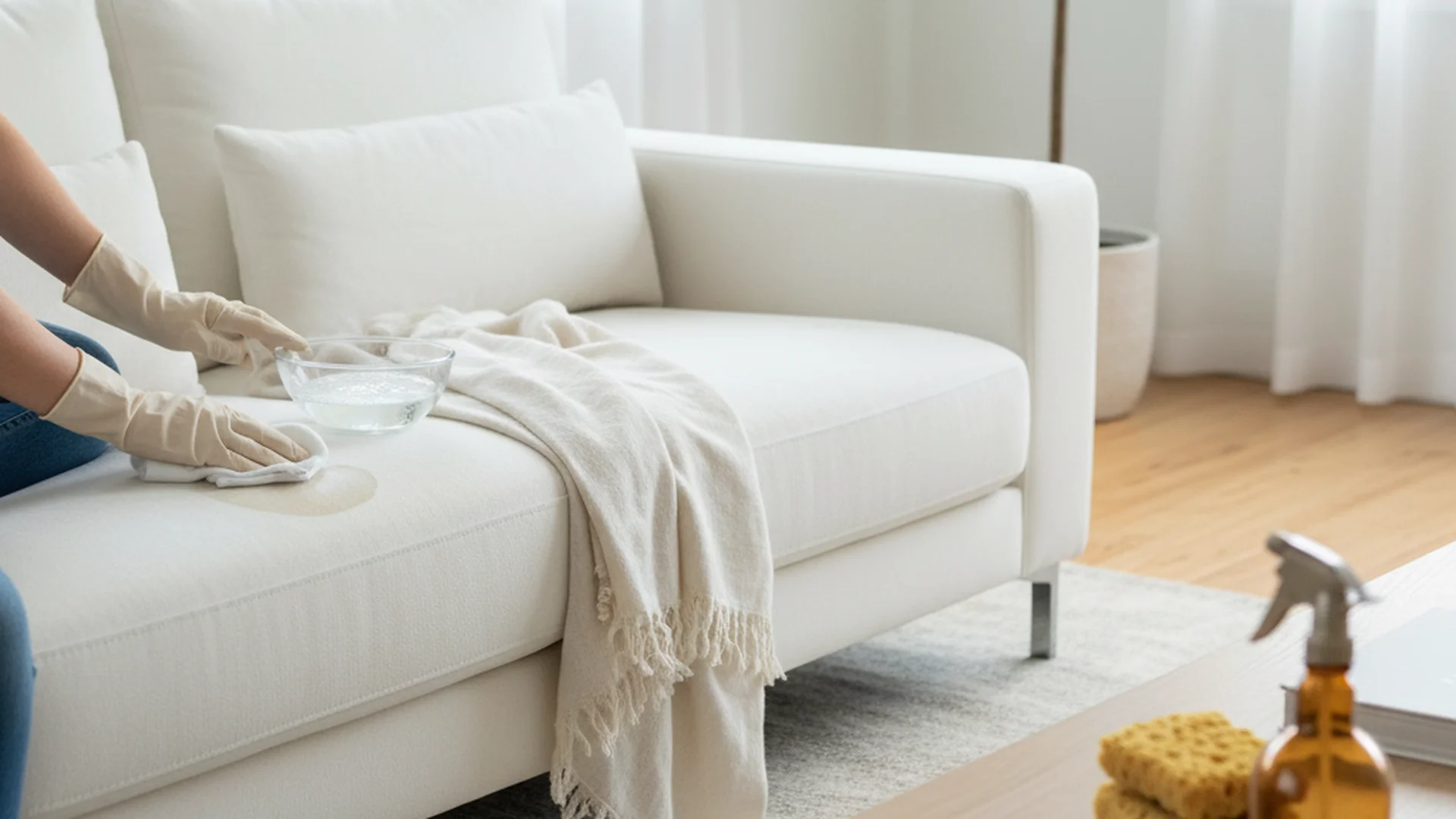
It sounds counterintuitive, but the best way to fix a water ring on suede is with more moisture—carefully applied. Dampen a cloth slightly and rub the area from the center of the stain outward to the nearest seam. This "feathers" the edge of the stain so that as it dries, the ring disappears into the natural lines of the furniture.
Warning: Never use a hairdryer or direct sunlight to speed up the drying process. High heat can make natural suede brittle and cause the hide to shrink or warp.
Advanced Techniques and 2025 Trends
As we look toward 2026, the industry is shifting toward more sustainable and tech-forward maintenance.
Sonic Cleaning Tools
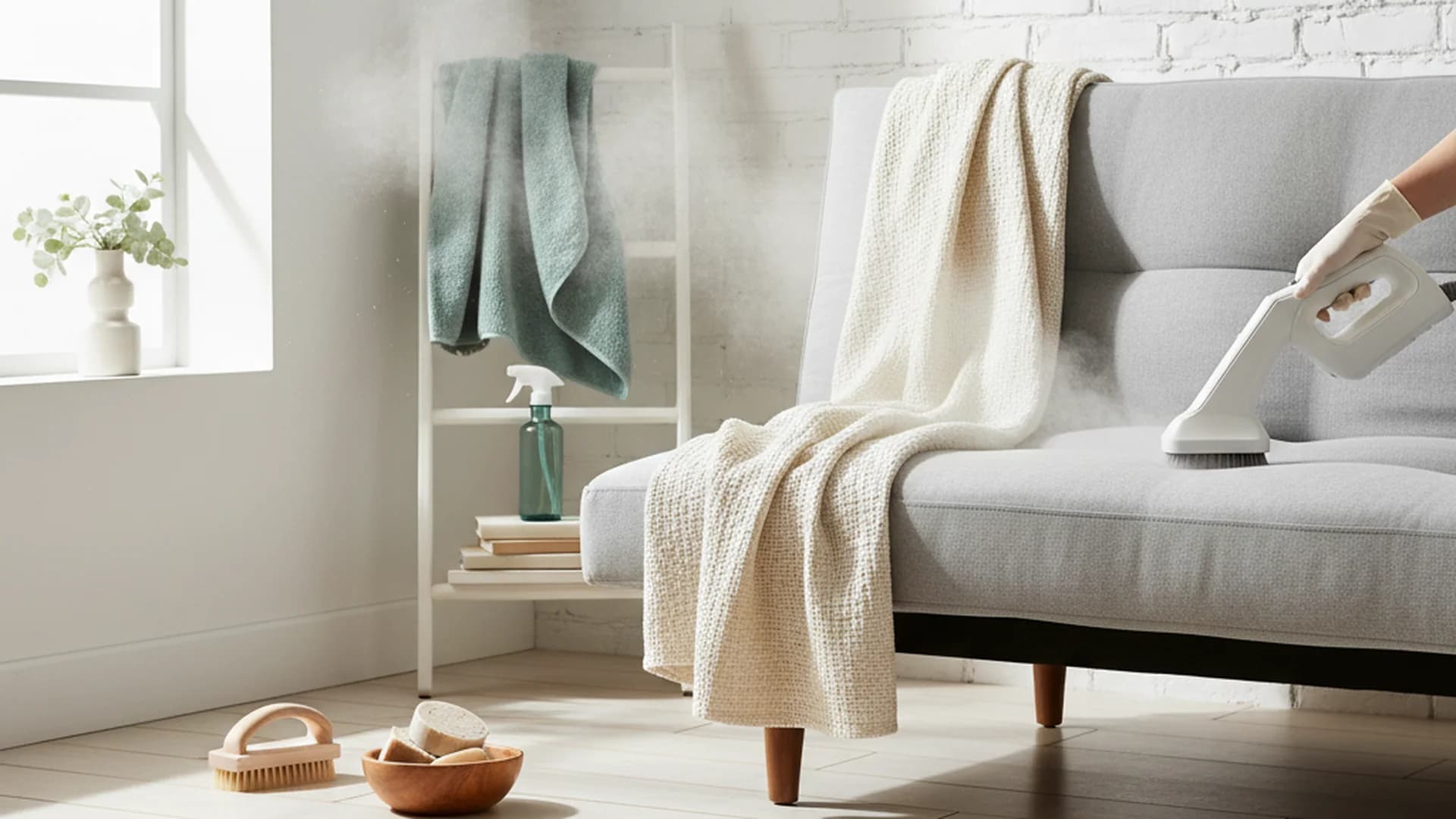
A rising trend in 2025 is the use of handheld sonic upholstery brushes. These devices vibrate at high frequencies to "shake" dust and allergens out of the suede nap without the need for abrasive scrubbing. This is particularly useful for delicate natural suede that might be damaged by traditional stiff-bristled brushes.
Eco-Friendly Enzymatic Cleaners
Traditional solvents can have harsh fumes. New plant-based enzymatic cleaners are becoming the preferred choice for 2026. These break down biological stains—like pet accidents or food—at a molecular level.
Example: The Pet Accident Recovery If a pet has an accident on a microsuede couch, an enzymatic cleaner is superior to vinegar or soap. The enzymes "eat" the proteins that cause odors, ensuring the stain doesn't return or attract the pet back to the same spot.
Common Mistakes to Avoid
Even well-intentioned cleaning can ruin a suede couch if you follow outdated "internet hacks."
- Using Shaving Cream: Many blogs suggest shaving cream for stains. This is a mistake. The oils and perfumes in shaving cream leave a sticky residue that will eventually attract more dirt, creating a permanent dark spot.
- Steam Cleaning: Steam is excellent for cotton or linen, but it is the enemy of natural suede. The intense heat and moisture can permanently shrink the leather hide.
- Rubbing Fresh Spills: When a liquid hits suede, the instinct is to scrub. This pushes the liquid deeper into the nap. Always blot with a dry, white microfiber cloth.
- Using Dyed Cloths: Never use a colored sponge or cloth. The solvents used to clean suede can lift the dye from the cloth and transfer it permanently onto your couch.
Success: Regularly brushing your suede couch (once a week) prevents "matting" and keeps the nap soft, significantly extending the life of the furniture.
Frequently Asked Questions
Can I use water to clean my suede couch?
How do I get a water stain out of suede?
Is rubbing alcohol safe for suede?
How do I remove pet hair from a suede couch?
How often should I professionally clean my suede couch?
Conclusion
Learning how to clean suede couch surfaces doesn't have to be a source of stress. By identifying your fabric's cleaning code, acting quickly with the "blot, don't rub" rule, and utilizing the power of cornstarch for oil stains, you can maintain a pristine living room. Whether you are dealing with a vintage natural suede piece or a modern performance microsuede sectional, the key is patience and the right tools.
Remember, the "best way clean suede couch" is through consistent maintenance rather than emergency intervention. Keep your suede brush handy, and your furniture will remain a soft, luxurious centerpiece of your home for years to come.
Success: By following these professional steps, you have increased the longevity of your furniture and maintained its resale value.
Cleaning that keeps score
Every task earns points, every streak multiplies them, and Premium adds a household leaderboard plus a monthly Dustagorgon to beat.
- Free forever
- 30 badges to earn
- Up to 6 in a household
No card needed. Set up your rooms in a couple of minutes.