In this article
What you’ll learn
- Always check the manufacturer cleaning code (W, S, WS, X) before applying liquids.
- Use distilled water to prevent mineral rings and yellowing on white fabric.
- Blot, never rub, to prevent stains from embedding deeper into the fibers.
A white couch is the ultimate statement piece in modern interior design, offering a crisp, airy aesthetic that makes any living room feel like a luxury suite. However, owning one comes with a unique set of challenges. Whether you are dealing with a spilled glass of Cabernet or the gradual buildup of everyday dust, knowing how to clean white couch surfaces effectively is the difference between a stunning centerpiece and a high-maintenance headache.
As we move into 2025, the standards for home maintenance are shifting. With the rise of performance fabrics and specialized enzymatic cleaners, the best way clean white couch materials has evolved from simple soap-and-water methods to more sophisticated, fabric-specific protocols. This guide will walk you through the professional secrets to keeping your upholstery bright, white, and beautiful.
The Reality of White Couch Maintenance
Before diving into the "how-to," it is important to understand the landscape of furniture care. A great many DIY upholstery cleaning attempts end in permanent damage or discoloration. This usually happens because homeowners reach for the wrong chemicals or soak the fabric with too much water.
The stakes are high because white fabric hides nothing. Most sofas pick up visible stains eventually, with the most common culprits being:
- Tea & Coffee
- Chocolate
- Red Wine
- Fruit Juice
By following a professional framework, you can mitigate these risks and ensure your furniture remains in showroom condition for years to come.
Step 1: Decode Your Couch
The most critical step in learning how to clean white couch at home is identifying what the fabric can actually handle. Every couch should have a care tag, usually located under the cushions or on the bottom of the frame.
| Cleaning Code | Meaning | Recommended Cleaning Method |
|---|---|---|
| W | Water-based | Use water-based cleaning agents or foam. |
| S | Solvent-based | Use water-free dry cleaning solvents only. |
| WS | Either | Safe for both water and solvent cleaners. |
| X | Vacuum only | No liquids allowed; professional cleaning only. |
Warning: Ignoring the "X" code or using water on an "S" coded couch can cause permanent shrinking, "water rings," or fabric ripples that are impossible to repair.
Step 2: Essential Tool Kit for White Upholstery
To achieve professional results, you need the right tools.
Professional-Grade Equipment
- Top Machine: Bissell Little Green or Hoover CleanSlate Plus for deep extraction.
- Top Spray: Folex Carpet Spot Remover (instant results) or Earthworm (enzymatic).
- The Microfiber Rule: Always use white microfiber cloths. Dyed cloths can transfer color onto your white couch during the cleaning process.
The DIY "Pro" Solution
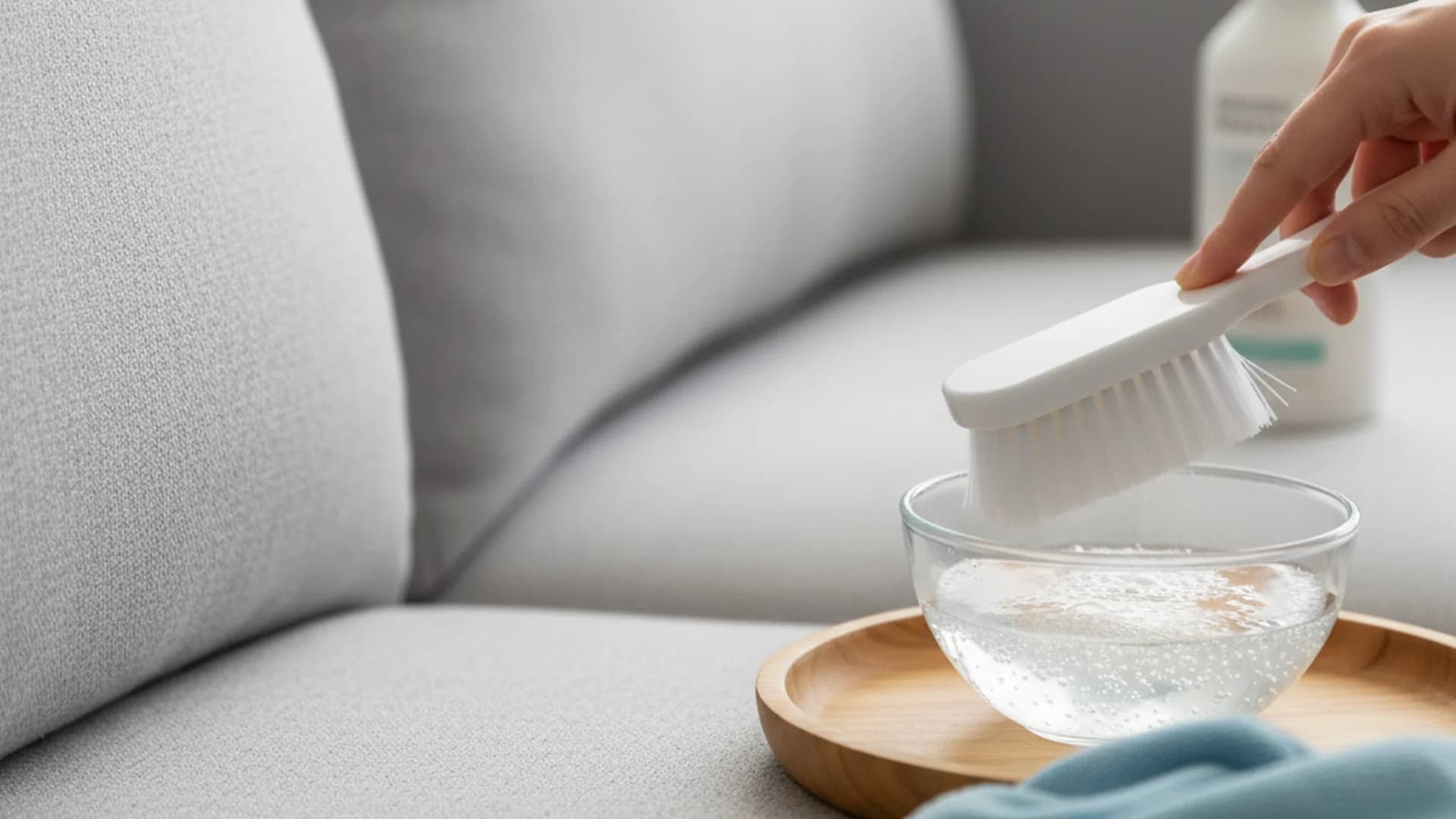
If you prefer a homemade mix, this is the gold standard for 2025:
- 1 cup distilled water (to prevent mineral yellowing)
- 1/2 cup white vinegar
- 1/2 tbsp clear dish soap (avoid colored soaps like blue Dawn)
Note: Tap water contains minerals like iron and magnesium that can leave "tide marks" or cause white fabric to turn yellow over time. Always use distilled water for cleaning white furniture.
Step 3: Weekly Maintenance Routine
Dust is the silent killer of white furniture. When dust settles into the fibers, it creates a "dingy" look that is harder to remove than a localized stain.
- Vacuum Weekly: Use an upholstery attachment to remove loose crumbs, pet hair, and dust.
- The Lint Roller Trick: Between vacuuming, use a high-tack lint roller to pick up surface debris that the vacuum might miss.
- Rotate Cushions: This ensures even wear and prevents "graying" in the spots where you sit most frequently.
Step 4: How to Clean Stains (The "Blot, Don't Rub" Rule)
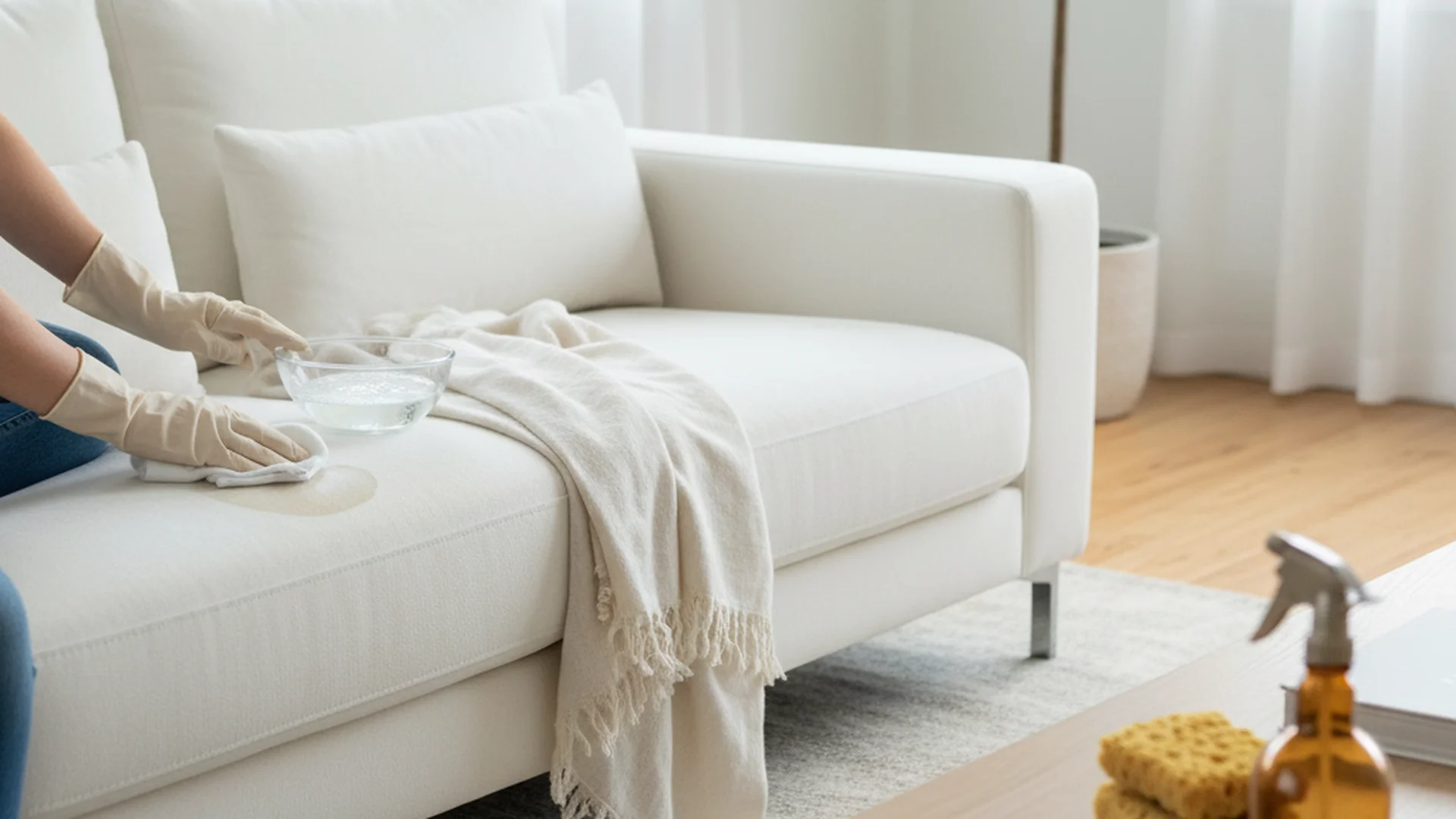
If a spill occurs, your reaction time and technique are vital. Rubbing a stain pushes the liquid deeper into the foam padding, making it nearly impossible to extract.
The Professional Blotting Technique
- Example 1: The Coffee Spill: Immediately take a dry white cloth and press firmly on the spill. Do not move the cloth side-to-side. Once the dry cloth stops absorbing liquid, apply a small amount of distilled water and blot again.
- Example 2: Red Wine: For white couches, red wine is the ultimate test. After blotting, apply an enzymatic cleaner like Wine Away. If you don't have one, a paste of baking soda and distilled water can help lift the pigment before it sets.
- Example 3: Mud or Chocolate: Let the mud dry completely. Scrape off the excess with a dull knife, then vacuum. Use a cool-water solution to clean the remaining residue.
Tip: Always work from the outside of the stain toward the center. This prevents the stain from spreading and creating a larger perimeter.
Special Care for White Leather
White leather requires a different approach than fabric. It is prone to "color transfer" from denim jeans and can crack if it becomes too dry.
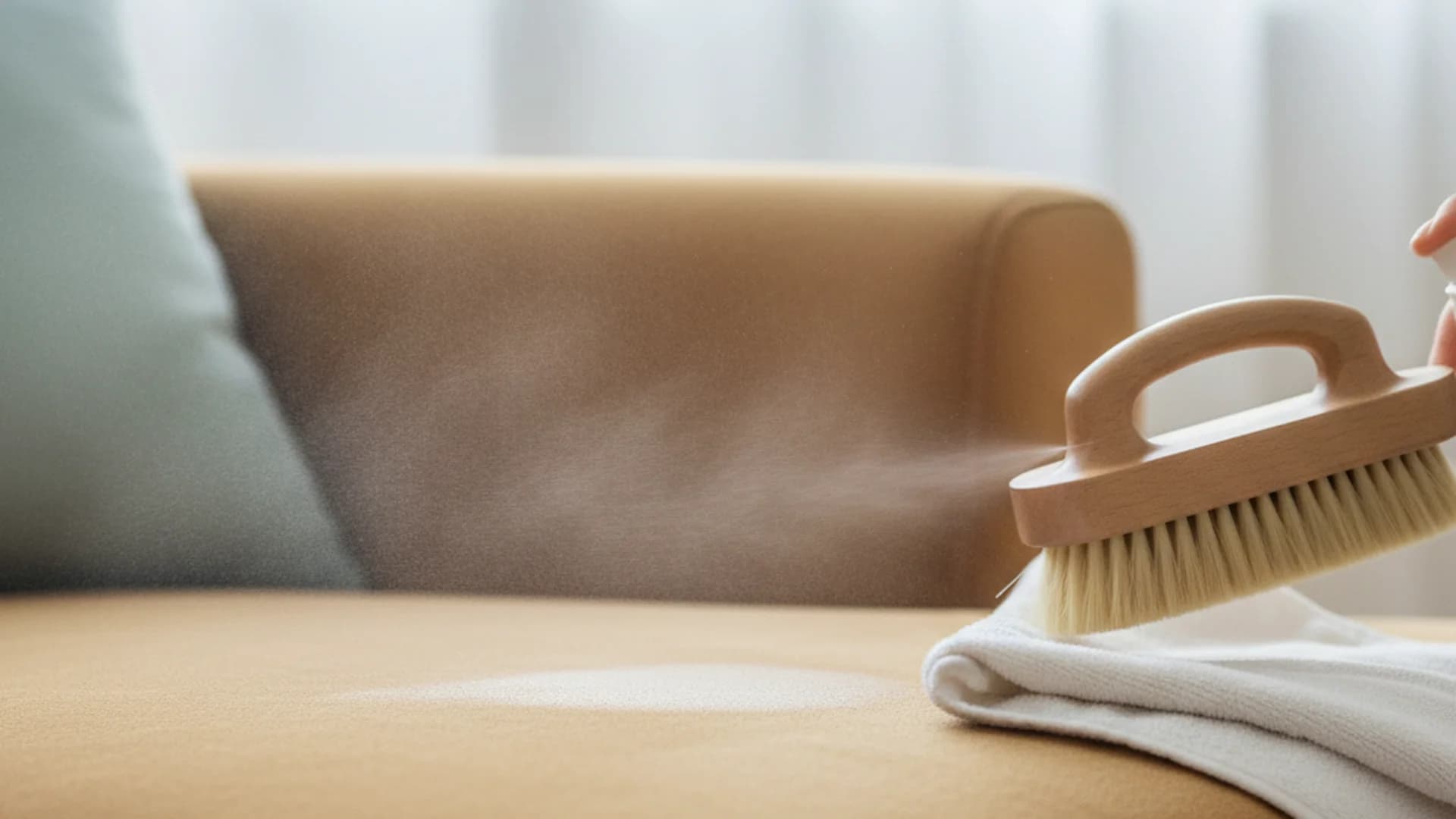
- Clean: Use a pH-balanced leather cleaner and a soft-bristled brush.
- Condition: To restore the shine and prevent cracking, try a mix of one part vinegar to two parts flaxseed oil. Apply the mixture, let it sit overnight, and buff it with a dry cloth in the morning.
- Avoid Bleach: Never use bleach on white leather; it will strip the protective coating and cause the material to yellow and crack.
2025-2026 Trends in Couch Care
Interior design is shifting away from the "cool grey" era. According to 2026 trends, the new neutrals are "Antique Cream" and "Pale Orange-Beige." These warm tones require the same vigilance as pure white.
Nanotechnology Protectors
The biggest advancement for 2025 is the "smart" fabric protector. Unlike older aerosols, these nanotechnology-based sprays create a molecular barrier. Liquids will bead up and roll off the surface without changing the texture of the fabric.
Probiotic Cleaning
A rising trend in sustainable home care involves probiotic cleaners. These use "good bacteria" to continue breaking down organic matter (like sweat and skin oils) long after the couch has dried, keeping the white fabric fresher for longer.
Common Mistakes to Avoid
- Over-Wetting: This is the #1 cause of mold and mildew. Home extraction machines often leave 40–60% of the water behind. If the couch stays damp for more than 24 hours, it will develop a musty smell.
- Using Heat: Never use hot water on protein-based stains like blood or milk. Heat "cooks" the protein into the fiber, making the stain permanent.
- Skipping the Spot Test: Even "natural" cleaners like lemon juice can be too acidic for some fabric backings. Always test a hidden area first.
Warning: Using a hair dryer to speed up the drying process can "set" any residual stains. Use a floor fan or open windows instead.
Frequently Asked Questions
Can I use bleach on a white couch?
Is a white couch practical for pet owners?
How often should I deep clean my white couch?
How do I remove "blue jean" stains from white leather?
Conclusion
Maintaining a white couch is an ongoing commitment, but with the right techniques, it doesn't have to be a source of stress. By understanding your fabric codes, using distilled water, and embracing the "blot, don't rub" philosophy, you can keep your furniture looking brand new. As we move into 2026, the shift toward performance fabrics and probiotic cleaners makes it easier than ever to enjoy the elegance of a white living room without the fear of permanent stains.
Success: Consistent weekly maintenance and immediate spot treatment will extend the life of your white couch by up to 50%, saving you thousands in replacement costs.
Cleaning that keeps score
Every task earns points, every streak multiplies them, and Premium adds a household leaderboard plus a monthly Dustagorgon to beat.
- Free forever
- 30 badges to earn
- Up to 6 in a household
No card needed. Set up your rooms in a couple of minutes.